
 Worksheets
The lungs, gas exchange & Breathing
Total questions: 20
Worksheet time: 2hrs 40mins
What is the site of gas exchange?
alveoli
bronchus
nose
trachea
The division of the trachea forms
main bronchi
alveoli
lungs
nose
Which of the following are features of the alveoli that adapt them to gas exchange?
I. High surface area
II. Thin walls
III. Dry surfaces
I and II only
I only
II and III
I, II, and III
Given the following structures:
1. alveoli
2. bronchi
3. bronchioles
Which of the following is the correct order in which air would flow after inhalation?
1,2,3
2,1,3
2,3,1
3,2,1
What adaptations does the alveoli have for efficient gas exchange?
thick walls
thin walls
small surface area
what is found around alveoli?
capillaries
pleura
lymphatic nodes
saliva
1. larynx
2. nasal cavity
3. pharynx
4. trachea
Which of the following is the correct order that air would flow during inhalation.

Spot 8 is labeling the...
trachea
nasal cavity
bronchi
larynx
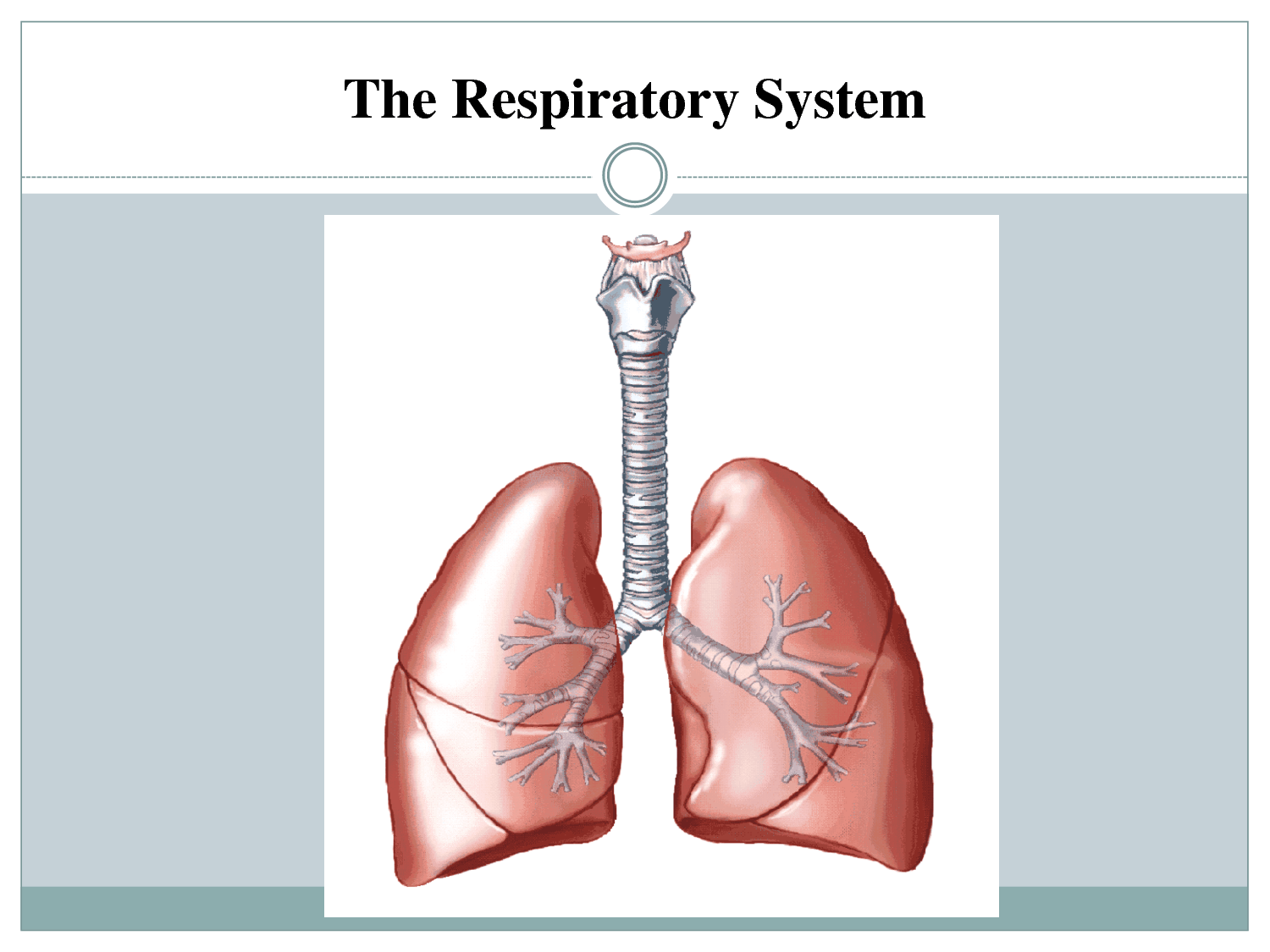
What is the main function of the respiratory system?
to provide oxygen and remove carbon dioxide from the body
o break down food and absorb nutrients
to remove oxygen from the body and deliver carbon dioxide
What is the name of the movement of oxygen in and carbon dioxide out of the body.
transpiration
respiration
digestion
ventilation

State which of these is the waste gas that is expelled from the body during exhalation.
Sulfur Dioxide
Oxygen
Carbon Monoxide
Carbon Dioxide
The lining of the nasal cavity is covered with a thin film of mucus. What is the importance of the mucus?
It warms up the inhaled air.
It helps remove dust from the incoming air.
It lubricates the passage of air into the respiratory trac.
It helps dissolve oxygen in the inhaled air for gas exchange.
When air is pushed OUT of the lungs, what is the correct order for the tubes it passes through?
bronchiole -> bronchi -> trachea -> nose
bronchi -> bronchiole -> trachea -> nose
trachea-> bronchi -> bronchiole-> nose
What muscles are used in breathing in
diaphragm and intercostals
diaphragm and lungs
Abdominals

What do nose hairs and mucus do to inhaled air?
Filter out dust particles
Provide nutrition
Transfer oxygen molecules
Cool air down
During INSPIRATION the (a) flattens.
During Expiration (breathing out) the intercostal muscles _____________________ and the chest becomes smaller.
contract
relax

