
 Worksheets
Mid-Term Review
Total questions: 111
Worksheet time: 1hrs 23mins
There is no supreme god or deity in...
Christianity
Islam
Judaism
Buddhism
The word Buddha means...
"really cool"
"greatest of all time"
"enlightened"
"divine"
Who founded Buddhism?
Jesus Christ
Siddhartha Gautama
Ashoka Maurya
Mahatma Gandhi
What is the major holy text of Islam?
The Quran
The Bible
The Vedas
Many of the traditions of Islam were influenced by which other religions?
Hinduism and Judaism
Buddhism and Judaism
Christianity and Judaism
Animism and Judaism
Which of the following religions has the "5 pillars of faith"?
Hinduism
Buddhism
Islam
Judaism
The rebirth of a soul in a new body.
Dharma
Reincarnation
Nirvana
Allah
Which city is holy for Jews, Christians, and Muslims?
Bethlehem
Ur
Jerusalem
Beijing
What do Buddhism and Hinduism have in common?
They both focus on one god
They are both based on four noble truths
They both believe in the holy book the Bible
They both believe in reincarnation
A monotheistic religion is one in which:
There is only one god
There is only one scripture
There is only one prophet
There are several gods

This is the vast grassland that stretches across Northern Asia
Siberia
Steppe
Tibetan Plateau
Ethiopian Highlands
The ___________________ was largely key to the Mongols success. It provided transportation and food
Cow
Lizard
Horse
Ox
Around 1200 CE, this person unified the Mongol Empire
Kublai Khan
Genghis Khan
Confucius
Marco Polo
In 1260, the grandson of Genghis Khan became the new ruler of Mongol Empire. His name was
Gerald Khan
Wu Khan
Kublai Khan
Amir Khan
Kublai Khan etablished a new dyansty when he ruled over China. He called this dyansty the _____________
Shang
Yuan
Song
Tang
________________ was allegedly the most famous European to viists China during years of Mongolian rule.
Columbus
Marco Polo
John Wayne
Tom Brady

One of the most important weapons for the Mongols was the _____.
Compound bow
Gun
Cannon
Horse

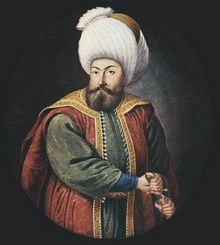
The Ottoman and Safavids were the first to use this military invention throughout their empire:
Ships
Telescopes
Gunpowder
Bows and arrows
The Janizaries were an elite military unit composed of:
Top Muslim officers in the Ottoman empire
captured and converted Christians
Former Roman and Mongol soldiers
Former Crusaders from the Byzantine empire
By the 1700s, the Shiite Safavids in old Persia lost their empire to Sunni Muslim rebels. Persia became a new country known today as:
Turkey
India
Iran
China
Where is the Mughal Empire located?
China
Africa
India
South America


When did Columbus make his first voyage to the New World?
1492 AD
1492 BC
1606 AD
1606 BC

How many voyages did Columbus make to the New World?
4
2
3
5
1

What were the names of Columbus' ships on his first voyage to the New World?
Niña, Pinta, and Santa Maria
Alvin, Simon, and Theodore
Moe, Larry, and Curly (and sometimes Shemp)
Athos, Porthos, and Aramis
Harry, Ron, and Hermione

Who conquered the Aztec?
Hernan Cortes
Cristobal Colon
Christoforo Columbo
Francisco Pizarro
Amerigo Vespucci

Who conquered the Inca?
Francisco Pizarro
Christopher Columbus
Cristobal Colon
Christoforo Columbo
Hernan Cortes

What is one significance of the Columbian Exchange?
It brought many new ways of life to the Old and New Worlds
The plants brought to the Old World didn't survive there
Many Native Americans would move to Europe for a better way of life
Native Americans became very wealthy off the trade with Europeans
The exchange of goods and people between Europe, Africa, and the Americas is the ________________?
Cartaz system
Mercantilism
Capitalism
Columbian Exchange
Which group benefits the most under the economic theory of mercantilism?
Mother countries gain wealth
Individuals gain wealth
Businesses gain wealth
colonies gain wealth
This traveled east to west.
Christianity
Potatoes
Turkeys
Corn

French Enlightenment philosopher who strongly believed in freedom of speech and religion
Voltaire
Denis Diderot
Mary Wollstonecraft
John Locke

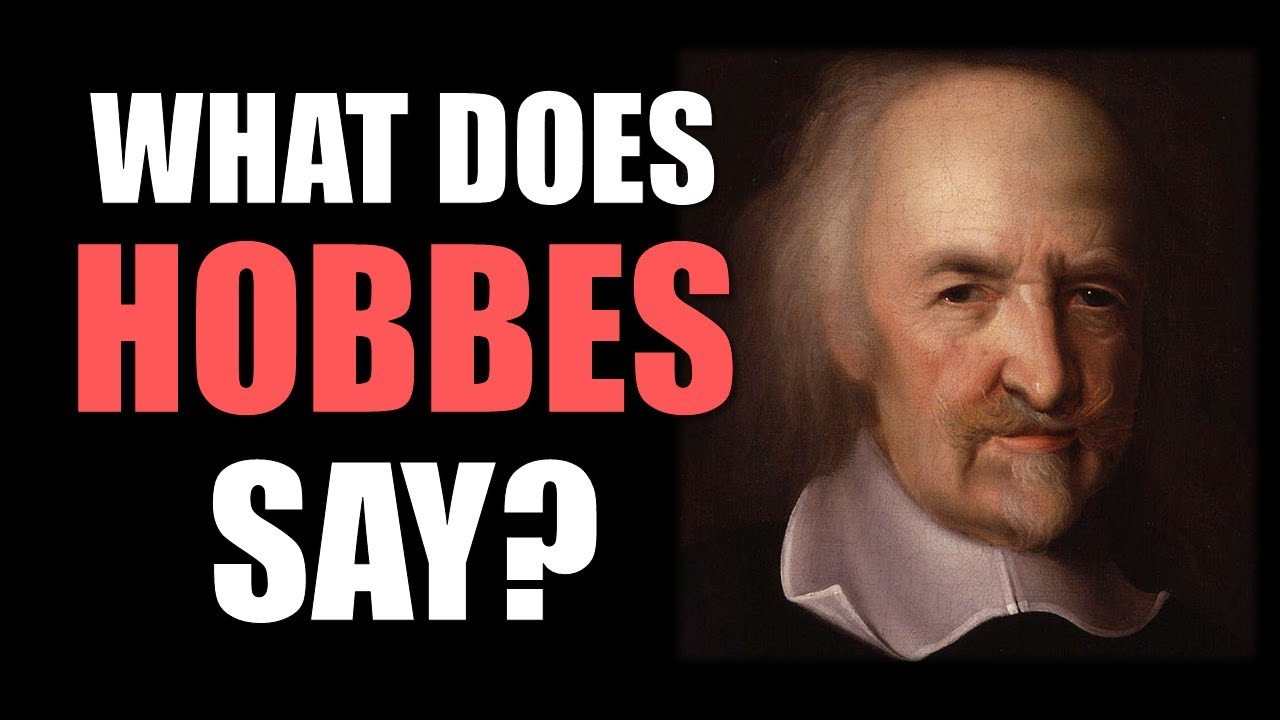
How did Hobbes view human nature?
We are inquisitive and industrious.
We are naturally selfish and quick to fight.
We are naturally ignorant
We are naturally kind and helpful to others
According to what you have learned, who said women should be treated as equal as men?
Hillary Clinton
Barbara Walters
Mary Wollstonecraft
Voltaire
The rights of life, liberty, and property are called:
Unalienable Rights
Essential Rights
Natural Rights
Original Rights

How did the ideas of the Enlightenment philosophers most influence popular revolutions in France and in the United States?
by explaining that society could be improved through scientific discovery
by challenging the belief in the divine right of kings
by stressing the importance of military strength
by examining other countries as models of self-government
How are the Renaissance and the Enlightenment similar?
produced major cultural changes
limited technological advancements
encouraged traditional values
ignored individual achievements

Money, bad harvest, unfair Estate System, Estates General,American Revolution, and Enlightened ideas
Causes of the French Revolution
1st Estate
2nd Estate
3rd Estate
Clergy: very wealthy: Did NOT have to pay taxes
1st Estate
2nd Estate
3rd Estate
Estate General
Nobles: Had land and wealth. Did NOT have to pay taxes
1st Estate
2nd Estate
3rd Estate
Estates General
Middle class, urban workers, rural peasants. Made up 98% of the population. Had to pay ALL the taxes
1st Estate
2nd Estate
3rd Estate
Estate System
The leader of the Reign of Terror. He and the Jacobins started the Reign of Terror.
Robespierre
King Louis XVI
Marie Antoinnette
Estates General
Monarch of France during the French Revolution. He was beheaded and charged with treason for trying to flee France.
King Louis XVI
King Louis XIV
Marie Antoinnette
Robespierre
The document that increased the rights of all French citizens
Declaration of the Rights of Man and the Citizen
Declaration of Independence
Tennis Court Oath
Constitution
The political prison, symbol of tyranny during the French Revolution
The Bastille
The Tennis Court
Versailles Palace
Paris
The symbol of terror during the French Revolution, used to execute traitors to the revolution.
Guillotine
Robespierre
The Jacobins
The Bastille
Third Estate members vowed to never give up until a constitution was written.
Tennis Court Oath
Estates General
Estates System
Guillotine
The wife of Louis XVI
Marie Anntoinnette
Robespierre
The Bastille
Lady Gaga
Who were the Spanish colonists fighting against during the Mexican Revolution?
The Mexican government
The American government
The Spanish government
The New Spain government
This man was a key figure in beginning the revolution - he gave a famous speech called "El Grito del Dolores" to encourage people to fight for freedom.
Father Miguel Hidalgo y Costilla
Dolores Grito
King Ferdinand VII
Augustin de Iturbide
This is a type of government where the people get to elect their leaders
Democracy
Monarchy
Dictatorship
Republic
When is Mexican Independence day celebrated?
Sept 16
April 4
January 30
December 12

a reform movement against the Roman Catholic Church that began in 1517; it resulted in the creation of Protestant churches
Reformation
Indulgence
Purgatory
Protestant

A release from sin given by the Catholic church
fundamental
indulgence
predestination
Transubstantiation

Why did England break with the Church?
Martin Luther's influence spread throughout country
John Calvin set up his theocracy in one the towns
The king wanted a divorce and Church said no
The England did not break from the Catholic Church


According to Martin Luther, where is ultimate religious authority determined?
The decisions of the Pope
The bible
The actions of the Priest
Whatever feels good in the moment

Luther's followers called themselves what?
Protestants
Protestors
Reformers
Transformers
What was the time in history when the Roman Catholic Church was questioned?
Middle Ages
Renaissance
Reformation
All of the Above
Before the Reformation, Christian churches were ___________
Jewish
Roman Catholic
Muslim
None of the Above
What was the Counter Reformation?
Pope's decision to go to war
Protestants moving to new lands
Printing Bible in other languages
Catholic Church making changes
This image symbolizes two paths. John Calvin would have argued you really do not have a 'choice'. What was his concept of salvation/heaven called?
indulgence
Anglican
theocracy
predestination

What is the time period between 1350 and 1550 called?
The Dark Ages
Pax Romana
Renaissance
Reformation
What family became one of the most famous patrons of the arts during the Renaissance?
Pascucci
Medici
Gasol
Rockefeller

