
Font size
 Worksheets
PE 2 (Zumba, Folkdance, Cheerdance)
Total questions: 70
Worksheet time: 35mins
What is the description of the Physical Education 2 subject?
Physical Fitness Assessment
Recreational Activities
Rhythmic Activities
Individual and dual Sports
What is Zumba fitness?
A Latin-inspired dance fitness program
A Spanish-inspired fitness program
A Latin-inspired kickboxing program
A Spanish-inspired crossfit program
Who can enjoy Zumba?
The young people
Only the Girls
Everyone!
The old people
How many calories can you burn in an hour with Zumba?
450
650
550
750
Zumba was created in which year?
1991
2001
2005
1995
Zumba is a calorie burning cardio workout .
True
False
Zumba created by Colombian dancer and choreographer Alberto "Beto" Pérez .
True
False
Zumba is only for dancers.
True
False
What are the benefits of Zumba?
Exercise
Increased flexibility
Full body workout
Easy to follow moves
Fun
Cardio-respiratory endurance is a component that is increased after several Zumba classes
True
False
You need fast upbeat music for a Zumba class.
True
False
Circuit training can improve _________ when you use the training principle overload.
Muscular Endurance
Muscular Strength
Cardiorespiratory Endurance
Flexibility
Circuit training can improve _____ when you use large muscle groups to increase your heart rate.
Muscular Strength
Muscular Endurance
Body Composition
Cardiorespiratory Endurance
True or False-You can meet your goals in a short period of time when using circuit training
True
False
None of these answers
Jumping Rope, Push Ups, and Squats are an example of a circuit training routine that incorporates these components of fitness (In Order)
Upper Body Strength, Lower Body Strength, Cardiorespiratory Endurance
Cardiorespiratory endurance, Lower Body Strength, and Upper Body Strength
Cardiorespiratory endurance, Upper Body Strength, and Lower Body Strength
Alternating and emphasizing different exercises during circuit training can _______ the five components of fitness.
Decline
Decrease
Improve
None of These Answers
Which circuit below alternates upper body and lower body for muscular strength?
Squats, Box Jumps, Jumping Rope, Swimming
Swimming, Jumping Rope, Box Jumps, Squats
Push Ups, Squats, Pull Ups, Box Jumps
Push Ups, Cardio, Pull Ups, Swimming
Which exercise below is an example of lower body muscular strength?


Which stretch below works on flexibility?


What is a combination of two or more exercises performed with short rest periods between them called?
Fitness Rotations
Fitness Schedules
Cardio Lab
Circuit Training
Training that involves moving between a number of stations for different exercises is:
Multi training
Continuous training
Cross training
Circuit training
Which method of training is best to improve muscular endurance?
Circuit training
Plyometric training
Continuous training
Interval training
What is one of the advantages of the circuit training?
It is too hard to adapt to different sports.
Requires a lot of equipment and time.
It's varied and never get's boring.
A Circuit training can be done either by a set number of repetitions or a prescribed amount of time.
True
False

What Folk dance category shows imaginary combat or duel with the use of fighting equipment like the bolo and spear? ex: sagayan
Comic Dance
Mimetic Dance
War dance
What is Folk Dance?
Dance from Surigao; an example of a mimetic dance as it imitates the movements of a duck.
Dances that serve as ritual as one passes to a different stage in life; includes courtship, wedding and funeral dances
Dances that exhibit the customs, ideas, beliefs, superstitions and events of daily living in certain Filipino community
Dances that are either religious or secular and relate to the celebration of recurring events of special significance
Festival Dance
Dance from Surigao; an example of a mimetic dance as it imitates the movements of a duck.
Dances that serve as ritual as one passes to a different stage in life; includes courtship, wedding and funeral dances
Dances that exhibit the customs, ideas, beliefs, superstitions and events of daily living in certain Filipino community
Dances that are either religious or secular and relate to the celebration of recurring events of special significance
Itik-Itik Dance
Dance from Surigao; an example of a mimetic dance as it imitates the movements of a duck.
Dances that serve as ritual as one passes to a different stage in life; includes courtship, wedding and funeral dances
Dances that exhibit the customs, ideas, beliefs, superstitions and events of daily living in certain Filipino community
Dances that are either religious or secular and relate to the celebration of recurring events of special significance
Life-Cycle Dances
Dance from Surigao; an example of a mimetic dance as it imitates the movements of a duck.
Dances that serve as ritual as one passes to a different stage in life; includes courtship, wedding and funeral dances
Dances that exhibit the customs, ideas, beliefs, superstitions and events of daily living in certain Filipino community
Dances that are either religious or secular and relate to the celebration of recurring events of special significance
What category of dance depicts the means of livelihood of the Filipino people?
Festival dance
Mimetic dance
Occupational dance
Social amenities dance

Right arm is maintained above the head and left arm is placed in first position. Right foot placed in front of the left foot about one foot away from each other.
1st position
2nd position
3rd position
4th position

Both arms are raised in front of chest with rounded elbows. Heels together, 45 degrees open.
1st position
2nd position
3rd position
4th position
5th position

Both arms are raised above the head with rounded elbows. Right heel close to the left big toe.
1st position
2nd position
3rd position
4th position
5th position

Arms are opened sideward with rounded elbows. Feet apart about one foot away from each other.
1st position
2nd position
3rd position
4th position
5th position

Right arm is raised above the head and left arm is maintained in second position. Right heel close to the left in step.
1st position
2nd position
3rd position
4th position
5th position
What are the 3 Types of Philippine folk dance?
Tribal Dances from the Cordilleras , Muslim dances , Urban Dances
Tribal Dances from the Cordilleras, Ritual Dances, Muslim Dances
Tribal Dances from the Cordilleras , Muslim dances , Lowland Christian Dances called Maria Clara
Folkdance in the southern islands of the Philippines which was influenced by Arabic and Indo- Malayan cultures.
Tribal dances from Cordilleras
Lowland Christian Dances
Muslim Dances
It is a type of Folkdance in the Philippines that includes non- Christian dances.
Tribal Dances from the Cordilleras
Lowland Christian Dances
Ritual Dances
Cariñosa is an example of a national dance
True
False
Which of the following dances do "Pandanggo" and "La Jota Isabela" belong?
Cordillera Dances
Muslim Dances
Spanish Influenced Dances
Tribal Dance
Folk dance of Visayas with a pair of dancers hopping between two bamboo poles held
Cariñosa
Tinikling
Binasuan
Itik itik
It is danced in the religious procession during fiesta of Biñan as an offering to San Isidro de Labrador.
The Maglalatik
La Jota Moncadeña
The Pandanggo Oasiwas
The Pantomina
The oldest form of dance in the Philippines
HipHop
Ballet
Jazz
Folk Dance
It is a form of dance developed by a group of people that reflects the traditional life of a people certain country, region, or community.
Folk Dance
Dance
Social Dance
War Dance
A dance step in which partners turn crosswise and bow to each other, to the audience, or to the opposite dancers with feet together.
arms in lateral position
hayon-hayon
saludo
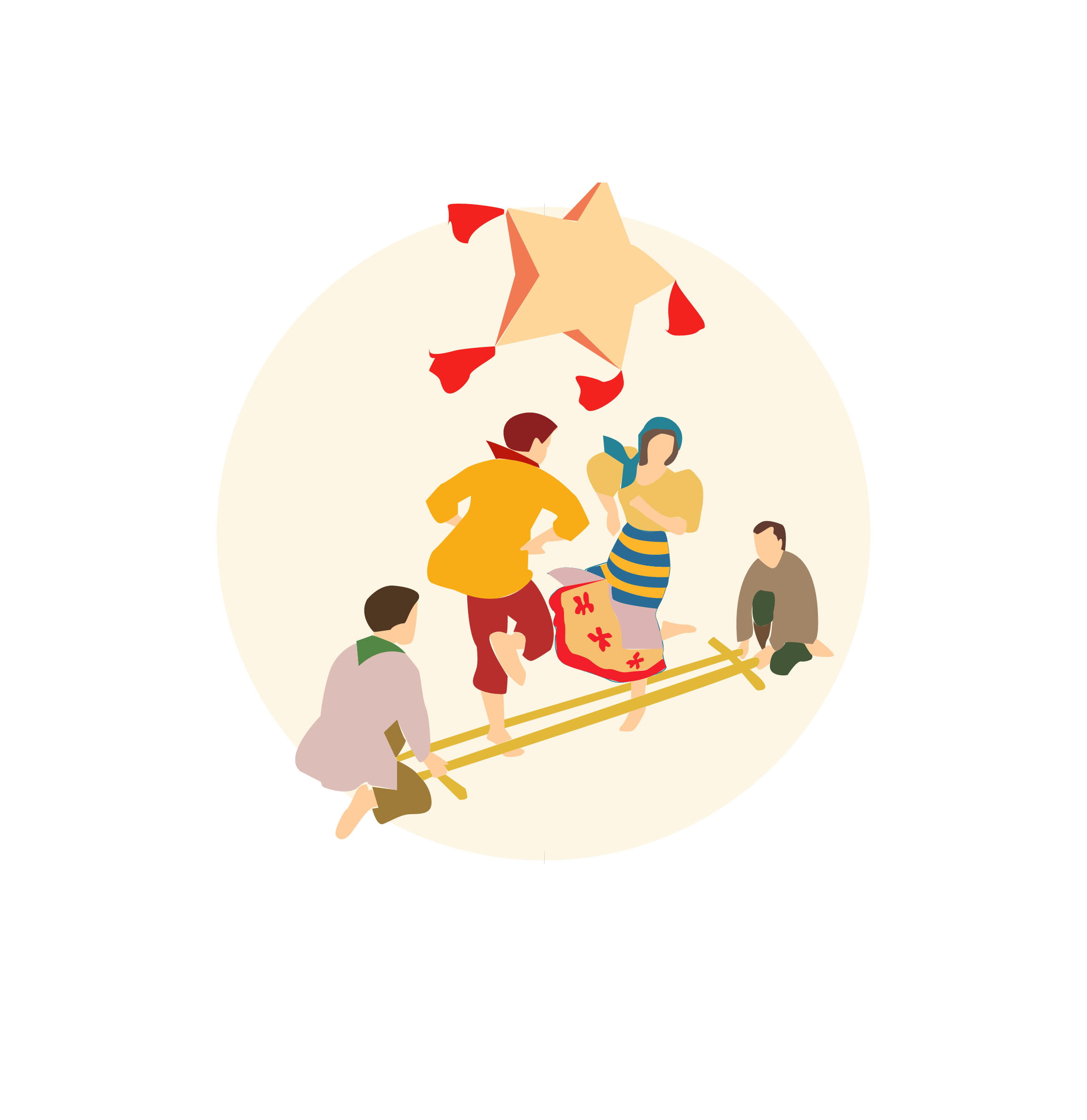
What is the best benefit of dancing?
To become iconic to others
To gain attention from audience
To attain health and wellness
Folk Dance is always related to one's _________.
Self
Culture
Beliefs
Opinion
Philippine Folk Dance mirrors the _____ of the Filipinos.
History and Arts
Life and Beliefs
Culture and Tradition
Wealth and Value
Costume of the girls when dancing Polka sa Nayon.
Jogging Pants and Shirt
Barong Tagalog
Baro't Saya
Maria Clara or Balintawak Style
Costume of the boys when dancing Polka sa Nayon.
Jogging Pants and Shirt
Barong Tagalog
Baro't Saya
Maria Clara or Balintawak Style

Flying V
K Motion
Low V
Diagonal

Low V
Flying V
L Motion
Diagonal

K Motion
Low V
L Motion
Diagonal

Low Touchdown
Low V
Dagger
Flying V

Half T
Low Touchdown
T Motion
Diagonal

Flying V
Dagger
Low Touchdown
K Motion

Low Touchdown
Low V
Flying V
K Motion
1. Arms extended up forming a "V", relax the shoulders
A. CHEER STANCE
B. CLASP
C. HIGH V
D. LOW V
2. Hands in blades at the chin, elbows in
A. LOW V
B. TOUCHDOWN
C. CLAP
TABLETOP
3. One arm extended straight front, one arm on hip in a fist
A. T MOTON
B. DIAGONAL
C. BOW AND ARROW
D. PUNCH
10. It is a combination of cheerleading, jazz and hip hop along with the use of poms.
A. DANCE SPORT
B. YELLS
C. CHEER DANCE
D. ALL OF THE ABOVE
What is cheerleading?
Is a dance clearly related to modern dance and other classical dance styles.
It refers to style primarily performed to music evolving from hip hop culture.
It is an intense physical activity that involves yelling for sports team motivation and competition based upon organized routines hanging from one to three minutes.
1. Refers to bodily movement produced by skeletal muscles. It requires energy expenditure and produces progressive health benefits.
A. Physical Activity
B. Exercise
C. Intensity of Exercises
D. Waist Circumference
2. A type of physical activity that requires planned, structured, and repetitive bodily movement to improve or maintain one or more components of physical fitness.
A. Physical Activity
B. Exercise
C. Intensity of Exercises
D. Waist Circumference
6. It is when people move to a musical rhythm and can be done alone or in a group
A. Sing
B. Dance
C. Cheer
D. Chant

