
 Worksheets
TEST REVIEW - Matter Properties & Changes
Total questions: 53
Worksheet time: 42mins
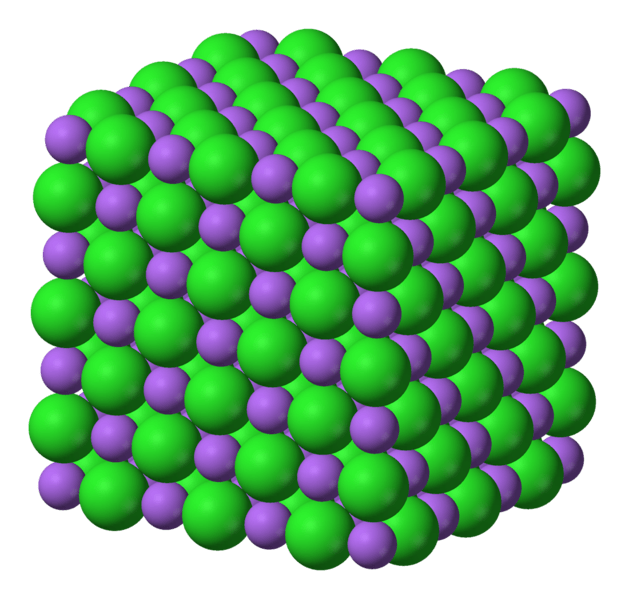
Which state of matter does this picture show?
Solid
Liquid
Gas
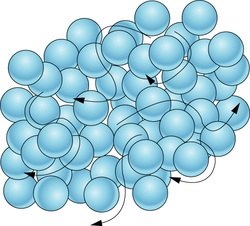
What state of matter does this picture show?
Solid
Liquid
Gas
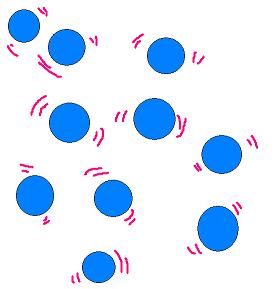
Which state of matter does this picture show?
Solid
Liquid
Gas
What is the best definition of temperature?
How hot or cold something is
A measure of how fast the molecules are moving in a substance
How hot or cold something feels to a person
As temperature increases, what happens to particles?
They speed up
They slow down
As temperature decreases, what happens to particles?
They speed up
They slow down
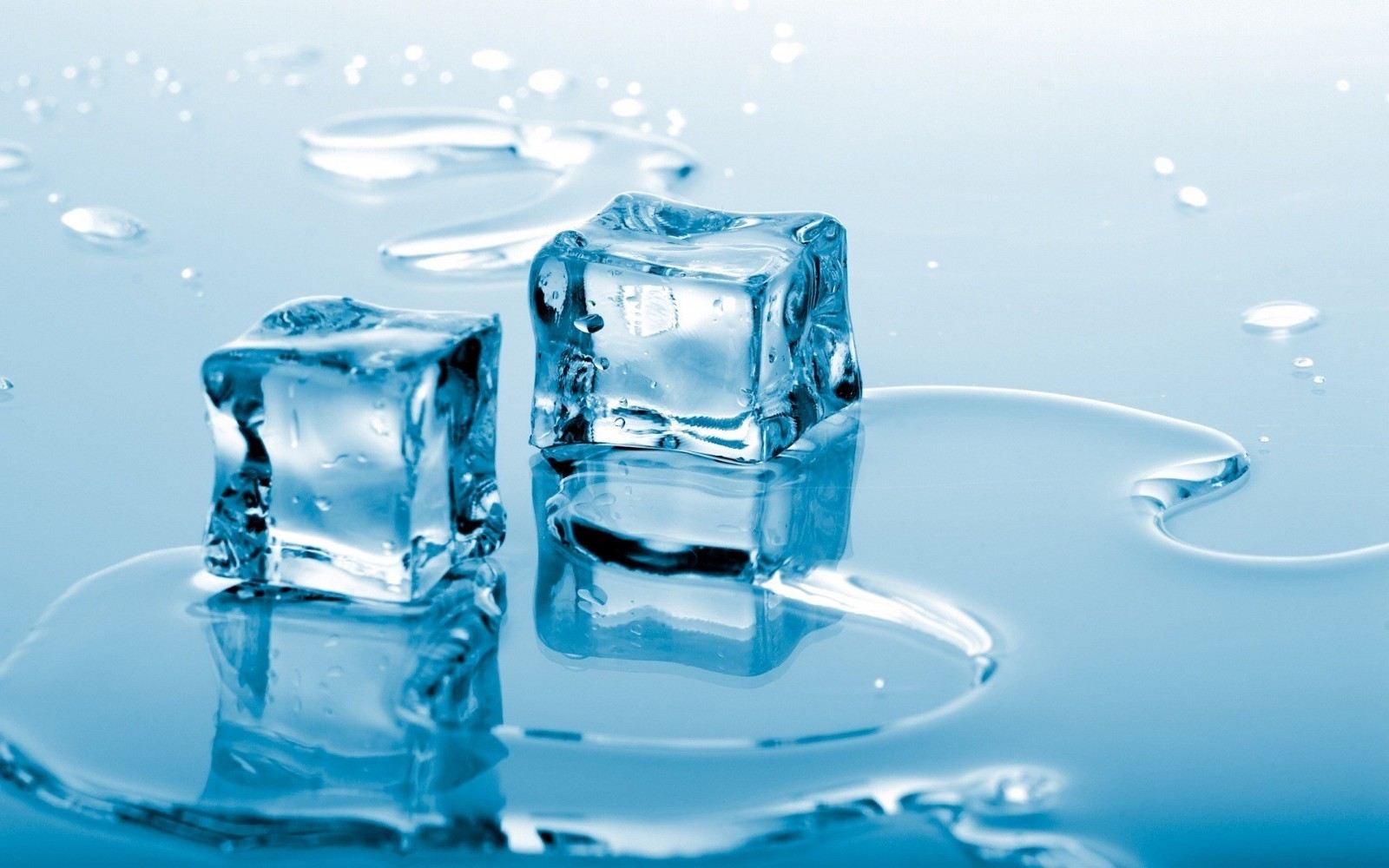
What is happening in this picture of ice melting?
Molecules are speeding up
Molecules are slowing down

What is happening in this picture of water boiling?
Molecules are speeding up
Molecules are slowing down

What is happening in this picture of this lake freezing?
Molecules are speeding up
Molecules are slowing down
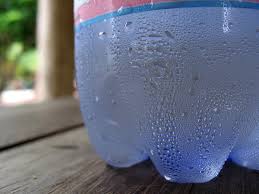
What is happening to the outside of this water bottle?
Molecules are speeding up
Molecules are slowing down


Particles of a liquid
are tightly packed together and stay in a fixed position.
are free to move around one another but still touch.
The slower the particles in a substance move,
the colder it is.
the warmer it is.
the more energy it has.
How can you stop the movement of particles?
Increase the temperature
Decrease the temperature
You can't.
Hold them still with your hands.
Which process could cause a material to change state from gas to liquid?
Adding heat
Adding energy
Removing particles
Removing energy

Matter is
Anything that has volume
Anything that has mass
Anything that has mass and volume
What is a Solid?
Matter that has a fixed shape and size.
Matter that has a fixed size and no fixed shape
Matter that has no fixed shape or size
Matter that has no fixed shape and size
The state of matter that keeps its shape and volume when it is placed in a different container is called ______.
gas
liquid
solid
The state of matter that expands to fill its container is called ______.
gas
liquid
solid
What is matter made up of?
particles that are too large to be seen
tiny butter particles
particles that are too small to be seen
tiny water particles
Which state of matter has its own shape
Gas
Solid
LIquid
Define a liquid.
Matter that has fixed shape but no fixed volume
Matter that has fixed shape and fixed volume
Matter that has fixed volume, but no fixed shape
In which state of matter will there be the LARGEST space between molecules?
Solid
Liquid
Gas
The measure of how much space something takes up is ______.
matter
mass
volume
density
What is a gas?
Matter that has fixed shape but no fixed volume
Matter that has no fixed shape and no fixed volume
Matter that has no fixed shape but fixed volume
compounds
Fluids include...(select all that apply)
Liquids
Solids
Gases
Ice Cubes
When the temperature increases, the pressure ____.
Decreases
Stays the Same
Increases
Need more information
True or False: Temperature is just measuring the amount of energy a substance’s molecules have.
True
False
Why does food coloring diffuse faster in hot water vs cold water?
Molecules are more dense allowing them to move faster
Molecules have more energy allowing them to move faster
The food coloring attaches to water molecules, slowing them down
Molecules have more weight with more food coloring

Which number has the particles moving the fastest?
1
2
5
4
3
Evaporation in considered to be part of....
Vaporization
Freezing
Melting
Sublimation
Which is not one of the main factors that determine the state of matter?
particle size
particle forces
particle motion


A student mixes yellow powder with water. Which observation would prove a CHEMICAL change occurred?
The powder DISSOLVED in the water
The water turned the COLOR yellow
The bag's TEMPERATURE changed
The STATE OF MATTER changed
A student mixes yellow powder with water. Which observation would prove a CHEMICAL change occurred?
The powder DISSOLVED in the water
The water turned the COLOR yellow
The bag's TEMPERATURE changed
The STATE OF MATTER changed
Which word matches the definition "two liquids make a solid"
pre-color
precipitation
precipitate
pretest
A teacher is demonstrating physical and chemical changes to her class. Which action should they use to demonstrate a chemical change?
Cutting a piece of paper with scissors.
Folding a piece of paper into an airplane.
Ripping a piece of paper with their hands.
Burning a piece of paper with a match.

Which type of change does the diagram show?
A change in mass
A physical change
A chemical change
A change in reaction

