
 Worksheets
Canada Unit Test
Total questions: 40
Worksheet time: 1hrs 7mins
Voters elect legislators to represent their ideas in the legislature, called the Parliament. Then the legislators in Parliament pick one of themselves to be the chief executive.
presidential democracy
autocracy
monarchy
parliamentary democracy
Individual that is elected by legislators in Canada's Parliament to be the chief exective
govenor general
prime minister
dictator
president

A king or queen who represents the history and traditions of a country but has no actual power in the government
autocratic monarch
mayor
constitutional monarch
anarchy
A country with no king or queen.
republic
autocratic monarchy
constitutional monarchy
czar

Trade benefits everyone
choices go down and prices go up
choices and prices never change
choices go up and prices go down
tariffs go down and quotas go up
The total value of all goods and services produced in one country in one year
Per Capita (GDP)
Gross Domestic Product (GDP)
GDP Growth Rate
Economic Freedom Index Score
In the province of Québec, the Parti Québécois wants
Quebec to not become a separate country
Quebec to become an autocratic monarchy
Quebec to become a dictatorship
Quebec to become a separate country
In a parliamentary system who has the most power
Monarch
President
Prime Minister
Queen
Canada's government is modeled after what country?
Germany
France
Russia
United Kingdom
What is Canada's #1 trading partner?
USA
Canada
United Kingdom
Cuba
What countries were involved in NAFTA?
United States, Canada, and Mexico
United States, Cuba, and Mexico
Mexico, Cuba, and Canada
United States, Canada, and United Kingdom
Physical/Capital goods
Natural resources
Entrepreneur
Physical Capital/Capital Goods
Natural Resources
Entrepreneur

Some Inuit tribes in northern Canada use bartering to trade and practice which type of economy?
Traditional
Command
Market
Mixed
What cultural difference is a large factor in the Quebec independence movement?
Most people in Quebec practice Judaism as their religion.
Most people in Quebec speak French as their first language.
Most people in Quebec think it should be part of the United States.
Why do many residents of Quebec want the province to be independent?
They fear that they will run out of resources if Quebec is not independent.
They fear that their French culture will disappear if Quebec is not independent.
They fear that there will not be enough jobs for them if Quebec is not independent.
They fear that the province will become overpopulated if Quebec is not independent.
Why do many of Canada's government leaders want Quebec to stay a part of Canada?
Its independence would hurt Canada's economy.
Its independence would threaten Canada's security.
Its independence would cause overpopulation in Canada.
Its independence would harm Canada's First Nation peoples.
What is one reform implemented by the Canadian government in an attempt to satisfy residents of Quebec that favor independence?
The government reduced the federal income tax rates for residents of Quebec.
The government enacted harsher punishments for violations of religious freedom
The government awarded additional seats in the Canadian Parliament to Quebec.
The government established English and French as the two official languages of Canada.

Hudson Bay
Canadian Shield
Golden Horseshoe
St. Lawrence Seaway
tourist boats
swimming
irrigation
hydroelectric power

What is the region colored in red?
Canadian Shield
Rocky Mountains
Quebec
Ontario

Where is Canada's most densely populated areas?
Northern
Southern
Eastern
Western

This image is the landform in along the Hudson Bay rich in minerals but not good for farmland.
Canadian Shield
Nunavut
Great Plains
Rocky Mountains

Group of people coming from Asia across a land bridge in 10,000 BC.
Inuits
French
English
Americans
The French and Indian War was a conflict fought from 1756 to 1763 between
French/Indians vs British
British vs Americans
French vs Indians
French/British vs Americans
The British colonial government made a deal with Quebec in 1763 after the French and Indiian War, The Treaty of 1763. What was the agreement?
Quebec will separate from the rest of Canada and become a new nation.
The Native People will support France in the war against the British.
Quebec will pay taxes to and obey Britain, and it can still speak French.
Quebec can keep its French language and culture, but it belongs to France.
9. The British monarch, Queen Victoria created a new nation of Canada from her former colony. Canada could make decisions about issues within the country, but Britain would continue to control its relations with other countries. When was this?
1867
1931
1776
1980

10. May 20, 1980. Quebec leader Rene Levesque and many of its citizens are extremely disappointed. Why?
Citizens voted 60% non and 40% oui
Quebec decided to become a republic and end the constitutional monarchy
Justin Trudeau was elected prime minister by the voters
Citizens voted to speak English and stop speaking French

If Canada decides to break off its relationship with the British monarchy, what kind of government will Canada have then?
Constitutional Monarchy
Republic
Presidential Democracy
Dictatorship
After more than thirty years in NAFTA, the US created a new trade agreement with in North America countries. What is it?
Comprehensive Economic Trade Agreement (CETA)
United States Canada Mexico Agreement (USCMA)
European Union (EU)
North Atlantic Treaty Organization (NATO)

What is the blue area shown in the image?
Pacific Ocean
St. Lawrence River
Great Lakes
Arctic Ocean

Since Canada has a Parliamentary Democracy, what can people infer about the government?
Monarch is head of government
President is head of government
Prime Minister is head of government
Equal Rights Amendments

What are citizens responsible for doing in Canada's Government?
Electing the Prime Minister
Voting for Parliament
Becoming members of Parliament
Electing the President

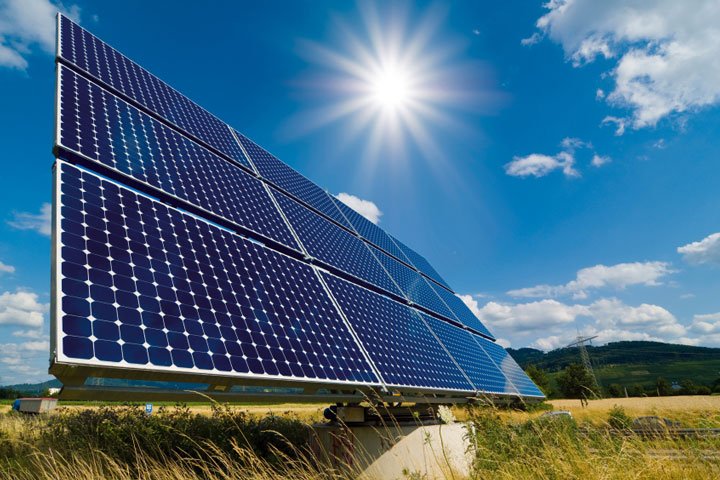
__________is the energy generated from the sun by using panels.

