
NEW
Font size
 Worksheets
8th Grade 3rd Quarter Science Assessment Review
Total questions: 20
Worksheet time: 18mins
What two levels make up a scientific name?
genus and order
genus and species
domain and kingdom
family and genus
What is a prokaryote?
an organism that has nuclei in its cells
an autotroph
a heterotroph
an organism without a nucleus in its cells
A heterotroph
cannot make its own food.
is able to make its food.
Which of these is an autotroph?
mushroom
plant
seal
tiger

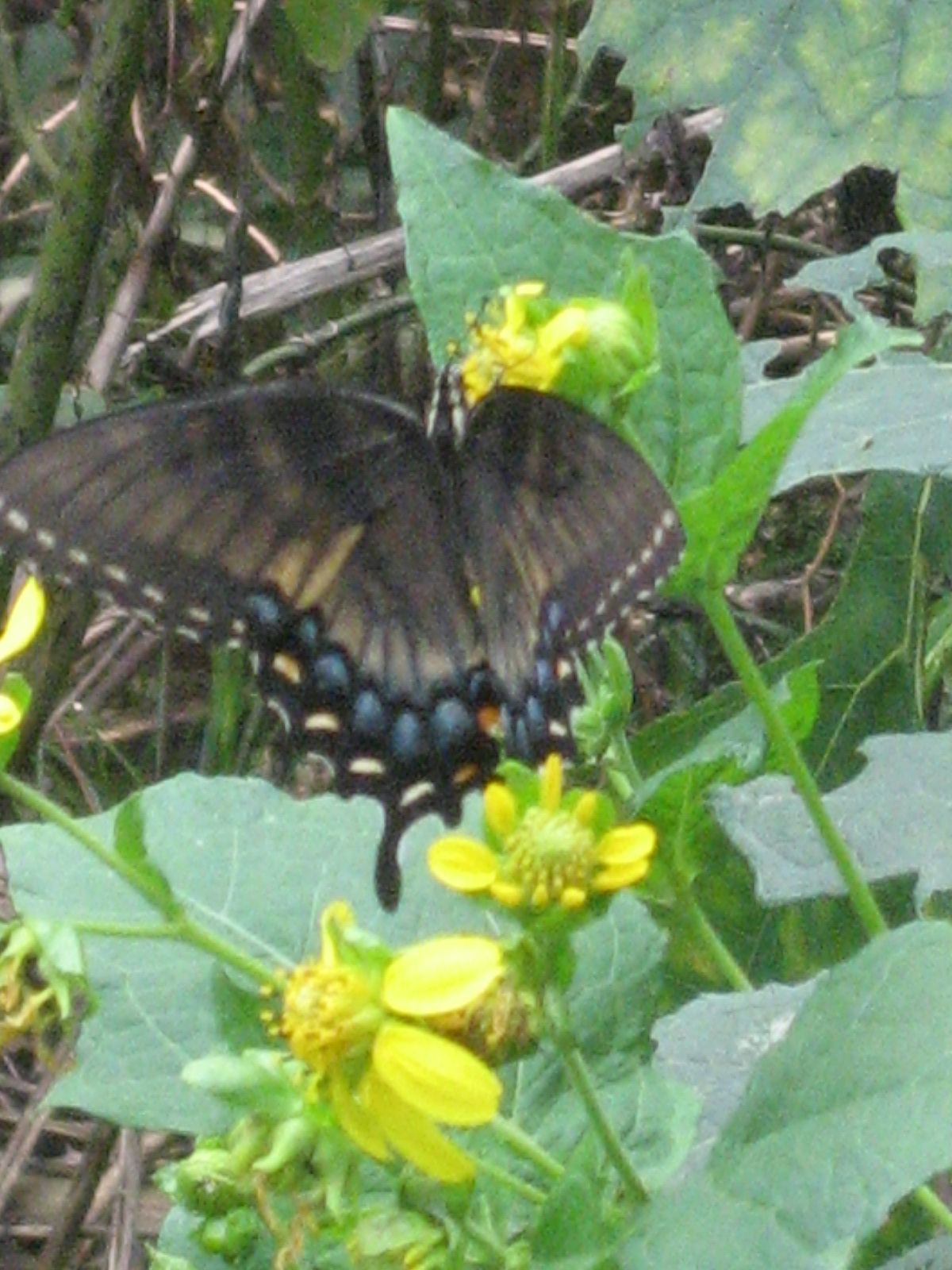
A houseplant on the windowsill bends toward the window.
All living things have cells
All living things respond to stimuli
All living things use energy
All living things grow

Which characteristic of living things is represented in the picture?
Share similar chemicals
Grows and develops
Responds to stimuli
Evolves (as a population)
Reproduction that only involves one parent and all offspring are identical; for example, binary fission of bacteria or amoebas.
Asexual
Sexual
Division
Addition
Maintaining a stable internal environment is called
homeostasis
equilibrium
balance
evenness
Reproduction that involves cells from two parents uniting to produce the first cell of a new organism.
Asexual
Sexual
Budding
Division
Which cell structure do all prokaryotes (bacteria) lack?
Ribosomes
cell wall
nucleus
DNA
Where is DNA located in Prokarytic cells?
Nucleus
Cytoplasm
Ribosomes
Rough ER

The most potential energy is at
a
b
c
d
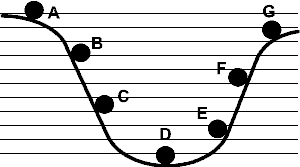
At which point does the ball has the greatest gravitational potential energy (GPE)?
A
G
D
C
G
What is the value of the Earth's acceleration due to gravity (g)?
9.8 m/s2
100 m/s2
25 m/s2
3.14 m/s2
Calculate the potential energy of a rock with a mass of 55 kg while sitting on a hill that is 35 m high
18,865 J
1,925 J
9,625 J
336,875 J

This type of potential energy can be found in rubber bands and springs.
Chemical
Elastic
Gravitational


