wayground logo

Free Printable Worksheets

Font size

S
M
L
XL
Worksheets

biocheck

Total questions: 143

Worksheet time: 3hrs 50mins

Name
Class
Date
1.
Most of the cell membrane is made of...
a)
Lipids
b)
Carbohydrates
c)
Proteins
d)
Nucleic acids
2.
Which of the following is NOT part of the cell membrane?
a)
Lipids
b)
Carbohydrates
c)
Proteins
d)
Nucleic Acids
3.
The function of the plasma membrane is....
a)
to regulate what enters and leaves the cell.
b)
fight bacteria and viruses that enter the cell.
c)
provide rigid support and protection to the cell.
d)
make sure each cell can move
4.

Endoplasmic reticulum is also called as

a)

EDR

b)

RE

c)

ER

d)

ENDOPLASMIC

5.

SER IS CALLED ............

a)

SMOOTH ER

b)

SMALL ER

6.

RER IS CALLED.............................

a)

RED ER

b)

Rough ER

7.

Complex carbohydrates, lipids, including phospholipids are synthesized in .....................................................

a)

RER

b)

SER

8.

ER CONTAINS ..................................AND ...........................

a)

FOLDS AND BENDS

b)

PLEATS AND FOLDS

c)

BUMPS AND PLEATS

9.

Endoplasmic reticulum is the site of

a)

proteins

b)

lipids

c)

All the above

10.
Where can you find ribosomes? 
a)
only in prokaryotic cells
b)
only in plant cells
c)
only in eukaryotic cells
d)
in both prokaryotic and eukaryotic cells
11.
In a plant cell, in which two organelles can ribosomes be found?
a)
mitochondria and chloroplasts
b)
mitochondria and lysosomes
c)
chloroplasts and vacuoles 
d)
chloroplasts and lysosomes
12.
A ribosome can be best described as...
a)
a protein factory
b)
a trash collector
c)
the powerhouse of the cell
d)
the brain of the cell
13.
What are ribosomes made of?
a)
tissue
b)
organelles
c)
ribosomal RNA molecules and proteins
d)
DNA
14.

Ribosomes are found in following cells

a)

animal

b)

plant

c)

prokaryotic

d)

bacteria

15.
What is the function of the smaller unit of the ribosome? 
a)
read the transfer RNA (tRNA)
b)
support the larger unit of the ribosome
c)
read the messenger RNA (mRNA)
d)
take in nutrients for the ribosome
16.

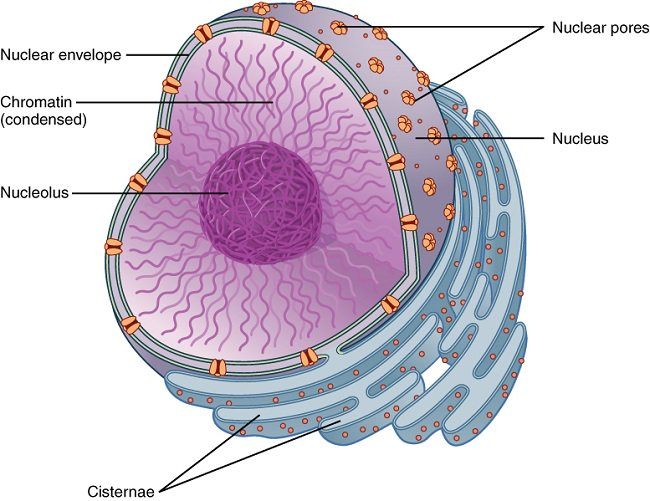
Directs all cell activities through the DNA located there.

a)

Endomembrane System

b)

Nucleus

c)

Ribosomes

d)

Mitochondria

17.

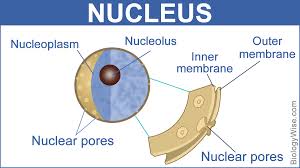
Tiny holes in the nuclear membrane that allow different cellular materials to come in and go out of the cell.

a)

nucleus

b)

nucleoplasm

c)

nucleolus

d)

nuclear pores

18.

Helps assemble ribosomes, which are combinations made of protein and RNA (ribonucleic acid ).

a)

nuclear membrane

b)

nuclear pores

c)

nucleoplasm

d)

nucleolus

19.

What is the function of the nucleus?

a)

The nucleus gives the cell energy

b)

The nucleus protects the cell from outside things

c)

The nucleus controls what happens in the cell

d)

The nucleus does not have a job in the cell
20.
All cells come from other...
a)
cells 
b)
plants 
c)
nucleus 
d)
microscopes 
21.

A jelly-like fluid that lls all the empty space in the cell, giving it shape and keeping everything in place.

a)

chromatin

b)

cytoplasm

c)

nucleus

d)

nucleoplasm

22.
Supports cells structure & drives cell movement.  Composed of microfilaments, microtubules, & centrioles.
a)
endoplasmic reticulum
b)
golgi apparatus
c)
cytoskeleton
d)
vacuole
23.
Stores materials such as water, salts, proteins, & carbohydrates.
a)
ribosome
b)
lysosome
c)
vacuole
d)
endoplasmic reticulum
24.
Contains digestive enzymes to break down worn out parts of the cell.
a)
vacuole
b)
lysosome
c)
ribosome
d)
nucleolus
25.
Which of the following is directly involved in the transportation of materials inside the cells?
a)
endoplasmic reticulum
b)
lysosome
c)
vacuole
d)
mitochondria
26.
You might think of me as the trash collector, but recycler is maybe more accurate. What am I?
a)
mitochondria
b)
lysosome
c)
vacuole
d)
ribosome
27.

Which part of the cell is made up of a network of filaments that maintains the cell structure?

a)

Cytoplasm

b)

Endoplasmic reticulum

c)

Cytoskeleton

d)

Vacuoles

28.

What is the function of centriole

a)

cell division

b)

break down subtances

29.
What type of cell has a nucleus? 
a)
eukaryotic
b)
prokaryotic 
30.
What type of cell has a nucleus? 
a)
eukaryotic
b)
prokaryotic 
31.
control, read, and direct the cell using DNA instructions
a)
nucleus
b)
mitochondria
c)
endoplasmic reticulum
d)
lysosome
32.
Controls what enters/leaves a cell
a)
cell membrane
b)
Nuclear membrane
c)
cell wall
d)
cytoplasm
33.
releases energy for cells to use, most common in animal cells
a)
mitochondria
b)
ribosomes
c)
lysosomes
d)
nucleolus
34.
Amino acids link together to form proteins. In which organelle would this process occur?
a)
Lysosome
b)
Ribosome
c)
Centriole
d)
Mitochondria
35.
packages proteins for delivery
a)
Endoplasmic reticulum
b)
ribosomes
c)
golgi apparatus
d)
lysosomes
36.
break down (digest) worn out cell parts, mostly in animal cells
a)
cytoplasm
b)
lysosomes
c)
mitochondria
d)
vacuoles
37.
jello-like material, fills the space between cell organelles, is where many chemical reactions occur
a)
cytoplasm
b)
chromatin
c)
chloroplast
d)
cell membrane
38.
Transportation network for the cell, moves materials around in the cell
a)
Lysosome
b)
Nuclear Membrane
c)
Endoplasmic Reticulum
d)
Centriole
39.
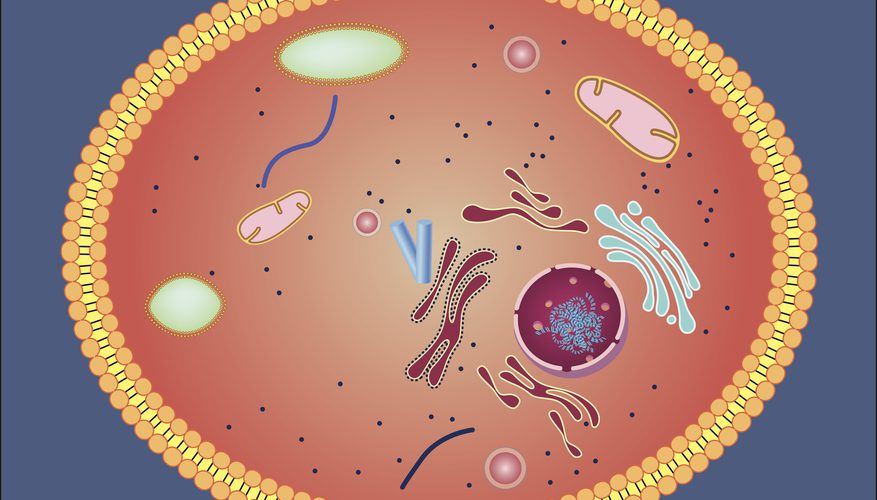
What am I?
a)
mitochondria
b)
lysosomes
c)
chloroplast
d)
endoplasmic reticulum
40.
What am I?
a)
Nucleus
b)
Golgi Body
c)
Mitochondrion
d)
Plasma Membrane
41.
In what organelle is the genetic material found inside?
 
a)
Endoplasmic Reticulum
b)
Golgi Complex
c)
Nucleolus
d)
Nucleus
42.
What is the function of the vacuole?
a)
Sac that stores water, nutrients, and waste products
b)
Sac filled with digestive chemicals
c)
Jelly-like substance within the plasma membrane
d)
stack of membranes that packages chemicals
43.
I make proteins for the cell. What am I?
a)
ribosome
b)
mitochondria
c)
chloroplast
d)
lysosome
44.
The two kinds of cells are Prokaryotes and Eukaryotes. How are they different?
a)
Prokaryotes have a nucleus.
b)
Eukaryotes have a nucleus.
c)
Prokaryotes are plant cells.
d)
There is no difference.
45.
This organelle takes food and turns it into ENERGY for plant and animal cells.
a)
Chloroplast
b)
Mitochondria
c)
Lysosome
d)
Ribosome
46.
Main producer of ATP in all eukaryotes
a)
chloroplast
b)
mitochondria
c)
lysosome
d)
smooth er
47.
Only eukaryotic cells have....
a)
membrane-bound organelles 
b)
DNA
c)
ribosomes
d)
cell membranes 
48.
What does this organism use for movement?
a)
Pseudopod
b)
Cilia
c)
Flagella
d)
legs
49.
What does this organism use for movement?
a)
Pseudopod
b)
Cilia
c)
Flagella
d)
legs
50.
a)
controls what enters and exits the cell
b)
contains chlorophyll
c)
thick and rigid
51.
a)
site of protein synthesis by ribosomes
b)
where ribosomes are made
c)
gel-like fluid
52.
a)
where ribosomes are made
b)
receives proteins from ER and distributes them
c)
assembles amino acids into proteins
53.
a)
assembles amino acids to create proteins
b)
control center of the cell
c)
capturesenergy from sunlight
54.
assembles ribosomes
a)
nucleus
b)
nuclear membrane
c)
nucleolus
d)
chromatin
55.
The plant cell wall is made up of
a)
chitin
b)
peptidoglycan
c)
cellulose
d)
glycogen
56.
A plant vacuole is different from an animal vacuole because
a)
plant vacuoles are small and animal vacuoles are large
b)
Plant vacuoles are large and and animal vacuoles are small
c)
plant vacuoles are specialized, such as contractile vacuoles
d)
Animal vacuoles store large amounts of water. Plant vacuoles store food.
57.
The green pigment in plants is due to the presence of 
a)
chlorophyll
b)
Chlorine
c)
Chlorophyta
d)
chromatophores
58.
Additional layer around the outside of plant cells made from cellulose that protect and give shape
a)
Cell Wall
b)
Chloroplast
c)
Cell Membrane
d)
Golgi Complex
59.
Storage of food, water, wastes, and enzymes.
a)
Vacuole
b)
Mitochondria
c)
Cell Membrane
d)
Cytoplasm
60.
Converts stored food into energy.
a)
Mitochondria
b)
Cell Wall
c)
Chloroplast
d)
Ribosome
61.
Produces proteins
a)
Ribosome
b)
Nucleus
c)
Cytoplasm
d)
Endoplasmic Reticulum
62.
Controls what enters and leaves the cell
a)
Cell Membrane
b)
Ribosome
c)
Chloroplast
d)
Vacuole
63.
Control center of the cell (like a brain)
a)
Nucleus
b)
Nucleolus
c)
Cytoplasm
d)
Endoplasmic Reticulum
64.
Package and transport proteins from the cell
a)
Golgi Complex (body)
b)
Endoplasmic Reticulum
c)
Ribosome
d)
Mitochondria
65.
Transport system within the cell
a)
Endoplasmic Reticulum
b)
Nucleolus
c)
Cytoplasm
d)
Vacuole
66.
Controls cell reproduction and makes ribosomes
a)
Nucleolus
b)
Nucleus
c)
Golgi Complex (body)
d)
Chloroplast
67.
Plant cell structures that turn energy from sunlight into food.
a)
Cell Wall
b)
Mitochondria
c)
Chloroplast
d)
Cytoplasm
68.
Under a microscope, what kind of cells lack membrane-bound internal organelles?
a)
Prokaryotes
b)
Eukaryotes
c)
Plants
d)
Animals
69.
The picture illustrates a
a)
Prokaryotic Plant Cell
b)
Prokaryotic Animal Cell
c)
Eukaryotic Plant Cell
d)
Eukaryotic Animal Cell
70.
What am I?
a)
cell wall
b)
mitochondria
c)
cytoplasm
d)
chloroplast
71.
What am I?
a)
vacuole
b)
ribosome
c)
endoplasmic reticulum
d)
golgi apparatus
72.
Using this image, what organelle is C?
a)
Cell Wall
b)
Mitochondria
c)
Large Cell Vacuole
d)
Chloroplast
73.
The two kinds of cells are Prokaryotes and Eukaryotes. How are they different?
a)
Prokaryotes have a nucleus.
b)
Eukaryotes have a nucleus.
c)
Prokaryotes are plant cells.
d)
There is no difference.
74.
What cell part is NOT found in all cells?
a)
Cell Wall
b)
Cell Membrane
c)
Cytoplasm
d)
Genetic Material
75.
Complex cell. Can be plant or animal. Contains membrane bound organelles. 
a)
Eukaryotic Cell
b)
Prokaryotic Cell
c)
Bacteria
d)
Blood cell
76.

Surrounds the plant cell and maintains the cell shape and structure.

a)

Cell wall

b)

Cell membrane

c)

Nucleus

d)

Ribosome

77.

Makes food for the plant cell.

a)

Ribosome

b)

nucleus

c)

chloroplast

d)

cytoplasm

78.

Controls what goes in and out of the cell.

a)

cell membrane

b)

cell wall

c)

organelle

d)

cell

79.

Houses gel-like fluids that support cell organelles and holds them in place.

a)

cytoplasm

b)

endoplasmic reticulum (e.r.)

c)

golgi bodies

d)

nucleus

80.

The control center for the cell.

a)

ribosome

b)

cytoplasm

c)

nucleus

d)

cell membrane

81.

Storage space for water, wastes, food, and other cellular material

a)

mitochondria

b)

cell membrane

c)

cell wall

d)

vacuoles

82.

The basic unit of structure and function in living things.

a)

cell

b)

cell wall

c)

plant cell

d)

cell membrane

83.

Which two cell parts are only in plant cells?

a)

4, 7

b)

6, 8

c)

7, 9

d)

6, 2

84.

What is the arrow pointing to?

a)

Cell wall

b)

Nucleus

c)

Cytoplasm

d)

Cell membrane

85.

This image is of

a)

animal cells.

b)

plant cells.

86.

What is the arrow pointing to?

a)

Cell wall

b)

Chloroplast

c)

Cytoplasm

d)

Cell membrane

87.

Students in a fifth grade classroom observed samples from a sunflower and a frog under a microscope. Which of the following is most likely the same? 

a)

The presence of a cell membrane because both a sunflower and frog have a cell membrane on the most outer part of the cell.

b)

The presence of a cell membrane because both a sunflower and frog have a cell membrane.

c)

The shape of the cell because both a sunflower and frog have a rigid structure due to a cell membrane.

d)

The shape of the cell because both a sunflower and frog have a rigid structure due to a cell wall.

88.

A student is creating a 3D plant cell model using a cookie cake. There is an error in the student’s model. Which of the following revisions would BEST fix the representation of the model?

a)

The student should remove the box for the cookie cake because a plant cell does not have a cell wall.

b)

The student should use 2 peppermints since there are more than one nucleus in a plant cell.

c)

The student should only use green gummy bears to represent the chloroplast.

d)

The student should switch the ingredients for the cytoplasm and the chloroplast.

89.

Why do animals lack chloroplasts?

a)

because they aren't green in color

b)

because animals do not have cells

c)

because animals do not need food

d)

because animals cannot make their own food

90.

The _______ is the smallest structural and functional unit of a living thing. (this will be matching on the test)

a)

cell

b)

metabolism

c)

nutrition

d)

defense

91.

_______ are chemical reactions within a cell. (This will be a matching question on the test)

a)

Metabolism

b)

Nutrition

c)

Cell

d)

Defense

92.

__________ is responding to changes in the environment. (This will be a matching question on the test)

a)

Response

b)

Reproduction

c)

Metabolism

d)

Growth

93.

______ is keeping conditions in the cell balanced. (This will be a matching question on the test)

a)

Homeostasis

b)

Response

c)

Metabolism

d)

Nutrition

94.

______ means to increase in size. (This will be a matching question on the test)

a)

Growth

b)

Nutrition

c)

Reproduction

d)

Defense

95.

______ means producing offspring. (This will be a matching question on the test)

a)

Reproduction

b)

Defense

c)

Nutrition

d)

Growth

96.

______ means obtaining food for energy and growth. (This will be a matching question on the test)

a)

Nutrition

b)

Metabolism

c)

Growth

d)

Defense

97.

_____ means protection against enemies. (This will be a matching question on the test)

a)

Defense

b)

Homeostasis

c)

Nutrition

d)

Reproduction

98.

Which choice is NOT part of the cell theory.

a)

All organisms are composed of cells.

b)

Cells are the basic unit of life.

c)

All cells come from previous cells.

d)

Cells are always the same size and shape.

99.

Microscopes help us see very small objects like cells in detail.

a)

True

b)

False

100.

What happened that allowed cells to be studied?

a)

Cells increased in size.

b)

Scientists began to work together.

c)

Scientists became smarter.

d)

The microscope was invented and improved.

101.

What is a benefit of the development of the cell theory?

a)

Cells have made microscopes improve.

b)

There are less biologists today.

c)

There is more diseases on Earth now.

d)

Scientists now know much more about cells and bacteria, which allows them to better treat disease.

102.

He was Isaac Newton’s contemporary rival

a)

Robert Hooke

b)

Anton Van Leeuweenhoek

103.

This is part of his work

a)

Robert Hooke

b)

Anton Van Leeuweenhoek

104.
The _________ holds the dna for the cell
a)
vacuole
b)
smooth ER
c)
rough ER
d)
nucleus
105.
Jelly-like material that makes up most of the cell
a)
cytoskeleton
b)
cytoplasm
c)
cyclops
d)
cytoliquid
106.
This organelle is stores food, water and waste.
a)
Ribosome
b)
Cytoplasm
c)
Vacuole
d)
Mitochondria
107.
What gives instructions to the cells?
a)
DNA
b)
PNA
c)
MBA
d)
NBA
108.
What is the nucleus?
a)
a thin layer that encloses the cell
b)
controls all life processes; "brains"
c)
holds cell together
d)
gatekeeper for cell
109.
Ribosomes make....
a)
coffee
b)
lunch
c)
protein
d)
other cells
110.
Animal cells have chloroplasts for photosynthesis
a)
True
b)
False
111.
Which type of cell has a true membrane-bound nucleus?
a)
eukaryotic
b)
prokaryotic
112.

which cell is more complex

a)

Eukaryotic

b)

Prokaryotic

113.

Plant cells contain what organelle that animal cells do not?

a)

Chloroplast

b)

nucleus

c)

ER

d)

mitochondria

114.

What is D pointing at?

a)

Flagellum

b)

Pilia

c)

Cell Membrane

d)

Nucleus

115.

Powerhouse

a)

Endoplasmic Reticulum

b)

Cell Wall

c)

Chloroplast

d)

Mitochondria

116.
Any living thing, such s a plant, animal, fungus, yeast, or bacteria.
a)
Organism
b)
Mammal
c)
Animal
117.
The smallest unit of life. 
a)
Molecule
b)
Cell
c)
Bacteria
118.
Plant cells have:
a)
Nothing
b)
No cytoplasm
c)
One large vacuole
119.
Plant and animal cells are identical. 
a)
True
b)
False
120.
_________ ship and package materials
a)
Golgi bodies
b)
Mitochondria
c)
Rough endoplasmic reticulum
d)
Smooth endoplasmic reticulim
121.

Tough outer layer of plant cells. Provides support and stability.

a)

cell membrane

b)

cytoplasm

c)

cell wall

d)

chloroplasts

122.
Bacteria is what kind of cell?
a)
Eukaryotic
b)
Prokaryotic
123.
Prokaryotic cells are older than Eukaryotic cells
a)
Flase
b)
True
124.
All cells come from___________ cells.
a)
pregnant
b)
pre-existing
c)
paternal
d)
pin size
125.
______________ are the basic unit of life.
a)
DNA
b)
RNA
c)
Cells
d)
Takis
126.
When observing cells, which of the following pieces of equipment is most appropriate?
a)
Hand lens
b)
Telescope
c)
Petri dish
d)
Microscope
127.
Anton van Leeuwenhoek made his own version of the microscope and discovered something very odd when he looked a the gunk on his teeth. What did he discover?
a)
Cells
b)
Bacteria
c)
Cavities
d)
Influenza
128.
Who looked at cork and named the cell?
a)
Robert Hooke
b)
Van Leeuwenhoek
c)
Robert Brown
d)
Francesco Redi
129.

What is a stage used for?

a)

lets light in

b)

where the slide is placed

c)

what holds the slide in place

d)

lets you see better

130.

Where is the base located on the microscope?

a)

top

b)

front

c)

back

d)

bottom

131.

What does the nose piece on a microscope do?

a)

hold the adjustment knobs

b)

hold the light source

c)

hold the objective lens

d)

holds the glasses on your face

132.

what is the total magnification if the ocular lens is 10x and the objective lens is 4x?

a)

40x

b)

400x

c)

4x

d)

4000x

133.

what part of the microscope hold the slide on the stage?

a)

objective lenses

b)

stage clips

c)

rotating nose piece

d)

fine adjustment

134.

What is number 2?

a)

fine adjustment knob

b)

coarse adjustment knob

c)

light source

d)

base

135.

What is number 5?

a)

base

b)

stage

c)

light source

d)

arm

136.

What is number 6?

a)

diaphragm

b)

light source

c)

stage

d)

stage clips

137.

What is number 9?

a)

rotating nose piece

b)

objective lens

c)

ocular lens

d)

adjustment knob

138.

All cells have

a)

a nucleus

b)

genetic material

c)

a cell wall

d)

a criminal inside

139.
What type of cell is pictured?
a)
Prokaryotic
b)
Eukaryotic
c)
Plant
d)
Animal
140.
Type of cell shown?
a)
Bacterial
b)
Prokaryotic
c)
Eukaryotic
d)
Red blood 
141.

Unicellular means

a)

single-celled

b)

unicycle

c)

multi-celled

142.
Which of the following is found inside a prokaryote?
a)
cytoplasm
b)
DNA
c)
ribosomes
d)
all of these
143.

Animal, fungi, plant, and protista cells are all examples of which type of cell?

a)

Eukaryotic

b)

Prokaryotic