
 Worksheets
Limiting Factors- Density Dependent and Independent
Total questions: 25
Worksheet time: 13mins
What is an Abiotic Factor?
A NON-living factor that can affect an ecosystem
A living factor that can affect an ecosystem
The carrying capacity of an ecosystem
What is a Biotic Factor?
The carrying capacity of an ecosystem
A NON-living factor that can affect an ecosystem
A living factor that can affect an ecosystem
What is a limiting factor?
Factors that always increase a population
Factors that always decrease a population
Resources that are unlimited
Factors/resources that limit how many organisms can live in an area at the same time
If there was a wildfire in the forest that destroyed the plant life, what would happen to the herbivore population?
Herbivores would decrease due to a lack of food
Herbivores would increase due to an increase of food
Herbivores would not be affected
Herbivores would decrease due to an increase in predators
If humans were to release a pack of wolves into the forest, what type of factor would this be?
Abiotic
Biotic
What is a population?
All the organisms living in an area
The living and non-living organisms in an area
A group of the same species living in an area
What is an ecosystem?
All the organisms living in an area
A group of the same species living together
All of the organisms living in an area and the non-living environment around them
Which of the following would cause an increase in the omnivore population?
Increase in carnivores
Humans hunting
Increase in producers
Increase in competition
Which of the following would lead to a decrease in tertiary consumers?
An increase in herbivores and omnivores
An increase in rain
A decrease in competition
A new carnivore population moving to the area
Limiting factors which impact the size of a population no matter how large/small that population is.
Density Independent Limiting Factors
Density Dependent Limiting Factors
Carrying Capacity
Exponential Growth
An abiotic factor such as storms and extreme heat or cold that decrease a population (no matter the size) are considered to be.
density- dependent factor
population density
dispersion
density- independent factor
Due to severe overcrowding children in many countries do not survive to reach adulthood.
Density-Dependent: Disease
Density-Independent: Disease
Name the type of limiting factor and type of relationship
Since lynx prey on hares, an increase in the hare population causes an increase in the lynx population.
Density-Dependent: Parasitism
Density-Independent: Competition
Density-Dependent: Predator-Prey
Density-Independent: Predator-Prey
A severe flood in the Red River Valley causes a decline in the deer population. What type of limiting factor does the flood represent?
Density-Dependent
Density-Independent
Due to stress from lack of space, large numbers of female lemmings miscarry their young and fail to reproduce.
Density-Dependent
Density-Independent
Many fish die due to a change in the winds and the appearance of the El Nino ocean current off the coast of Peru and Chile.
Density-Dependent
Density-Independent
Fish on a coral reef stake out their territory and chase away any younger fish that try to live there.
Density-Dependent
Density-Independent
An extensive drought in the Serengeti Plain threatens wildebeest, giraffe, zebra, and springbok populations.
Density-Dependent
Density-Independent
Which of the following would NOT be an example of a density dependent limiting factor?
fire
disease
lack of food
space
Which of the following would NOT be an example of a density independent factor?
predation
tornado
hurricane
fire
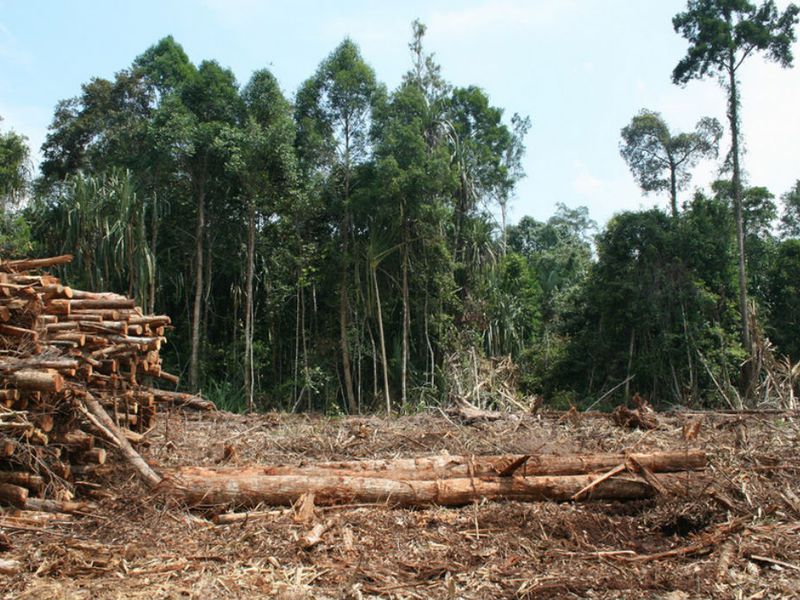
What would human alterations of the environment be considered? Ex. Cutting down the rain forests
Density-independent
Density-dependent

Which of the following is NOT true about density-dependent and density-independent limiting factors?
The larger a population, the bigger impact a density-dependent limiting factor will have.
Density-dependent factors include competition for food and habitat
Density- independent factors include natural disasters (extreme weather), seasonal changes and pollution.
Density-Independent factors only occur when the population is small
This is the study of organisms and their interactions with the environment.
Biology
Geology
Chemistry
Ecology
The number of individuals per unit area.
distribution
carrying capacity
density
none of the above

