wayground logo

Free Printable Worksheets

Font size

S
M
L
XL
Worksheets

Circulatory, Respiratory, Excretory, Digestive Review

Total questions: 25

Worksheet time: 13mins

Name
Class
Date
1.

The circulatory system consists of what three parts?

a)

Heart

b)

Brain

c)

Blood

d)

Blood vessels

e)

Liver

2.

Blood vessels that carry blood away from the heart.

a)

Veins

b)

Capillaries

c)

Arteries

3.

Blood vessels that carry blood to the heart.

a)

Veins

b)

Arteries

c)

Capillaries

4.

The smallest blood vessels that ensure oxygen and nutrients are delivered to the body's cells.

a)

Capillaries

b)

Arteries

c)

Veins

5.

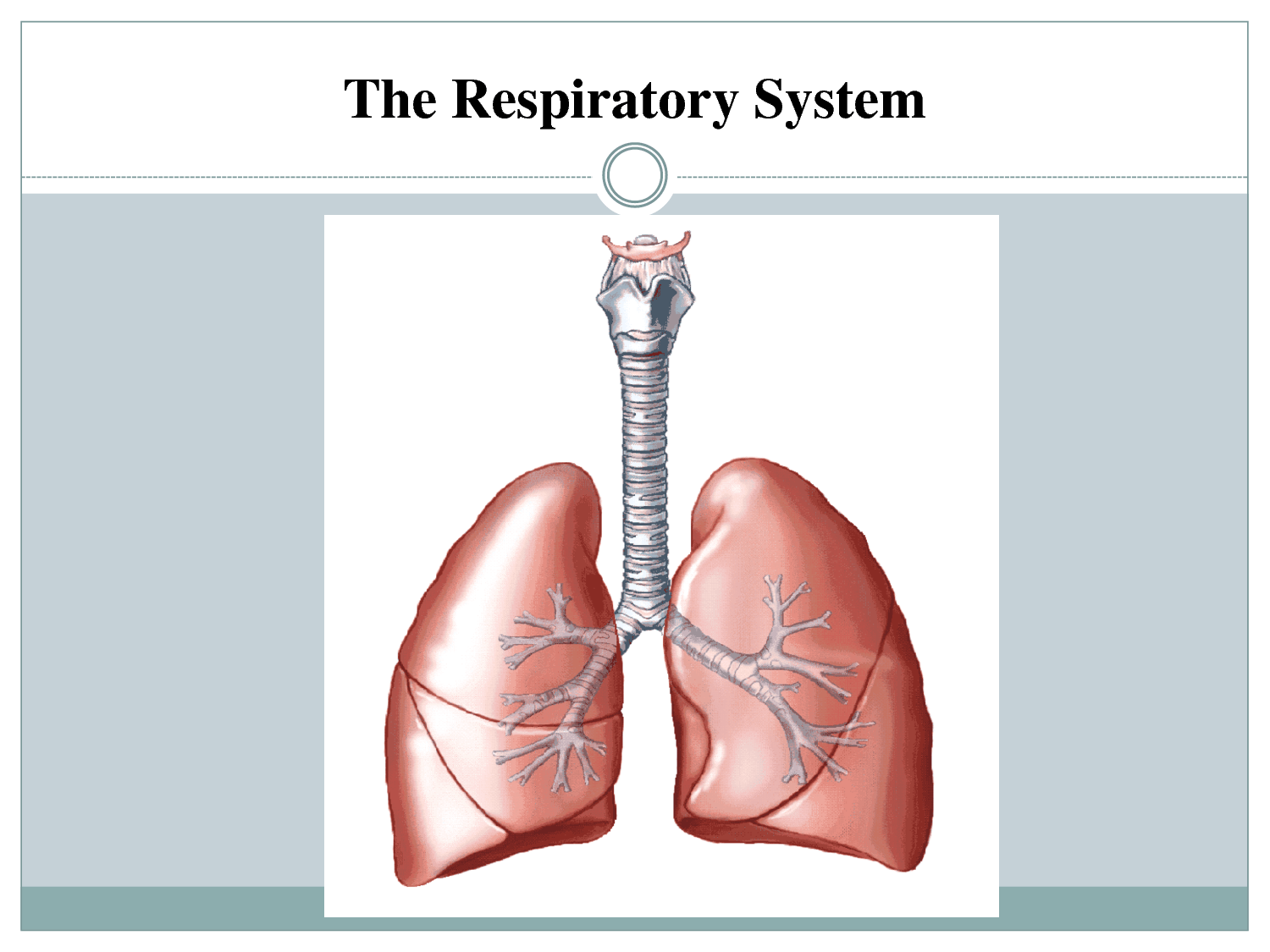
An air tube that is held open by C-shaped rings of cartilage. Also known as the windpipe.

a)

pharynx

b)

trachea

c)

nose

d)

alveoli

6.

The two narrower tubes branching from the trachea that leads into the lungs

a)

nose

b)

bronchi

c)

lungs

d)

alveoli

7.

The air tubes in your lungs branch off into smaller, narrower tubes called

a)

bronchioles

b)

trachea

c)

larynx

d)

cilia

8.
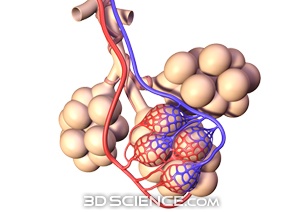
The air sacs that are covered with capillaries where gas exchange takes place
a)
bronchi
b)
lungs
c)
oxygen
d)
alveoli
9.

The large muscle that contracts and relaxes and moves air in and out of the lungs.

a)

epiglottis

b)

alveoli

c)

diaphragm

d)

trachea

10.

The main organs of the respiratory system

a)

heart

b)

lungs

c)

esophagus

d)

kidney

11.
What is the main function of the respiratory system?
a)
to provide oxygen and remove carbon dioxide from the body
b)
to bring oxygen to the body
c)
to break down food and absorb nutrients
d)
to remove oxygen from the body and deliver carbon dioxide
12.
What is the main function of the excretory system?
a)
to collect and remove wastes from the body
b)
to strengthen skeletal muscles
c)
to protect the nervous system
d)
to bring oxygen to body cells
13.
Which organ of the excretory system stores urine until the body is ready to eliminate it?
a)
ureters
b)
urethra
c)
urinary bladder
d)
urea
14.
Using the picture, what is the structure of A?
a)
ureter
b)
kidney
c)
urinary bladder
d)
urethra
15.
Using the picture, what is the function of structure A?
a)
Carries urine away from the kidneys
b)
Stores urine
c)

Filters blood to eliminate urea, excess water, and other materials

d)
Carries urine away from body and eliminates it
16.
Using the picture, what is the function of structure B?
a)
Carries urine away from the kidneys
b)
Stores urine
c)

Filter blood to eliminate urea, excess water, and other material

d)
Carries urine away from body and eliminates it
17.
Using the picture, what is the function of structure C?
a)
Carries urine away from the kidneys
b)
Stores urine
c)

Filters blood to eliminate urea, excess water, and other materials

d)
Carries urine away from body and eliminates it
18.
Using the picture, what is the function of structure D?
a)
Carries urine away from the kidneys
b)
Stores urine
c)

Filters blood to eliminate urea, excess water, and other materials

d)
Carries urine away from body and eliminates it
19.
The excretory system rids the body of ______ waste.
a)
solid
b)
liquid
20.
The function of the digestive system is
a)
Breakdown foods
b)
Absorb nutrients
c)
Eliminate waste
d)
All of the above
21.
The mouth has 2 different types of digestion.  They are
a)
Physical and Elemental
b)
Mechanical and heat
c)
Mechanical and chemical
d)
Acidic and motion
22.
Salvia breaks down food using
a)
Mechanical digestion
b)
Acidic digestion
c)
Chemical digestion
d)
None of the above
23.
An example of mechanical digestion is 
a)
Digestive acids in the stomach breaking down food
b)
Teeth chomping food up into smaller pieces
c)
Salvia in the mouth making the food taste sweet
d)
The liver as it produces bile and breaks down fat particles
24.
Which organ absorbs water and is the last stage of the digestive process.
a)
Gall Bladder
b)
Pancreas
c)
Large Intestine
d)
Small Intestine
25.
What happens to unused food materials in the digestive system?
a)
They are stored in the rectum and released through the anus
b)
They are recycled back to the stomach to get reprocessed
c)
There are no unused materials, the digestive system absorbs all food nutrients
d)
They are stored in the large intestine until we need them