
 Worksheets
Renaissance and Reformation Review
Total questions: 37
Worksheet time: 19mins

Which of these men of the Renaissance was known equally for his art as well as inventions?
Rueben
Leonardo da Vinci
Michelangelo
Aristotle
Which of these events influenced the changing role of religion during the Renaissance?
the humanist movement
the removal of the pope
the burning of bibles
the invention of movable type

When did the Renaissance occur?
1300s–1600s
1300s–1500s
1200s–1600s
none of these
Who is considered the father of humanism?
Petrarch
Kepler
Galileo
Gutenberg
Why were the Medicis important to the Renaissance?
The commissioned many expeditions.
They started a university in Florence.
They believed in the teachings of Luther.
They were patrons of the arts.
What invention helped to spread the ideas of the Renaissance?
the printing press
the caravel
the telescope
eyeglasses
What did an indulgence grant a person?
a pardon for sin
money for food
an interview with a priest
a guarantee into heaven
Why did Luther disapprove of indulgences?
He felt the church was not charging enough.
He felt that faith alone was the only path to salvation.
He believed the Pope was corrupt.
all of the these
What was the church's response to Luther's ideas?
Luther was excommunicated.
Luther was sainted.
Luther was stripped of his ministerial vestments.
Luther was put to death.
The movement to change the church during the Renaissance was called?
Counter-Reformation
Counter- Revolution
Revolution
Reformation
People who wanted the Catholic Church reformed (changed) were called?
Lutherans
Calvinists
protesters
Protestants
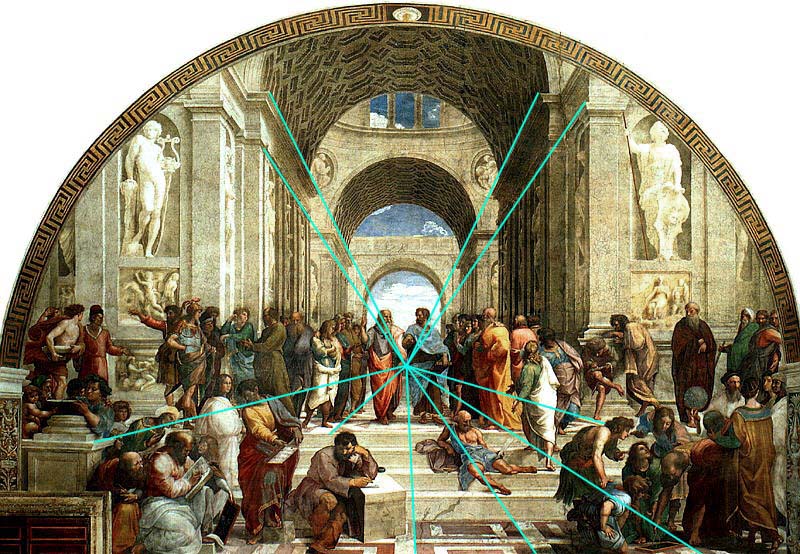
Why did the Catholic Church react negatively to the spread of knowledge throughout Europe during the Renaissance?
several of the church's leaders created religious schools throughout the region
many new discoveries challenged the teachings of the church
donations to the church decreased as people used money to pay for education
political leaders used education to influence the teachings of the church.
Which is true about Martin Luther?
German
monk
scholar
started Protestant Reformation
American Civil Rights Activist
M. Luther's intent in posting his theses was:
To start his own religion
To start a political revolution
To force the Church to excommunicate him
To reform the Catholic Church
The Church eventually excommunicated M. Luther. That meant:
He could go to Mass, but not receive sacraments.
He was totally kicked out of the Church: no sacraments!
He could receive sacraments privately, but not in public.
He could receive communion, but not reconciliation.
M. Luther translated the Bible into:
Latin
English
French
German
Italian
English King Henry VIII broke away from the Church so he could give himself:
a promotion
a divorce
a better passport
a tax break
The Council of ______ took 18 years to complete, but resulted in good reforms.
Constantinople
Nicea
Trent
Rome
What was the Counter Reformation?
Pope's decision to go to war
Protestants moving to new lands
Printing Bible in other languages
Catholic Church making changes
Which was NOT a cause of the Protestant Reformation?
Bibles being available for people to read.
Luther's 95 Theses
Crusades
People becoming more educated and a focus on humanism
What is the core belief of Anabaptists?
Only adults should be baptized
Infants, instead of adults, should be baptized
No one should be baptized
Only the Anglican church should baptize
Which of the following is a universal truth?
Fear can save your life
Everyone needs church
History is the best subject

