
 Worksheets
đề 18/6.1 cư mnga 1-ôn vào 10
Total questions: 47
Worksheet time: 24mins
______ the high price, the product is selling well.
Even though
Although
Because
Despite
cho dạng đúng của từ trong ngoặc ra chỗ trống
The Pikes suggested (a) the Karaoke shop near their house (punish)
She looked happy ______ she had just received good news.
We continued the match ______ the heavy rain.
He enjoys the job ______ it is very stressful.
although
because
due to
since
Mr.Columbus (discover) ………………………America more than 400 years ago.
A. discover
B. discovered
C. discovering
D.discovers
We ( not, go ) …………………….home late last night .
A. do not go
B. will not go
C.did not go
D. are not go
Mark the letter A, B, C, or D on your answer sheet to indicate the word whose underlined part differs from the other three in pronunciation in each of the following questions.
Question 1. A. bright B. fine C. bike D. sit
A. bright
B. fine
C. bike
D. sit
Question 2. A. chemistry B. chocolate C. challenge D. choice.
A. chemistry
B. chocolate
C. challenge
D. choice.
Mark the letter A, B, C, or D on your answer sheet to indicate the word that differs from the other three in the position of primary stress in each of the following questions.
Question 3. A. connect B. cancel C. postpone D. prepare
A. connect
B. cancel
C. postpone
D. prepare
Mark the letter A, B, C, or D on your answer sheet to indicate the word that differs from the other three in the position of primary stress in each of the following questions.
Question 4. A. confident B. cognitive C. various D. creative
A. confident
B. cognitive
C. various
D. creative
Question 5. Balancing schoolwork and social life can be challenging for teenagers, especially when there are lots of ___________ to meet.
A. specialities B. priorities C. deadlines D. distractions
A. specialities
B. priorities
C. deadlines
D. distractions
Question 6. Natural wonders are one of our country’s valuable____________.
A. possess B. possessive C. possessions D. possessively
A. possess
B. possessive
C. possessions
D. possessively
Question 7. Many people often______________ the flu in winter.
A. come down with B. cut down on C. take care of D. look after
A. come down with
B. cut down on
C. take care of
D. look after
Question 8. At first, it’s very difficult to _______________friends when you study in another country.
A. do B. make C. take D. meet
A. do
B. make
C. take
D. meet
Question 9. She fancied__________ the Viet Nam Museum of Ethnology.
A. visit B. visits C. to visit D. visiting
A. visit
B. visits
C. to visit
D. visiting
Question 10. Sleeping early is _________than sleeping late
A. good B. the better C. more better D. better
A. good
B. the better
C. more better
D. better
Question 11. If we ______ more trees in our neighborhood, the air _____ fresher.
A. planted /will B. plants / be C. plant / will be D. plants / would be
A. planted /will
B. plants / be
C. plant / will be
D. plants / would be
Question 12. You _______ have a clear plan for your future so you know what to work forwards.
A. should B. can C. might D. could
A. should
B. can
C. might
D. could
Question 13. I like playing football, _______ my brother prefers basketball.
A. or B. but C. and D. so
A. or
B. but
C. and
D. so
Question 14. Do you wish we ______ a swimming pool in our school?
A. having B. have C. has D. had
A. having
B. have
C. has
D. had
Question 15. The Dolomites are ____ mountain range in Italy.
A. the B. an C. a D. ∅ (no article)
A. the
B. an
C. a
D. ∅ (no article)
Question 16. The government often ________ people to protect the diversity of the community.
A. encourage B. encourages C. is encouraging D. encouraged
A. encourage
B. encourages
C. is encouraging
D. encouraged
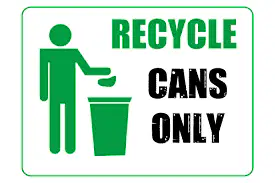
Question 17. What does the sign mean?
A. This garbage bin is just for cans.
B. All the garbage has to be put here.
C. Cans can’t be recycled.
D. This is just for recycled cans.

Question 18: What does this notice say?
A. Don’t queue here if you paid for your ticket already.
B. Don’t pay for your ticket because it is free.
C. Go to the desk in the corner to pay for your ticket.
D. Pay for your ticket at the desk in the corner.
Mark the letter A, B, C or D on your answer sheet to indicate the sentence that best complete the following exchange.
Question 19. Amy and Lisa are talking about their holiday.
- Amy: "Shall we visit the zoo tomorrow, Lisa?"
-Lisa:"_______"
A. Yes, we do. B. Good job! C. That sounds exciting! D. I don't think so.
A. Yes, we do.
B. Good job!
C. That sounds exciting!
D. I don't think so.
Question 20.
a. Are you planning to visit any other cities?
b. How long will you stay there?
c. Yes, I'll be in Kyoto next week.
d. I'll stay for a few days.
A. a-c-b-d B. b-d-c-a C. a-b-c-d D. d-a-c-b
A. a-c-b-d
B. b-d-c-a
C. a-b-c-d
D. d-a-c-b
Lunar New Year, more commonly known by its shortened name Tet, (21) __________ is the most important and popular holiday and festival in Viet Nam. Tet (22) __________ place from the first day of the first month of the Lunar calendar (around late January or early February) until at least the third day. (23) __________ Vietnamese prepare for Tet by cooking special foods and cleaning the house. There are lots of customs practicing during Tet, like visiting a person’s house (24)___________ the first day of the New Year, wishing New Year’s greetings (25) __________ giving lucky money to children and elderly people. During Tet, Vietnamese visit their relatives and temples, forgetting about the trouble of the past year and hoping for a better upcoming year.
Question 21: A. which B. who C. when D. where
21: A. which
21: B. who
21: C. when
21: D. where
Lunar New Year, more commonly known by its shortened name Tet, (21) __________ is the most important and popular holiday and festival in Viet Nam. Tet (22) __________ place from the first day of the first month of the Lunar calendar (around late January or early February) until at least the third day. (23) __________ Vietnamese prepare for Tet by cooking special foods and cleaning the house. There are lots of customs practicing during Tet, like visiting a person’s house (24)___________ the first day of the New Year, wishing New Year’s greetings (25) __________ giving lucky money to children and elderly people. During Tet, Vietnamese visit their relatives and temples, forgetting about the trouble of the past year and hoping for a better upcoming year.
Question 22: A. takes B. gives C. hides D. makes
Question 22: A. takes
Question 22:B. gives
Question 22: C. hides
Question 22:D. makes
Lunar New Year, more commonly known by its shortened name Tet, (21) __________ is the most important and popular holiday and festival in Viet Nam. Tet (22) __________ place from the first day of the first month of the Lunar calendar (around late January or early February) until at least the third day. (23) __________ Vietnamese prepare for Tet by cooking special foods and cleaning the house. There are lots of customs practicing during Tet, like visiting a person’s house (24)___________ the first day of the New Year, wishing New Year’s greetings (25) __________ giving lucky money to children and elderly people. During Tet, Vietnamese visit their relatives and temples, forgetting about the trouble of the past year and hoping for a better upcoming year.
Question 23: A. Many B. Much C. More D. Several
Question 23: A. Many
Question 23:B. Much
Question 23: C. More
Question 23: D. Several
Lunar New Year, more commonly known by its shortened name Tet, (21) __________ is the most important and popular holiday and festival in Viet Nam. Tet (22) __________ place from the first day of the first month of the Lunar calendar (around late January or early February) until at least the third day. (23) __________ Vietnamese prepare for Tet by cooking special foods and cleaning the house. There are lots of customs practicing during Tet, like visiting a person’s house (24)___________ the first day of the New Year, wishing New Year’s greetings (25) __________ giving lucky money to children and elderly people. During Tet, Vietnamese visit their relatives and temples, forgetting about the trouble of the past year and hoping for a better upcoming year.
Question 24: A. at B. in C. on D. out
A. at
B. in
C. on
D. out
Lunar New Year, more commonly known by its shortened name Tet, (21) __________ is the most important and popular holiday and festival in Viet Nam. Tet (22) __________ place from the first day of the first month of the Lunar calendar (around late January or early February) until at least the third day. (23) __________ Vietnamese prepare for Tet by cooking special foods and cleaning the house. There are lots of customs practicing during Tet, like visiting a person’s house (24)___________ the first day of the New Year, wishing New Year’s greetings (25) __________ giving lucky money to children and elderly people. During Tet, Vietnamese visit their relatives and temples, forgetting about the trouble of the past year and hoping for a better upcoming year.
Question25: A. so B. and C. but D. or
Question25: A. so
Question25: B. and
Question25: C. but
Question25: D. or
Local traditions and customs are important parts of a community's culture. They can be very different from one place to another and show the history of each area. For example, many places have festivals that are a big part of their local culture. These festivals often have special foods, dances, and ceremonies that are unique to each place.
People also celebrate holidays in different ways. Some places have traditional festivals for each season, while others celebrate important historical or religious events. For instance, many cultures celebrate New Year's Day on January 1st, but some have their own special dates for the new year based on their traditions.
Local customs can also affect everyday life. In some places, people might greet each other with a special handshake or use certain phrases that show their cultural values. The way people dress, what they eat, and the music they enjoy can all be influenced by local customs.
Even with these differences, people who follow these traditions often feel a strong sense of community and belonging. Learning about and respecting local customs can help build good relationships between people from different backgrounds.
Question 26: What is the main idea of the reading passage?
A. Local traditions are the same everywhere.
B. Local traditions are different and show the history of each place.
C. Festivals are the only important part of local culture.
D. Everyday customs do not matter in local culture.
Local traditions and customs are important parts of a community's culture. They can be very different from one place to another and show the history of each area. For example, many places have festivals that are a big part of their local culture. These festivals often have special foods, dances, and ceremonies that are unique to each place.
People also celebrate holidays in different ways. Some places have traditional festivals for each season, while others celebrate important historical or religious events. For instance, many cultures celebrate New Year's Day on January 1st, but some have their own special dates for the new year based on their traditions.
Local customs can also affect everyday life. In some places, people might greet each other with a special handshake or use certain phrases that show their cultural values. The way people dress, what they eat, and the music they enjoy can all be influenced by local customs.
Even with these differences, people who follow these traditions often feel a strong sense of community and belonging. Learning about and respecting local customs can help build good relationships between people from different backgrounds.
Question 27: The word “They” in line two refer to ________.
A. Local traditions
B. Customs
C. Community's culture.
D. Local traditions and customs
Local traditions and customs are important parts of a community's culture. They can be very different from one place to another and show the history of each area. For example, many places have festivals that are a big part of their local culture. These festivals often have special foods, dances, and ceremonies that are unique to each place.
People also celebrate holidays in different ways. Some places have traditional festivals for each season, while others celebrate important historical or religious events. For instance, many cultures celebrate New Year's Day on January 1st, but some have their own special dates for the new year based on their traditions.
Local customs can also affect everyday life. In some places, people might greet each other with a special handshake or use certain phrases that show their cultural values. The way people dress, what they eat, and the music they enjoy can all be influenced by local customs.
Even with these differences, people who follow these traditions often feel a strong sense of community and belonging. Learning about and respecting local customs can help build good relationships between people from different backgrounds.
Question 28: The word “important” in paragraph 1 is CLOSEST in meaning to ____________.
A. big B. easy C. minor D. unusual
A. big
B. easy
C. minor
D. unusual
Local traditions and customs are important parts of a community's culture. They can be very different from one place to another and show the history of each area. For example, many places have festivals that are a big part of their local culture. These festivals often have special foods, dances, and ceremonies that are unique to each place.
People also celebrate holidays in different ways. Some places have traditional festivals for each season, while others celebrate important historical or religious events. For instance, many cultures celebrate New Year's Day on January 1st, but some have their own special dates for the new year based on their traditions.
Local customs can also affect everyday life. In some places, people might greet each other with a special handshake or use certain phrases that show their cultural values. The way people dress, what they eat, and the music they enjoy can all be influenced by local customs.
Even with these differences, people who follow these traditions often feel a strong sense of community and belonging. Learning about and respecting local customs can help build good relationships between people from different backgrounds.
Question 29: What does the writer use to explain each point?
A. numbers B. symbols
C. examples D. quotes (other people's words)
A. numbers
B. symbols
C. examples
D. quotes (other people's words)
Local traditions and customs are important parts of a community's culture. They can be very different from one place to another and show the history of each area. For example, many places have festivals that are a big part of their local culture. These festivals often have special foods, dances, and ceremonies that are unique to each place.
People also celebrate holidays in different ways. Some places have traditional festivals for each season, while others celebrate important historical or religious events. For instance, many cultures celebrate New Year's Day on January 1st, but some have their own special dates for the new year based on their traditions.
Local customs can also affect everyday life. In some places, people might greet each other with a special handshake or use certain phrases that show their cultural values. The way people dress, what they eat, and the music they enjoy can all be influenced by local customs.
Even with these differences, people who follow these traditions often feel a strong sense of community and belonging. Learning about and respecting local customs can help build good relationships between people from different backgrounds.
Question 30: Which example is NOT mentioned in the text?
A. Festivals that show local culture
B. Special dates for New Year's celebrations
C. Special handshakes and phrases
D. Traditional ways of dressing
Local traditions and customs are important parts of a community's culture. They can be very different from one place to another and show the history of each area. For example, many places have festivals that are a big part of their local culture. These festivals often have special foods, dances, and ceremonies that are unique to each place.
People also celebrate holidays in different ways. Some places have traditional festivals for each season, while others celebrate important historical or religious events. For instance, many cultures celebrate New Year's Day on January 1st, but some have their own special dates for the new year based on their traditions.
Local customs can also affect everyday life. In some places, people might greet each other with a special handshake or use certain phrases that show their cultural values. The way people dress, what they eat, and the music they enjoy can all be influenced by local customs.
Even with these differences, people who follow these traditions often feel a strong sense of community and belonging. Learning about and respecting local customs can help build good relationships between people from different backgrounds.
Question 31: What final comment does the author make about local customs?
A. Local customs do not affect daily life.
B. Local customs are more important than community values.
C. Understanding local customs helps build good relationships.
D. There are no differences in holiday celebrations.
Local traditions and customs are important parts of a community's culture. They can be very different from one place to another and show the history of each area. For example, many places have festivals that are a big part of their local culture. These festivals often have special foods, dances, and ceremonies that are unique to each place.
People also celebrate holidays in different ways. Some places have traditional festivals for each season, while others celebrate important historical or religious events. For instance, many cultures celebrate New Year's Day on January 1st, but some have their own special dates for the new year based on their traditions.
Local customs can also affect everyday life. In some places, people might greet each other with a special handshake or use certain phrases that show their cultural values. The way people dress, what they eat, and the music they enjoy can all be influenced by local customs.
Even with these differences, people who follow these traditions often feel a strong sense of community and belonging. Learning about and respecting local customs can help build good relationships between people from different backgrounds.
Question 32: The word “build” in paragraph 4 is OPPOSITE in meaning to _________.
A. encourage B. support C. break D. promote
A. encourage
B. support
C. break
D. promote
Mark the letter A, B, C, or D on your answer sheet to indicate the best sentence that can be arranged from the words given in the following questions.
Question 33. notebook/ take out/ a pen/ your/ and/ write/ down/ the/ important/ notes/and/.
A. Take out your notebook and a pen, and write down the important notes.
B. Write down the important notes and take out a pen your notebook.
C. Take out and write down the important notes in your notebook a pen.
D. Take out the important notes and write down your notebook with a pen.
Question 34. reading/ library/ students / some/ books/ the/ were/ in/, / others/ were/ while/ studying/.
A. The students were reading in the studying, while some books were in the library.
B. While the students were reading books in the library, others were studying.
C. While the students were studying, others were reading books the library in.
D. Some students were studying, while the others were reading books on the library.
A. The students were reading in the studying, while some books were in the library.
B. While the students were reading books in the library, others were studying.
C. While the students were studying, others were reading books the library in.
D. Some students were studying, while the others were reading books on the library.
Question 35. Mark the letter A, B, C, or D on your answer sheet to indicate the best arrangement of sentences to make a meaningful text in the following question.
I think children should do housework for a number of reasons._______
a. To begin with, doing housework helps children develop some important life skills.
b. Therefore they can take care of themselves in an independent way when they grow up.
c. Additionally, by doing housework, children know that they have to do something even though they don't like to do it.
d. For example, they can learn how to do the laundry, clean the house on their owns.
A. a-d-b-c B. a-c-b-d C. d-a-c-b D. b-c-a-d
A. a-d-b-c
B. a-c-b-d
C. d-a-c-b
D. b-c-a-d
Mark the letter A, B, C, or D on your answer sheet to indicate the sentence that is CLOSEST in meaning to each of the following questions.
Question 36. “Is Mount Everest the tallest peak in the world?” Jack said.
A. Jack wanted to know if Mount Everest is the tallest peak in the world.
B. Jack said if Mount Everest was the tallest peak in the world.
C. Jack asked me if Mount Everest was the tallest peak in the world.
D. Jack tells me if Mount Everest is the tallest peak in the world.
A. Jack wanted to know if Mount Everest is the tallest peak in the world.
B. Jack said if Mount Everest was the tallest peak in the world.
C. Jack asked me if Mount Everest was the tallest peak in the world.
D. Jack tells me if Mount Everest is the tallest peak in the world.
Question 37. The hotel’s rooms overlook the ocean. The hotel offers breathtaking views to guests.
A. The guests who want rooms overlooking the ocean can ask the hotel to offer them.
B. Only the guests who want rooms overlooking the ocean may get the hotel offers.
C. The hotel whose rooms overlook the ocean offers breathtaking views to guests.
D. The breathtaking view is offered to the guests who stay at the hotel for a long time.
A. The guests who want rooms overlooking the ocean can ask the hotel to offer them.
B. Only the guests who want rooms overlooking the ocean may get the hotel offers.
C. The hotel whose rooms overlook the ocean offers breathtaking views to guests.
D. The breathtaking view is offered to the guests who stay at the hotel for a long time.
Question 38: Question: Although Sarah was tired, she continued to work on her project.
A. Sarah continued to work on her project because she was tired.
B. Sarah continued to work on her project despite being tired.
C. Although Sarah continued to work on her project, she was tired.
D. Sarah was tired, so she stopped working on her project.
A. Sarah continued to work on her project because she was tired.
B. Sarah continued to work on her project despite being tired.
C. Although Sarah continued to work on her project, she was tired.
D. Sarah was tired, so she stopped working on her project.
D. Sarah was tired, so she stopped working on her project.
Mark the letter A, B, C, or D on your answer sheet to indicate the sentence that is made from the given cues in each of the following questions.
Question 39. He/ suggest/ we/ go/ walk/ park.
A. He suggested that we should go for a walk in the park.
B. He suggested go for a walk in the park.
C. He suggested that we went for a walk in the park.
D. He suggested to go for a walk in the park.
A. He suggested that we should go for a walk in the park.
B. He suggested go for a walk in the park.
C. He suggested that we went for a walk in the park.
D. He suggested to go for a walk in the park.
Question 40. Break a leg/ give/ presentation/ tomorrow/ confident/ key/ success.
A. Breaking a leg when giving a presentation tomorrow, confidence is the key to success.
B. Breaking a leg when giving your presentation tomorrow, confidence is a key to success.
C. Breaking a leg while giving a presentation tomorrow! Confidence is the key to success.
D. Break a leg when giving your presentation tomorrow! Confidence is the key to success.
A. Breaking a leg when giving a presentation tomorrow, confidence is the key to success.
B. Breaking a leg when giving your presentation tomorrow, confidence is a key to success.
C. Breaking a leg while giving a presentation tomorrow! Confidence is the key to success.
D. Break a leg when giving your presentation tomorrow! Confidence is the key to success.

