
 Worksheets
Sensitivity and Coordination
Total questions: 22
Worksheet time: 13mins
ternal, and send them to the brain through the nervous system”. This is the definition of...
What do you rely on to help you experience the world around you and to keep you safe?
air
sunlight
senses
none of the above
What do sense receptors do?
Send information to your brain so your body can take in information and respond appropriately.
Send information to your muscles so you can look strong
Send information to your stomach so you will know when you eat good food.
None of the above
What are the nerves that receive sensory information called?
Sensory receptors
Stimulus
Perception
None of the above
The __________________________ connects the brain, spinal cord, and nerves.
skeletal system
nervous system
organ system
brain system

Which part of the body is the "control center" that receives information from the sensory receptors?
brain
spinal cord
nerve endings
vertebrae
Which answer below correctly orders the steps that our nervous system takes to sense the world around us?
Sensory receptors in our sense organs receive information, then the message/signal travels through our nerves to our brain, and finally the brain processes this information and decides what to do
Messages/signals travel through our nerves to our brain, then the brain processes this information and decides what to do, and finally the sensory receptors in our sense organs receive information
The brain processes information and decides what to do, then sensory receptors in our sense organs receive information, and finally the message/signal travels through our nerves to our brain
The part of the nervous system that carries signals/messages from our sensory receptors to our brain are ______________.
nerves
hormones
intestines
bones
Which of these are types of effectors?
Muscles
Organs
Glands
Receptors
Which of these is the correct pathway for the reflex arc?
Stimulus-receptor-effector-coordinator-response
Stimulus-effector-coordinator-receptor-response
Stimulus-receptor-coordinator-effector-response
Stimulus-receptor-coordinator-response-effector
The (a) is made up of the brain and the spinal cord
Why are reflexes important?
They are rapid
They don't involve the conscious part of the brain
They are voluntary
They are involuntary
They cause harm
What is the name of the gaps between neurones?
(a)
One question involves the CNS. What is the full name of the other region of the nervous system.
Peripheral nervous system
Passive nervous system
Partial nervous system
Perineal nervous system

Look at the reflex arc shown in the diagram. Which neurone is marked by the letter X?
Sensory neurone
Motor neurone
Relay neurone
Look at the reflex arc shown in the diagram. Which neurone is marked by the letter Y?
Sensory neurone
Motor neurone
Relay neurone
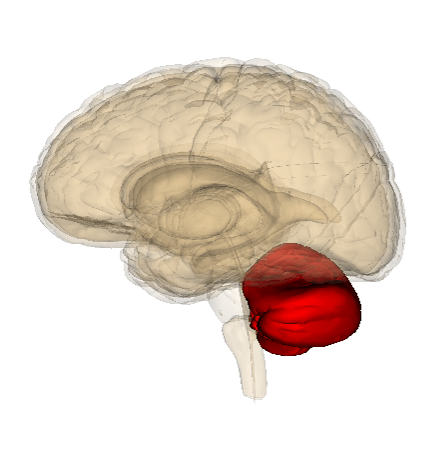
This part of the brain makes us unique and is our control information processing center?
Cerebellum
Corpus Collosum
Cerebrum
Hypothalamus
Very important in sustaining life.
medulla
cerebellum
hippocampus
frontal cortex

