
 Worksheets
LO3 Review
Total questions: 20
Worksheet time: 13mins
It allows the viewer to use both
eyes when viewing distant object
Binoculars
Magnifying Glass
Projector
Telescope
2. A camera forms an image in a sensitive film while an eye forms the image on the ___.
cornea
iris
lens
retina

Digital cameras don't use film to capture images, instead they use:
CCDs
USBs
HDDs
CD-ROMs
7. An optical device used to see very far or distant objects clearly is the ___.
camera
compound microscope
telescope
simple microscope
8. A compound microscope is an optical system. Which statement does NOT describe it?
It makes small objects look bigger.
It is used to magnify distant objects clearly.
It consists of two converging lens - an objective lens and an eyepiece.
It has an eyepiece that enlarges the image created by the objective lens.
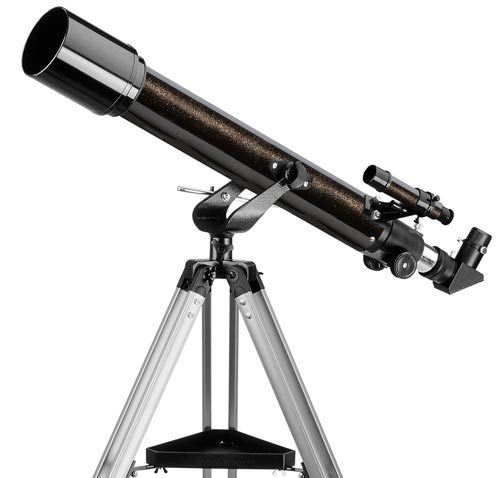
A refracting telescope uses _______ to focus light.
Lenses
Mirrors
Lasers
Water
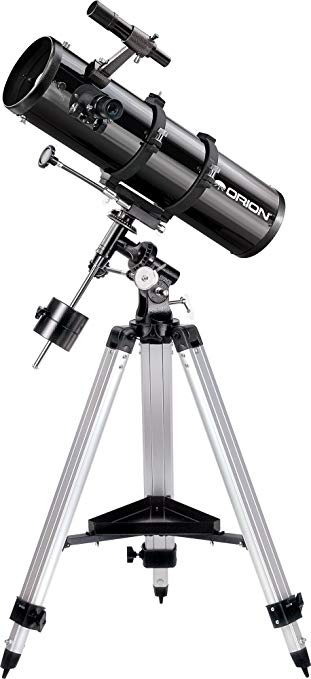
Reflecting telescopes use _______ to focus light.
Lenses
Flat mirrors
Curved Mirrors
A lens and lasers


The place where the optic nerve leaves the retina, where there are no light-sensitive cells is the ________________.
lens
cornea
blind spot
sclera
___________________ is a clear fluid in the front part of the eye, that helps the cornea keep its rounded shape.
cornea
aqueous humor
vitreous humor
retina
A hyperopic person might have trouble:
reading small print
seeing clearly in low light
making out faraway objects
seeing certain colors

If your vision problems can be corrected by a convex lens, you:
Having trouble seeing nearby objects
Having trouble seeing faraway objects
Having trouble telling whether objects are close up or far away
Having blind spots at the edges of your vision

