
 Worksheets
Soil and Weathering
Total questions: 30
Worksheet time: 15mins

What most likely caused this rock to become this shape?
landslide
ice
wind and sand
acid rain

What most likely caused changes in the rocks?
wind
chemicals in water
ice
roots
What is humus?
a spread made of chickpeas
remains of dead plants and animals
extra moisture in the air
a group of people

What caused this rock to split?
ice
roots
acid rain
wind
Which location would have the most humus?
parched land
shoreline
high peaks
woodlands

What most likely caused splits in the rocks?
freezing and thawing
wind
acid rain
tree roots
What earth material can be found in soil?
gravel
humus
silt
pebbles
all of the choices

What most likely caused this rock to be in this form?
wind and sand
acid rain
landslide
flash flood
Which weathered rock is the largest category of rock pieces; component of soil (the biggest rock piece in the vials)?
gravel
sand
pebbles
silt
Which weathered rocks are smaller than pebbles but bigger than sand; component of soil (the second biggest rock pieces in the vials)?
sand
silt
pebbles
gravel
Which weathered rocks are smaller than gravel, but bigger than silt; component of soil?
sand
gravel
silt
clay
Which weathered rock particles rocks are smaller than sand, but bigger than clay?
humus
pebbles
silt
gravel
What are the smallest category of rock pieces? A magnifying glass is needed to see them.
silt
pebbles
sand
clay
What is the process by which larger rocks crack and break apart over time to form smaller rocks?
slope
weathering
volcano
wind power
The process by which rocks are broken down by breaking and banging?
chemical weathering
particle
stream
physical weathering
The rubbing, grinding, and bumping of rocks that cause physical weathering.
abrasion
clay
decay
acid rain
What is a form of precipitation containing acid, which forms when carbon dioxide gas in the air dissolves in water droplets; a form of chemical weathering?
downpour
hail
acid rain
geothermal
What is the process by which the minerals in a rock can change due to chemicals in water and air? It can cause rocks to break apart.
chemical weathering
physical weathering
solar energy
eruption
Which is the best definition of weathering?
movement of earth materials
process of breaking down rocks and minerals near the Earth's surface
settling of rocks and minerals at the mouth of a river or stream
studying the daily weather of different environments
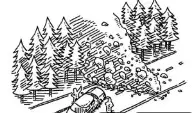
What do you think caused the rapid change shown in the picture?
hurricane
landslide
volcano
tornado
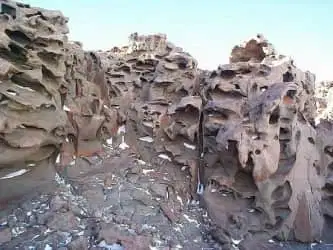
An example of ________________ is when acid rain interacts with certain rocks to create new materials.
physical weathering
chemical weathering
flash flood
wind erosion
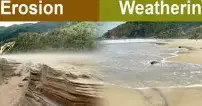
What is the difference of weathering and erosion of Earth materials?
weathering is the movement; erosion is the breaking down
weathering occurs from rainfall; erosion occurs because of the wind
weathering is the breaking down; erosion is the movement
There is no difference
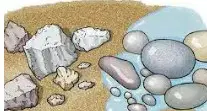
Rocks often collide and break into smaller pieces. This describes and an example of which process?
rapid change
erosion
deposition
weathering
a mix of humus, sand, silt, clay, gravel and/or pebble
earth materials
soil
abrasion
erosion
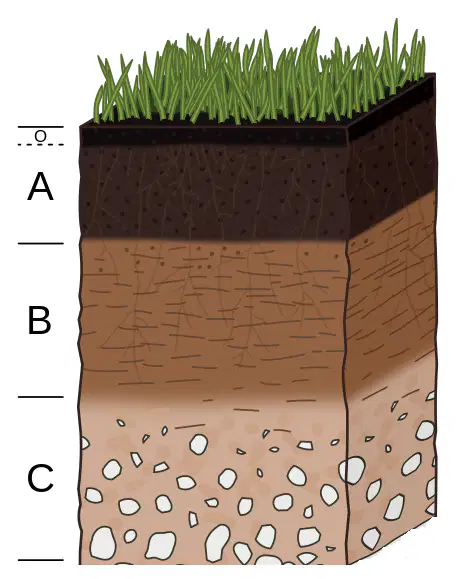
Which soil layer is represented by O?
humus
bedrock
topsoil
subsoil
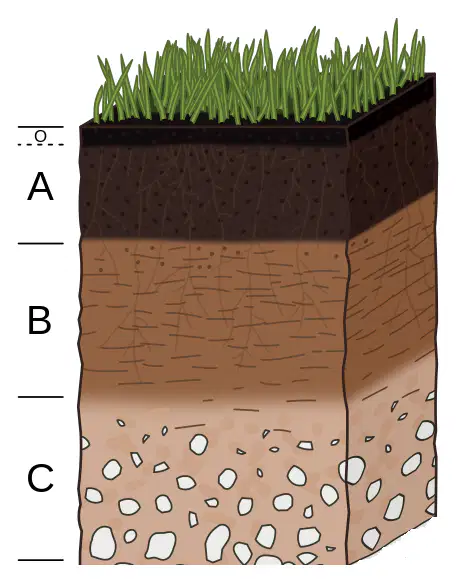
Which soil layer is represented by C?
topsoil
bedrock
humus
subsoil
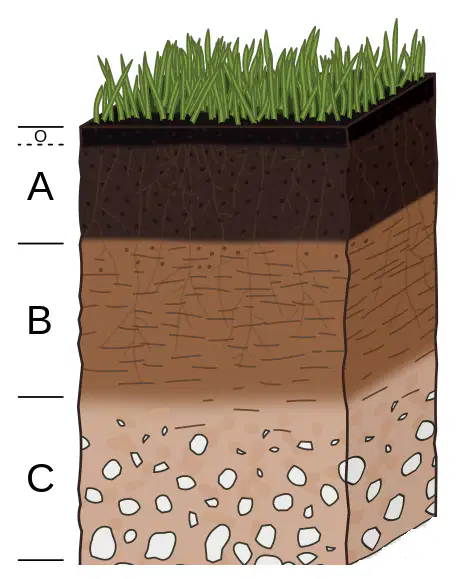
Which soil layer is represented by A?
subsoil
humus
topsoil
bedrock
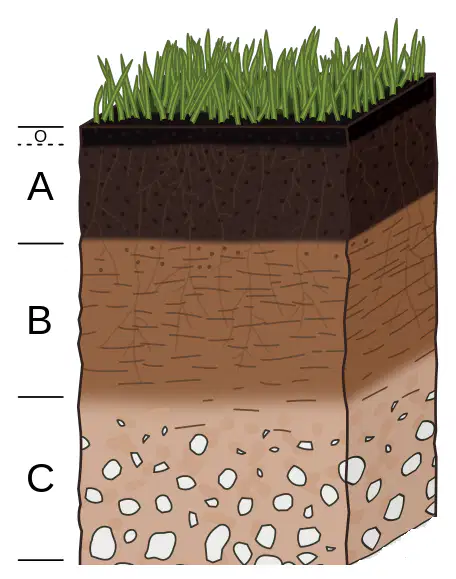
Which soil layer is represented by B?
bedrock
topsoil
humus
subsoil
Which is NOT a rapid cause of change in a landform?
landslide
erosion
avalanche
earthquake
Which is NOT a slow cause of change in a landform?
glacier
deposition
flash flood
freezing and thawing

