
Font size
 Worksheets
Plant adaptations
Total questions: 20
Worksheet time: 23mins

Helps the plant to anchor to the soil and get water and nutrients.
Leaves
Stems
Roots
Odd shapes

Many plants have bright, sweet smelling flowers. How would this adaptation help the plant?
It warns away predators
It attracts bees and other pollinators
It helps the plant store water
It gives the plant shade.

Plant parts that use sunlight to make food
Roots
Flowers
Seeds
Leaves
Plant parts that absorb water and nutrients
Leaves
Roots
Hair
Stem

An adaptation that helps a cactus live in the desert is its
wide, flat leaves to catch water
bright green color
thin, spiny needles
tall stems
Ways plants adapt to thrive in the habitats where they live, is called?
Plant adaptation
Tree adaptation
flower adaptation
Plants need sunlight, water, air and nutrients to survive
True
False
Biological fitness is the ability to:
Survive
Reproduce
Die
Learn

What is one possible reason for seeds to have hooks or barbs?
to stay warm during the winter
to protect themselves from sunlight
to get attached to passing animals and get carried away
to stick to animals and steal nutrients from them
Which of the following adaptations best explains how pine trees are able to prevent water loss or damage from freezing temperatures?
Pine trees have thick bark
Pine cones produce seeds.
Pine tree roots go deep underground.
Pine needles are thin and have a wax coating.
How do plants adapt to the following environmental conditions?Harsh seasonal conditions
Plants will need to decrease transpiration to limit their water loss.
Change the position of leaves to avoid exposing whole surfaces to the sun
Leaves are thick and waxy so extra water can form beads and fall down to the plant's roots
By losing their leaves, flowering, or breaking dormancy.
Which of these are adaptations of Desert plants
green stem to carry out photosynthesis
Fleshy stem to store water
big green leaves
leaves converted to spine or thorns
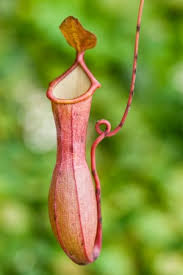
Identify the picture
sundew
Venus flytrap
pitcher plant
What are the functions of the roots? (Select two answers)
Absorbing Water and Minerals
Attracting Insects
Anchoring the Plant
Performing Photosynthesis
Making Nectar

What is the cell on the right of this image?
A xylem cell
A guard cell
A palisade cell
A root hair cell
What adaptations do roots have that help them absorb water and minerals?
They have a high surface area and lots of mitochondria
They are covered in water attracting chemicals
They have a low surface area with very few mitochondria
They have no chloroplasts
What does the Phloem transport?
Water and Minerals
Glucose
Blood
Chlorophyll

