Worksheets
EOC Review 1
Total questions: 22
Worksheet time: 11mins
In a representative democracy like the United States, the powers of government are
separated among three branches.
combined into one branch.
given to a small group of important people.
divided among the people.
Which political theory held that God created the state, and God had given those of "royal birth" the right to rule?
Force Theory
Evolutionary Theory
Divine Right Theory
Social Contract Theory
Which political theory argues that the state arose out of a voluntary act of free people and that the state exists only to serve the will of the people?
Force Theory
Evolutionary Theory
Divine Right Theory
Social Contract Theory
What does "Bicameral" mean?
1 house
2 houses
3 houses
4 houses
What does "Unicameral" mean?
1 house
2 houses
3 houses
4 houses
The Virginia Plan wanted representation based on _______.
population of each state.
number of state delegates.
one state, one vote
delegates appointed by the president.
The New Jersey Plan wanted representation based on _______.
population of each state.
number of state delegates.
one state, one vote
delegates appointed by the president.
_______ had the ability to tax citizens under the Articles of Confederation.
The Federal Government
The courts
State governments
The British
One of the biggest problems facing the US after the Revolution was...
George Washington's retirement
The huge amount of debt the country had
The British dragging their feet to sign the Treaty of Paris
The number of people still loyal to the king
What did Daniel Shays' and his men do?
Burned down government buildings all over Massachusetts
Took over courthouses by going in armed and refusing to leave
Paid Native Americans to raid the houses of the wealthy and powerful
Challenged the US military to a battle
Why didn't the Articles of Confederation stop the rebellion sooner?
They were afraid of the militia and didn't want to make it worse
The militia was too well trained and had the support for the French military
They didn't have a military or the authority to stop it
They didn't want it to end, they supported what Shays and is men were doing
What did Shays' rebellion reveal about the Articles of Confederation?
That it was too similar to the British system
That it was too weak to succeed
That it was strong and resilient
That it was a successful model of government
Why was the Declaration of Independence written?
to explain why the colonies were separating from Great Britain
the start the American Revolution
to offer a peace settlement to Great Britain.
to instruct how a county wins its freedom.
How do natural rights, as described in the Declaration of Independence, differ from other rights?
People are born with natural rights.
People can vote to choose natural rights
Natural rights are given only to citizens.
Natural rights come from the government.
A voluntary agreement among individuals to secure their rights and welfare by creating a government and abiding by its rules.
Capitalism
Democracy
Social Contract
Business Agreement
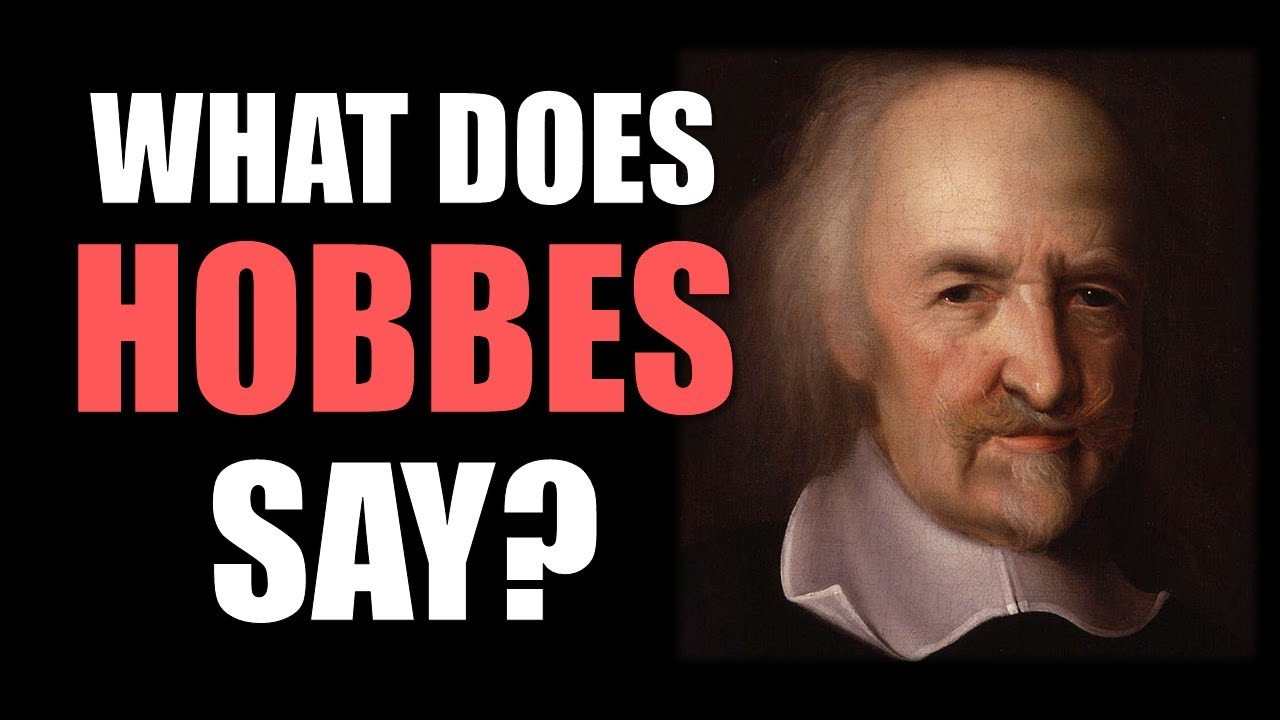
Hobbes thought that a _ would be the best form of unitary, absolute government.
republic
monarchy
democracy
oligrachy
According to John Locke, if the government didn't protect the people's natural rights, what could the people do?
Overthrow the government
Petition the government for their rights
Nothing, the people don't have rights
What role did the government have, according to John Locke?
Protect the people's natural rights
Take away people's natural rights
Help determine the people's natural rights