
 Worksheets
Intro to Cells and Cell Theory
Total questions: 22
Worksheet time: 11mins
Cells come from______.
other preexisting cells
cytoplasm
organelles
prokaryotes
The cell theory states that_________
cells come from cells
all organisms are made of cells
cells are the basic unit of structure and function for life
all of the above
_______ are the smallest units of life.
atoms
elements
cells
all of the above
________ is the scientist who saw small chambers when looking at cork, and named them “cells”.
Newton
Hooke
Carson
Manning
The cell theory is a result of the work of one very important scientist name Hooke.
True
False
A multicellular organism is made of
one cell
multiple cells
unicellular cells
there is no such thing as a "multicellular" organism
Regardless of type, all cells
have a cell membrane
have cytoplasm
Have DNA
all of the above
What type of cell lacks a nucleus?
eukaryotic
prokaryotic
human
animal
A cell in which the genetic material is enclosed within a nucleus is a
eukaryotic cell
prokaryotic cell
human cell
animal cell
Many celled organisms are called
unicellular
multicellular
bicellular
tricellular
Single celled organisms are called
unicellular
multicellular
bicellular
tricellular
Which of the following statements is part of the cell theory?
All living things are made up of one or more cells.
Cells are the basic units of living things.
All cells come from pre-existing cells.
All of these
"Small organs" of the cell that carry out specific functions
Organelles
Organs
Cell Wall
Cell
The protective layer around all cells, allows nutrients in and waste out is called the…
Cell Wall
Cell Membrane
Endoplasmic Reticulum
Ribosomes
These make proteins in the cell.
Ribosomes
Nucleus
Vacuole
Golgi Body
Gel-like material, where organelles are located
Cytoplasm
Nucleus
Vacuole
Mitochondria
Robert Hooke named the small compartments that made up the cork __________after the rooms monks lived in.
organelles
membranes
mocroscopes
cells
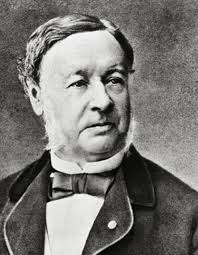

What was Schleiden convinced of?
All plants are made of cells
All animals are made of cells
All cells are prokaryotic
None of the above
Who discovered that all cells come from other living cells and had research that lead to the last major principle of cell theory?
Matthias Schleiden
Theodore Schwann
Robert Hooke
Rudolf Virchow

