
 Worksheets
Carbon Cycle
Total questions: 26
Worksheet time: 18mins
Which of the following are fossil fuels?
Coal, water, oil
Oxygen, coal, oil
Coal, Oil, Natural Gas
None of the above

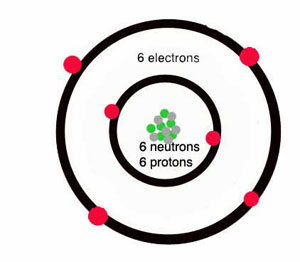
The circulation of the element Carbon among Earth's atmosphere, land, oceans, and organisms is called _____________.
the Carbon Cycle
the Oxygen Cycle
the Carbon dioxide Cycle
the Water Cycle
Plants use ____________ to make their own food
Water
Sunlight
Carbon dioxide
All of these
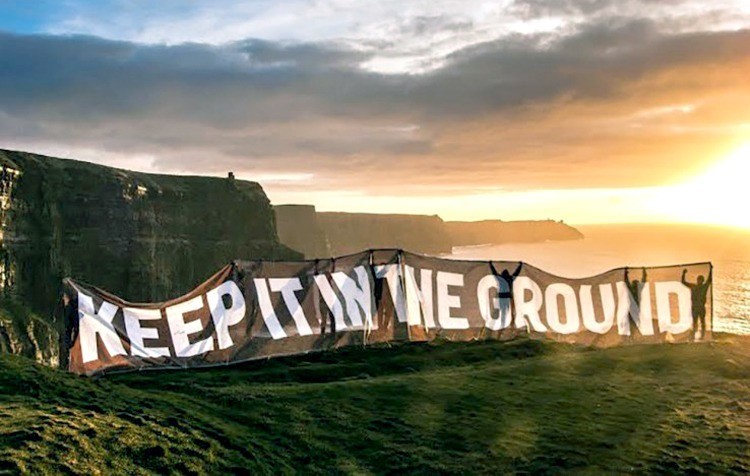
Over ________________ of years, once-living matter that remains in the ground can transform into fossil fuels.
millions
hundreds
thousands
a few handful
How does the human body return carbon to the atmosphere in the carbon cycle?
Waste products
Photosynthesis
Cellular respiration
Formation of glucose
Which of the following is an example of human impact on the carbon cycle?
The increased production of methane gases from cattle farms
The burning of fossil fuels
The cutting down of trees for lumber
Driving automobiles
All of the above
If a forest fire occurs, what will happen to the carbon in the forest?
It will go into the soil
It will go into the atmosphere
It will runoff into nearby streams and rivers
It will be destroyed
All of the carbon in existence is continually recycled in the carbon cycle.
How do animals get carbon?
By eating plants and or other animals.
They absorb it from the atmosphere.
From the ground
They do not get carbon from anywhere.
What are fossil fuels made from?
Plants and animals that are buried underground for millions of years.
They absorb it from the atmosphere.
Water
Wind

Which of the following have been linked to climate change?
droughts
flooding
melting of polar ice caps
all of the above

Which food source would contribute to climate change the least?
Corn
Eggs
Pork
Beef

Since the mid- 1800's, _____________ activity has significantly altered the carbon cycle.
animal
plant
unknown
human
Which organisms carry out photosynthesis?
producers
herbivores
carnivores
decomposers/detritivores
Which of the following process(es) remove carbon from the atmosphere?
photosynthesis
cellular respiration
evaporation
combustion
precipitation
Which of the following process(es) add carbon to the atmosphere?
photosynthesis
cellular respiration
evaporation
combustion
precipitation
Which of the following is a product of photosynthesis?
water / H2O
glucose (C6H12O6)
carbon dioxide (CO2)
energy

