wayground logo

Free Printable Worksheets

Font size

S
M
L
XL
Worksheets

EOY Day 2

Total questions: 210

Worksheet time: 3hrs 15mins

Name
Class
Date
1.
Who are the three scientists credited with creating the Cell Theory?
a)
Schlieden, Schwann, Virchow
b)
Schindler, Schmeil, Vanderhoot
c)
Schwimmer, Shanazzek, Van Halen
2.
The second part of Cell Theory states: "All living organisms are made up of cells."
a)
True
b)
False
c)
I don't know
d)
If you say so
3.
All cells come from___________ cells.
a)
pregnant
b)
pre-existing
c)
paternal
d)
pin size
4.
______________ are the basic unit of life.
a)
DNA
b)
RNA
c)
Cells
d)
Takis
5.
When observing cells, which of the following pieces of equipment is most appropriate?
a)
Hand lens
b)
Telescope
c)
Petri dish
d)
Microscope
6.
Why are microscopes important when studying most cells?
a)
Most cells are very large.
b)
Most cells are very small.  
c)
Most cells move very quickly.
d)
Most cells are dead.  
7.
Which of the following is NOT one of the basic points of Cell Theory?
a)
All living things are made of cells.
b)
The cell is the smallest living thing that can perform all the functions of life.
c)
Cells are too small to see without a microscope.  
d)
All cells must come from pre-existing cells.
8.
Which of the following is NOT one of the basic points of Cell Theory?
a)
All living things are made of cells.
b)
The cell is the smallest living thing that can perform all the functions of life.
c)
Cells are too small to see without a microscope.  
d)
All cells must come from pre-existing cells.
9.
The basic unit of life is called a (n)
a)
atom
b)
compound
c)
cell
d)
energy
10.
Rocks are not living because
a)
they never move
b)
they aren't needed for humans
c)
they are not made of cells
d)
they don't break down
11.
Which organelle is the control center of the cell?
a)
Nucleus
b)
Cell membrane
c)
Ribosome
d)
Vacuole
12.
Which organelle allows the cell to obtain items from outside the cell?
a)
Nuclear membrane
b)
Vacuole
c)
Cell Membrane
d)
Cell Wall
13.
Which organelle is the control center of the cell?
a)
Nucleus
b)
Cell membrane
c)
Ribosome
d)
Vacuole
14.
Which organelle allows the cell to obtain items from outside the cell?
a)
Nuclear membrane
b)
Vacuole
c)
Cell Membrane
d)
Cell Wall
15.
Which organelle gives a cell structure and support
a)
Cell membrane
b)
Cell wall
c)
Nucleus
d)
Endoplasmic Reticulum
16.
Which organelle is a gelatin substance that helps fill out the cell
a)
Chloroplast
b)
Lysosomes
c)
Mitochondria
d)
Cytoplasm
17.
Which organelle releases the energy stored inside food
a)
Chloroplast
b)
Mitochondria
c)
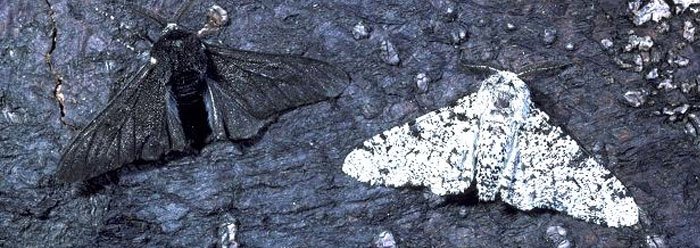
Lysosomes
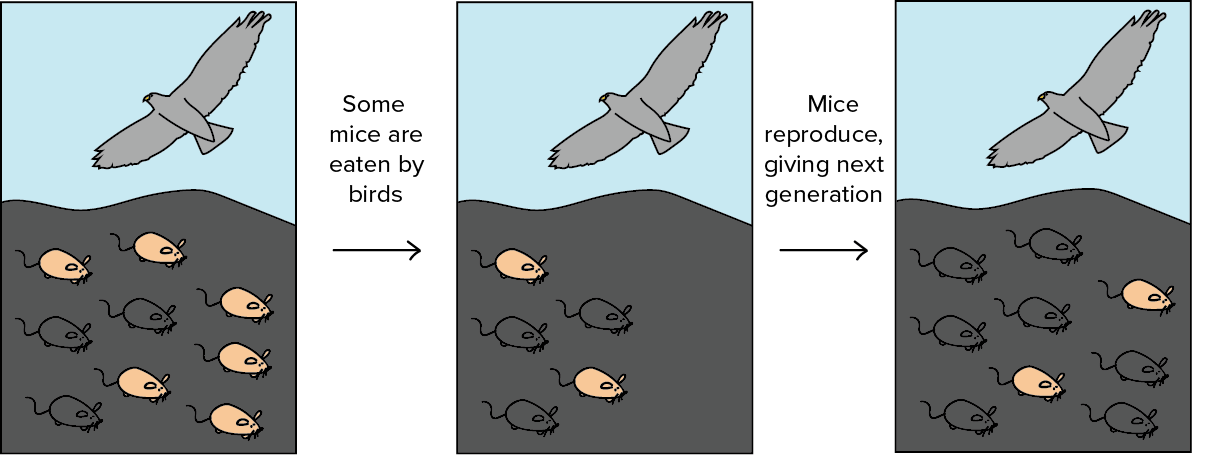
d)
Nucleus
18.
Which organelle helps cleanup the cell
a)
Lysosome
b)
Cytoplasm
c)
Chloroplast
d)
Nucleus
19.
Which organelle takes sunlight and turns it into food?
a)
Lysosome
b)
Cell membrane
c)
Chloroplast
d)
Mitochondria
20.

Which cell part is a specialized part of the cell with a specific job?

a)

Lysosome

b)

Organelle

c)

Chloroplast

d)

Cytoplasm

21.

Which statement is part of the cell theory?

a)

All cells come from existing cells

b)

All cells are prokaryotic or eukaryotic

c)

All cells can make a tissue

d)

All cells grow and develop

22.

Which statement is part of the cell theory?

a)

All cells can reproduce

b)

All organisms are either unicellular or multicellular

c)

All organisms are made of 1 or more cells

d)

All cells grow and develop

23.

Which statement is part of the cell theory?

a)

All cells react to stimulus

b)

The cell is the basic unit of all organisms

c)

The cell can be large or small

d)

The cell is either prokaryotic or eukaryotic
24.
A group of similar cells that come together to perform a specific function is a/an
a)
organ
b)
organism
c)
organ system
d)
tissue
25.
Which of the following is the correct order of organization in living things from most basic (simple) to most complex?
a)
a.  Organism, cell, tissue, organ, organ system
b)
a.  Organ system, organ, tissue, cell, organism
c)
a.  Cell, tissue, organ, organ system, organism
d)
a.  Cell, organ, tissue, organ, organism, organ system
26.
When a group of organs work together to perform a particular function they create a/an
a)
organ system
b)
organism
c)
tissue
d)
organ
27.
The smallest level of organization of life in an organism
a)
tissue
b)
cell
c)
organ
d)
organ system
28.
The cell is the building block of all living things.
a)
True
b)
False
29.
A group of organs that work together to perform big jobs for your body is an organ system.
a)
True
b)
False
30.
Which is an example of an organism?
a)
a beetle
b)
a lake
c)
a rock
d)
a shell
31.
The basic unit of structure and function in the human body is the....
a)
organ
b)
organ system
c)
cell
d)
tissue
32.
What is the difference between a cell and a tissue?
a)
cell is basic unit of life; tissue is group of cells that work as one
b)
cell is group of tissues; tissue is basic unit of life
c)
cell is basic unit of life; tissue is groups of different cells
d)
cell is group of organs; tissue is group of different cells
33.
Tissue that works together to perform a function
a)
organ
b)
cell
c)
organ system
d)
organism
34.
A group of cells that work together
a)
organ system
b)
organism
c)
organ
d)
tissue
35.
The heart contains different types of tissue. What level is the heart?
a)
cell
b)
organ system
c)
organ
d)
tissue
36.
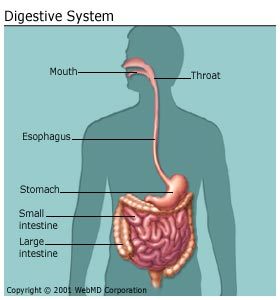
The digestive system includes the stomach. What level is the stomach?
a)
organ
b)
tissue
c)
cell
d)
organism
37.
This is a example of........ 
a)
organ system
b)
cells
c)
organ
d)
tissue
38.

Budding is a process in which a new individual is formed that is a clone of the parent. This type of reproduction is _____.

a)

Sexual

b)

Sporulation

c)

Asexual

d)

Binary Fission

e)

Fragmentation

39.

Which best describes one disadvantage of asexual reproduction?

a)

It increases biodiversity

b)

It decreases biodiversity

c)

It decreases population size

d)

It increases combination of traits

e)

It produces diverse offspring

40.

What would be a possible disadvantage of asexual reproduction.

a)

Ability to reproduce in the absence of a mate

b)

Results in low genetic variation of the species

c)

Allows for more genetic variation in the offspring

d)

Takes less time to produce offspring

e)

Ability to reproduce rapidly

41.

Sexual Reproduction _____

a)

results in genetic variation in the offspring

b)

produces offspring that are identical to the parent

c)

decreases the chances of survival of the species

d)

results in genetic material being donated to offspring by only one parent

e)

produces uniform offspring

42.

In sexual reproduction how many genes does an offspring receive for each trait?

a)

1

b)

2

c)

3

d)

4

e)

5

43.

Which is an example of sexual reproduction?

a)

An egg cell joining a sperm cell in fertilization.

b)

A hydra formed by budding

c)

An amoeba formed by binary fission

d)

A starfish formed by fragmentation

e)

A mushroom formed from a spore

44.

What advantage would a plant have when it reproduces using vegetative propagation?

a)

The plant can adapt easily to environmental changes.

b)

The plant will produce plants with genetic variability

c)

The plant will produce plants well adapted to its environment

d)

The plant will develop genetic diversity due to its parents DNA.

e)

The plant will be able to reproduce quickly.

45.

A plant produces a new plant using a runner. What type of reproduction is shown?

a)

Asexual

b)

Regeneration

c)

Sexual

d)

Sporulation

e)

Fragmentation

46.

Which of the following statements is incorrect?

a)

Cell Division reproduce by binary fission and is sexual

b)

Mushroom formed by spores and is asexual

c)

Dog formed by internal fertilization and is sexual

d)

Frog formed by external fertilization and is sexual

e)

Hydra formed by budding and is asexual

47.

Which is not related to asexual reproduction

a)

only requires 1 parent

b)

Genetically identical to the parent/uniform offspring

c)

less variation or biodiversity

d)

easily adapts to changes in the environment

e)

fast population growth and requires less energy and time

48.

Which is not related to sexual reproduction

a)

requires 2 parent

b)

Offspring not genetically identical but similar to the parent/diverse offspring

c)

less variation and less biodiversity

d)

easily adapts to changes in the environment

e)

slow population growth and requires more energy and time

49.

Which of the following information is incorrect for sexual reproduction?

a)

Requires two cells from different parents

b)

creates genetically uniform offspring

c)

Offspring have a better chance for survival

d)

Offspring have increased resistance to disease

e)

Creates more variation and biodiversity

50.

Which of the following scenarios of reproduction is most likely to form diverse offspring?

a)

a female cat's body collects sperm cells from multiple mates and uses the cells all at once to generate a litter.

b)

a bacteria cell replicates exponentially in a nutrient rich environment to generate a large colony.

c)

a scientist cuts a branch of a tree and applies a root growth hormone to cause the branch to grow into a mature tree.

d)

an individual hydra produces a bud which breaks off the animal to form a new adult.

51.

Which of the following scenarios of reproduction is most likely to form uniform offspring?

a)

Pollen from one flower pollinates an egg of another flower to produce seeds.

b)

a female fish lays unfertilized eggs in a river, and the male arrives later to fertilize the eggs.

c)

Spores are formed from two cells, each from individual fungi organisms.

d)

an amoeba splits during binary fission into two separate cells.

52.

Which body system converts food into simpler substances for the body to absorb as nutrients?

a)

Digestive system

b)

Excretory system

c)

Circulatory system

d)

Muscular system

53.

Which body system is responsible for exchange of oxygen and carbon dioxide between the body and the atmosphere?

a)

Nervous system

b)

Excretory system

c)

Circulatory system

d)

Respiratory system

54.

Which of the following body systems protects the body from the external environment?

a)

Integumentary system

b)

Reproductive system

c)

Nervous system

d)

Endocrine system

55.

The main function of which of these body systems is to create the movement a swimmer needs to swim across a swimming pool?

a)

Digestive system

b)

Excretory system

c)

Circulatory system

d)

Muscular system

56.

The main function of the skeletal system is to -

a)

pump oxygen and nutrients through the blood to every part of the body.

b)

exchange gases, mainly carbon dioxide and oxygen, between the atmosphere and the blood

c)

support and protect organs such as the brain, lungs, and heart, and for muscle attachment

d)

send signals in the form of hormones to the body to control growth, reproduction, and metabolism

57.

The main function of the circulatory system is to -

a)

support and protect delicate organs such as the brain, lungs, and hear

b)

protect the body against invading organisms and infectious diseases

c)

pump oxygen and nutrients through the blood to every part of the body

d)

coordinate all actions and reactions of the body using electrical signals

58.

The main function of the nervous system is to -

a)

convert food into simpler substances for the body to absorb as nutrients.

b)

synthesize vitamin D for use throughout the body.

c)

pump oxygen and nutrients through the blood to every part of the body.

d)

coordinate all actions and reactions of the body using electrical signals

59.

This System circulates blood through the body, supplies oxygen and nutrients, and removes waste.

a)

Circulatory System

b)

Muscular System

c)

Edocrine System

d)

Excretory System

60.

Bones are part of the skeletal system and the job of the bones is to -

a)

fight diseases

b)

support the body

c)

send messages

d)

break down nutrients

61.

Which two body systems would work together to quickly move a hand away from a flame?

a)

nervous and muscular

b)

respiratory and skeletal

c)

digestive and nervous

d)

muscular and circulatory

62.

The passing of genetic material from parents to offspring.

a)

heredity

b)

gene

c)

allele

d)

genotype

e)

phenotype

63.

Segments of DNA (Deoxyribonucleic acid) found in chromosomes that give instructions for producing a certain characteristic.

a)

heredity

b)

gene

c)

allele

d)

genotype

e)

phenotype

64.

Different versions of a gene.

a)

heredity

b)

gene

c)

allele

d)

genotype

e)

phenotype

65.

The combination of alleles that you inherited from your parents. This is what you genes look like, the letters. ex. HhGg

a)

heredity

b)

gene

c)

allele

d)

genotype

e)

phenotype

66.

The observable traits. This is what you physically look like, or what gene is expressed. ex. Round Yellow

a)

heredity

b)

gene

c)

allele

d)

genotype

e)

phenotype

67.

What is the function of the nucleus?

a)

Makes proteins for the cell

b)

Produces energy for the cell

c)

Control center of the cell

d)

Regulates what enters and exits the cell

68.

Identify the structure in the illustrations

a)

Eukaryotic Cell

b)

Nucleus

c)

Chromosome

d)

DNA

e)

Gene

69.

Identify the structure in the illustrations

a)

Eukaryotic Cell

b)

Nucleus

c)

Chromosome

d)

DNA

e)

Gene

70.

Identify the structure in the illustrations

a)

Eukaryotic Cell

b)

Nucleus

c)

Chromosome

d)

DNA

e)

Gene

71.

Identify blue section in the structure in the illustration

a)

Eukaryotic Cell

b)

Nucleus

c)

Chromosome

d)

DNA

e)

Gene

72.

Identify the structure in the illustration

a)

Eukaryotic Cell

b)

Nucleus

c)

Chromosome

d)

DNA

e)

Gene

73.

Contains a nucleus and membrane bound organelles.

a)

Eukaryotic Cell

b)

Nucleus

c)

Chromosome

d)

DNA

e)

Gene

74.

Structures that are made up of DNA (genetic material) and proteins. (Strands or X’s)

a)

Eukaryotic Cell

b)

Nucleus

c)

Chromosome

d)

DNA

e)

Gene

75.

A macromolecule made that contains genetic information in segments called genes.

a)

Eukaryotic Cell

b)

Nucleus

c)

Chromosome

d)

DNA

e)

Gene

76.

a segment of DNA (genetic material) considered the unit of heredity and determines the traits of an organism.

a)

Eukaryotic Cell

b)

Nucleus

c)

Chromosome

d)

DNA

e)

Gene

77.

Contains the Genetic material (chromosomes) of the cell and or organism

a)

Eukaryotic Cell

b)

Nucleus

c)

Chromosome

d)

DNA

e)

Gene

78.

Carbon dioxide is returned to the atmosphere primarily by the

a)

eruption of volcanoes.

b)

respiration of consumers.

c)

fallout from solar flares.

d)

process of photosynthesis.

79.

Organisms that use energy from the sun to make their own food are called

a)

carnivores.

b)

consumers.

c)

omnivores.

d)

producers.

80.

________ are responsible for recycling matter back into the food web once an organism has died.

a)

Carnivores

b)

Decomposers

c)

Omnivores

d)

Producers

81.

Plant cells make their own food by taking in

a)

oxygen and water.

b)

oxygen and hydrogen.

c)

carbon dioxide and water.

d)

carbon dioxide and oxygen.

82.

Plants provide energy to animals for their life processes by

a)

providing carbon dioxide.

b)

serving as a food source.

c)

receiving energy from the sun.

d)

providing shelter from weather.

83.

What process describes how plants use air, water, and energy from the Sun to make their own food?

a)

condensation

b)

evaporation

c)

photosynthesis

d)

weathering

84.

What do plants make by using air, water, and energy from the Sun?

a)

food

b)

heat

c)

soil

d)

wind

85.
Which organisms perform Photosynthesis?
a)
Only Autotrophs
b)
Only Heterotrophs
c)
Autotrophs and Heterotrophs
86.
What is photosynthesis?
a)
The process in which humans eat their food
b)
When a photographer takes a photo.
c)
To get your pictures from the photo lab.
d)
The process in which plants make their food.
87.
Which of the following is the correct equation for PHOTOSYNTHESIS?
a)
CO+ light + H2O --> O+ Sugar
b)
CO+ sugar + H2O --> O+ light
c)
O2 + light + H2O --> CO+ Sugar
d)
CO+ O2 + H2O --> Light+ Sugar
88.
What is the pigment in chloroplasts that performs photosynthesis?
a)
Chlorosynthesis
b)
Chlorophyll
c)
ADP
d)
Electron Transport
89.
What is a tropism
a)
A stimulus that affects plants. 
b)
The way a plant responds to a stimulus. 
c)
The way a plant grows.
d)
The way a plant dies. 
90.
We have discussed two different types of tropisms. What are they?
a)
Photo-tropisms and gravitropisms
b)
Reproductive-tropisms and gravitropisms
c)
Fungi-tropisms and phototropisms
d)
Proto-tropisms and fundgitropisms
91.
If a plant experiences a phototropism, then it will do what?
a)
Grow toward or away from light. 
b)
Grow away from light. 
c)
Grow toward light.
d)
Grow in response to gravity. 
92.
If a plant experiences a phototropism, then it will do what?
a)
Grow toward or away from light. 
b)
Grow away from light. 
c)
Grow toward light.
d)
Grow in response to gravity. 
93.
If a plant experiences a gravitropism, then it will do what?
a)
Grow toward or away from light. 
b)
Grow away from light. 
c)
Grow toward light.
d)
Grow in response to gravity. 
94.
What does it mean if a plant has a POSITIVE phototropism?
a)
That the plant grows toward light.
b)
That the plant grows away from light.
c)
That the plant grows toward gravity.
d)
That the plant grows away from gravity. 
95.
What does it mean if a plant has a POSITIVE gravitropism?
a)
That the plant grows toward light.
b)
That the plant grows away from light.
c)
That the plant grows toward gravity.
d)
That the plant grows away from gravity. 
96.
What does it mean if a plant has a NEGATIVE gravitropism?
a)
That the plant grows toward light.
b)
That the plant grows away from light.
c)
That the plant grows toward gravity.
d)
That the plant grows away from gravity. 
97.
What does it mean if a plant has a NEGATIVE phototropism?
a)
That the plant grows toward light.
b)
That the plant grows away from light.
c)
That the plant grows toward gravity.
d)
That the plant grows away from gravity. 
98.

What energy conversions take place when you vigorously rub your hands together?

a)

friction => heat

b)

chemical => thermal

c)

mechanical => thermal

d)

kinetic => chemical

99.

Which of the following is the correct chain of energy that takes place when a flashlight is turned on?

a)

chemical => electrical => light

b)

mechanical => electrical => light

c)

nuclear => chemical => light

d)

thermal => chemical => mechanical

100.

What type of energy is food energy stored in your muscles?

a)

mechanical

b)

nuclear

c)

thermal

d)

chemical

101.

Which type of energy propels a baseball after it has been struck by a bat?

a)

chemical

b)

thermal

c)

mechanical

d)

nuclear

102.

What is the correct energy chain from the sun to grass to cow?

a)

light and thermal => chemical => chemical

b)

light => heat => mechanical => chemical

c)

light => thermal => mechanical

d)

nuclear => chemical => potential

103.

The sun gives of large amounts of light and ___________ energies?

a)

nuclear

b)

mechanical

c)

chemical

d)

thermal

104.

Which of the following examples provides evidence of a PHYSICAL change?

a)

Wood is burned and releases ash and smoke

b)

Iron rusts over time

c)

When mixed, baking soda and vinegar form gas bubbles

d)

Boiling water bubbles when heated

105.

A student mixes yellow powder with water. Which observation would prove a CHEMICAL change occurred?

a)

The powder DISSOLVED in the water

b)

The water turned the COLOR yellow

c)

The bag's TEMPERATURE changed

d)

The STATE OF MATTER changed

106.

Which of the following options provides evidence of a CHEMICAL change?

a)

Wood is burned releasing ash and smoke

b)

Rocks separate when soil is sifted

c)

Boiling water bubbles when heated

d)

Salt dissolves in water

107.

A white tablet is dropped into water. The water becomes cloudy and bubbles are produced. What type of change has occurred?

a)

Physical change

b)

Chemical change

c)

No change

108.

Water is boiling on a stove, producing steam. What conclusion can you make about the change that is occurring?

a)

Boiling water bubbles indicate a chemical change

b)

Steam indicates a state of matter change

c)

Heat indicates a chemical change

d)

The clear color indicates a chemical change

109.

Which observations prove a chemical change occurred

a)

Dissolving and expected color change

b)

Mixing and dissolving

c)

State of matter change and boiling water bubbles

d)

Unexpected color change and temperature change

110.

Which word matches the definition "two liquids make a solid"

a)

pre-color

b)

precipitation

c)

precipitate

d)

pretest

111.

Which of the following is true?

a)

A physical change produces a new substance

b)

A chemical change does not produce a new substance

c)

A physical change can produce a precipitate

d)

A chemical change can produce a precipitate

112.

When iron is exposed to air over a long period of time, it forms rust. This is an example of what?

a)

A new substance forming

b)

Color change: no new substance

c)

Shape change: no new substance

d)

Burning: a new substance

113.
What is another word that can be used to describe "homeostasis"?
a)
STABLE
b)
EQUAL
c)
COMPLETE
d)
CORRECT
114.
The maintenance of an organism’s internal environment is called:
a)
compensating
b)
homeostasis
c)
balancing
d)
routine
115.
The "cause" for something to happen is the
a)
response
b)
effect
c)
stimulus
d)
homeostasis
116.

The "effect" or reaction to a stimulus is the

a)

stimulus

b)

response

c)

stable

d)

change

117.

If the body is infected with bacteria or viruses, the most common response is...

a)

fever

b)

vomiting

c)

shivering

d)

sweating

118.

Which of the following is a stimulus that might result in vomiting?

a)

A cut in the skin

b)

Low energy

c)

Hot temperature

d)

Eating spoiled food

119.

Which of the following is an external stimulus?

a)

Bacterial infection

b)

Hunger

c)

Temperature of environment

d)

Thirst

120.

Which of the following is an internal stimulus?

a)

Presence of food

b)

Being hungry (lack of nutrients)

c)

Predator nearby

d)

Hot temperature

121.

What is the most likely response to a hot temperature environment?

a)

Shivering

b)

Goosebumps

c)

Sweating

d)

Fever

122.
If the environment gets cold, we will often shiver in order to:
a)
keep body temperature the same as the external temperature
b)
decrease body temperature
c)
increase body temperature
d)
regulate blood pressure
123.
a)
Producer
b)
Primary Consumer
c)
Autotroph
d)
Decomposer
124.
a)
Producer
b)
Primary Consumer
c)
Secondary Consumer
d)
Decomposer
125.
a)
Producer
b)
Primary Consumer
c)
Secondary Consumer
d)
Decomposer
126.
Which of the following is NOT a heterotroph?
a)
grass
b)
fungus
c)
shark
d)
sea urchin
127.
What percentage of energy is passed on to each trophic level?
a)
10%
b)
50%
c)
90%
d)
100%
128.
What percentage of energy is passed on to each trophic level?
a)
10%
b)
50%
c)
90%
d)
100%
129.
The arrows in a food chain or web represent ...
a)
They point to the organism that is being eaten.
b)
It shows how sunlight flows within an ecosystem.
c)
They show the direction the energy is flowing between organisms. 
d)
They represent how water is transferred within a habitat.
130.
The owl and weasel compete for which organism?
a)
Hawk
b)
Spider
c)
Grasshopper
d)
Shrew
131.
An animal that is hunted and eaten for food is the  __________.
a)
predator
b)
prey
c)
population
132.

Why is some energy not passed on to the next trophic level?

a)

The organisms at each level use about 90% of the available energy to live.

b)

The statement is NOT true. All energy IS passed from one trophic level to the next.

c)

The organisms at each level use about 10% of the available energy to live.

d)

Most energy is absorbed by the soil instead.

133.
Does this food web have arrows pointing the right way?
a)
Yes
b)
No
134.
The diagram represents a pyramid of energy in an ecosystem.  Which level would most likely contain organisms that can photosynthesize?
a)
A
b)
B
c)
C
d)
D
135.
Which organism(s) in the food web above can be described as quaternary consumers?
a)

owl, mosquito and small bird

b)
mouse only
c)

mouse and owl

d)
owl only 
136.
Which organisms would likely have the largest biomass?
a)
mountain lions and eagles
b)
snakes and frogs
c)
squirrels and deer
d)
flowers, trees and fruit
137.
a treeless biome that has permafrost
a)
Tundra
b)
Desert
c)
Taiga
d)
Deciduous
138.
the trees in this biome are characterized by needle-like leaves that are called conifers
a)
Desert
b)
Taiga
c)
Tundra
d)
Grasslands
139.
this cold biome has tall trees that photosynthesize all year round
a)
Tundra
b)
Tropical Rainforest
c)
Taiga
d)
Deciduous
140.
Plants in this biome are adapted to poor soil, extreme temperatures and less than 25 centimeters of rainfall per year.
a)
Tundra
b)
Taiga
c)
Desert
d)
Grasslands
141.
this biome has rich, fertile soil and much of the crop production in the U.S. is from this biome
a)
Grasslands
b)
Tundra
c)
Desert
d)
Tropical Rainforest
142.
this biome has the largest diversity (largest number of different kinds) of plant and animal species
a)
Desert
b)
Tundra
c)
Deciduous Forest
d)
Tropical Rainforest
143.
lichens, mosses, grasses, and other low-growing plants are common vegetation in this biome due to the permafrost, low rainfall, and very cold temperatures
a)
Desert
b)
Taiga
c)
Tundra
d)
Grasslands
144.
cacti are the main plant associated with this biome
a)
Desert
b)
Tundra
c)
Taiga
d)
Grasslands
145.
This biome's soil can be described as permafrost
a)
Taiga
b)
Tundra
146.
This biome gets the highest percentage of rain yearly
a)
Taiga
b)
Temperate Deciduous Forest
c)
Tropical Rainforest
d)
Grasslands
147.
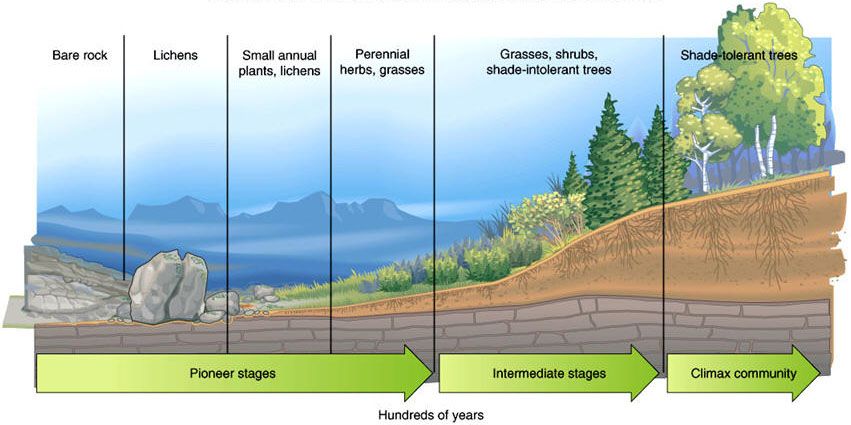
The picture shows what type of succession?
a)
primary
b)
secondary
c)
tertiary
d)
quadanary
148.
What is the name given to lichen or algae after a primary succession?
a)
pioneer species
b)
volunteer species
c)
founder species
d)
conqueror species
149.
What are examples of pioneer species in a primary succession?
a)
Bushes and Shrubs
b)
Oak trees
c)
Mossess and Lichens 
d)
A rose Bush
150.
Final illustration (#8) shows
a)
pioneer species
b)
climax community
c)
only biotic factors
d)
only abiotic factors
151.
Succession type?
a)
primary succession
b)
secondary succession
c)
tertiary succession
d)
variable succession
152.
Succession that occurs in an area with NO SOIL
a)
ecological succession 
b)
primary succession 
c)
secondary succession
d)
pioneer speciles
153.

What is the main difference between primary and secondary succession?

a)

primary begins with soil formation and secondary starts with soil intact

b)

primary is the first stage and secondary is the second stage

c)

primary builds plant communities and secondary builds animal communities

d)

primary occurs after natural disasters and secondary occurs after disturbances to the ecosystem

154.
Tornadoes can negatively affect an ecosystem when
a)
the saltwater they bring kills off burrowing insects
b)
their strong winds uproot many of the important plants
c)
the rise in water level they produce introduces harmful salt
d)
they bring higher temperatures favored by birds
155.
Which of the following is the most likely effect on flooding on an ecosystem?
a)
Increase in organisms that reproduce in fresh water
b)
More rapid growth of grasses and shrubs
c)
Fish that feed on plants will have to compete more
d)
Nutrients will increase in deeper layers of the soil
156.
Where are hurricanes most likely to do the most damage?
a)
Near the coast
b)
In the forest
c)
In a desert
d)
On the North Pole
157.

How would this hurricane affect a terrestrial (land) habitat in Jacksonville Mississippi?

a)

High winds blowing houses away

b)

Salt water Fish species will loose their Homes

c)

Flooding will cause ground dwelling animals to loose their home

d)

Sea Birds will no longer have nesting habitat
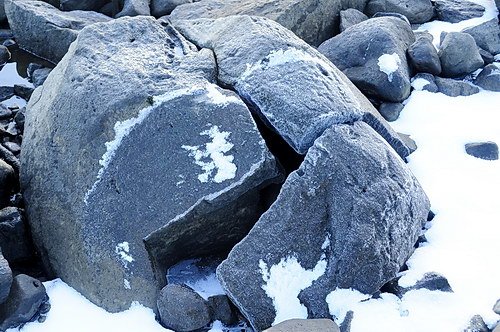
158.

How does freezing water cause the weathering of rocks? The freezing water—

a)

keeps the rocks in place.

b)

makes the rocks last longer.

c)

expands cracks and breaks rocks.

d)

causes rocks to fall in landslides.

159.

The process that breaks down rocks and other materials on Earth's surface is called

a)

Weathering

b)

Erosion

c)

Deposition

d)

Decomposition

160.

A cliff formed near the ocean. Which statement best describes how this cliff formed?

a)

Warm air melted the rock.

b)

Sun rays evaporated the rock.

c)

Ocean waves washed away rock.

d)

Plant roots pushed away the rock.

161.
What is the process that picks up and moves weathered rocks?
a)
Deposition
b)
Landslide
c)
Weathering
d)
Erosion
162.

How do plants weather rocks?

a)

During photosynthesis

b)

When roots grow into cracks of rocks and expand the rock breaks.

c)

When the plant moves water from the roots to the leaves, the rock breaks.

d)

Plants don't weather rocks.

163.

_____ is the process by which soil and sediment (weathered rock) are transported (moved) from one place to another by water, wind, glaciers, and gravity

a)

Erosion

b)

Deposition

c)

Weathering

d)

Running Water

164.

This is an example of _____________________________.

a)

physical weathering

b)

chemical weathering

165.

_____________________ changes the identity of rocks and it involves a chemical reaction or change.

a)

Physical weathering

b)

Chemical weathering

c)

Deposition

166.

__________________ is a process that weathers rock without a chemical reaction or change.

a)

Physical weathering

b)

Chemical weathering

c)

Deposition

167.

The rocks in this stream have gradually worn down from the water and particles in the water rubbing on them over time (abrasion). What kind of weathering is this?

a)

chemical weathering

b)

physical weathering

168.

Statue of Liberty has changed colors over time because oxygen has caused the surface of the copper it is made of to change into a new chemical (just like copper pennies turn green). What kind of weathering is this?

a)

chemical weathering

b)

physical weathering

169.

This freezing water is expanding, causing the crack in the rock to widen (frost action). What kind of weathering is this?

a)

chemical weathering

b)

physical weathering

170.

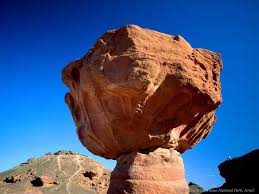
Does this show signs of physical or chemical weathering?

a)

Physical Weathering

b)

Chemical Weathering

171.

Does this show signs of physical or chemical weathering?

a)

Physical Weathering

b)

Chemical Weathering

172.

Natural Selection is driven by a change in the environment and survival of the

a)

Smartest

b)

Fastest

c)

Most well adapted

d)

Biggest

173.
Where the better adapted organisms survive to pass traits along to offspring.
a)
Evolution
b)
Natural Selection
c)
Extinction
d)
Artifical Selection
174.
The theory of evolution by natural selection means that what is changing over time?
a)
The inherited traits of a population.
b)
The acquired traits of a population.
c)
Hair color and eye color
d)
Attractive features.
175.
Why are advantageous traits more likely to be passed onto offspring?
a)
Because they are more likely to survive and reproduce.
b)
Because they come from dominant alleles.
c)
Because they come from recessive alleles.
d)
Because the trait is an acquired phenotype.
176.

Mutations are a change in what?

a)

DNA

b)

phenotype

c)

genotype

177.
When every organism of a species has died.
a)
Evolution
b)
Natural Selection
c)
Extinction
d)
Artificial Selection
178.

What word describes a trait that helps an organism survive in its environment?

a)

natural selection

b)

mutation

c)

camouflage

d)

adaptation

179.
The trees these moths used to live on were white, but have been covered in soot from coal factories. Which moth will be more successful in this environment?
a)
Dark moth
b)
Light moth
c)
Both will be equally successful
d)
Neither will be successful
180.
Why is the mouse population changing over time?
a)
The light mice can reproduce more successfully than the dark mice
b)
The hawks eat more dark mice than light mice because the dark mice taste better
c)
The hawks eat more light mice than dark mice because they can see the light mice more easily
d)
The hawks eat more dark mice than light mice because they can see the dark mice more easily
181.
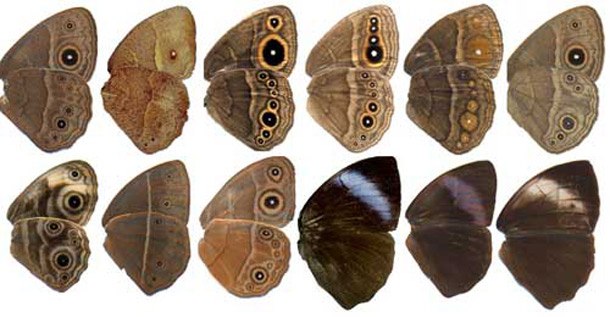
These moths are all the same species. The differences between their wings is an example of ________________
a)
Natural Selection
b)
Variation
c)
Homeostasis
d)
Extinction
182.

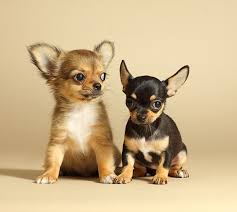
Dogs evolved from wolves as an example of....

a)

Selective Breeding

b)

Natural Selection

c)

Mutations

d)

Extinction

183.
What is the advantage of having different shaped beaks?
a)
To look different from other species.
b)
To be able to eat the food readily available in the environment.
c)
To protect itself against predators.
d)
To protect itself against prey.
184.
If an organism can't adapt fast enough, this might happen.
a)
hibernate
b)
stay the same
c)
live longer
d)
become extinct
185.
The English naturalist that developed the theory of how evolution works.
a)
Charles Darwin
b)
Charles M. Schulz
c)
Charles Dickens
d)
Charles Norris
186.

What is it called when humans decide which traits of an organism are the most desirable and only allow those organisms with the specific, desired traits to breed.

a)

biological evolution

b)

evolution by natural selection

c)

selective breeding

d)

inbreeding

187.
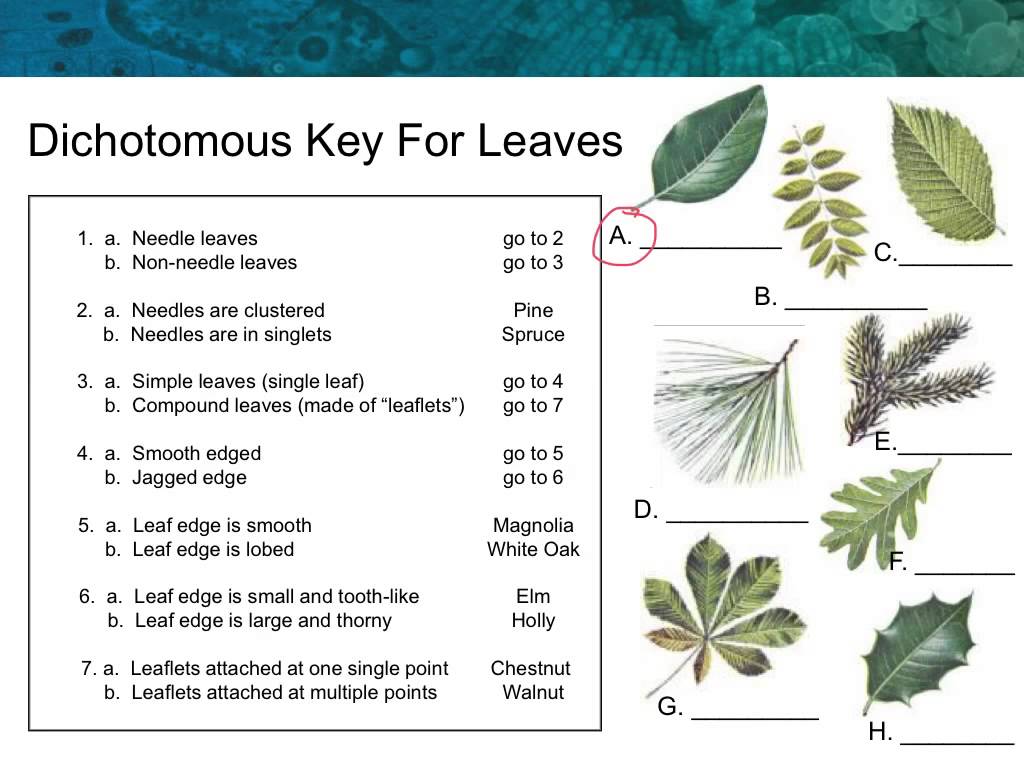
A dichotomous key for trees is provided. Hikers found a tree that has large brown cones and single sharp needles. What species of tree have the hikers found?
a)
Juniper
b)
Pine
c)
Spruce
d)
Fir
188.
Which of the following characteristics will most likely be helpful in identifying a butterfly using a dichotomous key?
a)
Migrates north every spring
b)
hangs on branches
c)
flutters wings fast on hot days
d)
Wings have long extensions
189.
A dichotomous key for insects is given. To what order does an insect with two pairs of scaly wings belong?
a)
Coleoptera
b)
Heteroptera
c)
Diptera
d)
Lepidoptera
190.
A dichotomous key for insects is given. To what order does an insect with two pairs of scaly wings belong?
a)
Coleoptera
b)
Heteroptera
c)
Diptera
d)
Lepidoptera
191.
A student discovers an arachnid with a segmented abdomen, long legs, and a tail with no stinger. The student uses the dichotomous key below to identify it. Which arachnid has the student found?
a)
Whip Scorpion
b)
Wind Scorpion
c)
Daddy long legs
d)
Scorpion
192.
An illustration and a dichotomous key are given. What is the correct classification for this organism?
a)
Class Insecta
b)
Order Amblygygi
c)
Order Araneae
d)
Order Scorpiones
193.
A labeled diagram of a fiddler crab is provided. Which of the following is an accurate observation of the structures of a fiddler crab? Fiddler crabs have -
a)
five pairs of walking legs on each side.
b)
an enlarged propodus on both front legs.
c)
a pair of eyes on stalks at the top of the body.
d)
two pairs or chelipeds for a total of four.
194.
A table of arachnid and insect characteristics is shown. Which characteristic could be used to distinguish between
arachnids and insects?
a)
Jointed legs
b)
Body segments
c)
Presence of eyes
d)
Presence of antennae
195.
What step do we always start with when using dichotomous keys?
a)
1
b)
2
c)
3
d)
4
196.
When using a dichotomous key to identify organisms, what do we look at?
a)
physical features
b)
weather patterns
c)
environment
d)
diet
197.
What is a dichotomous key used for in science?
a)
To organize biomes
b)
Classify organisms
c)
Identify bacteria only
d)
None of these
198.
Using this dichotomous key, identify the name of the circled Fish, J.
a)
peacock flounder
b)
band-tail puffer
c)
trumpet fish
d)
spotted goat fish
199.
A student discovers an arachnid with a segmented abdomen, long legs, and a tail with no stinger. The student uses the dichotomous key below to identify it. Which arachnid has the student found?
a)
Whip Scorpion
b)
Wind Scorpion
c)
Daddy long legs
d)
Scorpion
200.
Tool used by a taxonomist to identify an unknown organism is a:
a)
dichotomous key
b)
binomial nmenclature
c)
scientific name
d)
binomial key
201.

What is the function (job) of fish gills?

a)

To absorb water from the water

b)

To make the fish faster

c)

To make the fish lighter

d)

To absorb oxygen from the water

202.

What adaptation most likely helps this bird fly?

a)

A strong beak

b)

Small feet

c)

Hollow bones

d)

The color of the bird

203.

Why do hollow bones help birds during flight?

a)

Hollow bones make the birds weigh less

b)

Hollow bones are full of heavy blood

c)

Hollow bones store water

d)

Hollow bones are made of feathers

204.

Xylem is a plant adaptation that allows plants to transport ______________ up the stem.

a)

Salt

b)

Sugar

c)

Water

d)

Coffee

205.

Birds migrate during the winter to less cold areas. What type of adaptation is this?

a)

Behavioral

b)

Physiological

206.

Some plants such as beets, onions and tulips have physical adaptations that allows them to store energy for the next season. What are these types of roots called?

a)

Dubs

b)

Bulbs

c)

Xylem

d)

Phloem

207.

If a fishes gills are small, what might this say about the oxygen in the water?

a)

The water has no oxygen

b)

The water must have a high concentration of oxygen.

c)

The water must have a low concentration of oxygen

d)

The water is clear and cold

208.

Define Adaptation.

a)

How an organism has NOT changed and continues to live in an environment

b)

All animals can live in any environment

c)

Special features or behaviors that allow an animal to survive in an environment.

d)

How an organism grows over time

209.

Hibernation is a ____________________ adaptation that allows animals to survive at times where food is not available.

a)

physical

b)

behavioral

210.

This stick insect is using ________________ to blend in to it's environment.

a)

air

b)

terra

c)

camouflage

d)

synthesis