wayground logo

Free Printable Worksheets

Font size

S
M
L
XL
Worksheets

Seasons/Moon Review

Total questions: 208

Worksheet time: 6hrs 47mins

Name
Class
Date
1.

Blanca wants to show her class the importance of the tilt of Earth in seasonal changes.

She drew four diagrams on the board. Which diagram correctly shows when it is winter at

Point X?

a)

A

b)

B

c)

C

d)

D

2.

In which diagram does Point X show a place in the Northern Hemisphere that is

experiencing summer?

a)

b)

c)

d)

3.

The diagram shows the position of Earth when it is summer at Point 1, and winter at

Point 2. Which is the BEST explanation for the difference in seasons between Point 1 and Point

2?

a)

Point 2 is farther from the Sun than Point 1.

b)

Point 2 receives less direct sunlight than Point 1.

c)

Oceans cool the air faster at Point 2 than Point 1.

d)

The atmosphere is thinner at Point 2 than at Point 1.

4.

A diagram of Earth orbiting the Sun is shown.

In which position of Earth does the Northern Hemisphere receive the greatest amount of

solar energy?

a)

1

b)

2

c)

3

d)

4

5.
Which change in seasons occurs in the Northern Hemisphere at position D?
a)
Winter is ending and spring is beginning.
b)
Spring is ending and summer is beginning.
c)
Summer is ending and fall is beginning.
d)
Fall is ending and winter is beginning.
6.

Which of the following best describes the tilt of the earth during the spring and fall equinoxes?

a)

The earth is tilted away from the sun (Northern hemisphere)

b)

The earth is tilted neither toward or away from the sun (tilt is side to side)

c)

The earth is tilted toward the sun (Northern hemisphere)

d)

The earth is not tilted during spring and fall

7.

Use the diagram to find where winter is on the northern and southern hemisphere?

a)

AD

b)

AG

c)

EG

d)

EC

8.

What letters show you Summer for the northern and southern hemisphere?

a)

AG

b)

BH

c)

CE

d)

DF

9.

What season is represented in the northern hemisphere?

a)

Fall

b)

Winter

c)

Spring

d)

Summer

10.

What season is represented in the southern hemisphere?

a)

Summer

b)

Winter

c)

Fall

d)

Spring

11.

What season will come next in the norther hemisphere?

a)

Summer

b)

Winter

c)

Spring

d)

Fall

12.

What season will it be in the southern hemisphere in 6 months?

a)

Summer

b)

Spring

c)

Fall

d)

Winter

13.

Which hemisphere will experience shorter days and longer nights?

a)

Northern

b)

Southern

14.

What will the south pole have in this diagram?

a)

50% daylight and night

b)

100% night

c)

100% daylight

15.

What season is it at point A on the diagram?

a)

Spring

b)

Summer

c)

Fall

d)

Winter

16.

What season is it at point B on the diagram?

a)

Spring

b)

Summer

c)

Fall

d)

Winter

17.

What season is it at point C on the diagram?

a)

Spring

b)

Summer

c)

Fall

d)

Winter

18.

What season is it at point D on the diagram?

a)

Spring

b)

Summer

c)

Fall

d)

Winter

19.

What season is it at point E on the diagram?

a)

Spring

b)

Summer

c)

Fall

d)

Winter

20.

What season is it at point F on the diagram?

a)

Spring

b)

Summer

c)

Fall

d)

Winter

21.

What season is it at point G on the diagram?

a)

Spring

b)

Summer

c)

Fall

d)

Winter

22.

What season is it at point H on the diagram?

a)

Spring

b)

Summer

c)

Fall

d)

Winter

23.
In winter, the axis of the earth is pointed away or toward the sun?
a)
towards
b)
up
c)
down
d)
away
24.
In summer, the axis of the earth is pointed away or toward the sun?
a)
towards
b)
up
c)
down
d)
away
25.
Which season is taking place in the Northern Hemisphere in Position 1?
a)
Winter
b)
Spring
c)
Summer
d)
Fall
26.
Which season is taking place in the Northern Hemisphere in Position 3?
a)
Winter
b)
Spring
c)
Summer
d)
Fall
27.
If its ____ in the Northern hemisphere, then its summer in the Southern hemisphere. 
a)
spring
b)
summer
c)
fall
d)
winter
28.
What are the reasons for the season?
a)
Earth's tilt & rotation
b)
Earth's tilt & revolution
c)
Earth's rotation & size
d)
Earth's tilt & resolution
29.

What is the difference between rotation and revolution?

a)

Rotation is the spin of the Earth. Revolution is the orbit of the Earth around the sun.

b)

Revolution is the spin of the Earth. Rotation is the orbit of the Earth around the sun.

c)

Rotation is the spin of the Earth. Revolution is how Earth orvits around other planets.

30.

What season does the Northern hemisphere experince when the Southern hemisphere is receiving direct sunlight?

a)

Spring

b)

Summer

c)

Winter

d)

Fall

31.

What season is it in Position A in the Northern Hemisphere?

a)

Spring

b)

Summer

c)

Fall

d)

Winter

32.

Does each hemisphere experience the same season at the same time?

a)

Yes; they are all part of Earth and so therefore are the same distance from the sun

b)

Yes; its just that the southern hemisphere's seasons are less extreme

c)

No; each hemisphere is not tilted towards/away the sun at the same time

d)

No; the sun doesn't have enough energy to be able to heat up the entire planet to the same temperature year round

33.

Match the following

a)

1 Revolution for Earth

1.

365 days

b)

1 Rotation for Earth

2.

24 hours

c)

1 Season for Earth

3.

3 months

34.

The event pictured at number 4, in the northern hemisphere, is the

a)

summer solstice

b)

winter solstice

c)

autumnal equinox

d)

vernal equinox

35.

The events labeled 1 and 3 are called

a)

solstices

b)

equinoxes

36.

Where would the Sun need to be in this diagram to cause these phases of the moon?

a)

At the Bottom

b)

At the Left

c)

At the Top

d)

At The Right

37.

What would the moon look like 15 days after this one?

a)

Full Moon

b)

New Moon

c)

Waning Crescent

d)

Waxing Crescent

38.

The image shows how the moon looks during the lunar cycle. The moon will look this way again in about -

a)

one week

b)

one month

c)

one year

d)

one century

39.

About how long does it take for the moon to go from new moon to full moon?

a)

1 day

b)

7 days

c)

14 days

d)

1 month

40.

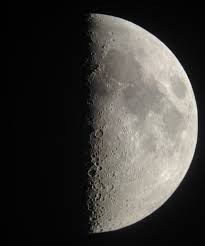
What phase of the moon is shown in the picture?

a)

first quarter

b)

new moon

c)

full moon

d)

last quarter

41.

First Quarter

a)
b)
c)
d)
42.
If the last full moon was on April 4th, when can you expect to see the next full moon? 
a)
April 29th
b)
July 4th
c)
May 4th
d)
September 12th
43.

What moon phase should be between the two shown?

a)

new moon

b)

full moon

c)

first quarter

d)

last quarter

44.

What moon phase will occur about 1 week after a full moon?

a)

Waxing Crescent

b)

Waning Crescent

c)

First Quarter

d)

Third Quarter

45.

Which location would a 1st quarter moon be visible?

a)

2

b)

3

c)

5

d)

7

46.

Sequence the Moon's WANING phases in order, beginning with the full moon​ phase.​​ (a)   ​ (b)   ​ (c)   ​ (d)   ​ (e)  

Choose from the below words
full moon
waning gibbous
3rd quarter
waning crescent
new moon
47.

Sequence the Moon's WAXING phases in order, beginning with the New Moon phase.​ ​ (a)   ​ (b)   ​ (c)   ​ (d)   ​ ​ (e)  

Choose from the below words
new moon
waxing crescent
first quarter
waxing gibbous
full moon
48.

Which moon phase is pictured?

a)

waxing gibbous

b)

waxing crescent

c)

waning gibbous

d)

waning crescent

49.

Which moon phase is pictured?

a)

full moon

b)

third quarter

c)

waxing gibbous

d)

waning crescent

50.

Which moon phase comes after a full moon? (see picture)

a)

waxing gibbous

b)

waning gibbous

c)

first quarter

d)

last quarter

51.

Which moon phase comes before a new moon? (see picture)

a)

waning crescent

b)

waxing crescent

c)

third quarter

d)

first quarter

52.

Which moon phase is about 7.5 days after a new moon? (see image)

a)

First quarter

b)

waxing crescent

c)

waxing gibbous

d)

new moon

53.
Name the moon phase
a)
waning crescent
b)
waxing crescent
c)
waning gibbous
d)
waxing gibbous
54.
Name the moon phase
a)
waning crescent
b)
waxing crescent
c)
waning gibbous
d)
waxing gibbous
55.
Name the moon phase
a)
waning crescent
b)
waxing crescent
c)
waning gibbous
d)
waxing gibbous
56.
Name the moon phase
a)
waning crescent
b)
waxing crescent
c)
waning gibbous
d)
waxing gibbous
57.
Name the moon phase
a)
waning crescent
b)
waxing crescent
c)
waning gibbous
d)
waxing gibbous
58.
Name the moon phase
a)
First Quarter
b)
Last Quarter
c)
New Moon
d)
Full Moon
59.
Name the moon phase
a)
First Quarter
b)
Last Quarter
c)
New Moon
d)
Full Moon
60.
Name the moon phase
a)
First Quarter
b)
Last Quarter or (third quarter)
c)
New Moon
d)
Full Moon
61.
Name the moon phase
a)
First Quarter
b)
Last Quarter
c)
New Moon
d)
Full Moon
62.
If the current moon phase is at position 2, where would it be in two weeks?
a)
full moon
b)
waning gibbous
c)
third quarter
d)
back to position 2
63.
What moon phase is shown in position 8
a)
waxing crescent
b)
waxing gibbous
c)
waning gibbous
d)
waning crescent
64.
What moon phase is shown at position #3?
a)
Last Quarter
b)
Full Moon
c)
New Moon
d)
First Quarter
65.
Which phase of the moon is represented in this diagram?
a)
new moon
b)
first quarter
c)
full moon
d)
last quarter/third quarter
66.

What moon phase is shown at position #6?

a)

Last Quarter

b)

Waxing Crescent

c)

New Moon

d)

First Quarter

e)

Waning Gibbous

67.

What is the Name of Phase #1?

a)

New Moon

b)

Waxing Crescent

c)

Full Moon

d)

First Quarter

68.

What is the Name of Phase #2?

a)

Waxing Gibbous

b)

New Moon

c)

Waxing Crescent

d)

Waning Crescent

69.

What is the Name of Phase #3?

a)

3rd Quarter

b)

1st Quarter

c)

New Moon

d)

Full Moon

70.

What is the Name of Phase #4?

a)

Waxing Gibbous

b)

Waning Gibbous

c)

Waxing Crescent

d)

Waning Crescent

71.

What is the Name of Phase #5?

a)

3rd Quarter

b)

1st Quarter

c)

New Moon

d)

Full Moon

72.

What is the Name of Phase #6

a)

Waning Gibbous

b)

Waxing Gibbous

c)

Waxing Crescent

d)

Waning Crescent

73.

What is the Name of Phase #7?

a)

1st Quarter

b)

Full Moon

c)

3rd Quarter

d)

New Moon

74.

What is the Name of Phase #8?

a)

Waning Gibbous

b)

Waxing Gibbous

c)

Waning Crescent

d)

Waxing Crescent

75.

Waxing means...

a)

getting larger

b)

getting smaller

76.

Waning means...

a)

Getting bigger

b)

Getting smaller

77.

Reorder the following starting with the phase where you see none of the moon.

a)

new moon

b)

waxing crescent

c)

first quarter

d)

waxing gibbous

e)

full moon

1)
2)
3)
4)
5)
78.

Reorder the following starting with the phase where you see all the lighted side of the moon.

a)

full moon

b)

waning gibbous

c)

third quarter

d)

waning crescent

e)

new moon

1)
2)
3)
4)
5)
79.

Match the following

a)
1.

new moon

b)
2.

full moon

c)
3.

first quarter

d)
4.

waxing crescent

e)
5.

Waning crescent

80.

Which moon phase is this?

a)

new moon

b)

full moon

c)

third quarter

d)

first quarter

81.

Which moon phase is this?

a)

waxing crescent

b)

waning crescent

c)

waxing gibbous

d)

waning gibbous

82.
What phase of the moon would be visible when the moon is at position 3? 
a)
new moon
b)
first quarter
c)
full moon
d)
third quarter
83.
What moon phase would be seen from Earth when the moon is at position 5? 
a)
new moon
b)
first quarter
c)
full moon
d)
third quarter
84.
What phase of the moon would be visible when the moon is at position 1? 
a)
new moon
b)
first quarter
c)
full moon
d)
third quarter
85.
What phase comes AFTER this one?
a)
Waning Crescent
b)
Waning Gibbous
c)
Waxing Crescent
d)
Third Quarter
86.
What Moon phase is this?
a)
Waning Crescent
b)
Waxing Crescent
c)
Waxing Gibbous
d)
Waning Gibbous
87.
What Moon phase is this?
a)
Waxing Gibbous
b)
Waning Crescent
c)
Waning Gibbous
d)
Full Moon
88.
What Moon phase is this?
a)
Waxing Crescent
b)
Waning Gibbous
c)
Waning Crescent
d)
Waxing Gibbous
89.

Mark the section of the picture showing a new moon.

90.

Mark the section of the picture showing a full moon.

91.

Mark the section of the picture showing a 1st quarter moon.

92.

Mark the section of the picture showing a 3rd quarter moon.

93.

Mark the section of the picture showing a waxing crescent moon.

94.

Mark the section of the picture showing a waxing gibbous moon.

95.

Mark the section of the picture showing a waning gibbous moon.

96.

Mark the section of the picture showing a waning crescent moon.

97.

Mark all sections of the picture where the moon would be in its waxing stage.

98.

Mark all sections of the picture where the moon would be in its waning stage.

99.
What Moon phase is this?
a)
Full Moon
b)
Waxing Gibbous
c)
New Moon
d)
Half Moon
100.

When the moon passes into the shadow that is being cast by the Earth, a

(a)   occurs.

Choose from the below words
lunar eclipse
solar eclipse
partial eclipse
new moon
high tide
lunar month
101.

Which term is used to describe the phase of the moon in which the visible surface of the moon is completely illuminated?  

a)

new moon

b)

full moon

c)

waning crescent

d)

waxing gibbous

102.

Which term is used to describe the period of time in which the illuminated portion of the visible surface of the moon is decreasing?   

a)

eclipse

b)

waxing

c)

waning

d)

tides

103.

Which moon phase occurs when exactly half of the visible surface of the moon is illuminated by the sun?  

a)

quarter moon

b)

new moon

c)

full moon

d)

crescent moon

104.

Which moon phase occurs immediately after the first quarter moon?  

a)

waxing crescent

b)

waxing gibbous

c)

waning crescent

d)

waning gibbous

105.

What moon phase is shown here?

a)

crescent moon

b)

full moon

c)

gibbous moon

d)

quarter moon

106.

What moon phase is shown here?

a)

quarter moon

b)

crescent moon

c)

gibbous moon

d)

new moon

107.

When the moon passes into the shadow that is being cast by the Earth, a

(a)   occurs.

Choose from the below words
lunar eclipse
solar eclipse
partial eclipse
new moon
high tide
lunar month
108.

When the Moon passes directly in front of the Sun from your position on Earth, a ​ (a)   happens.

Choose from the below words
solar eclipse
lunar eclipse
new moon
full moon
low tide
partial eclipse
109.

During a total lunar eclipse, a ​ (a)   can occur due to the bending of the Sun's light in the Earth's atmosphere.

Choose from the below words
blood moon
red moon
mars moon
bad moon
blue moon
110.

A lunar eclipse can only happen during which moon phase?

a)

new moon

b)

full moon

c)

first quarter

d)

third quarter

111.
If these three bodies are lined up with each other, what would this diagram represent?
a)
full moon
b)
new moon
c)
lunar eclipse
d)
solar eclipse
112.
A solar eclipse occurs when:
a)
The earth blocks sunlight from reaching the moon.
b)
The moon blocks sunlight from reaching the earth.
c)
The sun blocks sunlight from reaching the earth.
d)
The sun doesn't come out during the day. 
113.
What is the correct alignment during a solar eclipse?
a)
sun, earth, moon
b)
earth, sun, moon
c)
sun, moon, earth
d)
moon, earth, sun
114.
During what moon phase does a solar eclipse occur?
a)
full moon
b)
first quarter moon
c)
third quarter moon
d)
new moon
115.
Which of the following is not true about a total solar eclipse?
a)
It can be viewed once a year from every spot on earth
b)
It is dangerous to look at without the proper device
c)
When it happens, the moon blocks all of the sun except the corona
d)
You must be within the moon's umbra to see it
116.
a)
solar eclipse
b)
lunar eclipse
117.
What is the order during a lunar eclipse
a)
sun, moon, earth
b)
sun, earth, moon
118.
A lunar eclipse only happens during a ________ moon.
a)
New
b)
Cresent
c)
Gibbous
d)
Full
119.
A solar eclipse only happens during a ________ moon.
a)
New
b)
Cresent
c)
Gibbous
d)
Full
120.
The moon is growing/getting bigger and light is on the right.
a)
Waxing
b)
Waning
121.
The moon is shrinking/getting smaller and light is on the left.
a)
Waxing
b)
Waning
122.
If there is a full moon on March 2, when would you expect the Third Quarter?
a)
March 5
b)
March 9
c)
March 16
d)
March 23
123.
If a New Moon occurred on April 1st, when would the moon be at position seven?
a)
in one week
b)
in two weeks
c)
in three weeks
d)
in four weeks
124.
If today was a full moon, what would be the moon phase in one week?
a)
New Moon
b)
First Quarter
c)
Third Quarter
d)
Full Moon
125.
If the current moon phase is at position 2, where would it be in two weeks?
a)
full moon
b)
waning gibbous
c)
third quarter
d)
back to position 2
126.
Approximately how much time passes between the new moon and full moon?
a)
one month
b)
two weeks
c)
3 days
d)
24 hours�
127.
If we are in a full moon phase right now, what phase can we expect to be in a week from now?
a)
Waxing Crescent
b)
3rd Quarter
c)
New Moon
d)
Waning Crescent 
128.
What moon phase is shown in position 8
a)
waxing crescent
b)
waxing gibbous
c)
waning gibbous
d)
waning crescent
129.
What moon phase is shown at position #3?
a)
Last Quarter
b)
Full Moon
c)
New Moon
d)
First Quarter
130.
Name the moon phase
a)
waning crescent
b)
waxing crescent
c)
waning gibbous
d)
waxing gibbous
131.
Name the moon phase
a)
waning crescent
b)
waxing crescent
c)
waning gibbous
d)
waxing gibbous
132.
Name the moon phase
a)
waning crescent
b)
waxing crescent
c)
waning gibbous
d)
waxing gibbous
133.
Name the moon phase
a)
waning crescent
b)
waxing crescent
c)
waning gibbous
d)
waxing gibbous
134.
Name the moon phase
a)
waning crescent
b)
waxing crescent
c)
waning gibbous
d)
waxing gibbous
135.
Name the moon phase
a)
First Quarter
b)
Last Quarter
c)
New Moon
d)
Full Moon
136.
Name the moon phase
a)
First Quarter
b)
Last Quarter
c)
New Moon
d)
Full Moon
137.
Name the moon phase
a)
First Quarter
b)
Last Quarter or (third quarter)
c)
New Moon
d)
Full Moon
138.
Name the moon phase
a)
First Quarter
b)
Last Quarter
c)
New Moon
d)
Full Moon
139.
How much of the moon is always lit?
a)
can't tell
b)
always changes
c)
half
d)
3/4
140.
What moon phase came right BEFORE this one?
a)
First Quarter
b)
Last Quarter
c)
New Moon
d)
Full Moon
141.
As the moon's shape appears to get smaller, we say that the moon is _.
a)
swelling
b)
waxing
c)
waning
d)
disappearing
142.
Phases of the moon in which the moon appears to be getting larger are referred to as _.
a)
waxing
b)
waning
c)
new
d)
eclipse
143.
The cycle of the moon lasts about a _.
a)
day
b)
year
c)
week
d)
month
144.
Which phase of the moon is represented in this diagram?
a)
new moon
b)
first quarter
c)
full moon
d)
last quarter/third quarter
145.

New Moon

a)
b)
c)
d)
146.

Full Moon

a)
b)
c)
d)
147.

Waning Gibbous

a)
b)
c)
d)
148.

First Quarter

a)
b)
c)
d)
149.

Last Quarter

a)
b)
c)
d)
150.

Waxing Gibbous

a)
b)
c)
d)
151.

Waxing Crescent

a)
b)
c)
d)
152.

Waning Crescent

a)
b)
c)
d)
153.

What phase comes next

a)
b)
c)
154.

What phase comes before

a)
b)
c)
155.

What phase comes after

a)
b)
c)
156.

What phase comes before

a)
b)
c)
157.

What phase comes after

a)
b)
c)
158.

What phase comes before

a)
b)
c)
159.

Reorder the following starting with the phase where you see none of the moon.

a)

new moon

b)

waxing crescent

c)

first quarter

d)

waxing gibbous

e)

full moon

1)
2)
3)
4)
5)
160.

Reorder the following starting with the phase where you see all the lighted side of the moon.

a)

full moon

b)

waning gibbous

c)

third quarter

d)

waning crescent

e)

new moon

1)
2)
3)
4)
5)
161.

Match the following

a)
1.

new moon

b)
2.

full moon

c)
3.

first quarter

d)
4.

waxing crescent

e)
5.

Waning crescent

162.
What is illuminating the Moon?
a)
Nuclear Fusion
b)
Sunlight
c)
Mirrors
d)
Flood Lights
163.

If we are experiencing a new moon on March 6 what will the moon look like on 15?

a)
b)
c)
d)
164.

If we are experiencing a new moon on March 6 what will the moon look like on 15?

a)
b)
c)
d)
165.

What should the moon look like on the 5 of March?

a)
b)
c)
d)
166.

What moon would you expect to see on March 23rd?

a)
b)
c)
d)
167.

What moon would you expect to see on March 18th?

a)
b)
c)
d)
168.
Which moon phases are "crescents"?
a)
1 and 5
b)
2 and 8
c)
4 and 6
d)
3 and 7
169.

What comes directly after this moon phase?

a)

First Quarter

b)

waning gibbious

c)

New Moon

d)

Full Moon

170.

It's Full Moon today how long does it take to have another Full Moon?

a)

30 days

b)

1 year

c)

18 weeks

d)

1 hour

171.
What moon phase came right BEFORE this one?
a)
First Quarter
b)
Last Quarter
c)
New Moon
d)
Full Moon
172.

What is the missing lunar phase?

a)

Third Quarter

b)

Waxing Crescent

c)

New Moon

d)

Waning Gibbous

173.

Use the calendar to predict the moon phase on March 9th.

a)

New Moon

b)

Full Moon

c)

Third Quarter

d)

First Quarter

174.

Use the calendar to predict the moon phase on March 26th.

a)

Waxing Crescent

b)

Waning Crescent

c)

Waning Gibbous

d)

Waxing Gibbous

175.

Use the calendar to predict the moon phase on March 30th.

a)

New Moon

b)

Full Moon

c)

Third Quarter

d)

First Quarter

176.
Name the phase of the moon for letter a
a)
First Quarter
b)
Last Quarter
c)
Waxing Gibbous
d)
Waning Gibbous
177.
Name the phase of the moon for letter f
a)
Waning Gibbous
b)
Waxing Gibbous
c)
Waning Crescent
d)
Waxing Crescent
178.
If the last full moon was on April 4th, when can you expect to see the next full moon? 
a)
April 29th
b)
July 4th
c)
May 4th
d)
September 12th
179.

If the new moon is on January 4th, what day will the third quarter moon be in the sky?

a)

January 11th

b)

January 15th

c)

January 25th

d)

January 29th

180.
Which moon phases are "gibbous"?
a)
1 and 5
b)
2 and 8
c)
4 and 6
d)
3 and 7
181.

If today is a full moon, how many days ago did we observe a first quarter moon?

a)

7 days

b)

14 days

c)

21 days

d)

28 days

182.

If today is a full moon, which phase would we have observed two days ago?

a)

waxing gibbous

b)

waning gibbous

c)

waxing crescent

d)

waning crescent

183.

If today is the 10th and we observe a third quarter moon, on what date would we observe the next new moon?

a)

the 24th

b)

the 17th

c)

the 3rd

d)

the 31st

184.

How many days after the first quarter moon would you observe the next new moon?

a)

7 days

b)

14 days

c)

21 days

d)

28 days

185.

Which lunar phase would you expect to see 12 days after this phase?

a)

waning gibbous

b)

third quarter

c)

waning crescent

d)

new moon

186.

Which lunar phase would you observe 4 days after this phase?

a)

waxing gibbous

b)

waning gibbous

c)

waning crescent

d)

new moon

187.

If you observe a full moon on the 19th, which lunar phase would you observe on the 22nd?

a)

waxing gibbous

b)

waning gibbous

c)

third quarter

d)

waxing crescent

188.

If today is the 1st and we view a New Moon, on what date will we observe a Full Moon?

a)

8th

b)

15th

c)

22nd

d)

29th

189.
Which lunar phase will complete the pattern?
a)
Last quarter
b)
New moon
c)
Full moon
d)
Waxing gibbous
190.
How much time passes between Position "a" and Position "g"
a)

One Day

b)

One Week

c)

Two Weeks

d)

One Month

191.
If there was a New Moon on December 30, approximately when would we have our next Full moon?
a)
January 14
b)
January 6
c)
January 30
d)
February 30
192.
If there was a New Moon on December 30, approximately when would we have our next 1st quarter moon?
a)
January 14
b)
January 6
c)
January 30
d)
February 30
193.
Which moon phases are "crescents"?
a)
1 and 5
b)
2 and 8
c)
4 and 6
d)
3 and 7
194.
Which moon phases are "waning"?
a)
1 and 2
b)
2 and 4
c)
6 and 8
d)
1 and 5
195.
Which moon phases are "waxing"?
a)
1 and 2
b)
2 and 4
c)
6 and 8
d)
1 and 5
196.
What moon phase would be seen from Earth when the moon is at position 5? 
a)
new moon
b)
first quarter
c)
full moon
d)
third quarter
197.
What phase of the moon would be visible when the moon is at position 3? 
a)
new moon
b)
first quarter
c)
full moon
d)
third quarter
198.
What phase of the moon would be visible when the moon is at position 1? 
a)
new moon
b)
first quarter
c)
full moon
d)
third quarter
199.

Reorder the following starting with the phase where you see none of the moon.

a)

new moon

b)

waxing crescent

c)

first quarter

d)

waxing gibbous

e)

full moon

1)
2)
3)
4)
5)
200.

Reorder the following starting with the phase where you see all the lighted side of the moon.

a)

full moon

b)

waning gibbous

c)

third quarter

d)

waning crescent

e)

new moon

1)
2)
3)
4)
5)
201.

Mark the section of the picture showing a new moon.

202.

Mark the section of the picture showing a full moon.

203.

Mark the section of the picture showing a 1st quarter moon.

204.

Mark the section of the picture showing a 3rd quarter moon.

205.

Mark the section of the picture showing a waxing crescent moon.

206.

Mark the section of the picture showing a waxing gibbous moon.

207.

Mark all sections of the picture where the moon would be in its waning stage.

208.

Mark all sections of the picture where the moon would be in its waxing stage.