wayground logo

Free Printable Worksheets

Font size

S
M
L
XL
Worksheets

Question Bank for Grade 6 Science

Total questions: 209

Worksheet time: 4hrs 0mins

Name
Class
Date
1.

Aly created a model to show the motion of the moon, the sun, and the Earth. She used colored circles and painted black lines and arrows to show rotation and revolution of these objects. The diagram of her model is below.

a)

Object B is the moon. It rotates around object A - The Earth

b)

Object B is Earth. It revolves around object C - the moon.

c)

Object C is the moon. It revolves around object B - The Earth

d)

Object A is the sun. It revolves around itself.

2.

Select the words that make the statement below true.

Because of the Earth ___ around the sun and the Earth is ___, there are ___.

a)

revolves

round

moon phase

b)

revolves

tilted

seasons

c)

rotates

round

moon phases

d)

rotates

tilted

seasons

3.

Earth has day and night that repeat every 24 hours. On the model below, a flashlight represents the sun, and the direction of Earth's rotation is shown by the arrow. Which model correctly shows how the rotation of the Earth causes day and night?

a)

b)

c)

d)

4.

Which model correctly shows how the moon revolves?

a)

b)

c)

d)

5.

True or False:

The diagram below shows a lunar eclipse.

a)

True

b)

False

6.

Why does the winter occur on the North American continent in December?

a)

The sun is tilted away from the Earth.

b)

The North American continent is tilted away from the sun.

c)

The Earth moves closer to the sun.

d)

The North American continent is titled towards the sun.

7.

Complete the sentence below to make it a true statement.

"Because the Earth's axis is tilted, ____________"

a)

the sun's rays hit the Earth at different angles.

b)

the sun's rays do not hit the Earth.

c)

less of the sun's rays reach the Earth.

d)

more of the sun's rays reach the Earth.

8.

Mariana is growing a vegetable garden. In which season do her vegetables receive the most direct rays from the sun?

a)

Winter

b)

Spring

c)

Fall

d)

Summer

9.

Which of the following accurately describes the Earth's movement between December 2021 and December 2022?

a)

The Earth completed one rotation around the moon.

b)

The Earth completed one revolution around the moon.

c)

The Earth completed one revolution around the sun.

d)

The Earth completed one rotation on its axis.

10.

The North American continent is labeled with a star. Which season is North America experience in number 1?

a)

Summer

b)

Fall

c)

Spring

d)

Winter

11.

The North American continent is labeled with a star. Which season is North America experience in number 2?

a)

Fall

b)

Winter

c)

Spring

d)

Summer

12.

The North American continent is labeled with a star. Which season is North America experience in number 3?

a)

Summer

b)

Fall

c)

Spring

d)

Winter

13.

The North American continent is labeled with a star. Which season is North America experience in number 4?

a)

Summer

b)

Fall

c)

Winter

d)

Spring

14.

Use the model to accurately label the moon phases:

a)

1. Full Moon

2. New Moon

3.Last Quarter

4. Full Moon

b)

1. New Moon

2. First Quarter

3. Last Quarter

4. Full Moon

c)

1. First Quarter

2. New Moon

3. Last Quarter

4. Full Moon

15.

When we see a full moon at night, the moon seems to shine. This is because ________.

a)

The moon creates its own light.

b)

The moon is reflecting the sunlight.

c)

The moon is closer to the Earth.

d)

The moon rotates on its axis.

16.

True or False:

The Earth is 4.6 billion years old

a)

True

b)

False

17.

True or False:

The Moon's surface is covered in craters.

a)

True

b)

False

18.

True or False:

The Earth has life-supporting water and oxygen-rich atmosphere.

a)

True

b)

False

19.

True or False:

Earth is the only place that could support human life.

a)

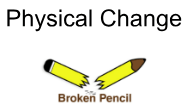
True

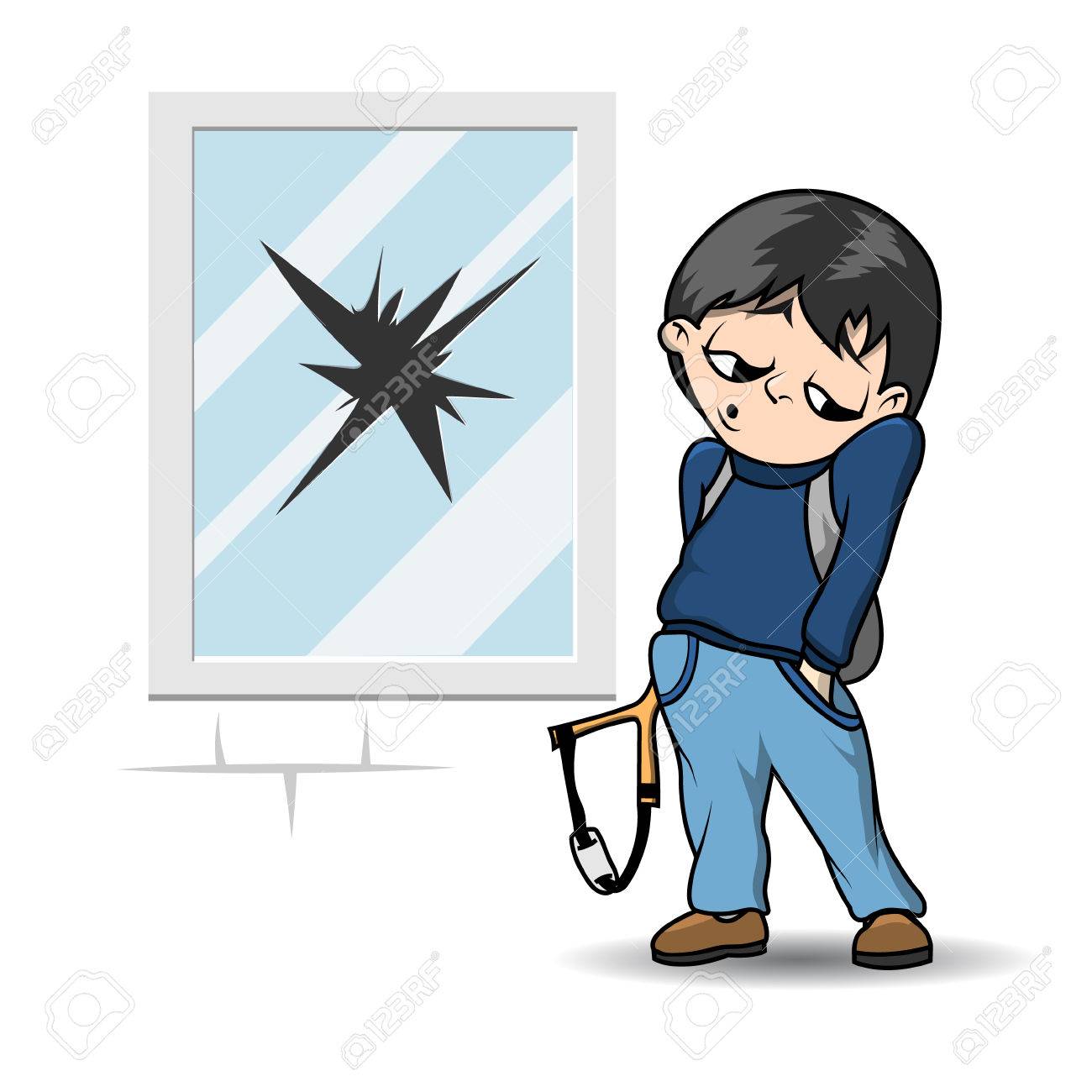
b)

False

20.

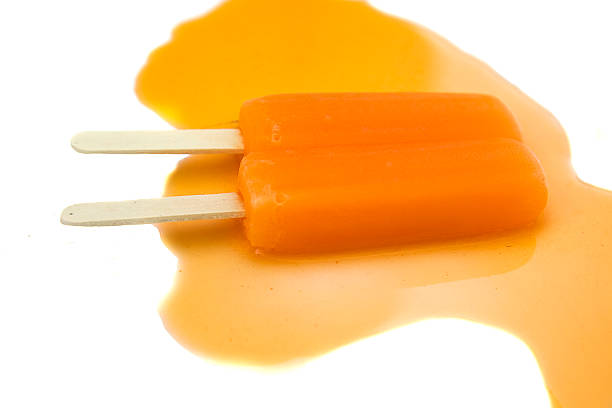
Which of the following statements is supported by the pictures below.

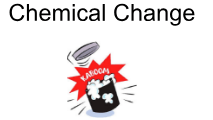
a)

The Earth and the Moon are about the same size.

b)

The Sun is twice as big as the Earth.

c)

The Sun is bright but the Earth and the Moon are the same.

d)

The size of the Moon is about 1/4 (quarter) of the Earth.

21.

The mass of the Moon is only 1/20 of the mass of Earth. If a soccer ball is being used as Earth, which of the following should be used to represent the Moon?

a)

Soccer ball (260 grams)

b)

Football (450 grams)

c)

Tennis ball (60 grams)

d)

Paintball (10 grams)

22.
A copper penny turning greenish after a few years is an example of ...
a)
Chemical Change
b)
Physical Change
23.
A change in which NEW substances are formed.
a)
Chemical change
b)
Physical change
c)
Casual change
d)
Formal change
24.
Which of the following is NOT an example of chemical change?
a)
sour milk
b)
burning wood
c)
breaking a pencil
d)
rust
25.
Which of the following is NOT an example of a physical change?
a)
crumpled paper
b)
pencil sharpening
c)
shrunken clothing
d)
sour milk
26.
Which of the following IS a physical change?
a)
Getting a haircut
b)
Rusty metal
c)
sour milk
d)
A compound
27.
Is melting butter for popcorn a chemical or physical change?
a)
chemical
b)
physical
28.
Is a rusting bicycle a chemical or physical change?
a)
chemcial
b)
physical
29.
Ripping up paper ...
a)
Chemical Change
b)
Physical Change
30.
A change in phase ...
a)
Chemical Change
b)
Physical Change
31.
Bubbles form when two or more substances are combined ...
a)
Chemical Change
b)
Physical Change
32.
Change in size ...
a)
Chemical Change
b)
Physical Change
33.
An explosion occurs ...
a)
Chemical Change
b)
Physical Change
34.
To go back to the substances original states is not possible or you would need to use chemicals. 
a)
Chemical
b)
Physical
35.
Causes a change in temperature ...
a)
Chemical Reaction
b)
Physical Reaction
36.
Causes a change in odor ...
a)
Chemical Reaction 
b)
Physical Reaction
37.
A change in phase or state of matter ...
a)
Chemical
b)
Physical
38.
A change in the size, shape, or state of matter.
a)
chemical change
b)
physical change
39.
What moon phase is this? 
a)
waxing crescent
b)
waxing gibbous
c)
waning crescent
d)
waning gibbous
40.
What moon phase is this? 
a)
waxing crescent
b)
waxing gibbous
c)
waning crescent
d)
waning gibbous
41.
What moon phase is this? 
a)
new moon 
b)
full moon
c)
waxing crescent
d)
waning crescent
42.
What moon phase is this? 
a)
first quarter
b)
third quarter
c)
waxing crescent
d)
waning crescent
43.
What moon phase is this? 
a)
new moon
b)
full moon
c)
waxing crescent
d)
waning crescent
44.
What does "waxing" mean?
a)
growing
b)
shrinking
c)
lighted
d)
dark
45.
What does "waning" mean? 
a)
growing
b)
shrinking
c)
lighted
d)
dark
46.
How many phases of the moon are there?
a)
eight
b)
four
c)
ten
47.
The Moon gets its light from the
a)
Earth
b)
Stars
c)
Sun
48.

When the Moon is directly between the Sun and the Earth, what phase would the Moon be in?

a)

Full Moon

b)

New Moon

c)

Half Moon

d)

Waxing Crescent

49.

What phase of the moon is this?

a)

Waxing Gibbous

b)

Waning Gibbous

c)

Waxing crescent

d)

Waning crescent

50.
The different phases of the Moon are caused by:
a)
The days of the months
b)
The angle at which we see the lit Moon as it revolves around the Earth
c)
The position of the Earth in its orbit around the Sun
d)
The tides of the ocean
51.

What phase of the moon is shown?

a)

waning gibbous

b)

1st quarter

c)

waxing crescent

d)

Waxing gibbous

52.
Name the phase of the moon that comes BEFORE this moon phase.
a)
waxing gibbous
b)
waning gibbous
c)
waning crescent
d)
waxing crescent
53.

What is the phase of the Moon at position #5?

a)

New Moon

b)

Third Quarter Moon

c)

First Quarter Moon

d)

Full Moon

54.

The smallest piece of an element:

a)

quark

b)

electron

c)

shell

d)

atom

55.

Substances that have only one kind of atom are called:

a)

elements

b)

nitrogen

c)

electrons

d)

nucleus

56.
Which of the following atomic symbols is written correctly?
a)
ee
b)
hE
c)
C
d)
CL
57.
Which of the following chemical formulas represents a compound? 
a)
C3
b)
O2
c)
CH3CHO
d)
H2
58.
Which statement best describes an element?
a)
made from mixture 
b)
thousands in the world
c)
pure, made of only one atom
d)
can be separated 
59.
Carbon is considered an element while carbon dioxide is considered a compound. This is because carbon dioxide is –
a)
a gas at room temperature.
b)
made of two different elements.
c)
given off by green plants.
60.
This picture represents which of the following?
a)
element
b)
compound
c)
mixture
61.
This picture represents which of the following?
a)
element
b)
compound
c)
mixture
62.
What is the tiniest particle in the entire universe?
a)
cells
b)
gases
c)
atoms
d)
liquids
63.
What is the name of a single type of atom?
a)
cell
b)
proton
c)
element
d)
atom
64.
What is the term for combining 2 or more atoms together?
a)
atoms
b)
elements
c)
molecules
d)
compounds
65.
What is the term for combining 2 or more DIFFERENT atoms together?
a)
atoms
b)
elements
c)
molecules
d)
compounds
66.
Are these molecules also compounds?
a)
YES
b)
NO
67.
Are these molecules also compounds?
a)
YES
b)
NO
68.
Name this compound: H2O
a)
Water
b)
Carbon dioxide
c)
Hydrogen peroxide 
d)
Sulfuric acid
69.

This picture represents which of the following?

a)

Element

b)

Compound

70.

This picture represents which of the following?

a)

Element

b)

Compound

71.

What is formed from combining of 2 or more different atoms together?

a)

atoms

b)

elements

c)

compound

72.

Which of the following cannot be broken down into something simpler?

a)

A compound

b)

An element

c)

A mixture

73.

All types of matter are made up of _____.

a)

atoms

b)

elements

c)

molecules

d)

compounds

74.

What kind of change is this?

a)

physical

b)

chemical

75.

What kind of change is this?

a)

physical

b)

chemical

76.

What kind of change is this?

a)

physical

b)

chemical

77.

What kind of change is this?

a)

physical

b)

chemical

78.

What kind of change is this?

a)

physical

b)

chemical

79.

What kind of change is this?

a)

physical

b)

chemical

80.

What kind of change is this?

a)

physical

b)

chemical

81.

What kind of change is this?

a)

physical

b)

chemical

82.

What kind of change is this?

a)

physical

b)

chemical

83.

What kind of change is this?

a)

physical

b)

chemical

84.

What kind of change is this?

a)

physical

b)

chemical

85.

What kind of change is this?

a)

physical

b)

chemical

86.

What kind of change is this?

a)

physical

b)

chemical

87.

What kind of change is this?

a)

physical

b)

chemical

88.

What kind of change is this?

a)

physical

b)

chemical

89.

What kind of change is this?

a)

physical

b)

chemical

90.

Which of these is NOT true about a chemical change?

a)

A change that occurs during a chemical reaction.

b)

A change that changes one or more substance into something new.

c)

A change that does not change the substance.

d)

Includes burning, cooking, or reacting.

91.

Which of these is NOT true about a physical change?

a)

Includes changing the size or shape of a substance.

b)

A change that changes one or more substance into something new.

c)

A change that does not change the substance.

d)

A change that usually involves a change in the state of matter.

92.

Which of these pictures shows freezing?

a)
b)
c)
d)
93.

Which of these pictures shows melting?

a)
b)
c)
d)
94.

Which of these pictures shows evaporation?

a)
b)
c)
d)
95.

Which of these pictures shows condensation?

a)
b)
c)
d)
96.

A sudden odor is evidence of a physical change.

a)

True

b)

False

97.

The sudden presence of bubbles is evidence of a chemical change.

a)

True

b)

False

98.
A copper penny turning greenish after a few years is an example of ...
a)
Chemical Change
b)
Physical Change
99.
A change in which NEW substances are formed.
a)
Chemical change
b)
Physical change
c)
Casual change
d)
Formal change
100.
Which of the following is NOT an example of chemical change?
a)
sour milk
b)
burning wood
c)
breaking a pencil
d)
rust
101.
Which of the following is NOT an example of a physical change?
a)
crumpled paper
b)
pencil sharpening
c)
shrunken clothing
d)
sour milk
102.
Which of the following IS a physical change?
a)
Getting a haircut
b)
Rusty metal
c)
sour milk
d)
A compound
103.
Is melting butter for popcorn a chemical or physical change?
a)
chemical
b)
physical
104.
Ripping up paper ...
a)
Chemical Change
b)
Physical Change
105.
Is a rusting bicycle a chemical or physical change?
a)
chemcial
b)
physical
106.
A change in phase ...
a)
Chemical Change
b)
Physical Change
107.
Bubbles form when two or more substances are combined ...
a)
Chemical Change
b)
Physical Change
108.
Change in size ...
a)
Chemical Change
b)
Physical Change
109.
An explosion occurs ...
a)
Chemical Change
b)
Physical Change
110.
Causes a change in odor ...
a)
Chemical Reaction 
b)
Physical Reaction
111.
Evidence of Chemical Change.
a)
New Substance 
b)
Size change
c)
State change
d)
Mixture 
112.
Evidence of a physical change.
a)
New substance
b)
Shape Change
c)
Light produced
d)
Gas released.
113.
Physical properties are
a)
properties that can be observed without changing the identity of the substance
b)
properties that describe how a substance changes into a completely different substance
114.
True or False: a physical change may produce a new substance.
a)
True
b)
False
115.
On a camping trip, Mrs. Benavides roasts a marshmallow in the campfire. She notices that the roasted marshmallow smells and tastes differently than the uncooked marshmallows. What change has taken place, and how does Mrs. Benavides know?
a)
a chemical change because the marshmallow changed in taste, color and smell
b)
no change because the marshmallow is not a new substance
c)
only a physical change because the marshmallow changed in size
d)
a chemical change because the marshmallow only changed in pH level
116.

Carbon

a)

CA

b)

C

c)

Ca

d)

Cn

117.

Sn

a)

tin

b)

sulfur

c)

iron

d)

sodium

118.

Zinc

a)

Z

b)

Zi

c)

ZN

d)

Zn

119.

Sulfur

a)

Sf

b)

Su

c)

Sr

d)

S

120.

Neon

a)

N

b)

No

c)

Ne

d)

Nn

121.

Calcium

a)

Cl

b)

Ca

c)

C

d)

Cm

122.

Copper

a)

CU

b)

Cp

c)

Cu

d)

Cr

123.

Helium

a)

He

b)

Hl

c)

HE

d)

Hm

124.

Hydrogen

a)

Hy

b)

H

c)

Hr

d)

Hn

125.

N

a)

Sodium

b)

Nitrogon

c)

Nonium

d)

Nitrogen

126.

Gold

a)

Go

b)

Gl

c)

AU

d)

Au

127.

Pb

a)

Gold

b)

Lead

c)

peanut butter

d)

Paribium

128.

Iron

a)

Ir

b)

In

c)

Fe

d)

FE

129.

Nickel

a)

Ni

b)

N

c)

Nl

d)

Nc

130.

Mercury

a)

Me

b)

Hg

c)

HG

d)

ME

131.

Iodine

a)

Ie

b)

I

c)

Id

d)

Io

132.

Potassium

a)

P

b)

K

c)

Pt

d)

k

133.

Aluminum

a)

A

b)

Al

c)

Am

d)

Au

134.

Mg

a)

Manganese

b)

Mangium

c)

Magnesium

d)

Manzanium

135.

Xenon

a)

Xe

b)

X

c)

Xn

d)

Xo

136.

This picture represents which of the following?

a)

Element

b)

Compound

c)

Molecule

137.

This picture represents which of the following?

a)

Element

b)

Compound

c)

Molecule

138.

This picture represents which of the following?

a)

Element

b)

Compound

c)

Molecule

139.

This picture represents which of the following?

a)

Element

b)

Compound

c)

Molecule

140.

This picture represents which of the following?

a)

Element

b)

Compound

c)

Molecule

141.

This picture represents which of the following?

a)

Element

b)

Compound

c)

Molecule

142.

This picture represents which of the following?

a)

Element

b)

Compound

c)

Molecule

143.

This picture represents which of the following?

a)

Element

b)

Compound

c)

Molecule

144.

The smallest particle that makes up matter.

a)

Atoms

b)

Elements

c)

Molecules

d)

Compounds

145.

Different types of atoms- can be found on the periodic table.

a)

Atoms

b)

Elements

c)

Molecules

d)

Compounds

146.

When two or more elements are combined. They can be the same elements combined or different elements combined.

a)

Atoms

b)

Elements

c)

Molecules

d)

Compounds

147.

When two or more different elements combine.

a)

Atoms

b)

Elements

c)

Molecules

d)

Compounds

148.

You can find all 118 _______ on the Periodic Table.

a)

Atoms

b)

Elements

c)

Molecules

d)

Compounds

149.

Salt (NaCl) would be considered which of the following?

a)

Element

b)

Molecule

c)

Compound

150.

Oxygen would be considered which of the following?

a)

Element

b)

Molecule

c)

Compound

151.

Copper would be considered which of the following?

a)

Element

b)

Molecule

c)

Compound

152.
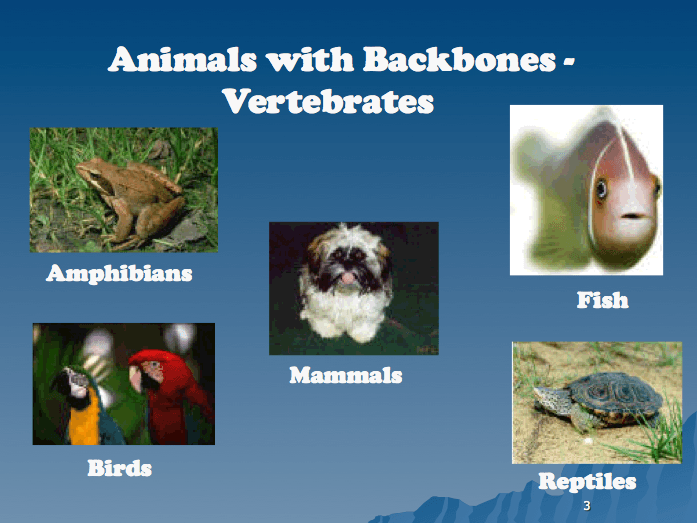
What are vertebrates?
a)
Animals with a backbone
b)
Animals without a backbone
153.
There are five categories of vertebrates.  Which one is not a vertebrate?
a)
Mammals
b)
Birds
c)
Arthropods
d)
Reptiles
154.
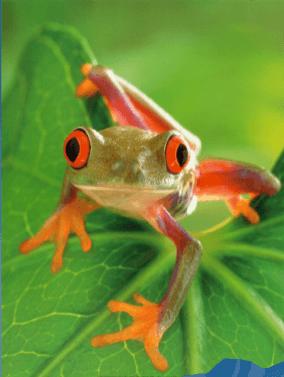
My body is moist and smooth, I lay eggs, and live in or near the water.  What am I?
a)
Amphibian
b)
Reptile
c)
Bird
d)
Fish
155.
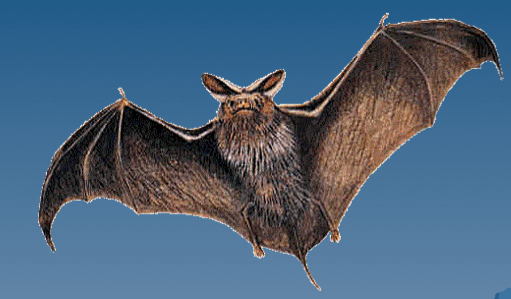
My body is warm, I have fur, feed my young on milk, and have live births.  What am I?
a)
Reptile
b)
Bird
c)
Mammal
d)
Fish
156.
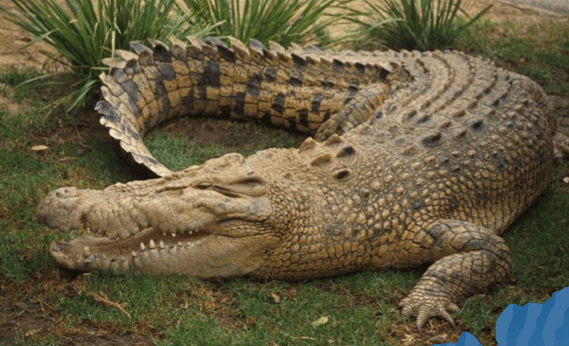
I am covered in dry scales and I lay eggs.  What am I?
a)
Mammal
b)
Fish
c)
Amphibian
d)
Reptile
157.
My body is cold, am covered in scales, use gills to breathe under water, and I lay eggs.  What am I?
a)
Fish
b)
Mammal
c)
Reptile
d)
Amphibian
158.
Which are the 5 groups of vertebrate animals?
a)
Mammals, fish, amphibians and sharks
b)
Mammals, fish, birds, reptiles and amphibians
c)
Lions, tuna, eagle, crocodile and frog
d)
Humans, fish, birds and reptiles
159.
What animals breathe with their lungs?
a)
Mammals and birds
b)
Fish and chips
c)
Mammals, birds, reptiles and adult amphibians
d)
Humans, birds and sharks
160.
Which of these animals breathe through their gills?
a)
Fish
b)
Fish and baby amphibians
c)
Mammals, adult amphibians, reptiles and birds
161.
Which animal can breathe with their lungs and also through their moist skin?
a)
Amphibians
b)
Fish
c)
Reptiles
162.
Which group of animals have bodies covered with scales or shell?
a)
Turtles
b)
Amphibians
c)
Reptiles
163.
What do the herbivores eat?
a)
Other animals
b)
Plants
c)
Plants and other animals
164.
What type of animals eat other animals?
a)
Hervibore
b)
Carnivore
165.
What do the omnivores eat?
a)
Plants
b)
Other animals
c)
Plants and other animals
166.
All of the following are characteristics of mammals except _____
a)
they give birth to live young
b)
they produce milk
c)
they breathe through gills
d)
they are covered with hair
167.
What word means  body temperature changes when the outside temperature changes?
a)
cold blooded
b)
warm blooded
c)
classify
d)
vertebrate
168.
What word means body temperature stays the same no matter what the outside temperature is?
a)
cold blooded
b)
warm blooded
c)
classify
d)
vertebrate
169.
Which word means the bones which form the framework of the body?
a)
cold blooded
b)
classify
c)
vertebrate
d)
skeleton
170.

Comparing or organizing things into groups is called...

a)

Classifying

b)

Cleaning

c)

Coming together

d)

Metamorphosis

171.

How do fish breathe?

a)

Through their gills

b)

Through their skin

c)

Through their fins

d)

Through their feathers

172.

Electrical lights will not come on unless their electrical circuit is a --

a)

closed circuit

b)

open circuit

173.
Will the light bulb in this circuit light and why/why not?
a)
yes, because it has two batteries
b)
no, because the switch is open
c)
yes, because it is in a circuit
d)
no, because the bulb is burned out
174.

What would happen if the switch was opened?

a)

nothing, the light bulbs would still work because there is a complete path

b)

The light bulbs would not work because the path was broken

c)

the battery would loose energy

175.

The on switch shows

a)

An open circuit where electricity can flow

b)

A closed circuit that is also called complete

176.
A open circuit allows charges to flow. 
a)
True 
b)
False
177.
A circuit in which energy can freely flow.
a)
Closed Circuit
b)
Free Circuit
c)
Open Circuit
d)
Energy Circuit
178.

Choose the corrrect sentence.

a)

This circuit will work because it is an open circuit

b)

This circuit will work because it is a closed circuit.

c)

This circuit will NOT work because it is an open circuit.

179.

Choose the correct sentence.

a)

This circuit will work because it is an open circuit.

b)

This circuit will work because it is a closed circuit.

c)

This circuit will NOT work because it is an open circuit.

180.
Would would best complete this circuit?
a)
A wire
b)
A switch
c)
A battery
d)
A light bulb
181.
What is the power source in this circuit?
a)
Lightbulb
b)
Switch
c)
Wires
d)
Battery
182.
A continuous path of conductors that allows electricity to pass through easily is called a(n)...
a)
Closed circuit
b)
Double circuit
c)
Open circuit
d)
Electric current
183.
What is a battery?
a)
switch
b)
power source
c)
insulator
184.
A student began building a circuit to light a bulb.  What else does the student need to produce light?
a)
a battery that has energy
b)
a wire that is insulated
c)
a switch that is open
d)
another bulb of the same size
185.

Which bulbs will light?

a)

1 and 2

b)

2 and 3

c)

3 and 4

186.
Lightbulbs use electricity to make light. What else do lightbulbs often give off?
a)
Food energy
b)
Heat Energy
c)
Solar Energy
d)
Wind Energy
187.

What is a switch's function in a circuit?

a)

to make the current hotter or colder

b)

turn on and off the flow of current

c)

to add more power to the circuit

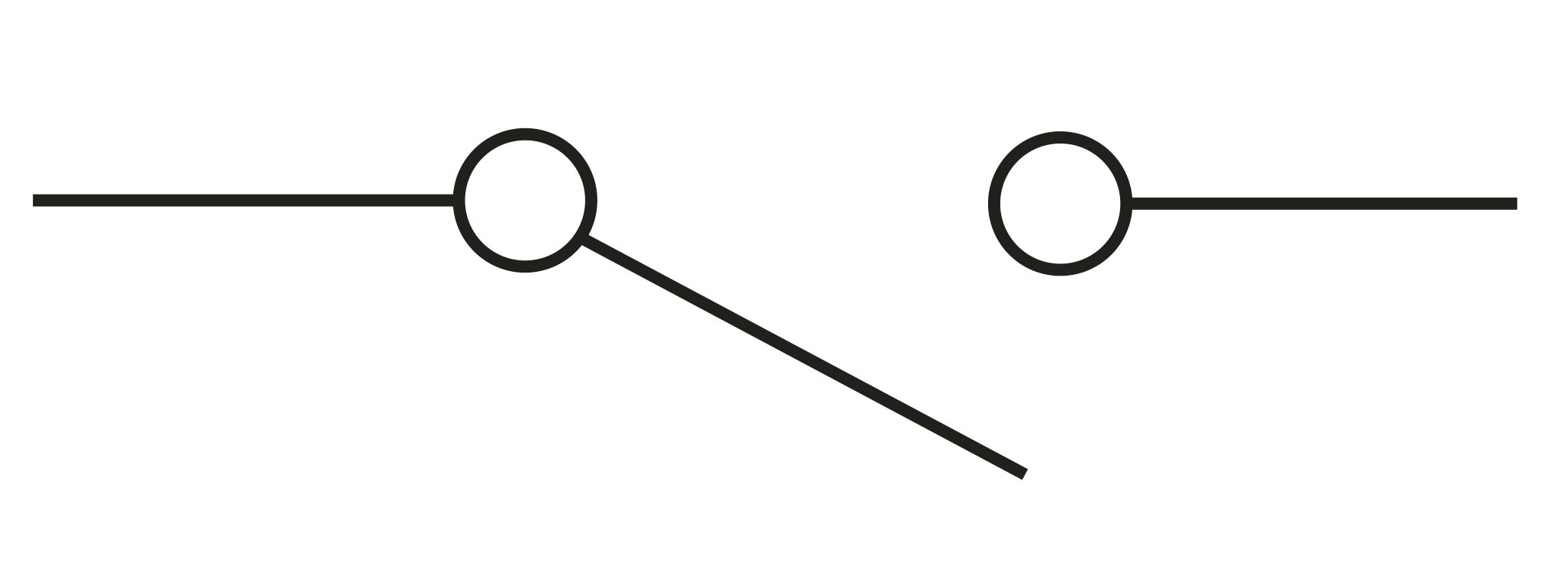
188.
this is the symbol for a _____?
a)
switch
b)
light 
c)
battery
d)
wires
189.

If you replace the paper clip with a plastic spoon, what happens?

a)

The bulb doesn't light

b)

The bulb is dimmer

c)

The wires get hot

190.
Which of these objects is an insulator?
a)
Copper Wire
b)
Paper Clip
c)
Steel Pole
d)
Rubber Gloves
191.

The rubber around the wire is-

a)

an insulator

b)

a conductor

192.

When the switch is closed, the light-

a)

turns on

b)

stays off

c)

burns out

193.

If the lights are off, the circuit is-

a)

open

b)

closed

194.
A current can flow without a power source.
a)
True
b)
False
195.

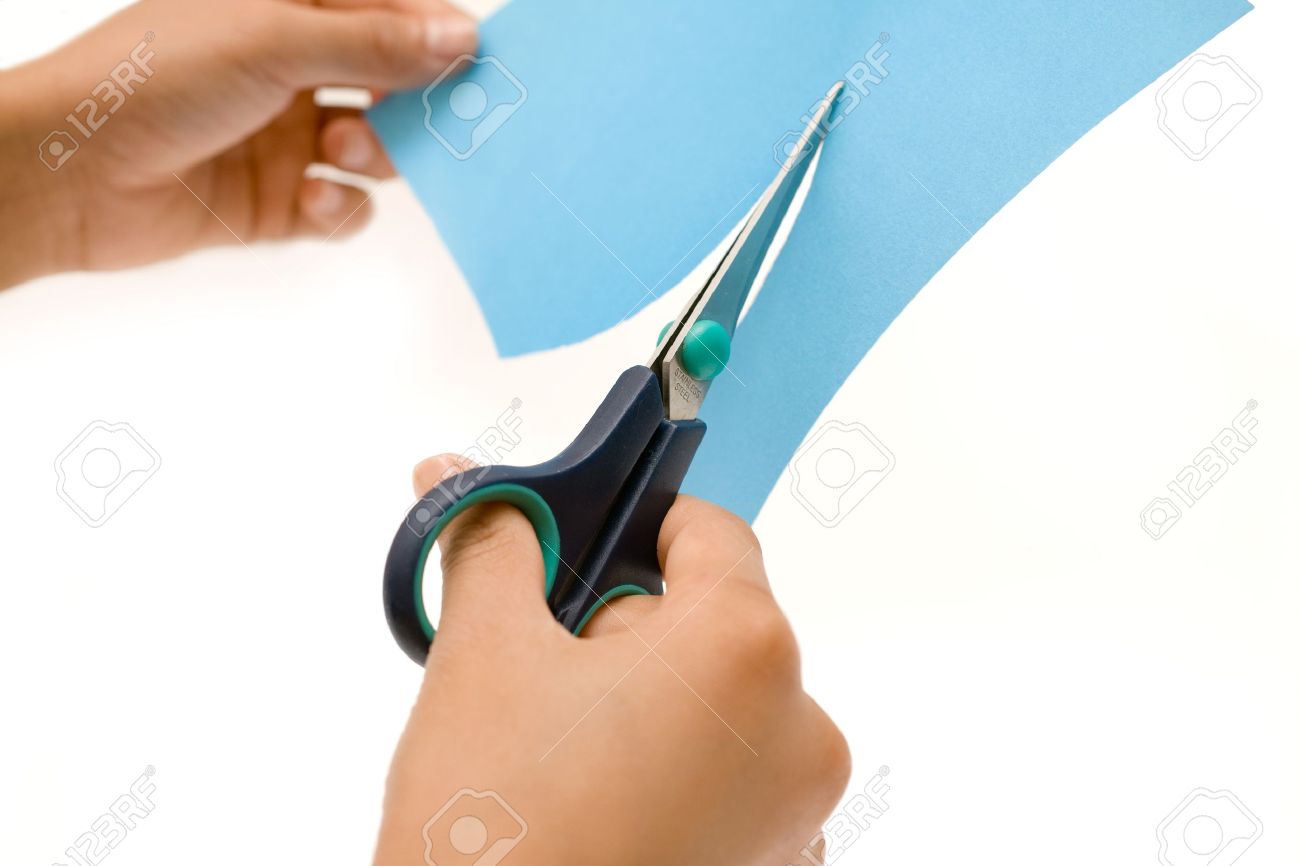
What kind of change is cutting paper?
a)
b)
196.

What kind of change is breaking a window?
a)
b)
197.

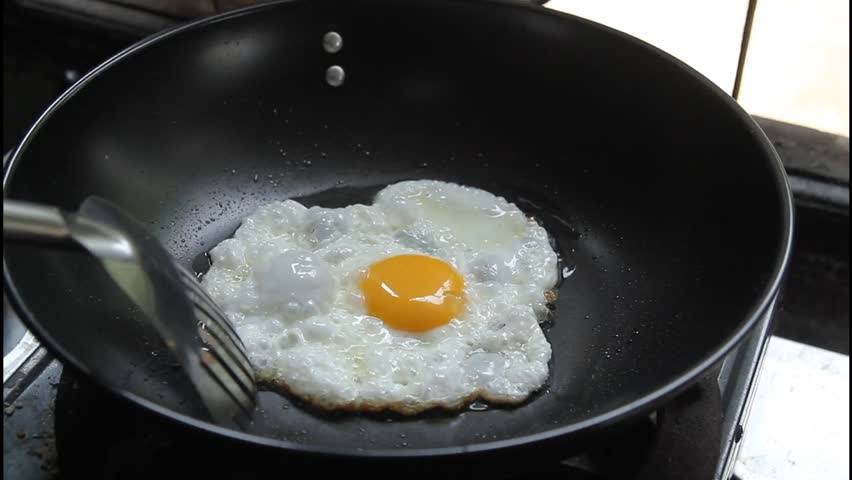
What kind of change is frying an egg?
a)
b)
198.

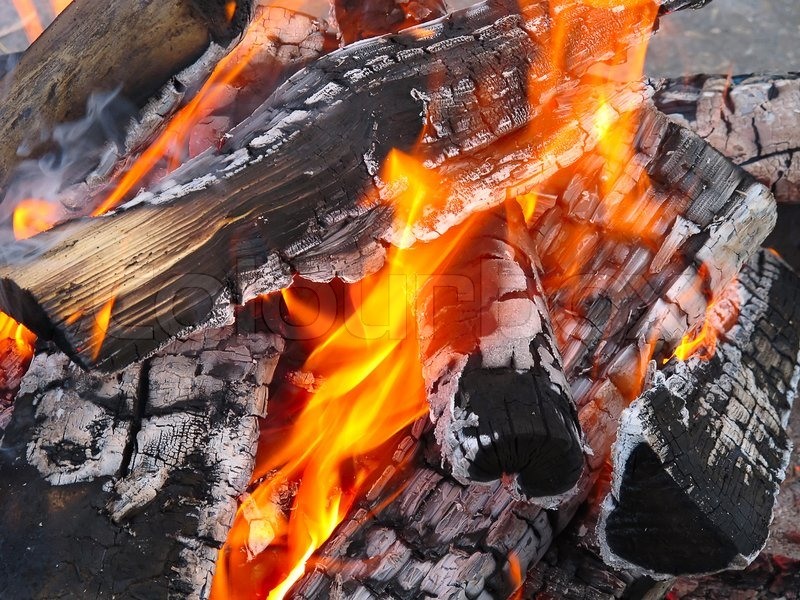
What kind of change is burning wood?

a)
b)
199.

What kind of change is a melting popsicle?
a)
b)
200.

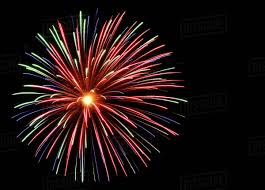
What kind of change is exploding fireworks?

a)
b)
201.

What kind of change is baking a cake?
a)
b)
202.

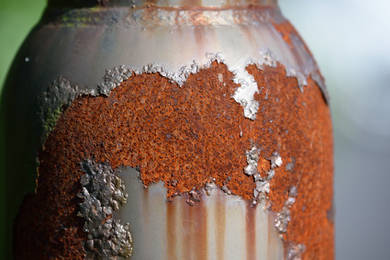
What kind of change is metal rusting?

a)
b)
203.

What kind of change is freezing water into ice cubes?

a)
b)
204.

What kind of change is crushing a soda can?

a)
b)
205.

What kind of change is cutting your hair?

a)
b)
206.

What kind of change is a rotting banana?

a)
b)
207.

What kind of change is toasting bread?

a)
b)
208.

What kind of change is mixing vinegar & baking soda?

a)
b)
209.

What kind of change is squeezing juice out of an orange?

a)
b)