
 Worksheets
4TH QUARTER LONG QUIZ GRADE 4
Total questions: 65
Worksheet time: 35mins
What is tempo?
the volume of the song
the speed of the song
the length of the song
the sound of the song
Largo means
Very Slow
Slow
Fast
Very Fast
Adagio
Very Slow
Slow
Very Fast
Fast
Presto means
Very Slow
Slow
Very Fast
Fast
Allegro means
Very Slow
Slow
Very Fast
Fast
Moderato means moderate
True
False
Can the tempo change throughout a song?
Yes
No
What means at a quick pace?
largo
presto
moderato
fasto
What tempo marking is leisurely?
presto
moderato
adagio
allegro
What tempo marking means slow and stately?
presto
larghetto
andante
largo
What is an interval in music?
The number of pitches in a chord.
The distance between two notes.
The measure of volume you must play.
A type of accidental.
What is an example of "unison"?
C-E
C-C
C-G
CB
How many letter are in music?
5
7
6
3
How do you call an interval between C and D?
2nd
4th
unison
3rd
What are the only 2 groups of 2 notes half step apart?
DE & GA
EF & BC
AB & EF
CD & AB
How many notes make an octave?
5
7
8
3

What is this interval?
2nd
3rd
4th
5th

What is this interval?
2nd
3rd
4th
5th

What is this interval?
7th
6th
8th or octave
5th

What is this interval?
2nd
Unison
3rd
5th
Select the equipment you might need to tie dye safely
Table covering
Gloves
Mask
Apron
Safety glasses
What is the minimum time we need to let the dye soak in for?
6 hours
12 hours
24 hours
72 hours
Why do we tie or bind the fabric with string or rubber bands?
To make shapes
To add texture
To add contrast
To create areas where the dye won't go to leave the fabric white
ARTS
It will keep your clothes clean
gloves
shirt
large container
apron
ARTS
A technique for dyeing natural fabrics.
(a)

While your right hand remains in the overhead position, place your left arm in the first position.
1st position
4th position
3rd position

Open your arms sideward with curved elbows.
2nd position
3rd position
5th position

Raise both arms over your head with curved elbows.
2nd position
4th position
5th position

Raise your right hand over your head while your left remains in second position.
1st position
2nd position
3rd position

Raise both arms in front of your chest with curved elbows.
1st position
2nd position
4th position

Place your right foot in front of your left foot. One step away from each other.
3rd position
4th position
5th position

Move your feet apart sideward about one foot away to each other.
5th position
3rd position
2nd position

Place your heels to touch together, 45 degrees open.
4th position
1st position
3rd position

Place your right heel to touch the instep of your left foot.
2nd position
3rd position
5th position
Place your right heel to touch the instep of your left foot.
2nd position
3rd position
5th position
In Kansas, hot air from the south meets cold air from the north over flat land. There is no ocean nearby, and summers are hot and dry. what natural disaster are you most likely to see?
hurricanes and wildfires
wildfires and tornadoes
tornadoes and volcanoes
hurricanes and volcanoes
Large waves generated by earthquake are called
Wind
Earthquake
Tsunami
Ocean current
What is the three Earthquake Safety tips?
Drop, Crouch, Help
Drop, Cover, Help
Drop, Cover, Hold
Dip, Cover, Hold
What is a warning before a tsunami hits?
The television news will make a prediction about a week ahead based upon the weather in the area.
The water will move away from the shore unusually fast and strong into the ocean.
The fish in the ocean will start jumping out of the water.
There will be lots are rain and wind about 2 hours before one hits.
In a thunderstorm, I should...
Run outside
Ride bikes with my friends
Go to the pool
Remain inside
Where is the safest place to go if there is a tornado?
Basement or lowest level
Near a window so you can watch
Top level of the building
Outside on the front porch
What can you use to receive information about severe weather?
Radio
Cell phone
TV
Ipad
All the above
What are signs of a severe thunderstorm?
Heavy Rain
Hail
Strong winds
Thunder and Lightning
All of the above
What is a tornado?
A small funnel-shaped cloud that comes down from a storm cloud with strong winds
A severe storm with lightning
A storm that forms over Lakewood
All of the above
During ________________, stay inside, stay out of water, and do not stand under a tree.
Rain storm
Thunderstorm
Hurricane
Tornado

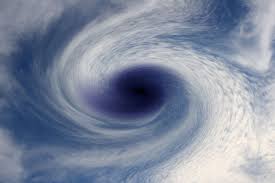
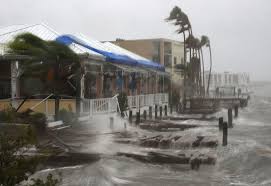
How can you stay safe during a tornado?
stay away from windows
go outside
run to another house
cook food
If you don't have a basement, which of the following choices is the safest shelter during a tornado?
An interior room (closet, hallway, bathroom, etc.) on the lowest floor of your house away from windows.
If one is available, in an outside garage or shed.
The North wall of the house is always the safest.
If you have a fireplace try to crawl into it. Use it as a shelter.
What is the first rule of flood safety?
Move across flood waters before they become too dangerous.
If the water is shallow, you can drive through to safety.
Move to higher ground and stay away from flood waters.
It is okay to play in flood waters as long as it is not raining.
What is a natural disaster?
Meeting about weather
Party that turned out bad
An event that causes great damage
It's a thunderstorm

What is a survival kit?
A makeup kit
A school backpack
A kit prepared for natural disasters
A bag used when traveling

What causes a tsunami?
A flood
Volcanic eruption
Earthquake on sea floor
A really bad hurricane
What is NOT an example of a natural disaster?
Flood
Hurricane
Volcanic Eruption
Thunderstorm

What does NOT go in a survival kit?
Extra Batteries
Laptop
Flashlights
Food
Which natural disaster can cause the fastest winds on Earth?
Hurricanes
Tornados
Windstorms
Cyclone

If you see a tornado coming, you should
Stay really still
Run as fast as you can
Take cover right away
Hide

You should walk your dog during a hurricane
False
True
A natural disaster is a(n) ________ event.
planned
scheduled
unexpected
expected

Where does a Hurricane get its strength from?
Warm ocean water
Trees
Land
Rivers


