
 Worksheets
SCOTUS Review
Total questions: 18
Worksheet time: 16mins

What is the main function of the Supreme Court?
Make laws
Interpret laws
Enforce laws
Question laws
Supreme Court justices must meet (a) Constitutional qualifications
Supreme Court justices and the President that appointed them share ...
political parties
educational experience
political ideology
constitutional qualifications
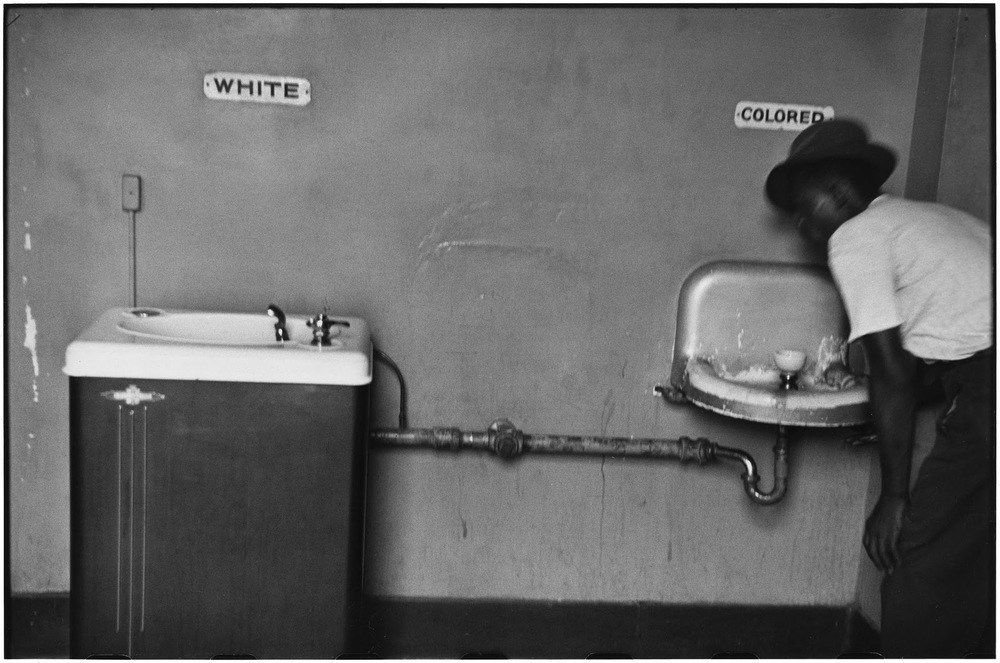
Established “Separate but Equal”, which provided separate public facilities for both whites and blacks as long as they were equal.
District of Columbia v Heller
In Re Gault
Brown v Board of Education
Plessy v Ferguson
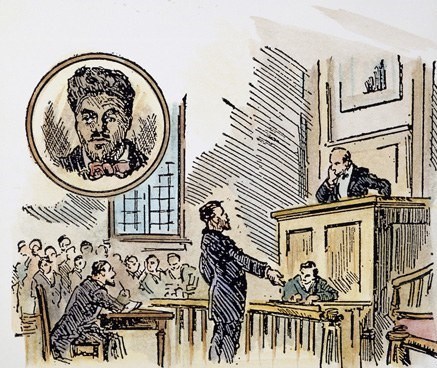
What was the Supreme Court's decision in the Dred Scott case?
That slavery diminished the national character.
That African American rights were protected by the Constitution.
That African Americans did not have the right to sue in federal court because they were not citizens
That slavery should be abolished by executive order
What was the impact of Supreme Court decision Hazelwood v. Kuhlmeier?
Schools have the ability to censor materials created and used during schools hours
Newspapers may no longer be published inside of public schools
Any information may be published as long as no students object
Schools may never censor work of students done during school hours
In Marbury v. Madison, the Supreme Court established a principle that would eventually be used by all courts to —
mediate disputes related to commerce between states
overturn any impeachment that the court deems unsupported by evidence
decide the outcome of contested election results
strike down any law that the court deems unconstitutional
The decision in Marbury v. Madison was significant in U.S. history because it —
established the practice of judicial review by the Supreme Court
upheld the power of the Electoral College to choose the vice president
confirmed the power of Congress to regulate interstate commerce
reinforced federal authority over American Indian affairs

Which case decided the federal government could intern Japanese Americans during WWII?
Texas v. Johnson
Plessy v. Ferguson
Korematsu v. US
Citizens United v. FEC
All of the following landmark cases are related to the 1st Amendment except...
Tinker v. Des Moines
Hazelwood v. Kuhlmeier
Gideon v. Wainwright
Texas v. Johnson

