
Font size
 Worksheets
Gravity
Total questions: 55
Worksheet time: 49mins
Two factors effecting the strength of gravity between 2 objects are...
weight and mass
distance and weight
mass and matter
mass and distance
A(n) _____ is the curved path of an object around a point/object in space.
orbit
rotation
revolution
phase
What prevents planets from drifting off into space and keeps it in the planets in our Solar System?
Gravity
Weight
Friction
Forward Motion
What prevents planets from pulled into and crash into the Sun?
Gravity
Weight
Friction
Inertia (Forward Motion)
Which of the following is required for planets to stay in orbit around the Sun? (choose all that apply)
Gravity
Weight
Friction
Inertia (Forward Motion)
What is true about the distance between a planet and the sun and the planet’s revolution around the Sun?
The closer the planet is to the sun, the slower it orbits.
The farther the planet is to the sun, the faster it orbits.
The farther the planet is to the sun, the brighter the sun is.
The closer the planet is to the sun, the faster it orbits.
A planet with a large orbit has...
a short day
a long day
a long year
a short year
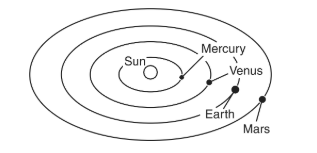
Which planet will take the least amount of time to revolve around the Sun?
Mercury
Venus
Earth
Mars
What would happen to Earth if its forward motion stopped?
Earth would continue to orbit in our Solar System normally.
Earth would sit motionless and not moving.
Earth would drift off in space because nothing would hold it in the Solar System.
Earth would move toward the Sun and eventually crash into it.
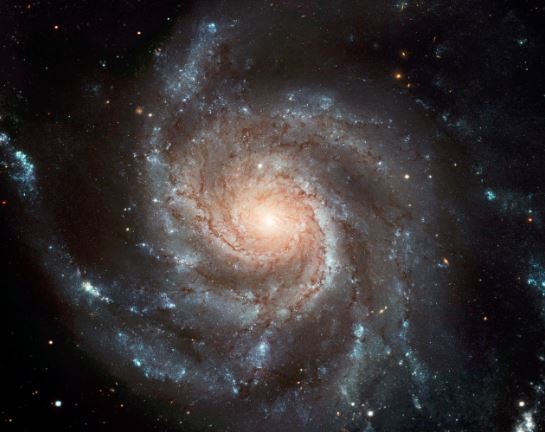
Without gravity, the stars, planets and all objects in the universe would _______.
continue to orbit each other
move in a random direction
move in a straight line
stop moving
What would happen to Earth if the Sun's gravity dissappeared?
Earth would continue to orbit in our Solar System normally.
Earth would sit motionless and not moving.
Earth would drift off in space because nothing would hold it in the Solar System.
Earth would move toward the Sun and eventually crash into it.
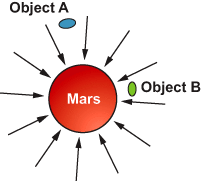
Here is a model of the gravitational force of Mars. Objects A and B have the same mass but are different distances from Mars. Which statement explains how the gravitational force affects the two objects?
Object A and B will be affected equally by the gravitational force.
Object B will be more affected by the gravitational force because it is closer to Mars than Object A.
Object A will be more affected by the gravitational force because it is farther from Mars than Object B.
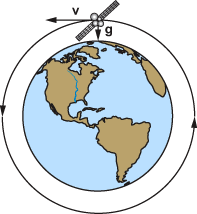
The satellite is orbiting Earth in the direction shown and is pulled toward Earth by gravity. What would happen if Earth's gravity suddenly disappeared?
The satellite would fall to Earth.
The satellite would stop moving.
The satellite would continue to orbit Earth.
The satellite would move into space in a straight line.
Observe the path of Voyager 2 satellite . Why did the route of Voyager 2 change, without firing its thrusters, as it passed Jupiter?
Gravitational force between Jupiter and Voyager 2 pulled it into a new route.
Solar winds pushed Voyager 2 into a new path.
Jupiter blocked the sun’s gravitational pull on Voyager 2.
The gravity of Jupiter caused Voyager 2 to become its satellite.
Which of the following did engineers need to know to plan Voyager 2’s path through the solar system? Choose *ALL* that apply.
the positions of the planets
the masses of the planets
the mass of Voyager 2
Newton's laws of motion and the law of universal gravitation
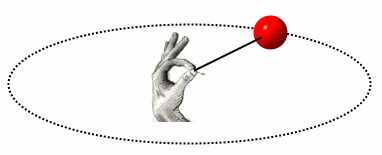
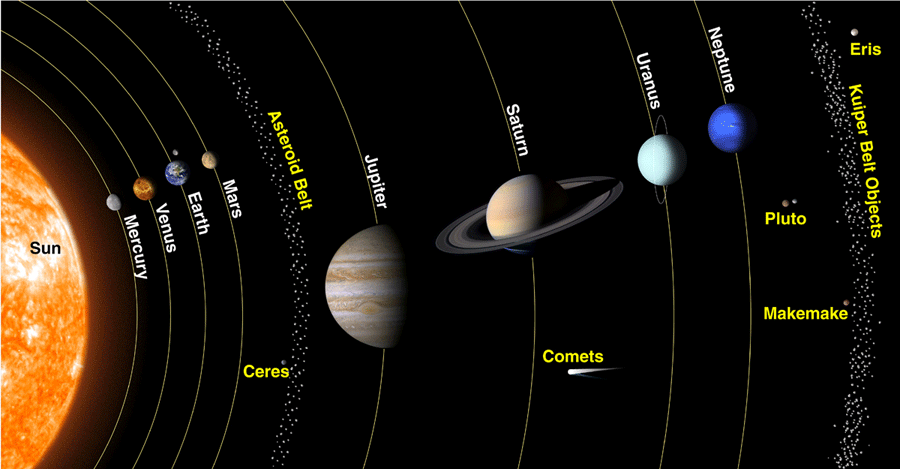
Which of the following is required for planets to stay in orbit around the Sun? (choose all that apply)
Gravity
Weight
Friction
Inertia (Forward Motion)
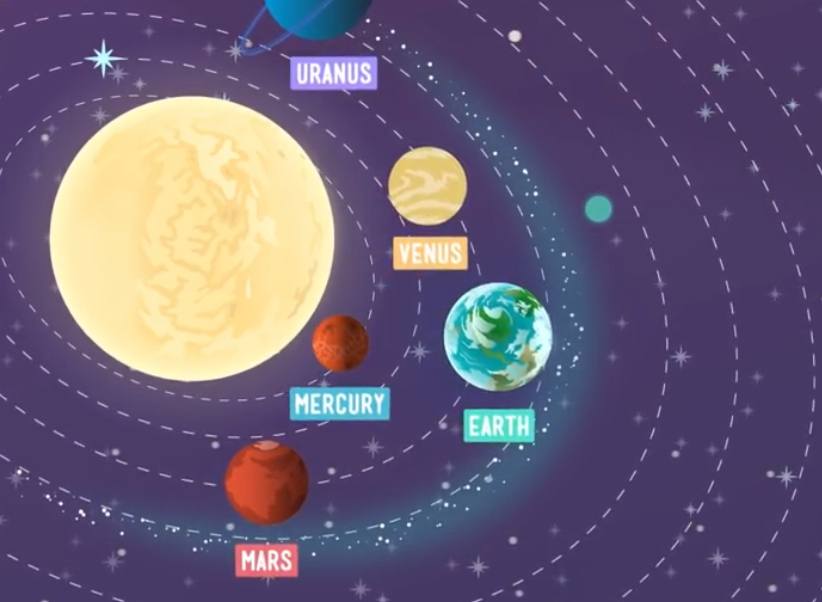
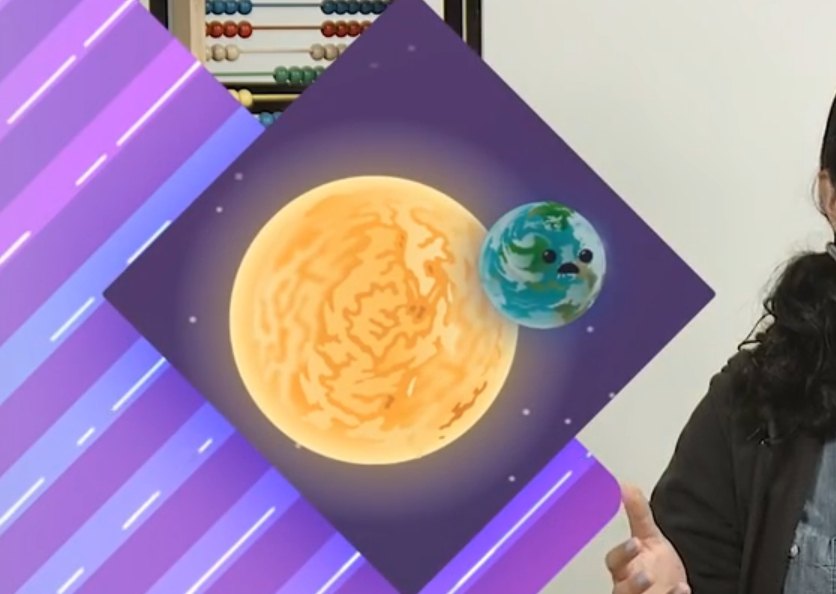
The early solar system was made up of mostly what?
hydrogen, helium and dust
hydrogen, oxygen and dust
hydrogen, iron and dust
carbon, hydrogen and dust
Gravitational forces are always
Attractive
Pushing
repulsive
objects
Which of the following best describes the formation of the solar system?
The Sun ejected rocky material which formed the planets due to magnetic attraction forces.
A rotating disk of gas and dust was drawn together by the force of gravity.
One very large planetary body broke apart into several smaller planets.
Several stars of different masses cooled and formed the planets and the Sun.
Why do some planets have moons in our solar system?
They are close to the sun
They have enough gravity to hold a moon in orbit
They are special
All planets have moons
What force played a major role in the formation of the solar system?
Magnetism
Push
Pull
Gravity
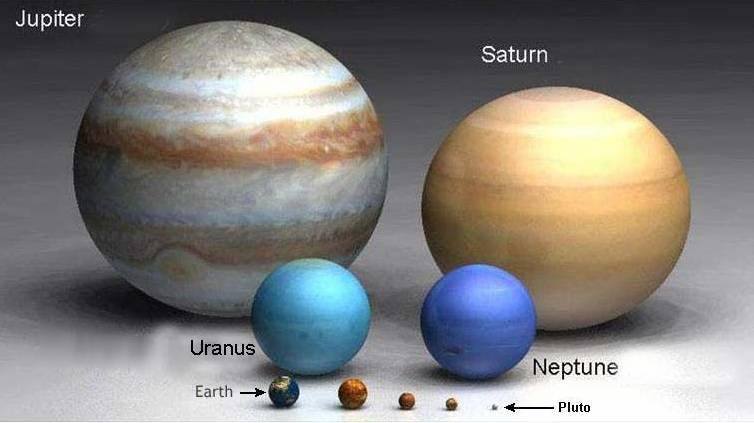
Which planet would have the largest gravitational pull?
Venus
Mars
Jupiter
Neptune
How does changing the distance between objects affect the force of gravity?
Decreasing distance increases gravity
Increasing distance increases gravity
Mr. Deem knows, but he's not telling
Distance does not affect gravity
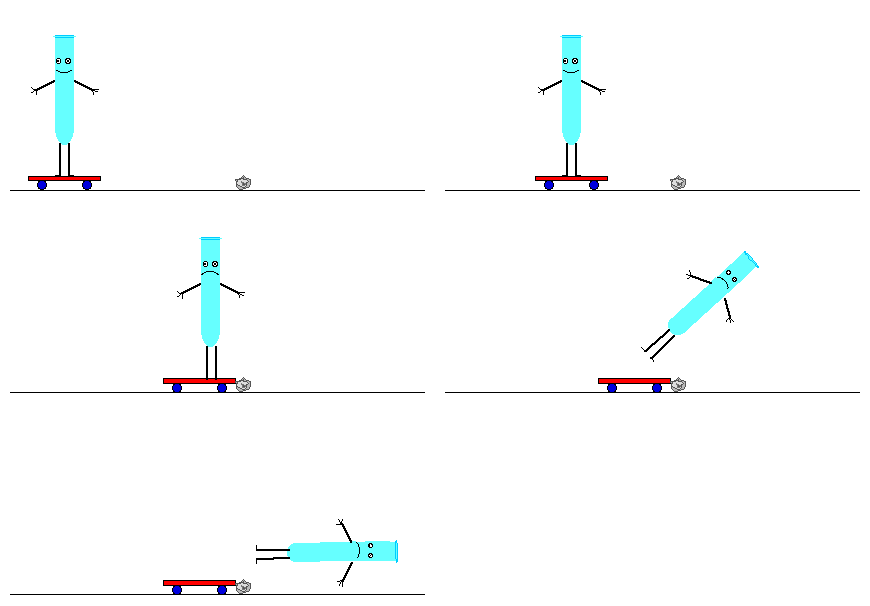
Match the term: The tendency of an object to resist a change in its motion
acceleration
inertia
mass
frame of reference
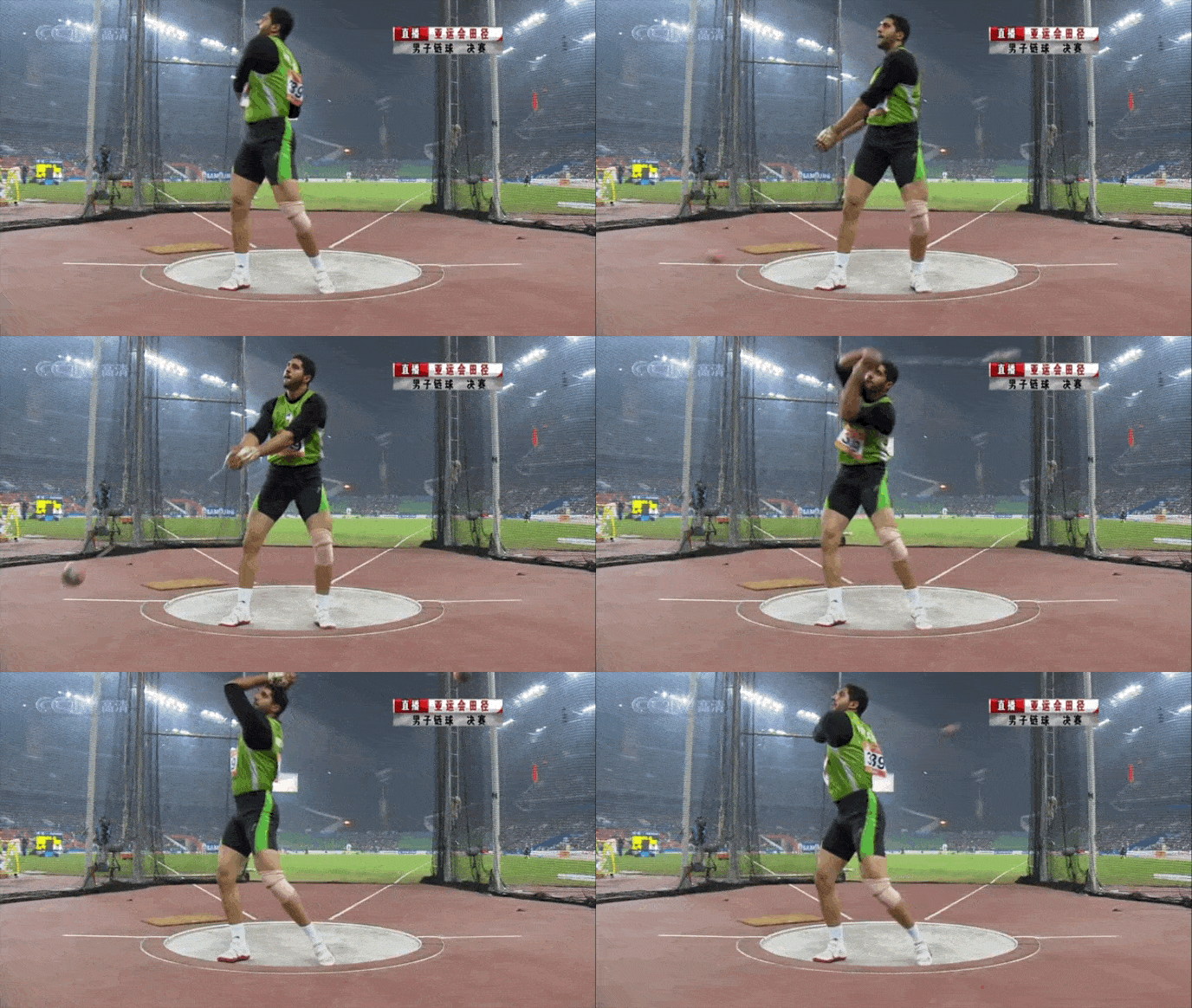
Suppose that this person left go of the chain. As soon as he releases the chain the balls inertia would....
make the ball immediately stop and fall straight to the ground.
keep the ball moving in a circle around him.
result in the ball flying off in a straight line away from the person.
either a, b, or c -- depending on whether the person continues to push it
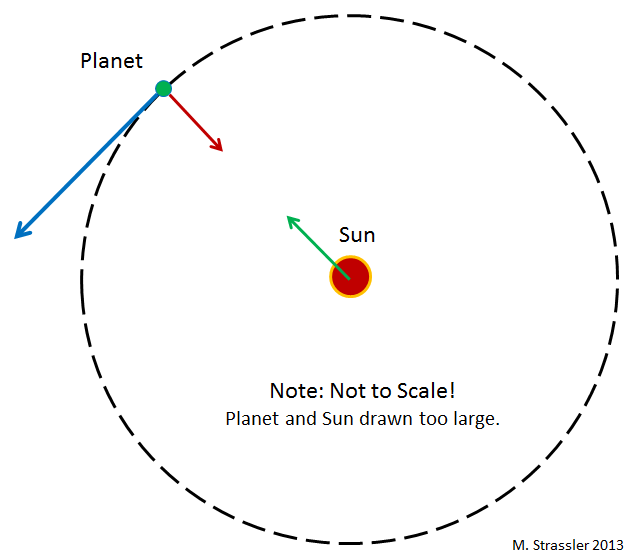
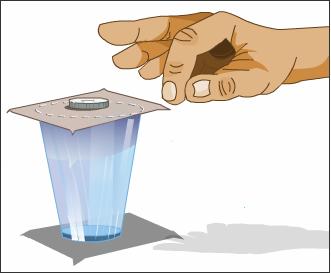
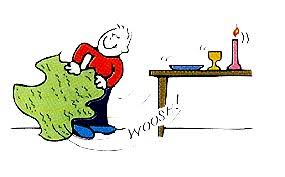
Which explains why the tablecloth trick works?
The dishes are stuck in place due to air resistance.
The tablecloth is an ilusion.
The dishes have inertia, and therefore stay on the table.
magic
What is the relationship between heavy objects and inertia?
Only heavy objects have inertia.
Heavy objects have more inertia.
Heavy objects have less inertia.
Heavy objects have no inertia.
The amount of matter in an object is called ______________.
displacement
mass
friction
friction
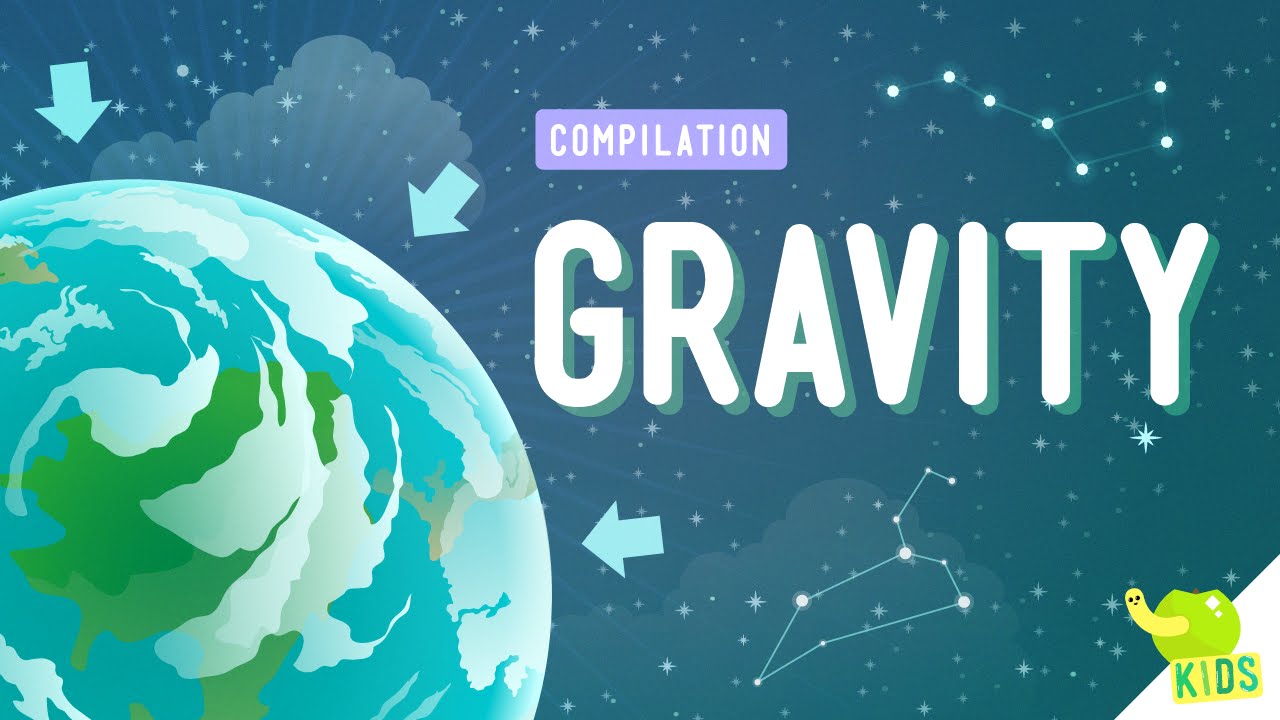
What two forces affect gravity?
mass and inertia
mass and distance
mass and force
mass and weight
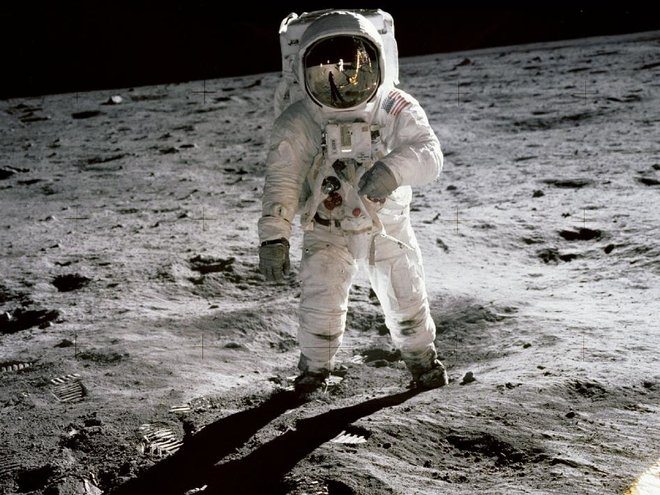
You travel to the Moon. Which of the following is true? (choose ALL that are true)
Your mass stays the same
Your weight stays the same
Your mass is different
Your weight is different
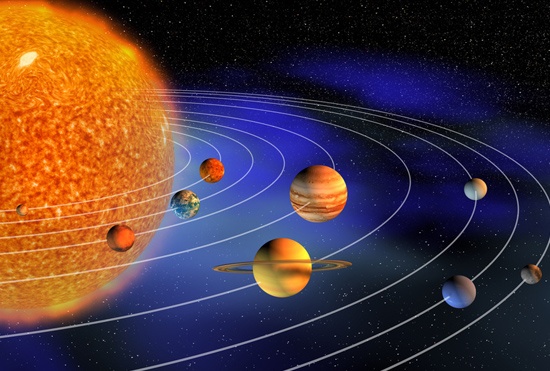
What is weight?
how much fat is on your body
how strong you are
how strongly your body is being pulled down by gravity
when you have to stand in line
Inertia tells us that we need ____________ to get an object moving or to make it stop.
a force
gravity
friction
strength
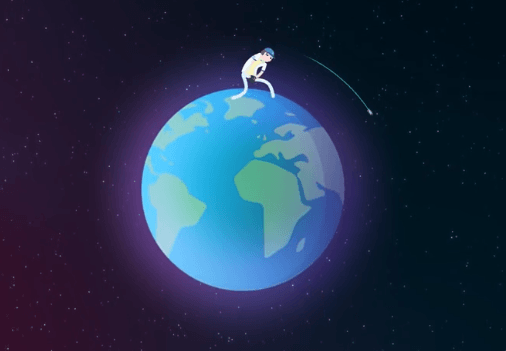
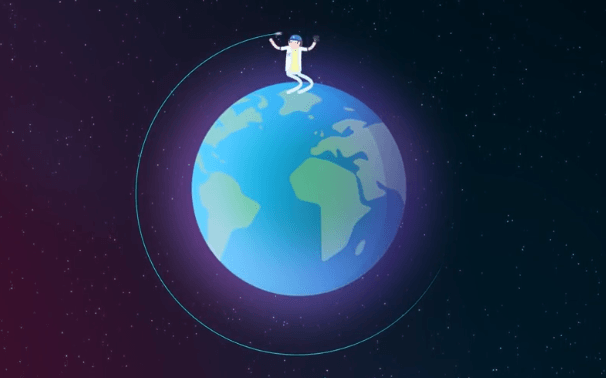
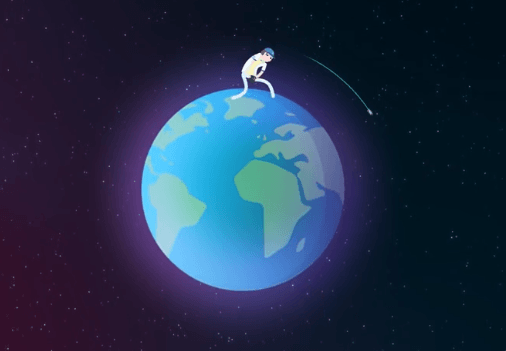
In order to break free of a planet's gravity, an object must be moving at _____ .
a break-away pace
a liberation altitude

