
 Worksheets
Photography Test-Composition & Exposure Triangle
Total questions: 43
Worksheet time: 23mins
The "Rule of Thirds is a"
Concept
Composition Technique
An art design
What is the purpose of the rule of thirds in photography?
To have grids in our screen
To produce images better balanced.
To make a photographer famous
How is the "Rule of Thirds" represented in your camera?
(a)

This image shows which compositional technique?
Birds Eye View
Forced Perspective
Symmetry
Rule of Thirds
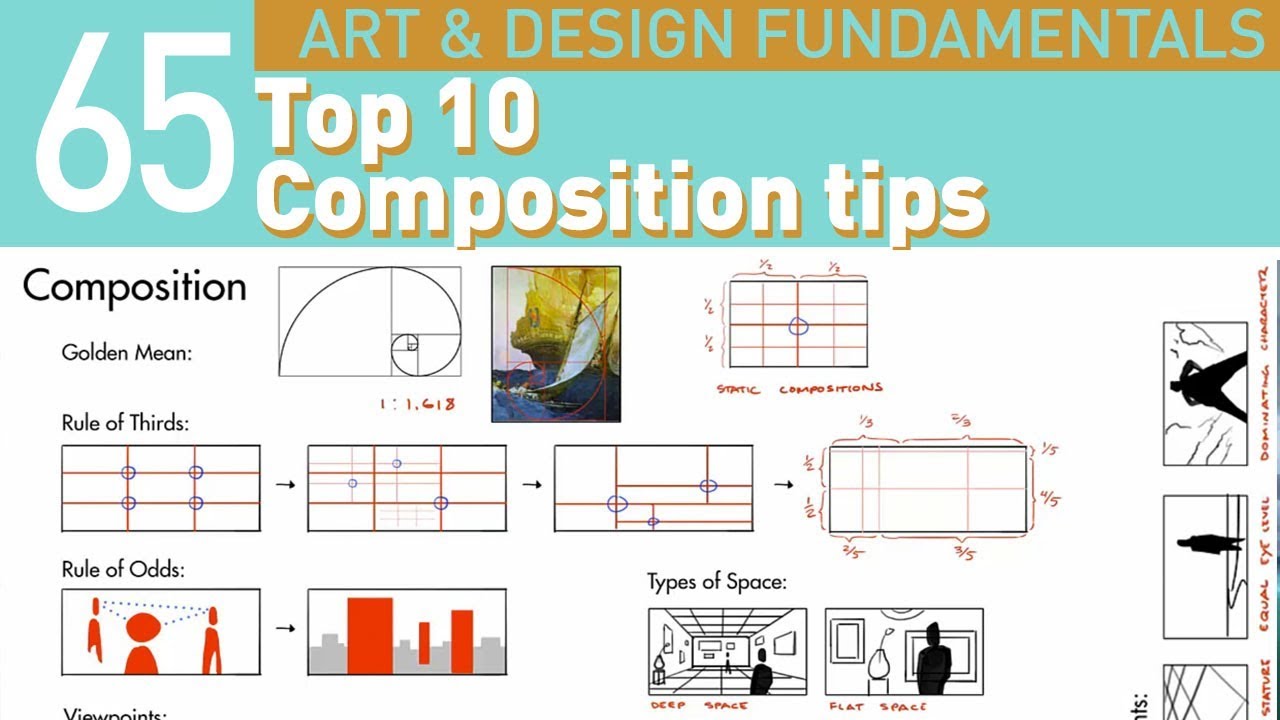
What is a composition?
The colors and shapes of a photograph
The placement and arrangement of elements in a work of art
The subject matter of an image
The caption of a photograph

This image shows which rule of composition?
Sub-Framing
Forced Perspective
Rule of Thirds
Leading Lines

Sub-Framing


"Noise" is when there are little blurry dots that make up the image., especially when the ISO number is higher.
True
False

"Painting with Light" is also called long exposure photography.
In silhouette photography, where should the light source be placed?
In front of your subject
Behind your subject
To the side of your subject
To accomplish a silhouette photo, you will set your exposure settings to correctly expose which part of your picture?
The background
Your subject
All three functions found in the exposure triangle are used to balance
lens
focus
light
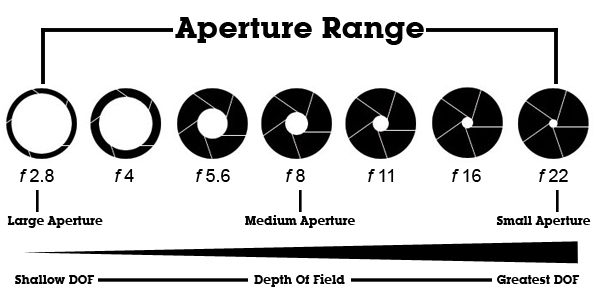
Aperture is the measure of the iris or opening in the
camera body
lens
shutter
Shutter speed is the measurement of ____ or how long the shutter remains open.
ISO
Aperture
Seconds
minutes
Light sensitivity whether it is digital or actual film is measured by
Shutter speed
ISO
Aperture
camera body
Which aperture has the widest opening letting in the most light and producing the shallowest depth of field?
F 1.4
F 2.8
F 8
F 22
Once a photographer has their ISO, Aperture, and Shutter speed set, they will never have to touch those settings again for any other environment.
True
False
The higher the ISO setting on the camera, the more possibility of ______
Noise or grain on the image
an underexposed image
using more battery power
If I want to let in the least amount of light into the camera via aperture, I would choose F stop ______.
F 1.4
F 22
F 5.6
F 8
Which of the following apertures produce the deepest depth of field?
F 1.4
F 8
F 11
F 22
The best way to control exposure on an image is to use
ISO
Aperture
Shutter Speed
All three
An image that is too dark is _____.
over exposed
under exposed
An image that is too bright is
over exposed
under exposed

This image shows
shallow depth of field
deep depth of field

This image shows a
fast shutter speed
slow shutter speed

This image shows a
fast shutter speed
slow shutter speed

Silhouette

macro
Silhouette

macro
Silhouette

macro
Silhouette

