wayground logo

Free Printable Worksheets

Font size

S
M
L
XL
Worksheets

AP biology final review

Total questions: 172

Worksheet time: 3hrs 58mins

Name
Class
Date
1.
All cells are surrounded by a thin, flexible barrier called a(n)
a)
electron microscopy
b)
cell wall
c)
cell membrane
d)
photo cell
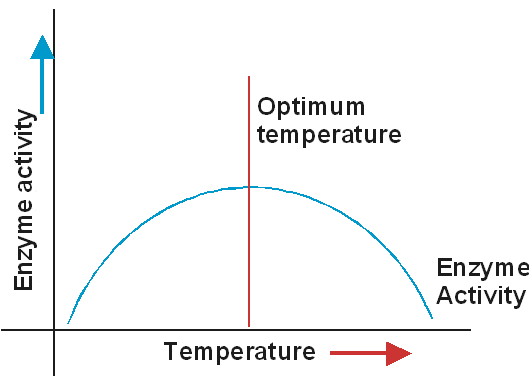
2.
_____ are cells that enclose their DNA in nuclei.
a)
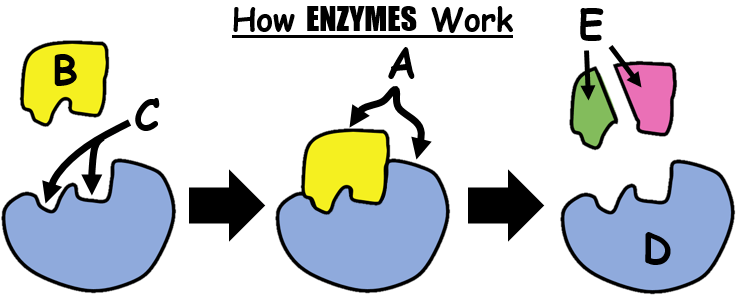
Phototophylites
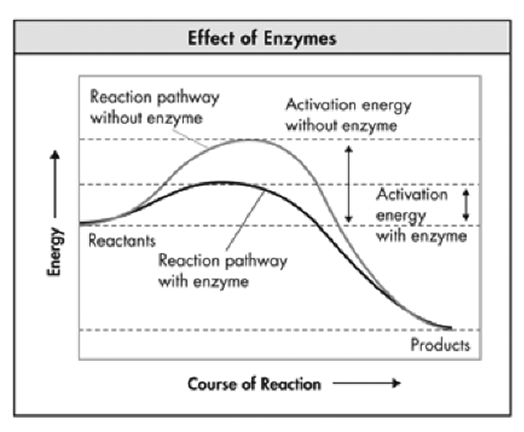
b)
Prokaryote
c)
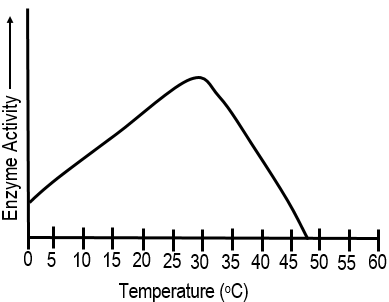
Eukaryote
d)
LocoKaryotes
3.
Meagan has a large membrane-enclosed structure within her cells that contain her DNA known as a(n) _______
a)
Necleo Peptide
b)
nucleus
c)
RNA marker
d)
ribozome
4.
_____ are located near the nucleus, help organize cell division, and are not found in plant cells.
a)
vacuoles
b)
centrioles
c)
chloroplasts
d)
organelles
5.
_____ cells contain an internal membrane system known as the ______ ____ where lipid components of the cell membrane are assembled along with proteins and other materials
a)
Eukaryotic, endoplasmic reticulum (ER)
b)
Prokaryotic, endoplasmic reticulum (ER)
c)
Mutant, oxygen exchanger
d)
New, permeable membrane
6.
Most prokaryotic cells produce a strong supporting layer around the cell membrane known as a(n) ___ ____. 
a)
plastic cellotite
b)
cell wall
c)
selective argroleme
d)
vacuole pyrite
7.
A group of similar cells that perform a particular function.
a)
tissue
b)
no cells are similar
c)
plutonium
d)
argon
8.
The _____ convert chemical energy stored in food into compounds the cells can use.
a)
lipid corigidors
b)
mitochondria
c)
celluliptaz
d)
permitria
9.
The ____ ____ gives cell membranes a flexible structure
a)
lipid bilayer
b)
lipid loped
c)
loped liped
d)
multi lingual
10.
When it is said that the more concentrated sugar solution is "above strength" then it is referring to _______.
a)
hyper-speed
b)
hyper-solution
c)
hypertonic
d)
supersonic
11.

This egg has shrunk, what type of solution was it placed in?

a)

hypotonic solution

b)

hypertonic solution

c)

isotonic solution

12.
What type of solution is this cell in?
a)
Isotonic
b)
Hypertonic
c)
Hypotonic
d)
diffused
13.
What type of solution allows water to enter the plant cell?
a)
hypotonic solution
b)
hypertonic solution
c)
isotonic solution
d)
active transport
14.
What type of solution is this cell in?
a)
Isotonic
b)
Hypertonic
c)
Hypotonic
d)
diffused
15.

Fill in the blank:

Osmosis is the movement of ________ across a cell membrane from high to low.

a)

Carbon dioxide

b)

Starch

c)

Water

d)

Oxygen

16.

In an isotonic solution which way will the water flow

a)

it will not flow at all

b)

it will flow into the cell

c)

it will flow both ways at equal rates

d)

out of the cell

17.

Which Type of solution is the middle cell placed in?

a)

Hypertonic

b)

Hypotonic

c)

Isotonic

d)

Robotonic

18.
The cell below is in a _____________ solution.
a)
Hypertonic
b)
Hypotonic
c)
Isotonic
19.

During osmosis

a)

water moves from high to low concentration

b)

large or oddly shaped molecules move across a cell membrane

c)

water moves when energy is used

d)

proteins are built

20.

_______ regulates what enters and leaves a cell.

a)

Cell Membrane

b)

Nucleus

c)

Mitochondria

d)

Cytoplasm

21.
What is the difference between active and passive transport?
a)
Active does not need energy and passive uses ATP (energy)
b)
Active uses ATP (energy) and passive does not need energy
c)
Active stores transport proteins and passive releases 
d)
Active uses hormones and passive does not 
22.
What are three types of passive transport
a)
Transport proteins, Endocytosis, Exocytosis
b)
None of the ones listed
c)
Osmosis, Diffusion, Facilitated diffusion 
d)
Touchdown, interception, football
23.
Diffusion is the movement of molecules from an area of higher concentration to an area of lower concentration.
a)
True
b)
False
24.
Some bacteria are metabolically active in hot springs because ____________
a)
their enzymes are insensitive to temperature
b)
they use molecules other than proteins as their main catalysts
c)
their enzymes have high optimal temperatures
d)
they are able to maintain an internal temperature much cooler than that of the surrounding water
25.
Which of these is NOT true?
a)
Enzymes can denature (change shape) when the temperature gets too high.
b)
Enzymes can only be used once in a chemical reaction. 
c)
Extreme pH can denature enzymes.
d)
Enzymes speed up chemical reactions. 
26.
At high temperatures enzyme activity declines because of:
a)
Denaturation
b)
Decreased Kinetic Motion
c)
Increased H-Bonding
d)
Dissociation of Ionic Compounds
27.
Letter D...
a)
active site
b)
enzyme
c)
substrate
d)
products
28.
The graph shows how enzymes affect reactions in cells. Which statement best summarizes the information shown in the graph?
a)
Enzymes increase the energy of the reactants.
b)
Enzymes decrease the energy level of the products.
c)
Enzyme decrease the activation energy of the reaction.
d)
Enzymes reverse the direction of the reaction.
29.
The part of the enzyme that the substrate bonds to is called the _____.
a)
active site
b)
activation energy
c)
bond site
d)
peptide bond
30.
Which of these is most likely an enzyme?  
a)
Sucrose
b)
Galactose
c)
Fructose
d)
Amylase
31.
Based on the graph, what is the optimal temperature for this enzyme? 
a)
15oC
b)
40oC
c)
30oC
d)
35oC
32.

The best way to speed up an enzymatic reaction would be

a)

Add more substrate

b)

Add more enzyme

c)

Increase the temperature

d)

Increase the salinity

33.
The energy needed to start a reaction
a)
activation energy
b)
adhesion energy
c)
chemical energy
d)
cohesion energy
34.

A --> B + C

a)

Anabolic

b)

Catabolic

35.

A + B --> C

a)

Anabolic

b)

Catabolic

36.
Main cellular energy molecule
a)
ATP
b)
ADP
c)
cAMP
37.
Which of the following correctly describes how enzymes work?  
a)
they lower the energy of the reactants to increase the rxn rate
b)
they supply energy to the reaction to increase the rxn rate
c)
they lower the energy of the products to increase the rxn rate
d)
they lower the activation energy of the reaction to increase the rxn rate
38.
What happens when enzymes are heated to a high temperature?
a)
The enzymes die.
b)
The shapes of the enzyme are altered or denatured
c)
The enzymes' amino acid sequence changes.
d)
The enzymes remain the same
39.
Which factors can change the shape of an enzyme and thus denatures a enzyme?
a)
Excessive heat and changes in pH
b)
Nothing can
c)
Exposure to light and sound
d)
Exposure to bacteria and Amoebas
40.
Every enzyme has a optimal temperature and pH. True or False?
a)
True 
b)
False
41.
Which of the following conclusions can be drawn from this graph?
a)
The optimum pH of the enzyme is 6.6.
b)
The optimum pH of the enzyme is 5.8
c)
The enzyme’s activity increases as pH increases 5.0 to 9.0
d)
The enzyme’s activity is greater around pH of 8.0 .
42.
The graph shows the relative rates of action of four enzymes, A, B, C, and D. Which enzyme shows the greatest change in its rate of action with the least change in pH?
a)
enzyme A 
b)
enzyme B 
c)
enzyme C
d)
enzyme D
43.

Enzymes in your body probably work best at which of the following temperatures>

a)

25oC

b)

98oC

c)

37oC

d)

210oC

44.
What is a peptide bond?
a)
Bond that holds two amino acids together.
b)
A bond that holds hydrogen and oxygen molecules together.
c)
A bond that holds the phosphate group of one nucleotide and a sugar of a neighboring nucleotide.
d)
A bond that is formed by the sharing of electrons.
45.
How many different amino acids are there?
a)
15
b)
20
c)
25
d)
30
46.
Enyzmes are a very important type of protein used to
a)
Build bones in skeleton
b)
Send hormonal signals throughout body
c)
Speed up chemical reactions
d)
Photosynthesize glucose in plants
47.
What is a protein: 
a)
A polymer composed of many sugars.
b)
A polymer composed of many amino acids. 
c)
A polymer composed of fatty acids. 
d)
A polymer composed of nucleotides. 
48.
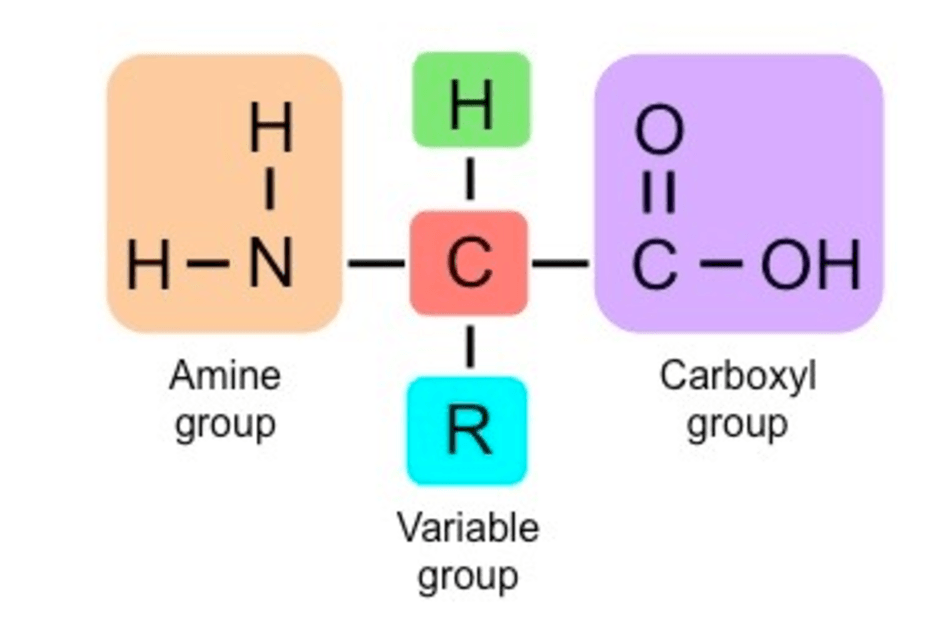
The diagram shows the structure of an amino acid. Which type of molecule is formed from amino acids?
a)
lipids
b)
proteins
c)
carbohydrates
d)
nucleic acids
49.
The structure of proteins can be changed by environmental factors such as temperature or pH.
a)
True
b)
False
50.
The diagram shows a bond forming between two amino acids. What is the name of this reaction?
a)
Dehydration Synthesis
b)
Hydrolysis
c)
Pepysis
d)
Oxidation
51.
When a protein unfolds, it is
a)
Denatured
b)
Building
c)
Adding amino acids
d)
Making food
52.
Each amino acid is different from the other due to....
a)
The R group
b)
The amino group
c)
The carboxyl group
d)
The central carbon
53.
Cells must produce many different enzymes because
a)
enzymes are quickly used up
b)
most cellular reactions require a specific, unique enzyme
c)
They have to have some way to use up the protein that they consume
d)
enzymes are not very effective at speeding up reactions
54.
Enzymes are...
a)
Proteins
b)
Nucleic Acids
c)
Sugars
d)
Lipids
55.
The polymer which folds into proteins
a)
Polypeptide
b)
Amino Acids
c)
Nucleic Acids
d)
Polynucleotides
56.
What elements make up amino acids?
a)
Carbon, hydrogen and oxygen only
b)
Carbon, hydrogen, oxygen and nitrogen only
c)
Carbon, hydrogen and phosphorus only
d)
Carbon, hydrogen, nitrogen and oxygen; and sometimes also sulfur
57.
The reaction used to digest and break the bond in red is:
a)
Hydrolysis
b)
Dehydration Synthesis
c)
Oxidation
d)
Single Displacement
58.
The primary sequence of a protein refers to the:
a)
Order of amino acids
b)
α-Helix or β-Pleated Sheet
c)
Interaction of subunits
d)
Hydrogen Bonding
59.
What is the monomer of a protein?
a)
amino acid
b)
monosaccharide
c)
fatty acid
d)
nucleic acid
60.
How many structures or stages are there in proteins?
a)
1
b)
2
c)
3
d)
4
61.
The two types of folding in the secondary structure are.....
a)
alpha-helix & beta-pleated sheets
b)
polypeptide & nucleotide
c)
globular & fibrous
62.
Our bodies can synthesize some of the essential amino acids we need, but where do we get the ones we cannot synthesize?
a)
eating animal protein
b)
taking a supplement
c)
eating plant protein
d)
drinking plenty of water
63.
What gives a protein its unique shape?
a)
the unique sequence of amino acids in its polypeptide chain
b)
the unique folding due to the sequence of amnio acids in the polypeptide chain
c)
hydrogen bonding & unique interactions between the 'R' groups
d)
all of these
64.
sequence
a)
C,D, B, A, F, E
b)
D,A,F,C,E,B
c)
B,E,C,F,A,D
d)
C,B,D,A E,F
65.
Structure (b) is a ____.
a)
chromosome
b)
chromatid
c)
centromere
66.
DNA is replicated during ______ of the cell cycle.
a)
G1
b)
S
c)
G2
d)
G0
67.

G1 is associated with what event?

a)

doubling of cell content

b)

DNA replication

c)

The beginning of mitosis

d)

breakdown of the nuclear membrane

68.

The amount of DNA in a cell is measured right after mitosis and found to be 8 picograms. How many picograms of DNA would be found in a nucleus in the G2 phase?

a)

4

b)

8

c)

16

d)

24

69.
Why do cells go through cell division
a)
Growth
b)
Reproduction
c)
Repair
d)
All of the above
70.
The phase of mitosis in which the sister chromatids separate from each other
a)
prophase
b)
metaphase
c)
anaphase
d)
telophase
71.
In mitosis, the two resulting cells are
a)
different from the starting cell and identical to each other.
b)
different from the starting cell and different from each other.
c)
identical to the starting cell and different from each other.
d)
identical to the starting cell and identical to each other.
72.
Which of the following shows the correct sequence of the cell cycle?
a)
Mitosis-> G1->S->G2->cytokinesis
b)
S->G1-> G2-> mitosis-> cytokinesis
c)
cytokinesis->mitosis->G1->S->G2
d)
 G1->S->G2->mitosis->cytokinesis
73.
In which phase of mitosis do the sister chromatids line up on the equator of the cell?
a)
Prophase
b)
Metaphase
c)
Anaphase
d)
Telophase
74.
In which phase of mitosis does the nucleus disappear, centrioles move to the poles, and chromosomes condense into sister chromatids?
a)
Prophase
b)
Metaphase
c)
Anaphase
d)
Telophase
75.
What phase does a cell stay in the longest?
a)
interphase
b)
cell division
c)
cytokinesis
d)
mitosis
76.
What is the role of the spindle during mitosis?
a)
It divides the cell in half.
b)
It duplicates the DNA.
c)
It breaks down the nuclear membrane.
d)
It helps separate the chromosomes.
77.
A pair of identical chromosomes shown in a karyotype, one inherited from mom, and one inherited from dad are called
a)
sister chromotids
b)
centromeres
c)
homologous chromosomes
d)
autosomes
78.
What is the sex of this individual?
a)
female
b)
male
79.

Matter

a)

has mass.

b)

All of the choices are correct.

c)

occupies space.

d)

is what life is composed of

e)

is composed of elements.

80.

Which of the following elements is Not one of the six most common in living organisms?

a)

carbon

b)

oxygen

c)

iron

d)

nitrogen

e)

hydrogen

81.

The are ___ naturally occurring elements.

a)

57

b)

108

c)

95

d)

92

e)

87

82.

Which term is based on the Greek root word for "uncut" or "indivisible"?

a)

atom

b)

element

c)

molecule

d)

chemical

e)

electron

83.

Which statement is Not true about subatomic particles?

a)

Protons are found in the nucleus.

b)

Neutrons have no electrical charge.

c)

Electrons contain much less mass than neutrons.

d)

Electrons are found in orbitals around the nucleus.

e)

All electrons in an atom contain the same amount of energy.

84.

An atom's atomic number is best described as the number of

a)

protons it contains

b)

neutrons it contains

c)

electrons in the outermost shell

d)

protons and neutrons it contains

e)

protons and electrons it contains

85.

An atom's atomic mass is best described as the mass of

a)

protons it contains

b)

neutrons it contains

c)

electrons in the outermost shell

d)

protons and neutrons it contains

e)

protons and electrons it contains

86.

The characteristic way in which atoms of an element react is most related to the

a)

number of electrons in the outermost shell

b)

number of electrons in the innermost shell

c)

number of neutrons in the outermost shell

d)

number of neutrons in the nucleus

e)

size of the nucleus

87.

Potential energy is best described as the

a)

ability to do work

b)

energy of motion of molecules

c)

energy that comes from the sun

d)

energy in the nucleus of an atom

e)

stored energy that is available to do work

88.

Which of the following statements is Not true about electron configurations?

a)

If an atom has only one shell, it is complete with two electrons.

b)

If an atom has two or more shells, the octet rule applies.

c)

If an atom has two or more shells, the outer shell is complete with eight electrons.

d)

Atoms with more than eight electrons in the outer shell react by gaining electrons.

e)

Atoms with eight electrons in the outer shell are not reactive at all.

89.

10. An orbital is best described as

a)

the electron shell closest to the nucleus.

b)

the outermost electron shell of an atom.

c)

the volume of space in which electrons are most often found.

d)

the original energy level of electrons in photosynthesis.

90.

An atom, such as calcium, which has two electrons in the outer shell, would most likely

a)

share to acquire a complete outer shell.

b)

lose these two electrons and become a negatively charged ion.

c)

lose these two electrons and become a positively charged ion.

d)

bind with carbon by way of hydrogen bonds.

e)

bind with another calcium to satisfy its energy needs.

91.

In which of these are the electrons shared unequally?

a)

double covalent bond

b)

triple covalent bond

c)

hydrogen bond

d)

polar covalent bond

e)

ionic and covalent bonds

92.

During a chemical reaction, the loss of an electron from an atom or molecule is termed

a)

reduction

b)

cellular respiration

c)

kinetics

d)

oxidation

e)

metabolism

93.

Typically, nitrogen atoms are composed of seven electrons, seven protons, and seven neutrons. An isotope of nitrogen could

A) B) C) D) E)

a)

be negatively charged.

b)

have more than seven electrons and more than seven protons.

c)

have more than seven protons.

d)

have more than seven neutrons.

e)

be positively charged.

94.

In the equation 2 H2 +O2 = 2H2O,

a)

only H2 and O2 are compounds.

b)

H2, O2, and H2O are all trace elements.

c)

H2, O2, and H2O are all compounds.

d)

only H2O is a compound.

e)

H2, O2, and H2O are all elements.

95.

What is the fundamental difference between covalent and ionic bonding?

a)

Covalent bonding involves only the outer electron shell; ionic bonding also involves the next inner electron shell.

b)

In a covalent bond, the partners have identical electronegativity; in an ionic bond, one of them is more electronegative.

c)

Covalent bonds form between atoms of the same element; ionic bonds, between atoms of different elements.

d)

In a covalent bond, the partners share a pair of electrons; in an ionic bond, one partner captures an electron from the other.

e)

In covalent bonding, both partners end up with filled outer electron shells; in ionic bonding, one partner does and the other does not.

96.

The electron-dot structure of carbon has how many dots?

a)

2

b)

4

c)

6

d)

8

97.

Which of the following is the strongest bond?

a)

Ionic

b)

Covalent

c)

Hydrogen

d)

Van der Waals

e)

Hydrophobic interactions

98.

What type of bond would form between two nitrogen atoms (7 protons)?

a)

ionic

b)

hydrogen

c)

single covalent

d)

double covalent

e)

triple covalent

99.
When does crossing over occur?
a)
Interphase
b)
Prophase 1
c)
Prophase 2
d)
Metaphase 1
100.

If a stem cell (body cell) has 24 chromosomes, how many will it have at the end of meiosis?

a)

24

b)

12

c)

6

d)

the number varies per species

101.

Meiosis results in ______.

a)

4 genetically unique haploid gametes

b)

4 genetically unique diploid cells

c)

2 genetically identical cells

d)

4 genetically identical cells

102.
The chromosomes that pair up during meiosis, are called __________ chromosomes.  
a)
homozygous 
b)
asexual
c)
homologous
d)
genes
103.
When homologous chromosomes match up, they form a structure call a ___________.
a)
tetrad
b)
triad
c)
diploid
d)
gamete
104.
What phase is  shown in the picture?
a)
anaphase 1
b)
anaphase 2
c)
metaphase 1
d)
telophase 1
105.

Two processes that increase genetic variation during meiosis are crossing over and _____

a)

Synapsis

b)

Tetrad

c)

Independent assortment

d)

Gameiosis

106.

A haploid cell has

a)

three sets of chromosomes

b)

one set of chromosomes

c)

two sets of chromosomes

d)

four sets of chromosomes

107.
Human eggs and sperm are _____, and each has ____ chromosomes.
a)
diploid, 23
b)
diploid, 46
c)
haploid, 23
d)
haploid, 46
108.
What kind of cells are made in MEIOSIS?
a)
Haploid Gametes
b)
Diploid Somatic Cells
c)
Skin Cells
d)
Liver Cells
109.
A male shark has 40 chromosomes in each of its sex cells. How many would be present in its body cells?
a)
20
b)
40
c)
80
d)
160
110.

What is one of the advantages of reproducing sexually versus asexually?

a)

underproduction of offspring

b)

overproduction of offspring

c)

genetic variation

d)

artificial selection

111.
What phase is represented?
a)
metaphase 1
b)
metaphase 2
c)
anaphase 1
d)
anaphase 2
112.
Identify the phase.
a)
Telophase I
b)
Telophase II
c)
Metaphase I
d)
Metaphase II
113.

Haploid cells are represented by

a)

2n

b)

n

c)

1/2 n

d)

4n

114.
Chiasmata are what we see under a microscope that let us know which of the following is occurring?
a)
Crossing over
b)
Anaphase II
c)
Meiosis II
d)
e. Separation of homologs
115.

The organelle located within centrosome region of animal cells; aids in spindle fiber formation

a)

Chromatid

b)

Centriole

c)

Centromere

d)

Centrosome

116.
What is this a picture of?
a)
Nitrogen cycle
b)
carbon cycle
c)
water cycle
d)
plant cycle
117.

How does N2 get into soil?

a)

N2 diffuses into the pore spaces between the soil particles

b)

Legumes pull it in.

c)

gravity. It's not just a good idea, it's the Law.

d)

1st Law of Thermodynamics

118.
How does carbon dioxide leave the atmosphere?
a)
Through transpiration
b)
Through photosynthesis
c)
Through factory emission
d)
Sunlight
119.
Which process takes Carbon Dioxide from the air and converts it into a form of carbon used by living things?
a)
Precipitation
b)
Photosynthesis
c)
Respiration
d)
Bioremdiation
120.

Cellular respiration is the process by which ____________ is consumed and _______________ is produced.

a)

Carbon, Oxygen

b)

Oxygen, Carbon dioxide

c)

H20, oxygen

d)

Carbon, H2O

121.
A particular golf course is using large amounts of nitrogen fertilizer. What process could move this nitrogen into a local stream?
a)
volatilization
b)
nitrogen fixation
c)
runoff
d)
ammonification
122.
Growing legumes such as alfalfa or soy beans increases
a)
denitrification
b)
nitrogen fixation
c)
ammonification
d)
ammonium oxidation
123.
Which of the following describes the role of nitrogen-fixing bacteria in the nitrogen cycle? Nitrogen-fixing bacteria convert
a)
nitrates intro nitrogen gas
b)
ammonia into proteins
c)
nitrogen gas into ammonia
d)
proteins into nitrates
124.
Organisms use nitrogen to form
a)
carbohydrates and lipids
b)
proteins and lipids
c)
lipids and nucleic acids
d)
proteins and nucleic acids
125.

The nitrogen cycle is a biogeochemical cycle because it moves ?

a)

only between living things (biosphere)

b)

only in the soil (geosphere)

c)

between living things, the soil, and air

d)

only in the air (atmosphere)

126.
When nitrogen gas is turned in to a form that plants and animals can use is called 
a)
Combustion
b)
Photosynthesis
c)
Decomposition
d)
Nitrogen Fixation
127.
What happens when organisms die and decay? 
a)
Their nitrogen moves to the air as nitrogen gas
b)
Their nitrogen returns to the soil as ammonium
c)
Their nitrogen becomes tapped in clay and is unusable
d)
They stay on earth forever
128.
Carbon dioxide is added to the atmosphere by
a)
Burning fossil fuels 
b)
Cellular respiration
c)
Decomposing organic matter
d)
All answers are correct
129.
During photosynthesis, carbon is moved from which reservoir (sink) to which reservoir (sink)?
a)
From the atmosphere to the terrestrial biosphere.
b)
From the troposphere to the terrestrial biosphere.
c)
From the lithosphere to the terrestrial biosphere.
d)
From the hydrosphere to the terrestrial biosphere
130.
Which of the following processes converts C6H12O6 to an inorganic molecule CO2
a)
translation
b)
photosynthesis
c)
cellular respiration
d)
excretion
131.

Denitrifying bacteria convert

a)

NH4+ to N2

b)

NH4+ to NO3

c)

N2 to NH4+

d)

nitrogen to energy

132.
If the atmosphere is 78% N2, why can't we just get our nitrogen by breathing?
a)
We have no mechanism to break the triple bond of nitrogen between the atoms.
b)
Our lungs would be damaged by the N2.
c)
We need Oxygen for cellular respiration.
d)
The legumes take it up first.
133.
Which is NOT a process of the water cycle?
a)
precipitation
b)
freezing
c)
transpiration
d)
evaporation
134.
The process of plants losing water through their leaves is called ____.
a)
condensation
b)
evaporation
c)
transpiration
d)
exhaling
135.
What are the swellings found on the roots of legumes called?
a)
noodles
b)
nodularisms
c)
nodules
d)
tubers
136.
How much of the atmosphere is composed of nitrogen gas?
a)
87%
b)
38%
c)
78%
d)
21%
137.
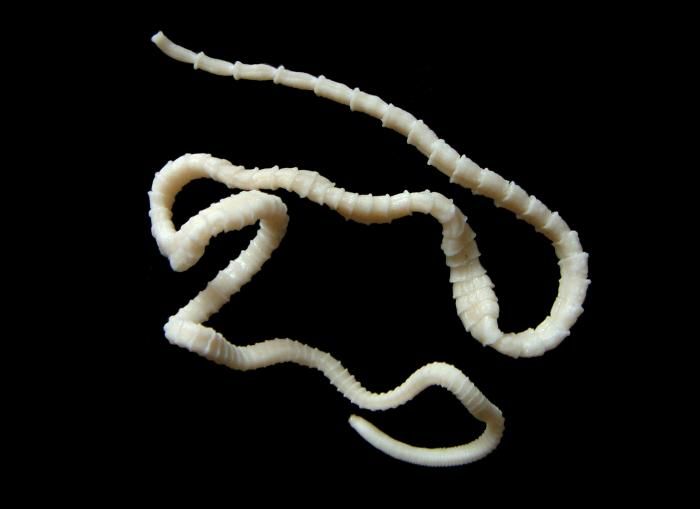
A tapeworm and a cat have this type of relationship.
a)
mutualism
b)
parasitism
c)
commensalism
d)
competition
138.

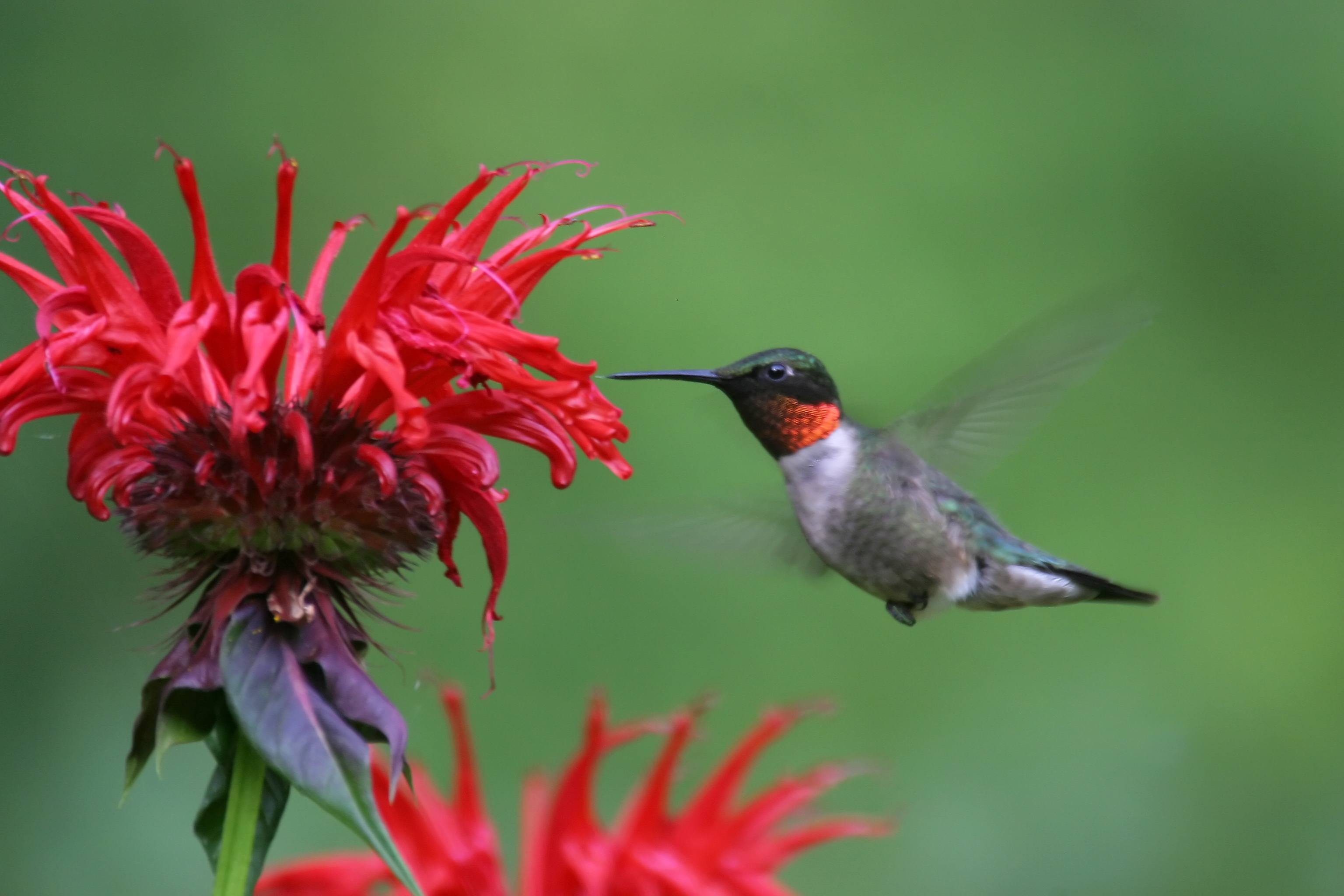
Type of symbiosis: Hummingbirds feed on nectar from flowers. The flowers are pollinated by hummingbirds as they move from flower to flower.

a)

commensalism

b)

mutualism

c)

parasitism

d)

predation

139.

Type of symbiosis: Skunks often live in burrows that have been dug and abandoned by woodchucks.

a)

commensalism

b)

mutualism

c)

parasitism

d)

predation

140.

Bird & Tree: A bird builds a nest in a hole in the trunk of the tree. It is protected from the rain and predators. The tree is not harmed or helped by the bird.

a)

Mutualism

b)

Commensalism

c)

Parasitism

d)

Competition

141.
A human & a Tape Worm: The tape worm gets a place to live in the intestines of the human and food from the human. The human loses weight and nutrients from the tape worm.
a)
Mutualism
b)
Commensalism
c)
Parasitism
142.
Bees use flower nectar for food, and they carry flower pollen to other flowers, allowing the flower to reproduce.
a)
Mutualism
b)
Commensalism
c)
Parasitism
143.
Starfish are probably the most important predator in the shallow ecosystem because they eat basically anything that they can come across. Their feeding activities control the whole ecosystem. This is an example of the starfish ___.
a)
habitat
b)
biotic factors
c)
tolerance level
d)
niche
144.
Tree kangaroos live in the upper branches of trees in the rainforests of Queensland, as well as on the island of New Guinea. This is an example of the tree kangaroos ___.
a)
niche
b)
habitat
c)
community
d)
population
145.
A relationship in which two species live closely together.
a)
resource
b)
mutualism
c)
succession
d)
symbiosis
146.
What is the name of an animal that is hunted and eaten by other animals?
a)
producer
b)
prey
c)
predator
d)
decomposer
147.

What level of ecological organization would include all squirrels that live in the same area?

a)

biome

b)

community

c)

ecosystem

d)

population

148.
All the different populations that live together in an area make up a(n)
a)
community.
b)
ecosystem.
c)
organism.
d)
species.
149.
Several species of warblers can live in the same spruce tree ONLY because they
a)
have different habitats within the tree.
b)
don’t eat food from the tree.
c)
occupy different niches within the tree.
d)
can find different temperatures within the tree.
150.

A symbiotic relationship in which one organism is harmed and another benefits is

a)

mutualism

b)

parasitism.

c)

commensalism.

d)

predation.

151.
Is a concentrated area with abundant populations of one plant, animal or other living organism (where something lives)
a)
Habitat
b)
Niche
c)
Ecosystem
d)
Ecology
152.
Are unique relationships developed over time by organisms needing to adapt to  various ecosystems within their habitat
a)
Habitat
b)
Niche
c)
Ecosystem
d)
Ecology
153.
All of the following statements concerning characteristics of predator-prey relationship are correct EXCEPT:
a)
Camouflage is an adaptation that protects prey.
b)
A rise in the population of predators is followed by a decreased in the population of prey.
c)
A rise in the population of prey is often followed by a rise in the population of predators.
d)
The population of predators most often eliminates the population of prey
154.
When two species of cattails are grown together, they grow at different water depths and coexist.  When grown alone, they grow at similar water depths.  Which of the following is best demonstrated by the data?
a)
natural selection
b)
character displacement
c)
resource partitioning
d)
ecological succession
155.
Many poisonous animals are brightly colored (red or orange) as a warning to predators.  The special coloration is called
a)
Mullerian mimicry
b)
Batesian mimicry
c)
aposematic coloration 
d)
mutualistic coloration
156.
Which of the following represents several species of brightly colored, harmless snakes looking like poisonous coral snakes?
a)
commensalism
b)
mutualism
c)
batesian mimicry
d)
mullerian mimicry
157.
Which of the following represents several species of poisonous snakes bearing bright colors of red, black, and yellow?
a)
commensalism
b)
mutualism
c)
batesian mimicry
d)
mullerian mimicry
158.

Suppose that in sheep, a dominant allele (B) produce black hair and a recessive allele (b) produce white hair. If you saw a black sheep, you would be able to identify

a)

its phenotype for hair color

b)

its genotype for hair color

c)

the genotype of only one of its parents

d)

the phenotype of both of its parents

159.
One of the main reasons genes assort independent of one another  is that 
a)
they produce unrelated traits
b)
they produce related traits
c)
they are on the same chromosome
d)
they are on different chromosomes.
160.
In humans, hemophilia is an X-linked recessive trait. If a man and a woman have a son who is affected with hemophilia, which of the following is definitely true?
a)
The mother carries an allele for hemophilia
b)
The father carries an allele for hemophilia
c)
The father is afflicted with hemophilia
d)
both parents carry an allele for hemophilia
161.
In peas, the trait for tall plants is dominant (T) and the trait for short plants is recessive (t).  The trait for yellow seeds is dominant (Y) and the trait for green seeds is recessive (y).
A cross between two plants results in 292 tall, yellow plants and 103 short, green plants.  What are the most likely genotypes of the parents?
a)
TtYY x Ttyy
b)
TTYy x TTYy
c)
TTyy x TTYy
d)
TtYy x TtYy
162.

A researcher crossed a male Drosophila melanogaster having a grey body and long wings with a female D. melanogaster having a black body and apterous wings. The following distribution of traits was observed in the offspring.

What conclusion is supported by the data?

a)

The alleles for gray body and long wings are dominant.

b)

The alleles for gray body and long wings are recessive.

c)

Genes for the two traits are located on two different chromosomes, and independent assortment occurred.

d)

Genes for the two traits are located close together on the same chromosome, and crossing over occurred between the two gene loci.

163.

Butterflies of the genus Colias live in the Rocky Mountains, where they experience a wide range of temperatures. Different variants of a particular glycolytic enzyme in the flight muscles are optimally active at different temperatures. Within the same population, some individual butterflies fly most effectively at 29°C , while others fly most effectively at 40°C. Still others can be equally active at both temperatures.


Which of the following claims is most consistent with the observed butterfly behavior?

a)

Butterflies that express two variants of the enzyme are active over a greater range of temperature

b)

Butterflies that are active over a wide range of temperatures produce greater amounts of the enzyme.

c)

Temperature has little effect on the activity of butterflies.

d)

Butterflies that are active at warmer temperatures produce more offspring

164.

Gregor Mendel’s pioneering genetic experiments with pea plants occurred before the discovery of the structure and function of chromosomes. Which of the following observations about inheritance in pea plants could be explained only after the discovery that genes may be linked on a chromosome?

a)

Pea color and pea shape display independent inheritance patterns.

b)

Offspring of a given cross show all possible combinations of traits in equal proportions.

c)

Most offspring of a given cross have a combination of traits that is identical to that of either one parent or the other.

d)

Recessive phenotypes can skip a generation, showing up only in the parental and F2 generations.

165.

If 2n = 48 for a particular cell, then the chromosome number in each cell after meiosis would be

a)

96

b)

48

c)

24

d)

12

166.

A male fruit fly (Drosophila melanogaster) with red eyes and long wings was mated with a female with purple eyes and vestigial wings. All of the offspring in the F1 generation had red eyes and long wings. These F1 flies were test crossed with purple-eyed, vestigial-winged flies. Their offspring, the F2 generation, appeared as indicated below.


If in the F1 and F2 generations the same characteristics appeared in both males and females, it would be safe to assume that these traits for eye color and wing length are...

a)

are sex-linked

b)

are sex-influenced characteristics

c)

are autosomal characteristics

d)

follow the Mendelian rule of independent assortment

167.

A male fruit fly (Drosophila melanogaster) with red eyes and long wings was mated with a female with purple eyes and vestigial wings. All of the offspring in the F1 generation had red eyes and long wings. These F1 flies were test crossed with purple-eyed, vestigial-winged flies. Their offspring, the F2 generation, appeared as indicated below.


Based on the F1 generation, what was the phenotype of the male fruit fly?

a)

RRLL

b)

RrLl

c)

rrll

d)

RRll

168.

The pedigree of a family with a history of a particular genetic disease is shown below. Squares represent males and circles represent females. Shaded symbols represent those who have the disease.


If Individual 2 were to marry a woman with no family history of the disease, which of the following would most likely be true of their children?

a)

All of the children would have the disease.

b)

None of the children would have the disease

c)

Only the sons would have the disease

d)

All of the sons would be carriers of the disease

169.

The pedigree of a family with a history of a particular genetic disease is shown below. Squares represent males and circles represent females. Shaded symbols represent those who have the disease


If Individual 6 marries a woman with the disease, what is the probability that their first child will have the disease?

a)

0

b)

25%

c)

50%

d)

75%

170.

In garden peas, a single gene controls stem length. The recessive allele (t) produces short stems when homozygous. The dominant allele (T) produces long stems. A short-stemmed plant is crossed with a heterozygous long-stemmed plant. Which of the following represents the expected phenotypes of the offspring and the ratio in which they will occur?

a)

3 long-stemmed plants: 1 short-stemmed plant

b)

1 long-stemmed plant: 1 short-stemmed plant

c)

1 long-stemmed plant: 3 short-stemmed plants

d)

Long-stemmed plants only

171.

In most vertebrates, the sperm cell normally contributes which of the following to the new organism?

a)

Many mitochondria

b)

Significant amounts of RNA

c)

A haploid complement of chromosomes

d)

Most of the cytoplasm of the zygote

172.

The process depicted in the image above is best summarized by which of the following descriptions?

a)

During the synthesis phase of the cell cycle, DNA molecules replicate to generate identical daughter cells

b)

Centromeres align specific gene sequences of homologous chromosomes during mitotic divisions.

c)

The spindle apparatus attaches at chiasma during metaphase of mitosis.

d)

During meiosis, crossing over leads to recombination of alleles between homologous chromosomes