wayground logo

Free Printable Worksheets

Font size

S
M
L
XL
Worksheets

2022 Physical Science Review

Total questions: 76

Worksheet time: 39mins

Name
Class
Date
1.
A(n) __________ is a pure substance made of only one type of atom.
a)
compound
b)
element
c)
proton
d)
electron
2.
An atom is made up of how many different types of subatomic particles?
a)
One
b)
Two
c)
Three
d)
Four
3.
Where are protons found in an atom?
a)
The nucleus
b)
Energy level
c)
The atomic mass
d)
By electrons
4.
What are the rows of the Periodic Table of Elements called?
a)
Columns
b)
Groups
c)
Periods
d)
Lines
5.
The numbered row of the Periodic Table of Elements tells you how many _________ an element has.
a)
neutrons
b)
protons
c)
atoms
d)
energy levels
6.
Examples of elements that are gases and not reactive are called ___________.
a)
metals
b)
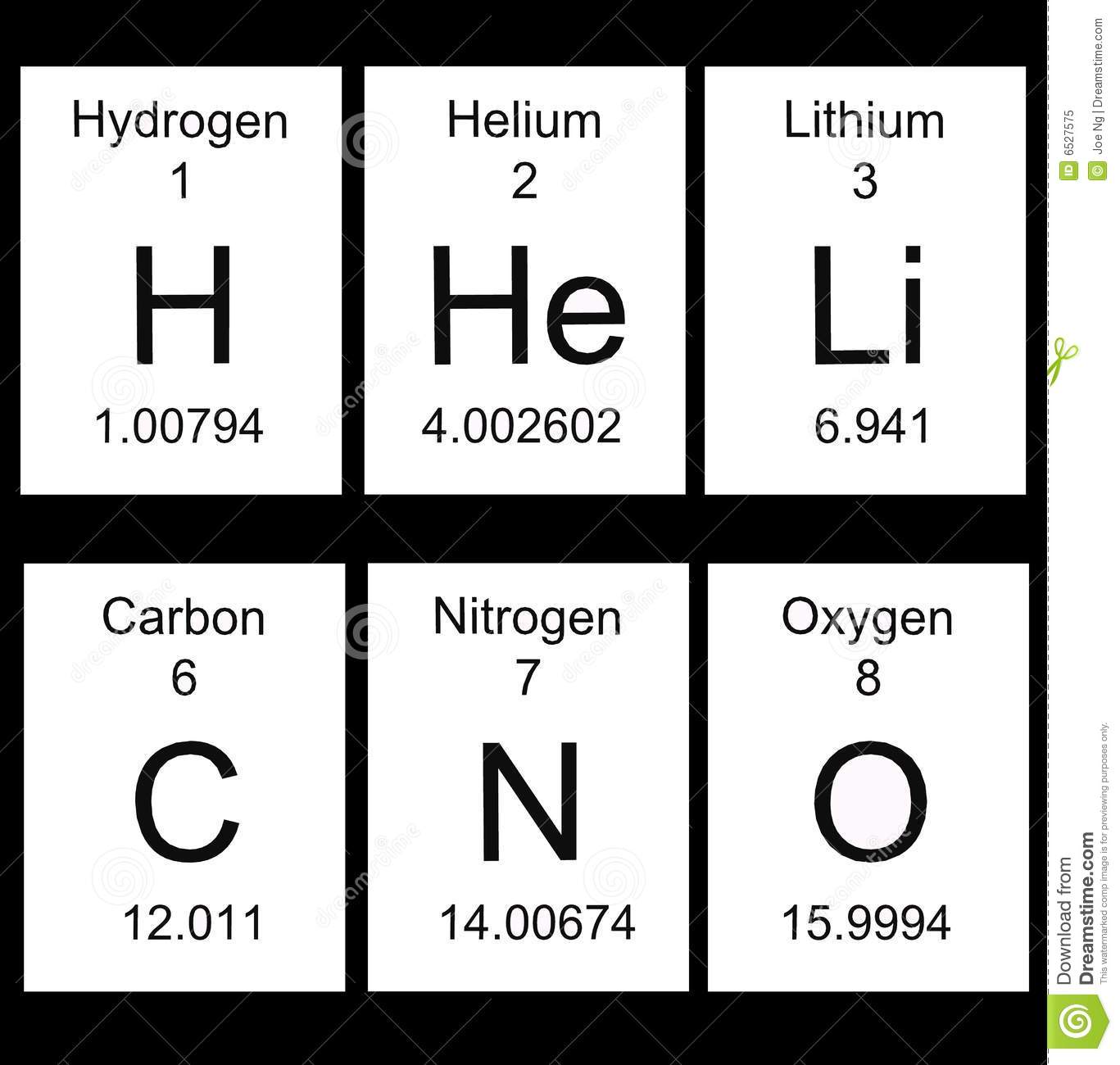
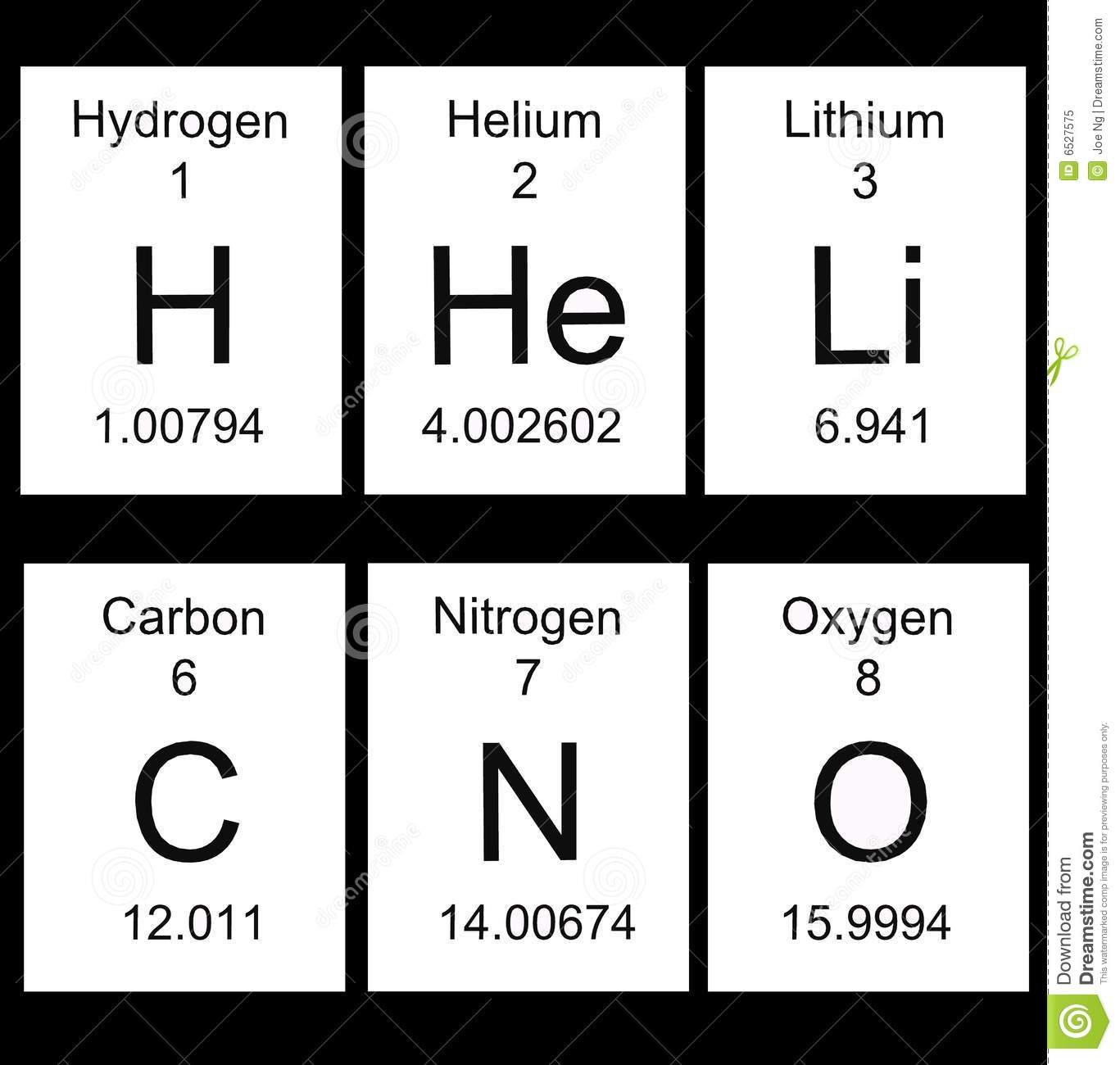
non-metals
c)
metalloids
d)
noble gases
7.
________ are good conductors of electricity; they are often shiny solids at room temperature.
a)
Non-metals
b)
Metalloids
c)
Metals
d)
Noble gases
8.
The __________ tells you how many protons an element has.
a)
atomic number
b)
atomic mass
c)
energy levels
d)
electrons
9.
To find the number of neutrons, you subtract the atomic ________ from the atomic ________.
a)
mass; number
b)
number; mass
c)
electrons; protons
d)
neutrons; electrons
10.
What chart should you reference to lookup information about elements?
a)
Elemental map
b)
Periodic Table of Elements
c)
Table of atoms
d)
None of the above
11.
Protons and neutrons clump together to form the __________ of an atom.
a)
nucleus
b)
centrosome
c)
outer shell
d)
orbital
12.
This subatomic particle of an atom has a POSITIVE charge.
a)
Electron
b)
Neutron
c)
Proton
d)
Betatron
13.
This subatomic particle of an atom has NO charge.
a)
Electron
b)
Proton
c)
Atom
d)
Neutron
14.
This subatomic particle of an atom has a NEGATIVE charge.
a)
Electron
b)
Proton
c)
Atom
d)
Neutron
15.
Which of these is the simplest atom?
a)
Uranium
b)
Chlorine
c)
Oxygen
d)
Hydrogen
16.
______ is an ELEMENT since it is only made up of one type of atom.
a)
Water
b)
Air
c)
Gold
d)
Salt
17.
Atoms are more than ________ times smaller than the width of a hair.
a)
10
b)
100
c)
1,000
d)
10,000
18.
A molecule is made up of ____ or more atoms.
a)
1
b)
2
c)
3
d)
4
19.
True or False
In a chemical reaction, no new atoms are created, and no atoms are destroyed. 
a)
true
b)
false
20.
A chemical change is different than a physical change because in a chemical change
a)
Chemicals are used
b)
Molecules do not physically touch
c)
A new substance is formed and in a physical change no new substance is formed
d)
The change can be seen but in a physical change it cannot
21.
The left side of the equation below is called
a)
Products
b)
Reactants
22.
The right side of the equation below is called the
a)
products
b)
reactants
23.
Which statement is not a description of a chemical reaction?
a)
A solid is dropped into a beaker of liquid and a gas is released.
b)
Two liquids are mixed in a beaker and a solid forms at the bottom of the beaker.
c)
A solid is dropped into a beaker of liquid and an explosion occurs.
d)
A liquid is heated in the sun and half of it evaporates.
24.
A number in front of a chemical formula in an equation that indicates how many molecules or atoms of each reactant and product are involved in a reaction.
a)
Coefficient
b)
reactant
c)
subscript
d)
product 
25.
A chemical reaction that absorbs heat
a)
Single replacement
b)
Exothermic
c)
Endothermic
d)
Decomposition
26.
Which of the following is NOT a sign of a chemical reaction? 
a)
Color changes
b)
Cutting into fourths
c)
Light is produced
d)
Gas is formed
27.
In a chemical reaction
a)
The atoms of the reactants always stay together to form the products
b)
The atoms of the reactants unbond, rearrange, and then rebond to form the products
c)
New atoms are formed which combine to make the products
d)
Some atoms disappear while others multiply to form the products
28.

According to the law of conservation of mass, matter cannot be created or (a)  

29.

Look at the chemical equation.


How many atoms of mercury (Hg) are in the reactants?

(a)  

30.

Look at the chemical equation.


How many atoms of oxygen (O) are in the reactants?

(a)  

31.

Look at the chemical equation.


How many atoms of oxygen (O) are in the products?

(a)  

32.

Look at the chemical equation.


How many atoms of oxygen (O) are in the products?

(a)  

33.

Look at the chemical equation.


How many atoms of carbon (C) are in the products?

(a)  

34.

Look at the chemical equation.


How many atoms of hydrogen (H) are in the products?

(a)  

35.
Thermal energy comes from the ______ energy of the atoms and molecules that make up the matter.
a)
Chemical
b)
Electrical
c)
Kinetic
d)
Nuclear
36.
Kinetic energy is the energy of ______.
a)
Motion
b)
Position
c)
Reaction
d)
Sound
37.
What happens to an object as its thermal energy increases?
a)
It heats up.
b)
It cools down.
c)
It doesn't change.
d)
It might freeze.
38.
As kinetic energy of the molecules in a substance increases, the temperature __________.
a)
increases
b)
decreases
c)
stays the same
d)
Atoms don't have kinetic energy
39.
Atoms have kinetic energy because they are always ______.
a)
exploding
b)
motionless
c)
reacting
d)
vibrating
40.
Temperature measures the ______ kinetic energy of the atoms in a substance.
a)
average
b)
maximum
c)
minimum
d)
total
41.
A substance might freeze when thermal energy is ______ the substance.
a)
added to
b)
removed from
c)
created in
d)
destroyed in
42.
Removing thermal energy from a substance causes its atoms to vibrate ______.
a)
constantly
b)
faster
c)
slower
d)
in circles
43.
Thermal energy always moves from a ______ area to a ______ area.
a)
bigger, smaller
b)
colder, hotter
c)
higher, lower
d)
warmer, cooler
44.
A chemical reaction that ______ energy can be used to heat up other substances.
a)
absorbs
b)
consumes
c)
maintains
d)
releases
45.

The energy of moving particles is called _____.

a)

sound energy

b)

heat or thermal energy

c)

light energy

d)

mechanical energy

46.

When particles are heated they begin to ____.

a)

move faster

b)

mover slower

c)

move up

d)

jump out of the pot

47.
A barefoot student steps on a hot concrete surface. Most of the heat transferred to the student’s skin by this contact is by the process of—
a)
convection
b)
conduction
c)
vaporization
d)
radiation
48.
The diagram to the right shows a solid iron bar that is being heated in a flame. The primary method of heat transfer in the solid iron bar is—
a)
convection
b)
conduction
c)
absorption
d)
radiation
49.
Thermal energy comes from the ______ energy of the atoms and molecules that make up the matter.
a)
Chemical
b)
Electrical
c)
Kinetic
d)
Nuclear
50.
Thermal energy comes from the ______ energy of the atoms and molecules that make up the matter.
a)
Chemical
b)
Electrical
c)
Kinetic
d)
Nuclear
51.

What is an example of a convection current?

a)

Touching a hot spoon that was in a soup bowl.

b)

Feeling the suns rays on a nice summer day.

c)

Touching an iron skillet after cooking and feeling the heat.

d)

Movement of gas in a hot air balloon.

52.
Helium balloons rise on earth because
a)
helium is less dense than air
b)
helium is more dense than air
c)
helium is cooler than air
d)
helium is warmer than air
53.
What two types of measurements make up DENSITY
a)
Mass and Volume
b)
Temperature and Mass
c)
Grams and Centimeters
d)
Volume and Weight
54.
In an ocean, warm water moves __________ and cold water moves ____________.
a)
Down, Up
b)
Up, Down
55.

What type of energy transfer happens when a person places their hands in front of the fire to warm them up?

a)

Convection

b)

Conduction

c)

Radiation

56.

What type of energy transfer happens when a person use an electric blanket to get warm?

a)

Convection

b)

Conduction

c)

Radiation

57.

What type of energy transfer happens inside a greenhouse to warm up the air and allow vegetables to grow during the day?

a)

Convection

b)

Conduction

c)

Radiation

58.

What type of energy transfer happens with warm air rising from a fireplace to the second level in a cabin?

a)

Convection

b)

Conduction

c)

Radiation

59.

What type of energy transfer happens when you place your hands near a light bulb and feel the heat?

a)

Convection

b)

Conduction

c)

Radiation

60.

What type of energy transfer happens when you roast a marshmallow OVER the fire?

a)

Convection

b)

Conduction

c)

Radiation

61.

What type of energy transfer happens when your hands are warmed by a hot cup of chocolate?

a)

Convection

b)

Conduction

c)

Radiation

62.

What type of energy transfer happens when the great ocean conveyor belt moves Earth's water around the globe?

a)

Convection

b)

Conduction

c)

Radiation

63.

Who invented the Periodic Table?

a)

Mendeleev

b)

Bohr

c)

Lewis

d)

Democritus

64.

Rows on the periodic table are called ___________.

a)

Periods

b)

Sentences

c)

Fences

65.

The columns in the periodic table are called ___________.

a)

Towers

b)

Herds

c)

Groups

66.

Elements in the same group have __________

a)

Similar Properties

b)

Same number of shells

c)

Similar Mass

67.

What do all elements in the same period have?

a)

same number of shells

b)

same number of electrons

c)

belong in the same family

68.
The Modern Periodic Table of Elements is arranged by
a)
atomic mass
b)
atomic number
c)
valence electrons
d)
number of isotopes
69.

The letter, C, is a ... of carbon.

a)

Name

b)

Nickname

c)

Chemical Symbol

d)

Pseudonym

70.
Which element is found in group 2 period 4?
a)
Strontium (Sr)
b)
Barium (Ba)
c)
Calcium (Ca)
d)
Beryllium (Be)
71.
Which element is found in group 18 period 1?
a)
Neon (Ne)
b)
Helium (He)
c)
Chlorine (Cl)
d)
Krypton (Kr)
72.
Which element is found in group 18 period 4?
a)
Neon (Ne)
b)
Chlorine (Cl)
c)
Krypton (Kr)
d)
Xenon (Xe)
73.
Which element is found in group 1 period 2
a)
Lithium
b)
Magnesium
c)
Beryllium
d)
Potassium
74.
The number at the bottom of each square on the periodic table is the ...
a)
atomic number
b)
atomic mass
c)
chemical symbol
d)
element name
75.
The number at the top of each square on the periodic table is the ...
a)
atomic number
b)
atomic mass
c)
Chemical Symbol
d)
Element Name
76.
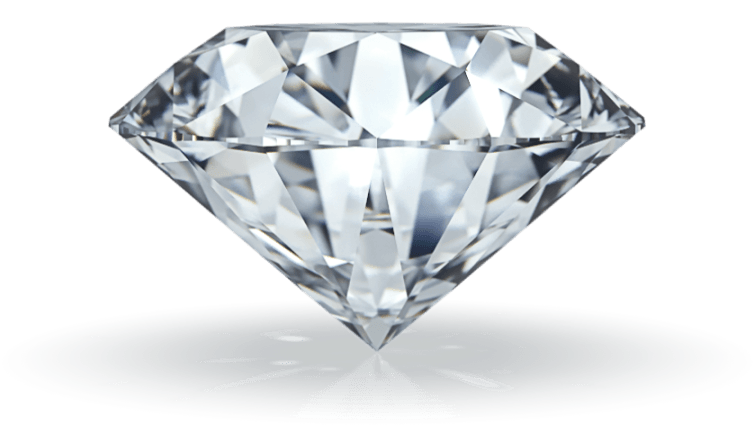
Diamonds are a pure form of what element?
a)
Carbon
b)
Oxygen
c)
Silicon
d)
Silver