wayground logo

Free Printable Worksheets

Font size

S
M
L
XL
Worksheets

Bundle 4 This and That

Total questions: 25

Worksheet time: 56mins

Name
Class
Date
1.
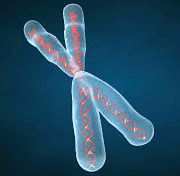
The yellow part of this picture is DNA. What do you think the turquoise part around it is?
a)
chromosome
b)
gene
c)
DNA
d)
ACTG
2.
DNA is inside your cells. What part of the cell is the DNA inside of?
a)
cell membrane
b)
cytoplasm
c)
nucleus
3.

The number of human chromosomes is

a)

23

b)

46

c)

92

d)

64

4.
How are similarities passed from parent to offspring?
a)
through teaching
b)
through learning
c)
through blood
d)
through genes
5.
Which statement about DNA is true?
a)
Different people can have the same copy of DNA in their cells.
b)
DNA is made up of genes that carry hereditary information.
c)
DNA controls the genotype but not the phenotype of an organism.
d)
DNA controls the genotype only in the second and third generations.
Question
6.
Why are your chromosomes arranged in pairs?
a)
Scientists have no idea
b)
Because you get one from your mom and one from your dad
c)
Because pairs can divide easier
d)
Because DNA is awesome
7.

From smallest to largest how would genetic information be organized?

a)

genes, cell, nucleus, chromosome, DNA

b)

chromosome, cell, gene, DNA, nucleus

c)

DNA, gene, chromosome, nucleus, cell

d)

nucleus, cell, gene, DNA, chromosome

8.

What is an allele?

a)

A trait

b)

Different forms of a gene

c)

DNA

d)

Different types of parents

9.

This scientist studied pea plants and was considered to be the "Father of Genetics".

a)

Reginald Punnett

b)

Gregor Mendel

c)

Charles Darwin

d)

Rosalind Franklin

10.
What are the building blocks of proteins called?
a)
DNA
b)
RNA
c)
Ribosomes
d)
Amino Acids
11.
Any change in the sequence of DNA is...
a)
transgenic shift
b)
Single Genotype
c)
Monohybrid Trait
d)
Mutation
12.

Mutations are__________

a)

Harmful

b)

Harmful or beneficial

c)

Neutral

d)

Harmful, neutral, or beneficial

13.

A mutation is a change in an organism's _____________.

a)

Cell

b)

DNA

c)

Phenotype

d)

Ribosome

14.
Original: ATC CAT
Mutation: ATC GCAT
What mutation occurred?
a)
deletion
b)
insertion
c)
silent
d)
transverse
15.
Original DNA: CAT GAT
New DNA: CAT AT
What mutation occurred?
a)
deletion
b)
substitution 
c)
tranverse
d)
insertion
16.

Can DNA mutations(changes) be passed on to offspring?

a)

yes

b)

no

17.
What is it called when body cells grow uncontrollably
a)
Spinal Stenosis
b)
Anemia
c)
Cancer
18.
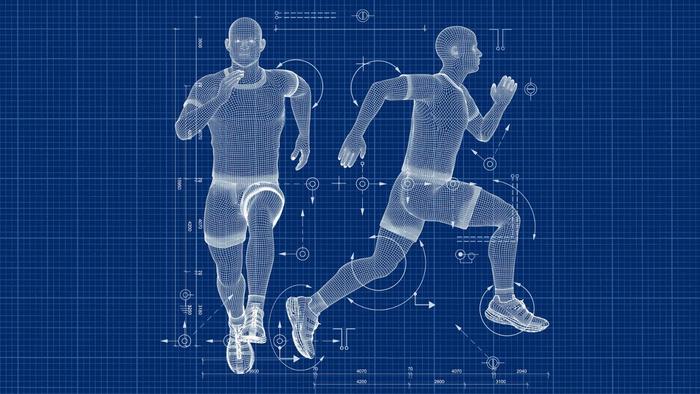
DNA is often considered the "______________" of life.
a)
Blueprint
b)
Mistake
c)
Swimming Pool
d)
Smelly Cheese
19.
Where do mutations occur?
a)
DNA and RNA
b)
DNA 
c)
RNA
d)
mRNA and tRNA
20.
Which are the 4 DNA bases?
a)
RNA, adenine, thymine, guanine
b)
uracil, adenine, guanine, thymine,
c)
adenine, thymine, cytosine guanine
d)
RNA, DNA, ribosome, protein
21.
These molecules are made up of amino acids.
a)
proteins
b)
bases
c)
ribosomes
d)
nucleii
22.
In a DNA molecule, which of the following bases pair together?
a)
adenine and cytosine
b)
thymine and adenine
c)
thymine and guanine
d)
cytosine and thymine
23.
What does DNA stand for?
a)
Deoxyribonucleic acid
b)
Denitrogenous acid
c)
Deribonucleic acid
d)
Diribonucleic acid
24.
Genetic traits are passed from ________ to ________.
a)
parent; offspring
b)
chromosomes; traits
c)
DNA; genes
d)
offspring; parents
25.

Genetic mutations can be...

a)

beneficial, harmful, or neutral

b)

beneficial only

c)

harmful only

d)

neutral only