wayground logo

Free Printable Worksheets

Font size

S
M
L
XL
Worksheets

Ecology and Human Impact

Total questions: 26

Worksheet time: 34mins

Name
Class
Date
1.

What is an invasive species?

a)

An organism that is new to an environment that has positive effects on the environment.

b)

An organism that is native to an environment that has negative effects on the environment.

c)

An organism that is new to an environment that has negative effects on the environment.

d)

An organism that is native to an environment that has positive effects on the environment.

2.

Invasive species can crowd out native species.

a)

TRUE

b)

FALSE

3.
Increased carbon dioxide may cause global warming by trapping more ____________ in the atmosphere.
a)
water
b)
gases
c)
heat
d)
water vapor
4.

Which of these are fossil fuels? Select all fossil fuels listed.

a)

steam

b)

coal

c)

gas

d)

oil

5.

The main human activity that releases greenhouse gases is

a)

using public transportation and there by reduce the affects of greenhouse gases.

b)

burning fossil fuels

c)

texting on cellphones

d)

eating meat

6.
What gas from the list below is a cause for global warming?
a)
Urethane
b)
Oxygen
c)
Carbon Dioxide
7.
Which natural process removes carbon dioxide from the atmosphere?
a)
forest fires
b)
volcanic eruptions
c)
cellular respiration
d)
photosynthesis
8.
Which of the following have been linked to climate change?  
a)
droughts
b)
flooding
c)
melting of polar ice caps
d)
all of the above
9.

Burning fossil fuels (like coal) to generate electricity releases sulfur dioxide and nitrogen oxides which react with gases in the atmosphere. This leads to precipitation called:

a)

ozone

b)

acid rain

c)

greenhouse gases

d)

methane

10.
What is deforestation?
a)
Clearing Earth's forests on a massive scale
b)
Eating too much vegetables
c)
Going to a forest and pulling weeds
d)
Clearing the five trees in my backyard
11.
What are the effects of deforestation ?
a)
loss of habitat
b)
increased green house gasses 
c)
soil erosion and flooding
d)
all of the above
12.

All of the following are causes for biodiversity loss, EXCEPT:

a)

Habitat Loss

b)

Invasive Species

c)

Replanting trees

d)

Pollution

13.
 Which biome is more likely to survive a change in the environment?
a)
High (rich) biodiversity
b)
Low (poor) biodiversity
14.

High biodiversity makes it more likely that the ecosystem will be able to keep functioning after a disturbance, such as disease or natural disaster.

a)

True

b)

False

15.

High biodiversity is a sign of a healthy ecosystem.

a)

True

b)

False

16.

The ozone layer protects us from

a)

Increased atmospheric heat

b)

CFCs

c)

UV rays

d)

Decreased atmospheric heat

17.
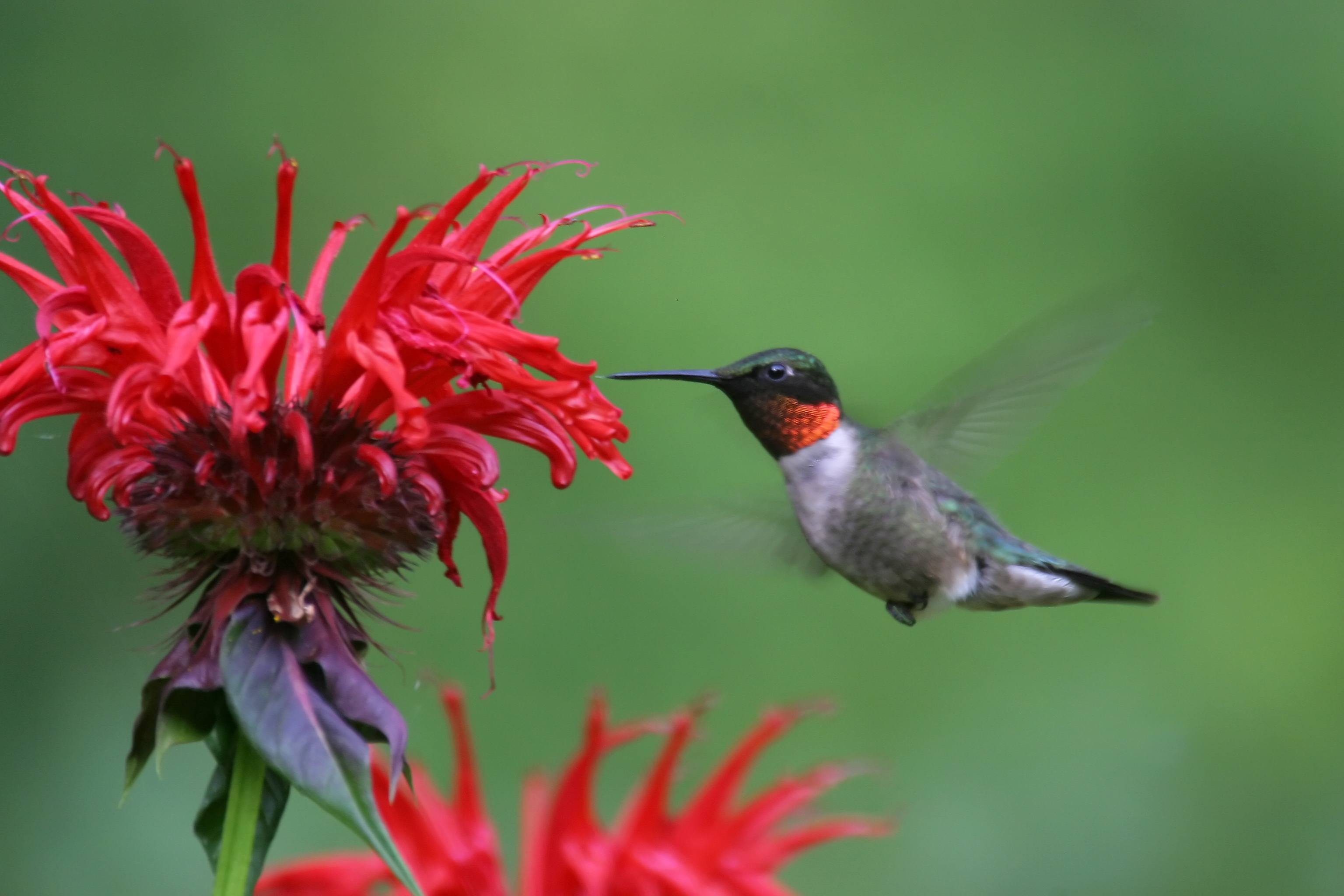
What type of symbiosis?  Hummingbirds feed on nectar from flowers.  The flowers are pollinated by hummingbirds as they move from flower to flower.
a)
commensalism
b)
mutualism
c)
parasitism
d)
predation
18.
A relationship between two organisms in which one organism benefits and the other is unharmed...
a)
Mutualism 
b)
Competition
c)
Parasitsm 
d)
Commensalism 
19.
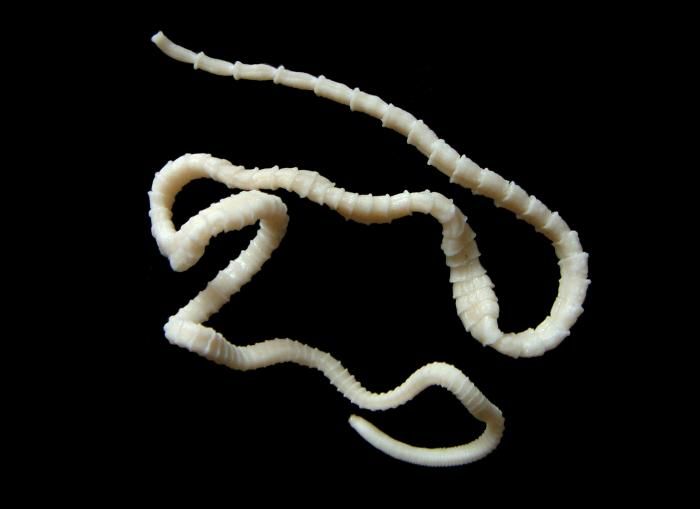
A tapeworm and a cat have this type of relationship.
a)
mutualism
b)
parasitism
c)
commensalism
d)
competition
20.
These are interactions where organisms struggle to get the resources they need.
a)
grocery shopping
b)
hunger
c)
competition
21.
An organism's role in a community is its' _____
a)
 Niche 
b)
Competition 
c)
Mutualism
d)
Parasitism
22.

According to the graph, what is causing the deer population to decrease

a)

They got sick

b)

The wolf population is decreasing

c)

The wolf population increased

d)

They ran out of food

23.
Biotic means
a)
living
b)
nonliving
24.

Predator population lags behind prey population because......

a)

Increase in predators leads to decrease in prey

b)

Increase in predators leads to increase in prey

c)

Increase in predators leads to decrease in producers

d)

Increase in producers leads to increase in prey

25.
A change in the acidity of mountain lakes would most likely be a result of
a)
A) ecological succession of the area at the top of the mountain
b)
B) the introduction of new species into the lakes
c)
C) air pollution from smoke stacks miles away
d)
D) planting grasses and shrubs around the lakes
26.
Water from nearby rivers or lakes is usually used to cool down the reactors in nuclear power plants. The release of this heated water back into the river or lake would most likely result in
a)
A) an increase in the sewage content in the water
b)
B) a change in the biodiversity in the water
c)
C) a change in the number of mutations in plants growing near the water
d)
D) a decrease in the amount of sunlight necessary for photosynthesis in the water