wayground logo

Free Printable Worksheets

NEW

Font size

S
M
L
XL
Worksheets

Respiratory System Review

Total questions: 22

Worksheet time: 16mins

Name
Class
Date
1.
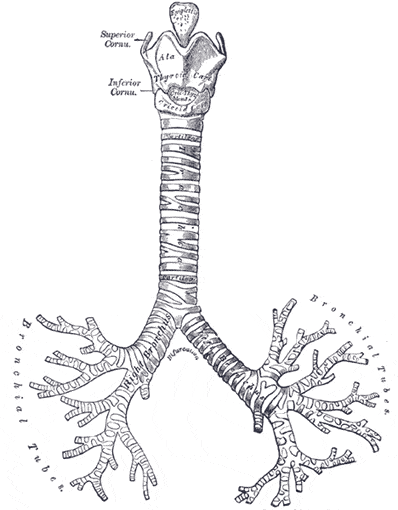
Given the following structures:
1. larynx
2. nasal cavity
3. pharynx
4. trachea
Which of the following is the correct order that air would flow during inhalation. 
a)
1,2,3,4
b)
2,3,1,4
c)
2,1,3,4
d)
4,2,3,1 
2.
The two main branches from the trachea (one to each lung)
a)
bronchi
b)
alveoli
c)
capillaries
d)
bronchioles
3.
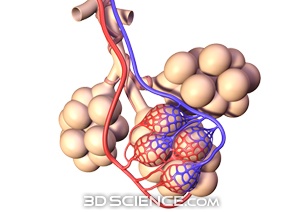
The air sacs that are covered with capillaries where gas exchange takes place
a)
bronchi
b)
lungs
c)
oxygen
d)
alveoli
4.
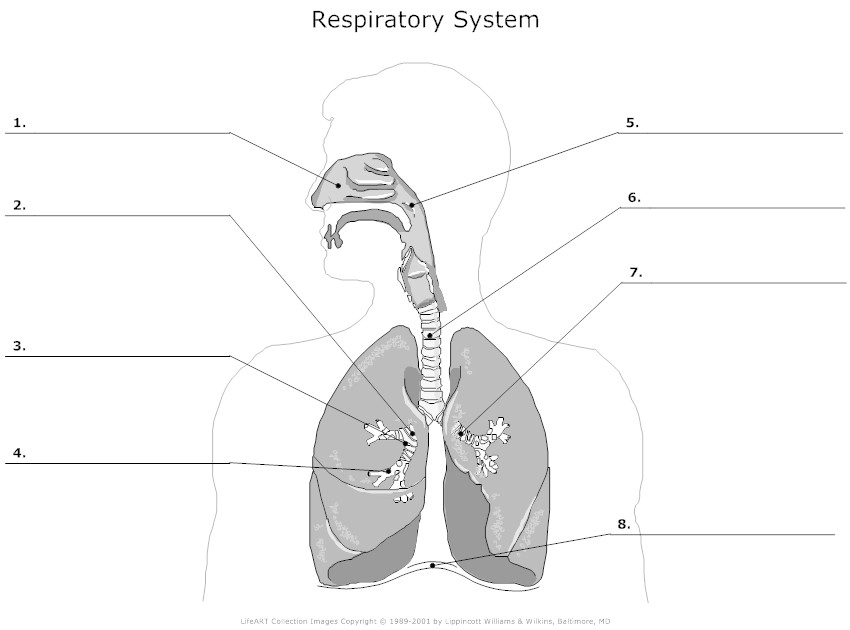
Name the organ label # 6. 
a)
alveoli 
b)
bronchi 
c)
trachea 
d)
lungs 
5.
Name the structure labeled 8 
a)
lungs 
b)
trachea 
c)
diaphragm 
d)
alveoli 
6.

When you breathe, your lungs take in ___ and remove ___.

a)

air/oxygen

b)

oxygen/carbon dioxide

c)

carbon dioxide/waste

d)

waste/air

7.
What does the Larynx hold ?
a)
The larynx holds the whole sub system 
b)
The larynx is part of the plant cells. 
c)
The larynx holds the vocal chords. 
d)
The larynx is part of animal tissues. 
8.
a flap of tissue that closes when we eat so food doesn't not go down the trachea
a)
larynx
b)
pharynx
c)
trachea
d)
epiglottis
9.

When air is pushed OUT of the lungs, what is the correct order for the tubes it passes through?

a)

bronchiole -> bronchi -> trachea -> nose

b)

bronchi -> bronchiole -> trachea -> nose

c)

trachea-> bronchi -> bronchiole-> nose

10.

What keeps your bronchi and bronchiole tubes open?

a)

cartilage rings

b)

ligament squares

c)

ciliated cells

d)

muscle

11.
The trachea...
a)
extends from the nasal cavity to the bronchi
b)
is lined with cilia
c)
lies posterior to the esophagus
d)
is the passageway for food into the stomach
12.

Gaseous exchange happens because of...

a)

Osmosis

b)

Respiration

c)

Diffusion

d)

Semi-permeable membranes

13.

When you breathe in (inspiration), what happens to the air pressure inside the lungs?

a)

it increases

b)

it decreases

c)

it stays the same

14.

When you breathe in, what does the diaphragm do?

a)

it contracts and moves up

b)

it contracts and moves down

c)

it relaxes and moves up

d)

it relaxes and moves down

15.

Which is the correct reaction for cellular respiration?

a)

O2 + CO2 → H2O + nutrients + energy

b)

O2 + nutrients → H2O + CO2 + energy

c)

O2 + energy → H2O + nutrients + CO2

d)

O2 + nutrients + energy → H2O + CO2

16.

Which part of the respiratory system contains many blood vessels that allow the air to be warmed up when it is breathed in?

a)

the nasal passages

b)

the trachea

c)

the bronchi

d)

the pharynx

17.
Which is the correct pathway that blood takes as it leaves the heart, circulates throughout the body, and returns to the heart?
a)
arterioles, arteries, venules, veins, capillaries
b)
veins, venules, capillaries, arteries, arterioles
c)
arterioles, arteries, capillaries, veins, venules
d)
arteries, arterioles, capillaries, venules, veins
18.
Which is the correct sequence of blood flow through the heart and lungs?
a)
left ventricle, left atrium, lungs, right ventricle, right atrium
b)
right atrium, right ventricle, lungs, left atrium left ventricle
c)
lungs, right atrium, right ventricle, left atrium, left ventricle
d)
right atrium, right ventricle, left atrium, left ventricle, lungs
19.
What is the function of the bronchi?
a)
Transport air from nose to lungs
b)
Transport air from trachea to lungs
c)
Transport air from lungs to alveoli
d)
Transport air from alveoli to blood
20.

What type of cells carry oxygen in the blood?

a)

red blood cells

b)

white blood cells

21.

Which lung has 2 lobes?

a)

Right

b)

Left

22.

Olfactory receptors are located in the mucosa of the nose. What are these receptors used for?

a)

sight

b)

smell

c)

touch

d)

taste