
 Worksheets
Thermochemistry review
Total questions: 30
Worksheet time: 30mins
In an endothermic reaction, heat is ...
taken in
given out
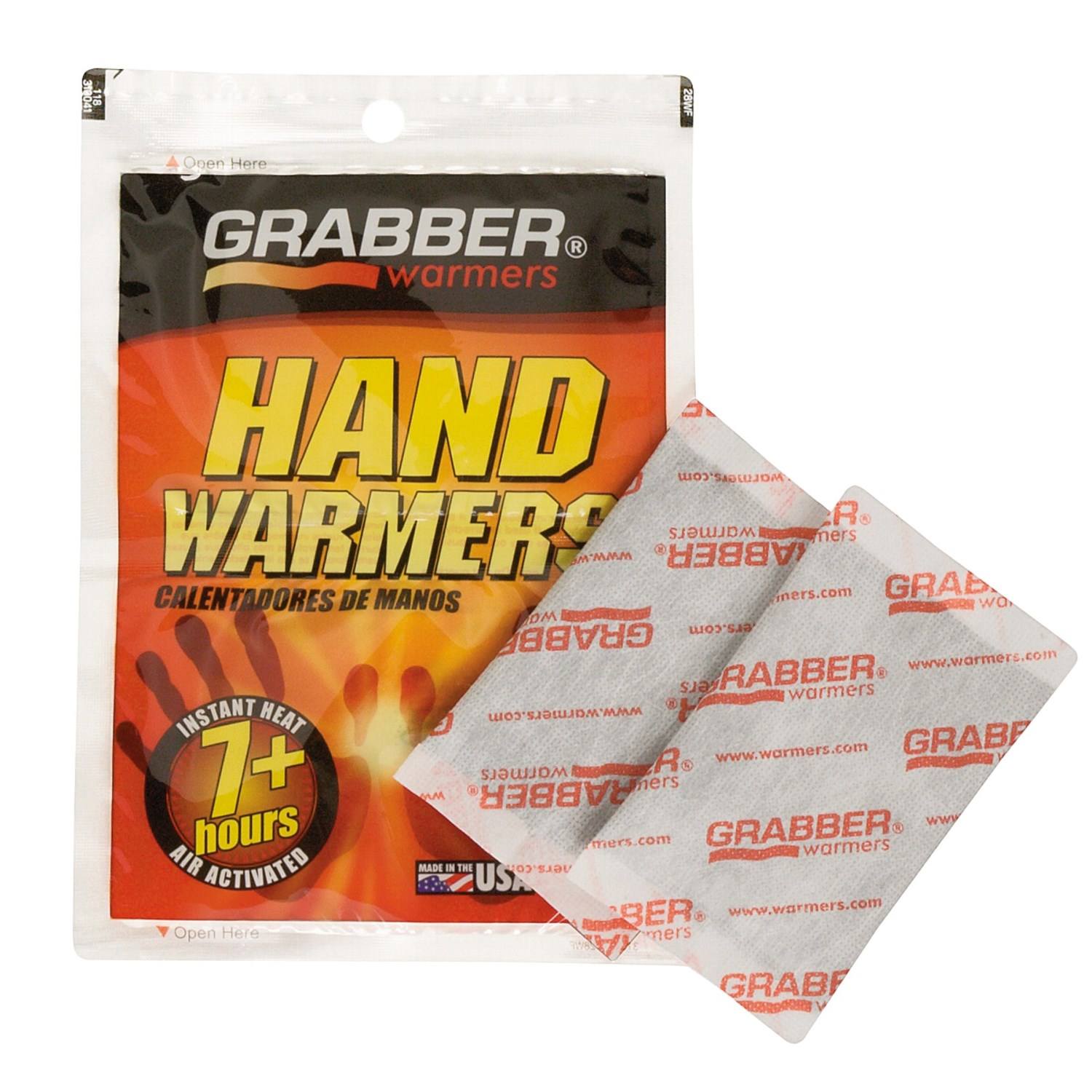
What type of reaction occurs in a hand warmer?
exothermic
endothermic
What term is given to a reaction which transfers heat energy to the surroundings?
Endothermic
Reversible
Exothermic
Explosion
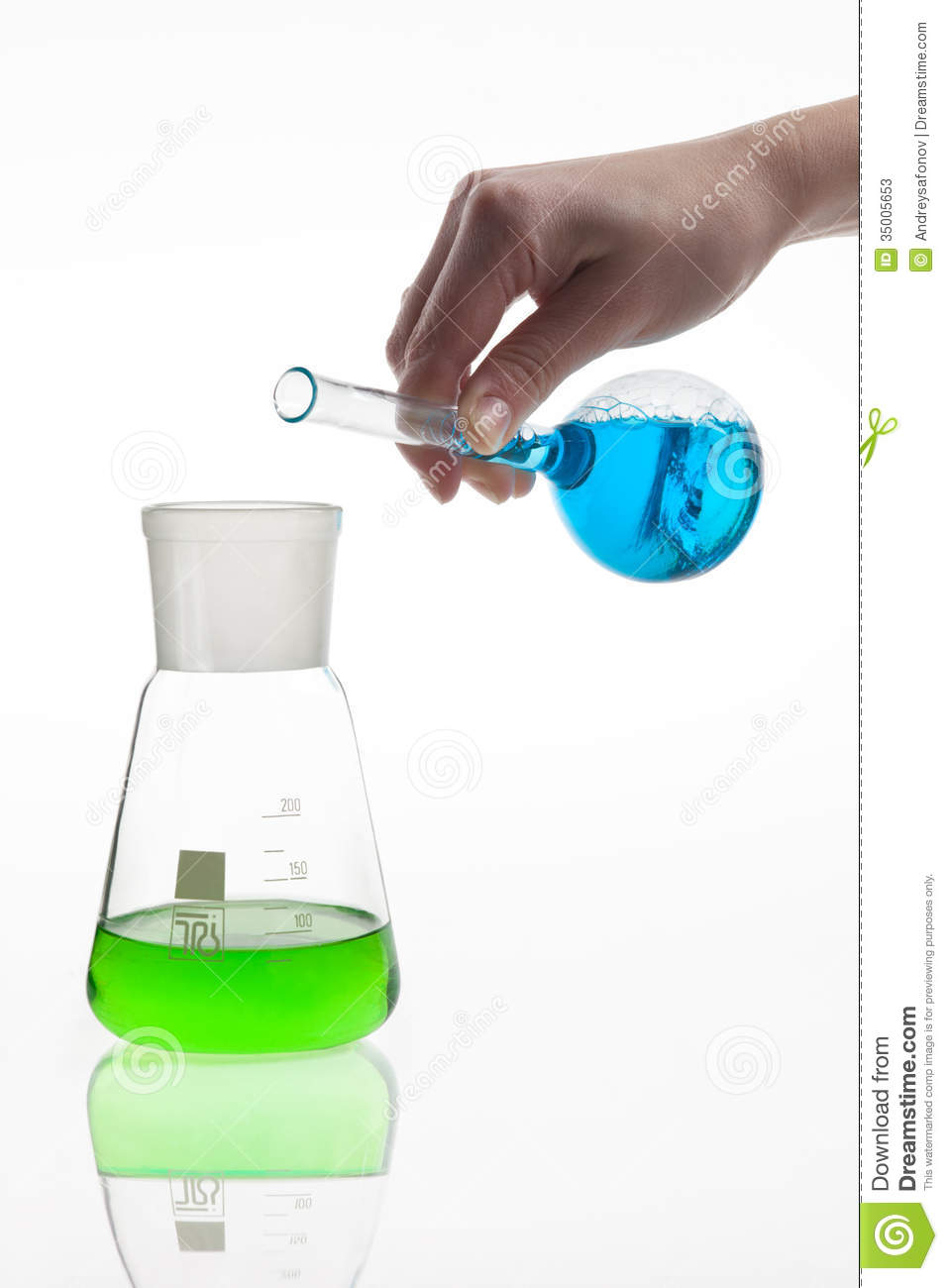
A student mixed two chemicals to allow them to react. The temperature before the reaction was 25 ° C. The temperature after the reaction was 18° C. Which of the following is true? (choose all that apply)
The heat was transferred from the surroundings to the system
the heat was destroyed
In a reaction the energy required to break bonds is less than the energy released when bonds are made. What type of reaction is this?
Exothermic
Endothermic
Which of the following process is exothermic?
Candle was melting
A puddle evaporating
Dry ice (solid carbon dioxide) subliming to form gaseous carbon dioxide
Water freezing to form ice

An instant icepack is an example of what type of reaction?
Endothermic
Exothermic
Acid base
Neutralisation
O2(g) + 2 H2 (g) → 2 H2O (g) + Energy
endothermic
exothermic
6 CO2+ 6 H2O + Energy → C6H12O6 + 6 O2
endothermic reaction
exothermic reaction
When calcium reacts with water, the temperature changes from 18°C to 39°C. Which statement is correct?
The solution at the end is acidic
The reaction is reversible
The reaction is exothermic
The reaction is endothermic
if less heat energy is released in making bonds in the products than is taken in when breaking bonds in the reactants, the reaction is ...
Endothermic
Neutralization
Exothermic
titration

Is this diagram endothermic or exothermic
Endothermic
Exothermic

This diagram is exothermic. Why?
products are always at a lower energy compared to the reactants
Products are always at a higher energy compared to the reactants
Reactants are always the same as the products
cannot be determined

In which region(s) does temperature increase?
Region C only
Regions B and D
Regions A, C, and E
Regions A and B
In a heating curve, diagonal lines indicate temperature is __________, while flat lines indicate temperature is __________.
Constant, changing
Changing, constant
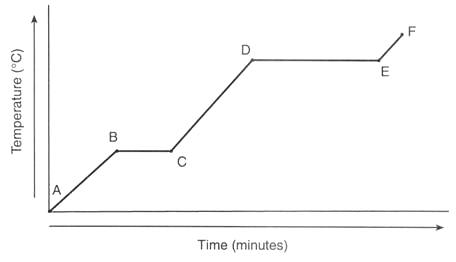
Between which points is the temperature of the substance remaining constant?
A-B only
A-B, C-D, and E-F
B-C only
B-C and D-E

Describe the substance at letter A.
Solid
Liquid
Melting
Evaporating

At which letter is the substance changing its state of matter?
A only
A, C, and E
D and E
B and D

The melting point of the sample is
-60 ºC
20 ºC
60 ºC
100 ºC

NaCl was heated starting at an initial temperature of 0°C. The heating curve is shown in the picture. What is the melting point of this substance?
0°C
801°C
1000°C
1465°C
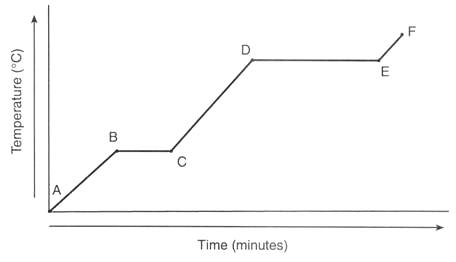
How many states of matter are present during line segment BC?
One
Two
Three
Depends on the temperature

Which letter indicates where water is in both the solid and liquid phase at the same time?
A
B
C
D
E

In which region(s) of the heating curve would water be a liquid and a gas at the same time?
A
B
C
D
E
What letters (list all) represent a change in kinetic energy?
A
B
C
D
E
This heating curve is for water (choose all that apply)
yes, because it melts at 0 ° C
No, because it does not state that clearly
yes, because it boils at 100 ° C
yes, because it boils at 100 ° F

