
 Worksheets
Science Revision Quizzz - Elements and compounds
Total questions: 29
Worksheet time: 15mins
Name
Class
Date
1.
What is the chemical symbol for carbon?
a)
C
b)
Ca
c)
Cn
d)
Crn
2.
Molecules bonded together make up atoms.
a)
true
b)
false
3.
When we combined vinegar and baking soda and created carbon dioxide what was the product?
a)
vinegar
b)
carbon dioxide and baking soda
c)
carbon dioxide
d)
vinegar and baking soda
4.
Atoms are mostly made up of...
a)
empty space
b)
electrons
c)
solids and liquids
5.
What is a reactant?
a)
The starting substance
b)
The ending substance
6.
What is a product?
a)
The starting substance
b)
The ending substance
7.
Using the following chemical reaction
Hydrogen + Oxygen --> water
Identify the reactant(s).
Hydrogen + Oxygen --> water
Identify the reactant(s).
a)
Hydrogen and Oxygen
b)
water
8.
Using the following chemical reaction
Hydrogen + Oxygen --> water
Identify the product(s).
Hydrogen + Oxygen --> water
Identify the product(s).
a)
Hydrogen and oxygen
b)
water
9.
what is an atom
a)
smallest part of the universe
b)
smallest part of a substance
c)
smallest part of anything
d)
smallest part of water
10.
atomic number
a)
number of protons/stands for an element
b)
number of neutrons
c)
number of electrons
d)
number of protons and neutrons
11.
mass number
a)
number of protons
b)
number of electrons
c)
number of protons and electrons
d)
number of protons and neutrons
12.
What is a pure substance that cannot be broken down into any other substance by physical or chemical means. Ex: Gold, Silver, Oxygen, & Nitrogen
a)
element
b)
compound
c)
mixture
d)
salad
13.
What is a pure substance made of two or more elements chemically combined in a set ratio. Ex: CO2 has a set ratio of 1:2, meaning for every one carbon atom there are two oxygen atoms.
a)
element
b)
compound
c)
mixture
d)
salad
14.
Gold is an example of a(n)
a)
pure element
b)
pure compound
c)
pure mixture
15.
Air is an example of a(n)
a)
element
b)
compound
c)
mixture
16.
In a mixture items can be separated __________
a)
chemically
b)
physically
17.
Phase changes (going from a solid to a liquid to a gas) are what types of changes?
a)
chemical
b)
physical
18.
who developed the modern day periodic table of elements?
a)
Darwin
b)
Shultz
c)
Hooke
d)
Mendeleev
19.
On the Periodic Table each element increases by one _________
a)
electron
b)
proton
c)
neutron
d)
letter
20.
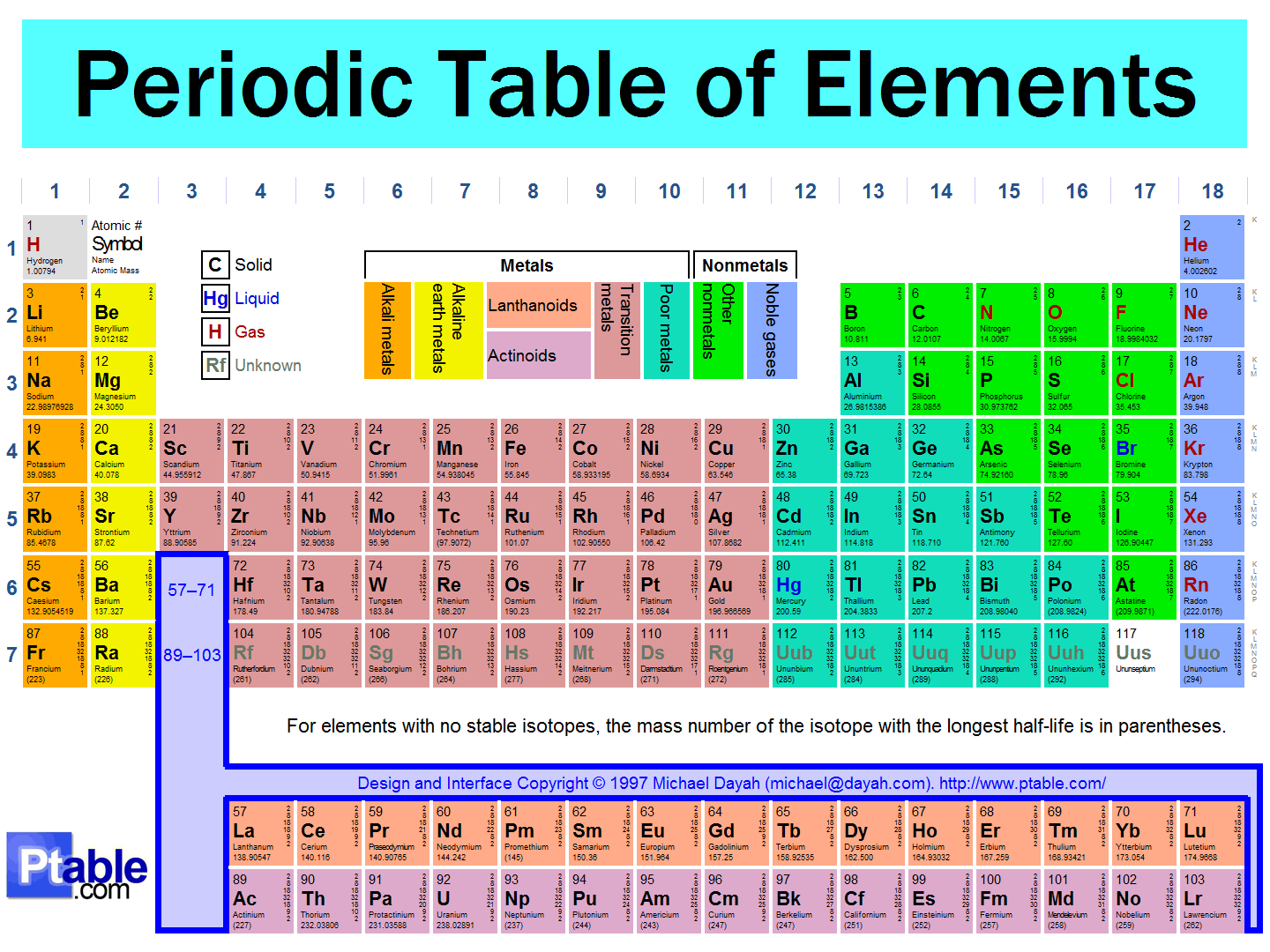
The horizontal row on the periodic table is called a
a)
group
b)
family
c)
period
d)
atomic number
21.
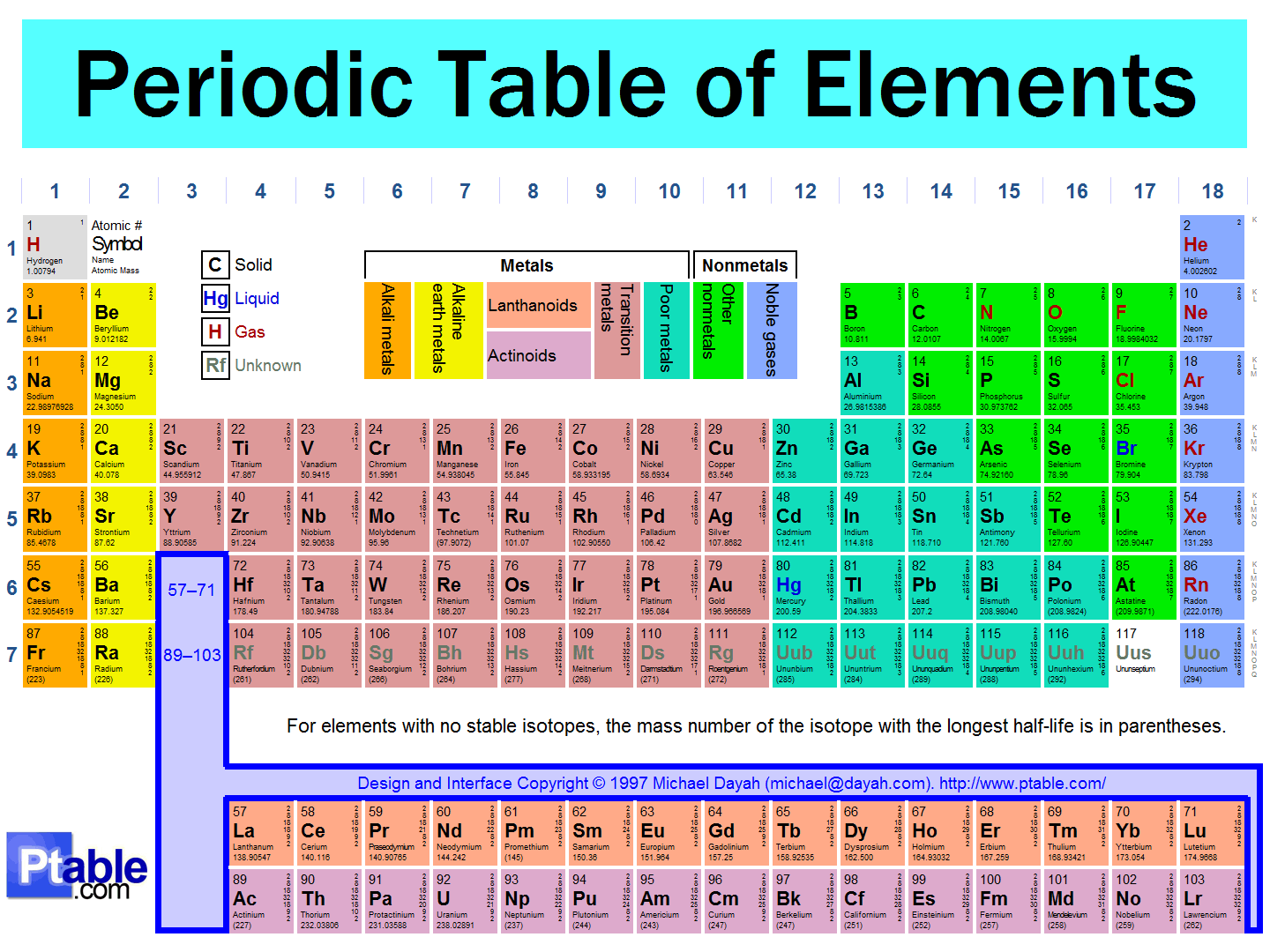
A vertical column is called...
a)
group
b)
tower
c)
period
d)
crew
22.

Which of the following is the most metallic element in period 3?
a)
Boron (B)
b)
Sodium (Na)
c)
Argon (Ar)
d)
Silicon (Si)
23.
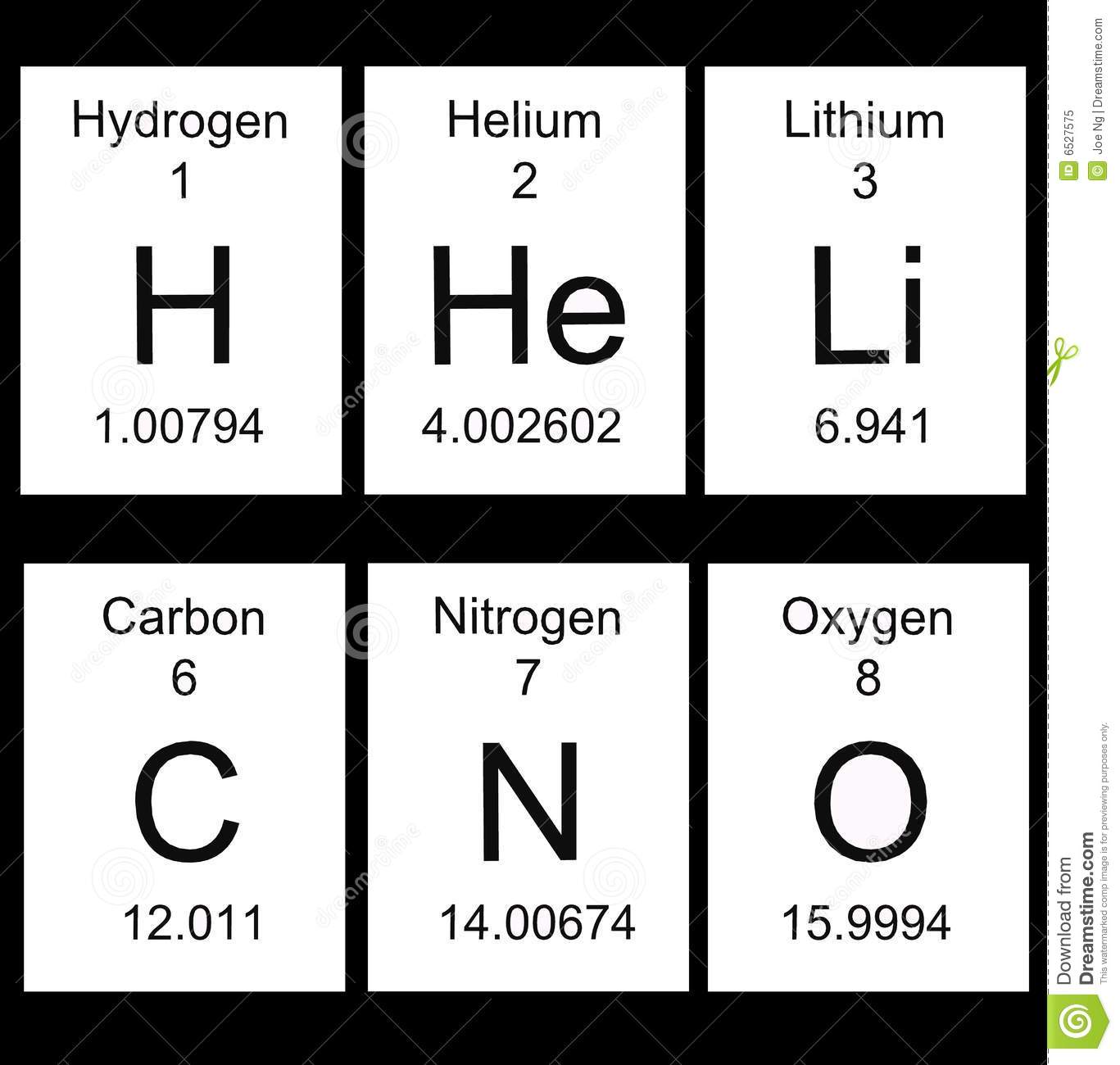
The number at the bottom of each square on the periodic table is the ...
a)
atomic number
b)
atomic mass
c)
chemical symbol
d)
element name
24.
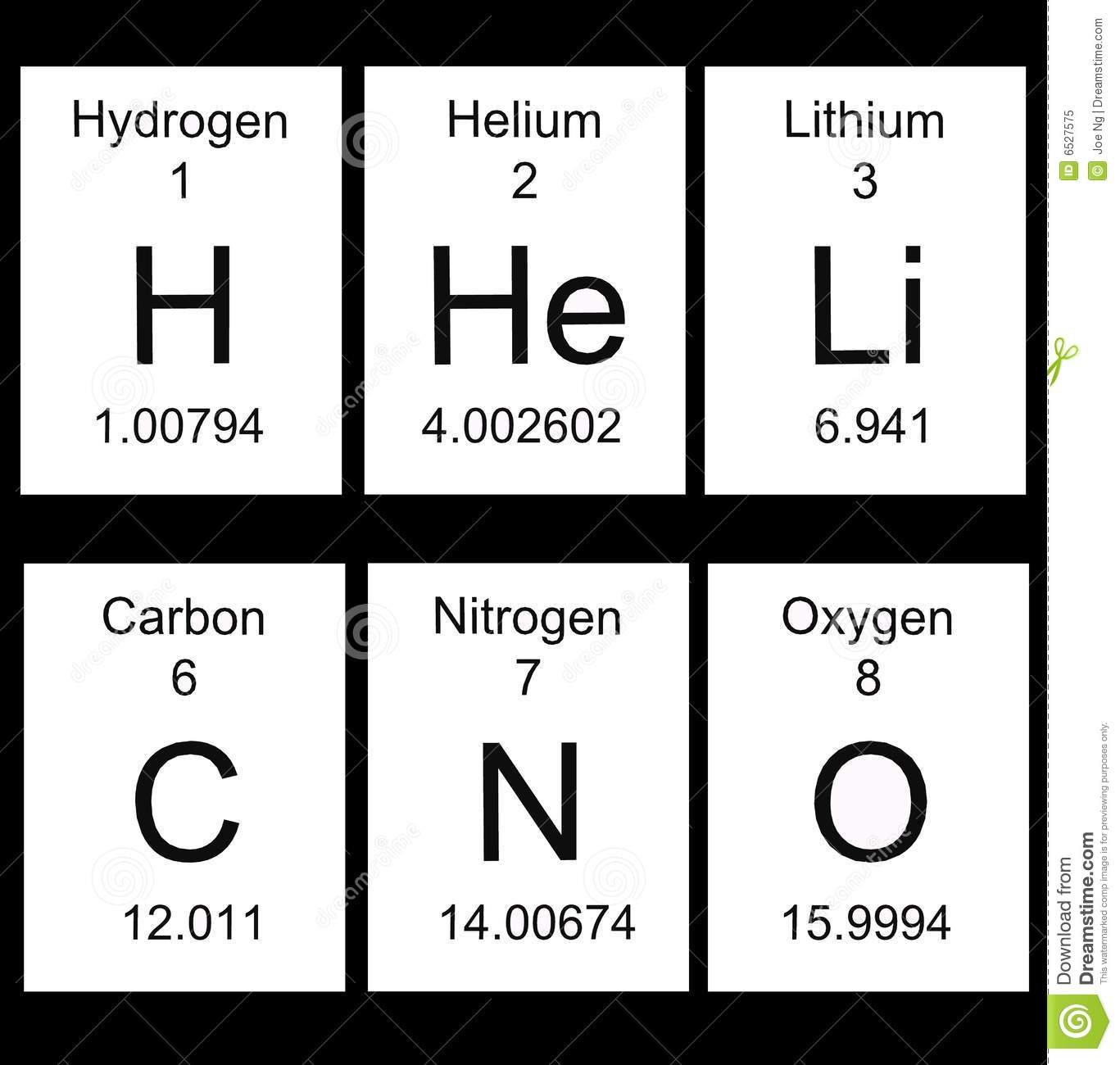
The number at the top of each square on the periodic table is the ...
a)
atomic number
b)
atomic mass
c)
Chemical Symbol
d)
Element Name
25.
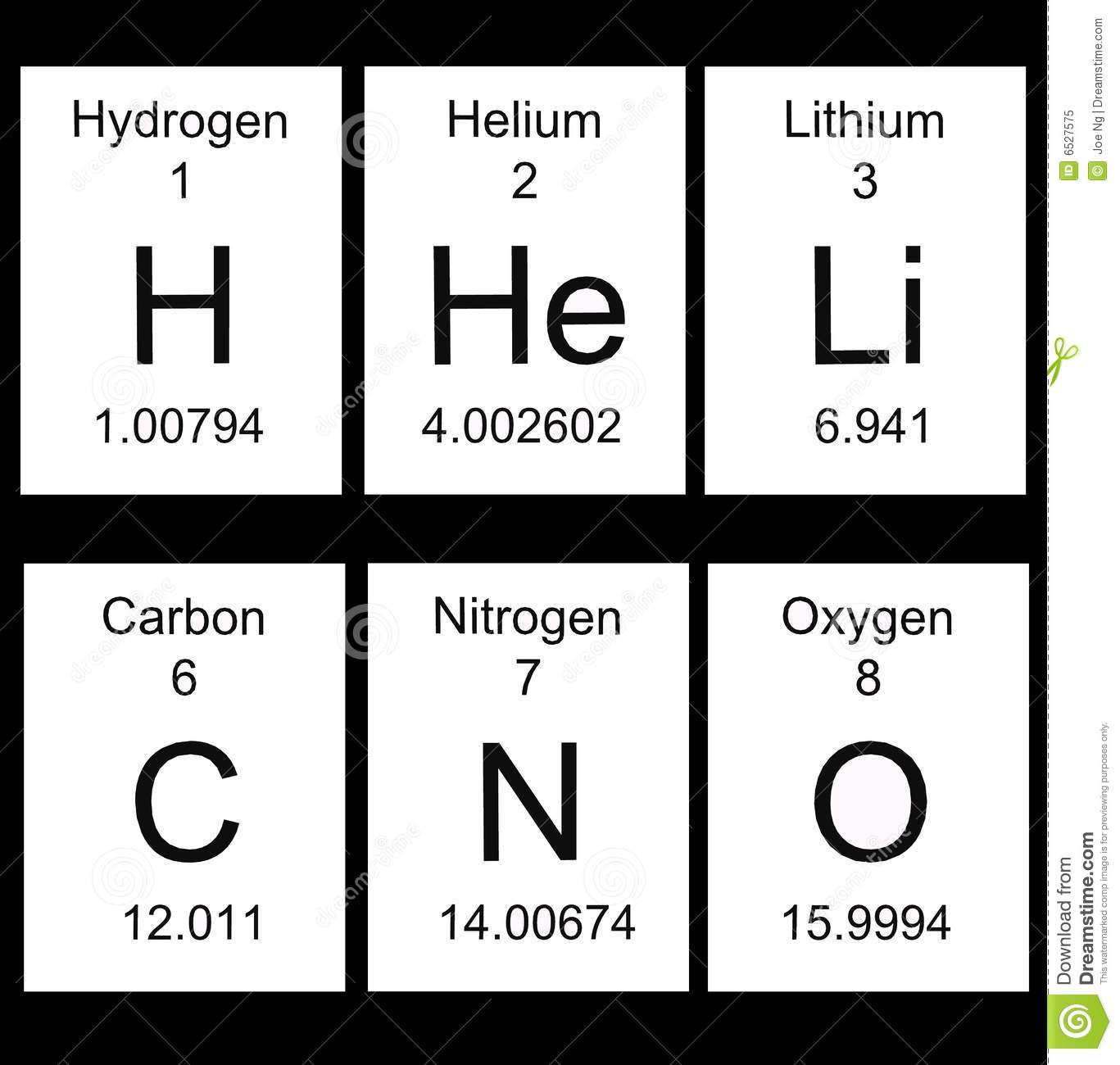
What is the chemical symbol for Lithium?
a)
H
b)
He
c)
Li
d)
N
26.

Pure forms of these elements are stored in oil so they won't react with oxygen and water in the air.
a)
Alkali Metals
b)
Alkaline-earth metals
c)
Halogens
d)
Noble Gases
27.
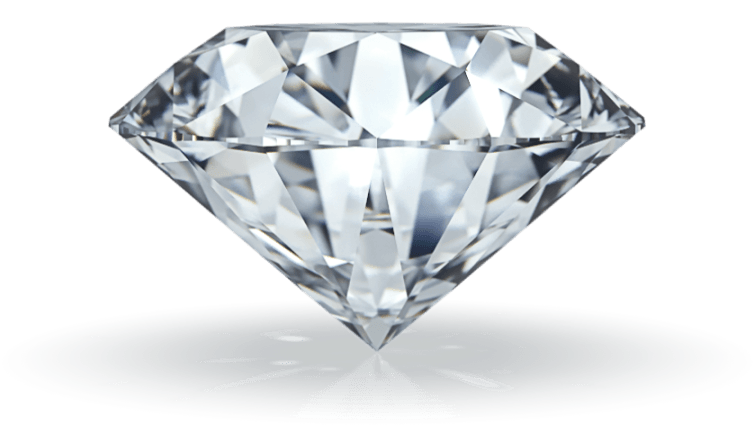
Diamonds are a pure form of what element?
a)
Carbon
b)
Oxygen
c)
Silicon
d)
Silver
28.

Most of the elements on the periodic table are classified as _____.
a)
Metals
b)
Nonmetals
c)
Metalloids
d)
Periods
29.
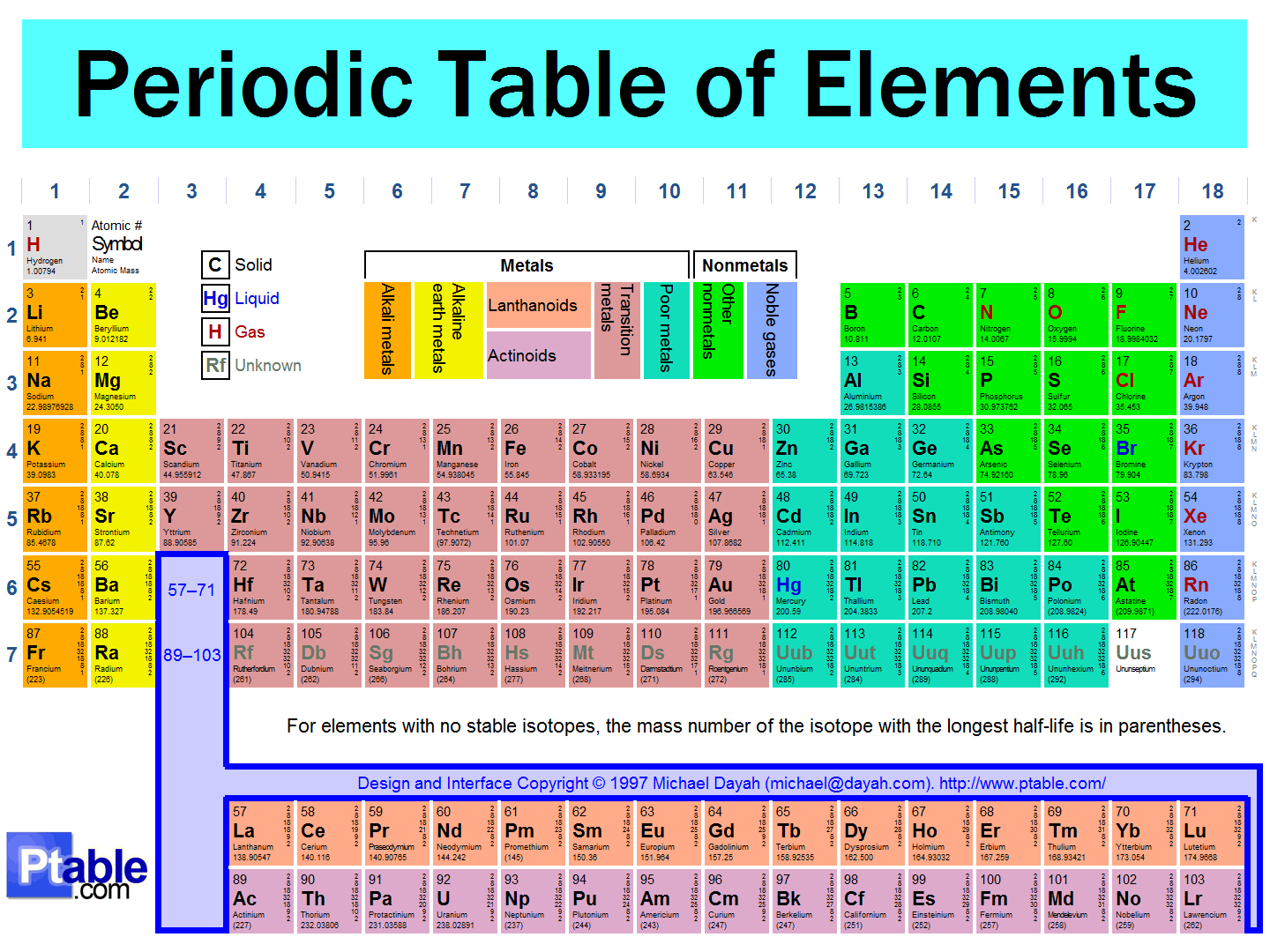
This class of elements are sometimes called "semiconductors."
a)
Metals
b)
Nonmetals
c)
Metalloids
d)
Groups
100 %

