
 Worksheets
Universe 1 ESO
Total questions: 35
Worksheet time: 21mins
MERCURY IS THE SMALLEST PLANET IN OUR SOLAR SYSTEM
TRUE
FALSE
NEPTUNE IS THE NEAREST PLANET TO THE SUN
FALSE
TRUE
THE LARGEST PLANET IS JUPITER
TRUE
FALSE
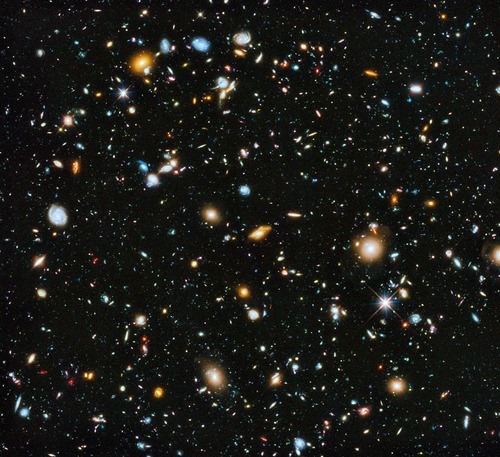
The Universe is a group of:
Celest bodies, matter and energy that are in the space.
Gas, dust and millions of stars
A great ball of gas that proyects light.
The MIlky way
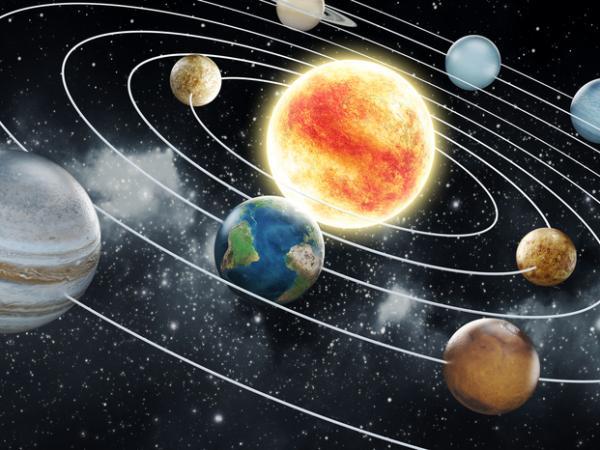
Galaxies are:
gropus of Asteroids
Groups of planets
Groups of stars, gas and dust.
Group of satellites
The types of planets are
Rock, liquid and solid
Gas, terrestrial and solid.
Gas, terrestrial and dwarf.
Gas, terrestrial and rock.
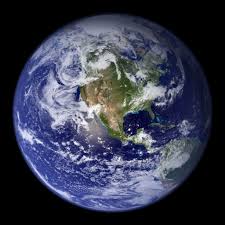
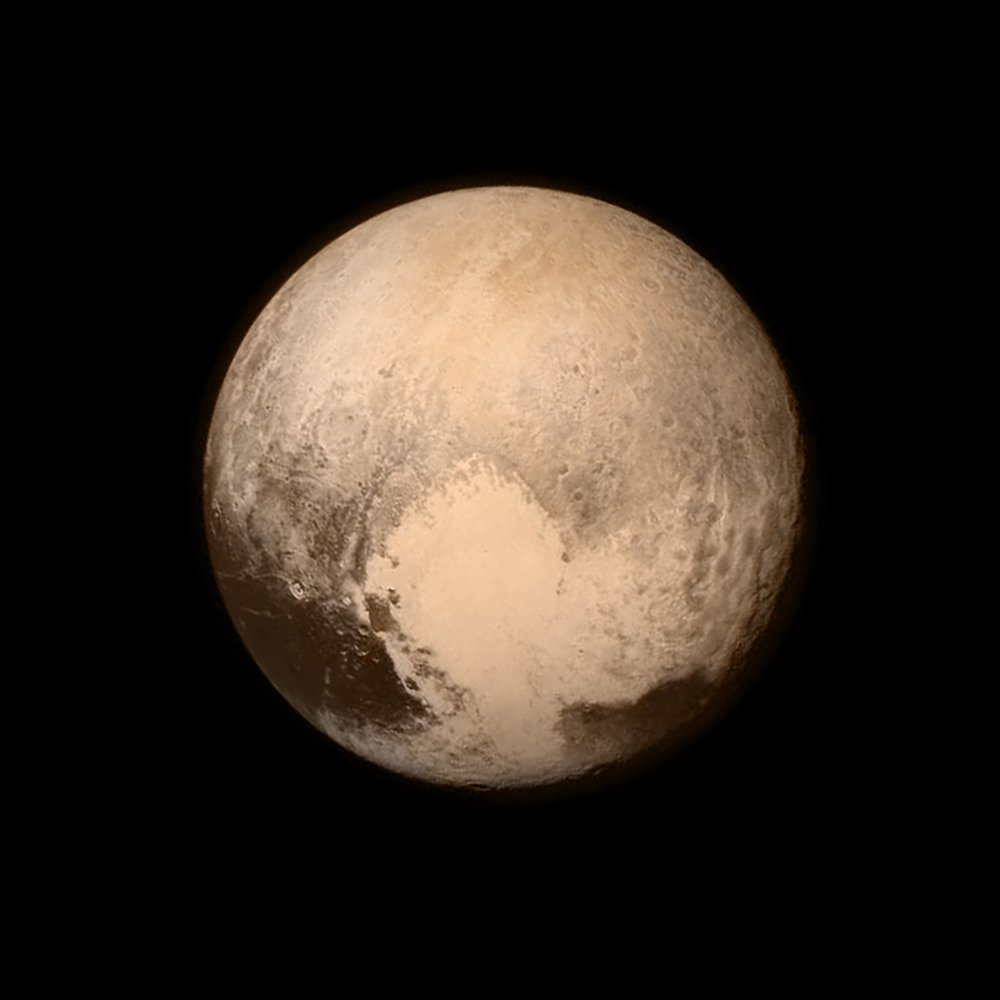
What is the planet ?
Mars
Earth
Pluton
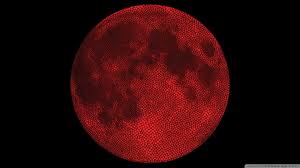
What´s the red planet ?
Mars
Saturn
Venus
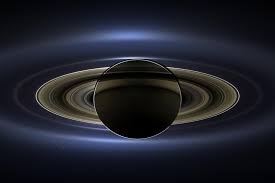
what is the planet ?
Uranus
Venus
Saturn


La teoría más aceptada por los científicos para explicar el origen del universo es:
La teoría del Big Bang
La teoría del Big Freeze
La teoría del Big Rip
La teoría del Big Bounce

Según la teoría del Big Bang:
Hace 15.000 millones de años se produjo una gran explosión de materia
Hace 15.000 años se produjo una gran explosión de materia
Hace 1.500 millones de años se produjo una gran explosión de materia
Hace 150.000 millones de años se produjo una gran explosión de materia


Choose the correct answer
Jupiter
Earth
Neptune
Which is the biggest planet of the solar system?
Saturn
Mars
Jupiter

The moon is the satellite of...
Mercury
Earth
Venus
Mars
El universo es el conjunto de:
Cuerpos celestes, la materia y la energía que se encuentran en el espacio
Un conjunto de gases, polvo y millones de estrellas
Una gran esfera de gas a alta temperatura que emite luz
La Vía Láctea
What's the name of our galaxy?
Andromeda
Orion
The Rosy Way
The Milky Way
Which are the four gaseous planets?
Jupiter, Saturn, Uranus, Neptune
Jupiter, Saturn, Uranus, Pluto
Mercury, Venus, Earth , Mars
Ethan, Arik, Ashar, Jovan
What is the difference between inner and outer planets?
Outer planets are made of gases and inner planets are made of rock and metal
Inner planets are bigger than outer planets
Outer planets are smaller than the inner planets
Outer planets are made of rock and inner planets are made of gases
What is the Sun?
It is a satellite
It is a star
It is a comet
It is a planet
How long does it take the Earth to do the revolution movement?
365 days
24 hours
24 hours + 6 hours
28 days

We see the whole moon during...
New moon phase
Full moon phase
During a solar eclipse, where is the moon?
The moon is between the sun and the earth.
The moon is full.
The Earth is between the sun and the moon.
It is foggy.
During a solar eclipse, what happens?
The Sun's shadow falls on the Moon.
The Earth's shadow falls on the Moon.
The Moon's shadow falls on the Sun.
The Moon's shadow falls on the Earth.
During a lunar eclipse, what happens?
The Earth's shadow falls on the Moon.
The Sun's shadow falls on the Moon.
The Moon's shadow falls on the Earth.
The Moon's shadow falls on the Sun.

What is an eclipse?
the Earth's rotation
the moon orbit around the Earth
the total or partial obscuring of one celestial body by another
Sea tides are due to the gravitatory influence of...
The Sun
The Moon
The Moon and specially the Sun
The Sun and specially the Moon

