wayground logo

Free Printable Worksheets

Font size

S
M
L
XL
Worksheets

Industrial Revolution

Total questions: 23

Worksheet time: 17mins

Name
Class
Date
1.
In which country did the Industrial Revolution begin?
a)
The United States
b)
England
c)
France
d)
Germany
2.
What product was first made using machines in factories?
a)
Steel
b)
textiles
c)
locomotives
d)
flying shuttles
3.
What are identical components that can be used in place of each other?
a)
Interchangeable parts
b)
Factories
c)
Dynamos
d)
Assembly Lines
4.
Which of the following was NOT associated with early factory working conditions?
a)
Low wages
b)
Safe working conditions
c)
Dangerous working conditions
d)
Widespread pollution
5.
A place where people and machines join together to mass produce goods.
a)
Cartel
b)
Corporation
c)
Factory
d)
Urbanization
6.
Mass production led to:
a)
Products being more superior in quality
b)
goods became less expensive
c)
laborers received higher wages
d)
industries moved to rural areas
7.
Before the Industrial Revolution all products were created by
a)
Factories
b)
Hand
c)

factories

d)
Royalty
8.
What is the movement from rural to urban areas called?
a)
Moving
b)
colonization
c)
inflation
d)
urbanization
9.
Why did people move to the cities during the Industrial revolution?
a)
Jobs in factories
b)
Jobs on the farm
c)
Family
d)
Friends
10.

The four factors of production that were vital to the Industrial Revolution and the start of any business include each of the following EXCEPT

a)

land

b)

labor

c)

capital

d)

entrepreneurs

e)

investors

11.

The term laissez-faire roughly translates to mean

a)

leave alone

b)

resist

c)

freedom

d)

control

12.

The ability to have necessities of life, such as food, clothing, and shelter and wants like vacations, concerts, and other amusements is referred to as

a)

middle class

b)

upper class

c)

standard of living

d)

purchasing power

13.

The process of an area growing larger, with an increase in population, production of goods and services, and availability of a variety of options to fulfill one's wants and needs is called

a)

industrialization

b)

urbanization

c)

materialism

d)

commercialism

14.

During the Industrial Revolution, a new social and economic class that developed was the

a)

serfs

b)

rich, or the upper class

c)

expanded lower class

d)

middle class

15.

Which of the following best defines the term capital when referencing the Industrial Revolution?

a)

a city where industrial production increased, became an important city for a nation's economy

b)

money, equipment, and/or resources that were used in the production of goods

c)

a type of investment that helped a factory or business get started

d)

none of these best define capital

16.

Karl Marx spelled out how he believed that workers should rise up against factory owners, outlining the basic principles of

a)

capitalism

b)

socialism

c)

communism

d)

command economies

17.

Why was England the site of the beginnings of the Industrial Revolution?

a)

England was the most powerful nation in the world

b)

It wasn't; history has unfairly given England credit for the Industrial Revolution

c)

England had an abundance of natural resources such as coal, iron ore, and waterways where water wheels and steam engines could be built

d)

England was centrally located to many areas like France, Germany, Spain, and Ireland, giving them an advantage to bring in resources and talent from many places
18.
the way that a society or nation produces and distributes goods and services
a)
textile
b)
economy
c)
technology
d)
industrialization
19.
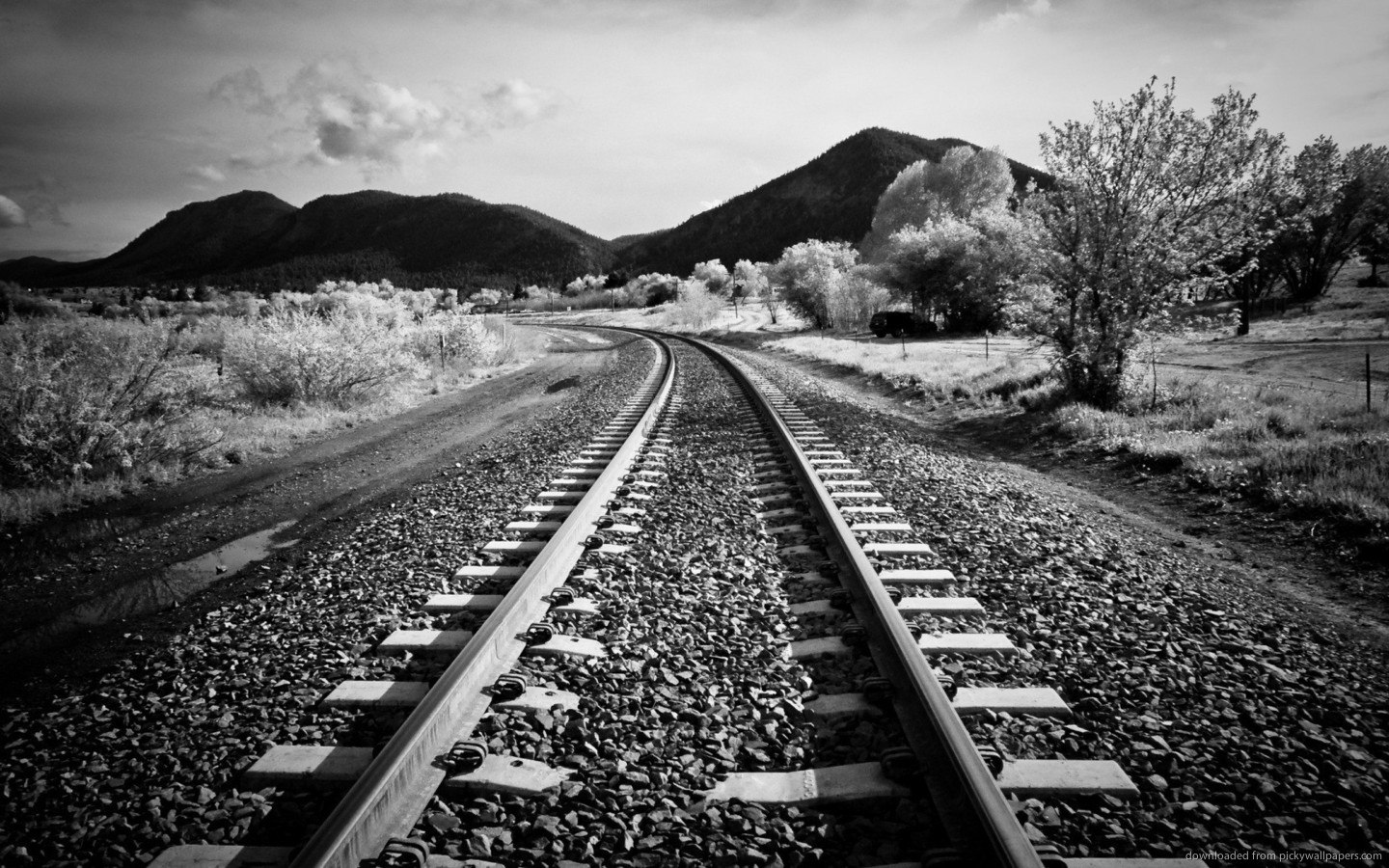
Why were railroads so important during this time?
a)
they moved goods more quickly and less expensively over greater distances
b)
they were fun to ride on to go visit family in other states
c)
people could ride on railroads to get to their jobs in another city
20.
What impact did the Agricultural Revolution have on the population of England?
a)
The population increased a little.
b)
The population declined steeply.
c)
The population increased dramatically.
d)
The population stayed the same.
21.
How did the Agricultural Revolution impact farmers?
a)
New farming methods required more workers on the farm.
b)
New farming methods produced bigger harvests with less farmers.
22.
Which innovation  allowed factories to be built anywhere?
a)
flying shuttle
b)
spinning jenny
c)

tractors

d)
steam engine
23.
The Industrial Revolution happening during the _____ and the ____.
a)
1700s, 1800s
b)
1800s, 1900s
c)
1900s, 2000s
d)
1500s, 1600s