
 Worksheets
9.3-9.4 Ecosystems and Competition
Total questions: 20
Worksheet time: 12mins
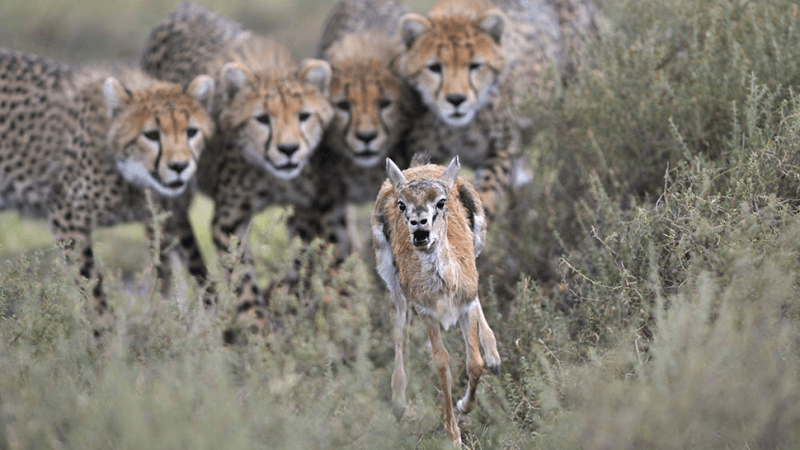
Hawks and owls eat the same type of food and struggle with one another to get their food. What is this an example of?
Competition
Biotic factor
Symbiosis
Population
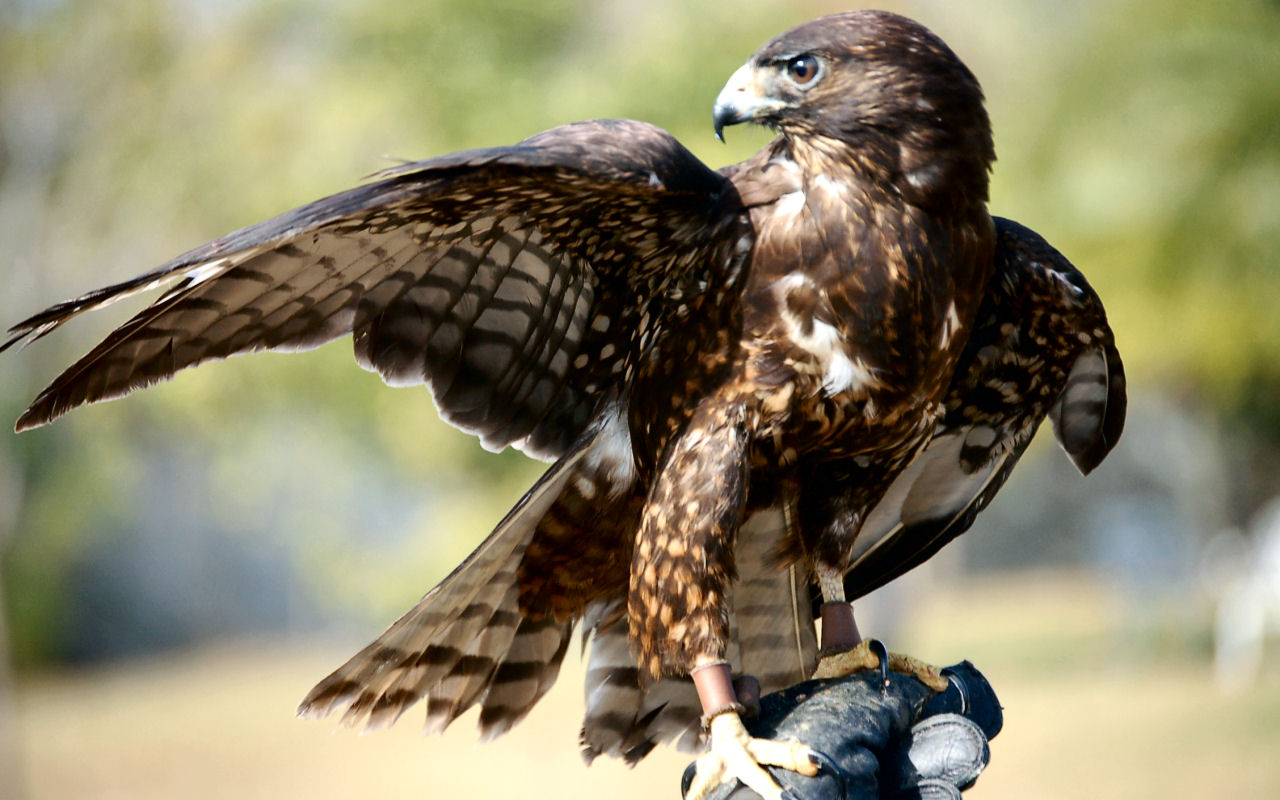
Hawks and brown bears live together in the same habitat. There will be competition between the hawks and the brown bears only if which of the following is true?
Brown bears hibernate during the winter while hawks remain active.
Pesticides in the fish population affect hawks’ eggs and decrease their population.
Both brown bears and hawks feed on the same species of fish.
Both Shanna and Savanna feed on the same species of snakes.
The specific environment in which all the biotic and abiotic factors in an area interact.
Ecosystem
Organism
Struggle
Competitive Interaction
In a certain ecosystem, foxes and snakes prey on the same rabbits. What would INCREASE the competition between the foxes and snakes?
increase in foxes and snakes
A smaller habitat for the foxes, snakes, and rabbits
A reduction (lfewer) rabbits in the ecosystem
All of the above
Environments include both _______ and ________things.
Air ; water
buildings ; animals
living ; nonliving
resources ; factors
For populations to continue to survive, some organism in the population must ________________.
die
reproduce
grow
eat
Ecosystems depend on organisms to _____________with each other to maintain stability.
build
grow
interact
eat
Plants compete for air, water, ____________within ecosystems.
sunlight, and wind
space, and sunlight
space, and sound

Living things depend on many different ___________ in order to survive.
resources
ecosystem
environment
interact

A rabbit depends on various plants in an ecosystem to survive. Which would most likely happen if a drought decreased the plant population?
The rabbit population would increase.
The rabbit population would decrease.
The rabbit population would remain the same.
The rabbit population would increase, then decrease quickly.
How are the populations of predators and prey related?
If there is not enough prey, the predators will die out
If there is too much prey, the predators will die out
If there are not any predators, the prey will die out
If there are too many predators, the prey will overpopulate

Select TWO likely effects of a decrease in the snake population
There would be an increase in rabbits
There would be a decrease in hawks
There would be an increase in shrubs
There would be more competition for the mountain lion
The insect-eating bird would go extinct

A ____________________ Relationship is when two living things "fight" for limited resources.
Dependent
Competitive
Many organisms of the same species living in the same area.
Ecosystem
Community
Population
Community
All of the living and non-living parts of the environment in the same area.
Population
Community
Organism
Ecosystem

Overall, all the interactions between organisms in ecosystems...
Keep ecosystems & populations unstable and random
Keep ecosystems & populations stable and balanced

