wayground logo

Free Printable Worksheets

Font size

S
M
L
XL
Worksheets

Ancient Greece

Total questions: 124

Worksheet time: 41mins

Name
Class
Date
1.
Which civilization is most known for this type of architecture?
a)
Sumerian
b)
Harappan
c)
Chinese
d)
Greek
2.
What is it called when land has water on three sides? 
a)
isthmus  
b)
 peninsula
c)
 Peloponnesus
d)
  island
3.
Because traveling by land in Greece was difficult, the Greeks
a)
became expert shipbuilders.
b)
learned how to climb mountains. 
c)
gave up trying to travel. 
d)
took up farming.
4.
What is a narrow strip of land called? 
a)
isthmus
b)
peninsula 
c)
Peloponnesus
d)
island
5.
Which sea was critical to the development of Ancient Greece? 
a)
Adriatic Sea 
b)
Black Sea 
c)
Aegean Sea 
d)
Athenian Sea
6.
Where is Greece located? 
a)
South East Europe 
b)
Northern Africa 
c)
Northern Europe 
d)
Pacific Islands
7.
The ancient Greeks were  
a)
Monotheistic  
b)
Polytheistic
8.
Ancient Greece was divided into several city-states. The Greek word for city-state is…  
a)
Senate
b)
Republic
c)
Democracy 
d)
Polis
9.
Greece is just north of what major sea?     
a)
Black Sea   
b)
Red Sea  
c)
Mediterranean Sea   
d)
Red Sea
10.
What is the geography of Greece like?       
a)
Forests
b)
Rivers
c)
Flatlands
d)
Mountains
11.

A Spartan's name for an enslaved soldier.

a)

Tyrant

b)

Helot

c)

Democracy

d)

Oligarchy

12.

A government system where only a few people hold power.

a)

Ephor

b)

Democracy

c)

Oligarchy

d)

Tyranny

13.

What did the Spartans use to control its citizens?

a)

the helots

b)

the military

c)

forced physical punishments

d)

the government

14.

Which statement correctly describes a boys life in Athens and Sparta.

a)

Athenians went to school; Spartans served in the military

b)

Athenians studies combat; Spartans played sports

c)

Athenian boys lived in barracks; Spartans lived at home

d)

Athenian boys became citizens at 30; Spartans never became citizens.

15.

Which type of government allows the citizens to vote for laws?

a)

Oligarchy

b)

Democracy

c)

Dictatorship

16.

Greek civilization began in an area dominated by...

a)

mountains and lakes

b)

seas and mountains

c)

rivers and plains

d)

deserts and forests

17.

Greek civilization began in a river valley.

a)

True

b)

False

18.

Communities in ancient Greece were separated by

a)

rivers and deserts

b)

rugged mountains and valleys

c)

rivers and forests

d)

deserts and mountains

19.

The Greeks developed the modern concept of citizenship.

a)

True

b)

False

20.

Greeks used mythology

a)

as a way to explain the practices and beliefs of their people

b)

for fun

c)

to use in plays and performances

d)

as a ritual

21.

What is a fable?

a)

a funny story

b)

a place where horses and sheep are kept

c)

A story meant to teach a lesson

d)

a scary film

22.

What category of drama would the play Romeo and Juliet fit into?

a)

Comedy

b)

Tragedy

c)

Romantic Comedy

d)

Action

23.

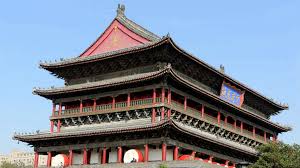
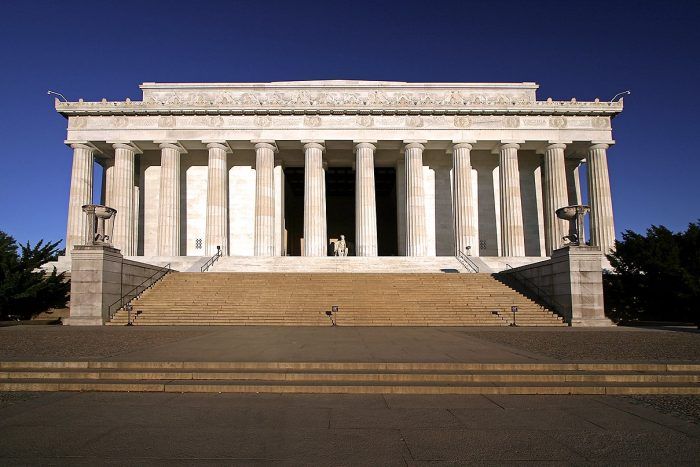
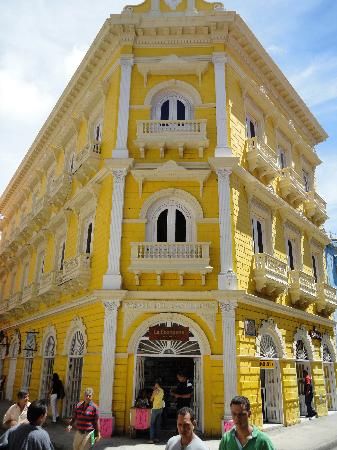
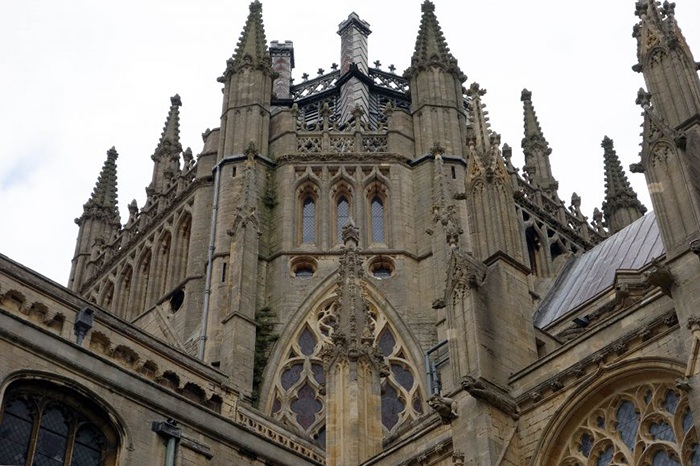
Which would be an example of Greek architecture?
a)
b)
c)
d)
24.

Who is the Greek god of the seas?

a)

Zeus

b)

Hades

c)

Poseidon

d)

Hermes

25.

Which Greek god/goddess were twins?

a)

Aphrodite and Athena

b)

Apollo and Artemis

c)

Ares and Athena

d)

Zeus and Hades

26.

What is an agora?

a)

a Greek goddess

b)

a type of instrument

c)

A Greek gathering place

d)

a serpent

27.

What is another name for a Greek city-state?

a)

pantheon

b)

ziggurat

c)

town

d)

Polis

28.

Greece is made up of hundreds of islands

a)

True

b)

False

29.

Which continent is Greece part of?

a)

Africa

b)

North America

c)

Europe

d)

Asia

30.

Which continent is Europe?

a)

1

b)

5

c)

6

d)

4

31.

a traditional story that explains the practices or beliefs of a people or something in the natural world

a)

Epicureanism

b)

Rhetoric

c)

Fable

d)

Myth

32.

a play or film in which characters fail to overcome serious problems

a)

Myth

b)

Tragedy

c)

Hippocratic Oath

d)

Cavalry

33.

a set of promises about patient care that new doctors make when they start practicing medicine

a)

Hippocratic oath

b)

Stoicism

c)

Socratic method

d)

Oracle

34.

words or actions that are part of a religious ceremony

a)

Sophists

b)

Fable

c)

Comedy

d)

Ritual

35.

the philosophy of the Stoics who believed that people should not try to feel joy or sadness

a)

Stoicism

b)

Tragedy

c)

Myth

d)

Oracle

36.

a story written in the form of a play

a)

Comedy

b)

Fable

c)

Drama

d)

Rhetoric

37.

part of an army in which the soldiers ride horses

a)

Cavalry

b)

Epicureanism

c)

Ritual

d)

Fable

38.

a sacred shrine where a priest or priestess spoke for a god or goddess

a)

Socratic method

b)

Sophists

c)

Oracle

d)

Myth

39.

a play or film that tells a humorous story

a)

Drama

b)

Tragedy

c)

Rhetoric

d)

Comedy

40.

philosophical method of questioning to gain truth

a)

Rhetoric

b)

Socratic method

c)

Epicureanism

d)

Ritual

41.

the philosophy of Epicurus, stating that the purpose of life is to look for happiness and peace

a)

Hippocratic oath

b)

Epicureanism

c)

Sophists

d)

Stoicism

42.

a story meant to teach a lesson

a)

Oracle

b)

Myth

c)

Fable

d)

Comedy

43.

What sea is located along the eastern coast of Greece?

a)

Ionian

b)

Mediterranean

c)

Aegean

d)

Crete

44.

The Cyclades and Ionian are both what?

a)

Groups of Islands

b)

Mountain ranges

c)

Regions of Greece

d)

Rivers

45.

How did the mountains of the countryside affect ancient Greece?

a)

The climate was very cold

b)

They limited the availability of farmland

c)

Rock slides were common

d)

Early Greeks lived in caves

46.

Part of Greece is a peninsula meaning that…

a)

It has a tropical climate

b)

It is uninhabitable

c)

It is not part of mainland Greece

d)

It is surrounded by water on three sides

47.

In kilometers, approximately how long is the island of Crete?

a)

500 km

b)

100 km

c)

200 km

d)

2.5 km

48.

Which city is the capital of Greece?

a)

Peloponnesus

b)

Athens

c)

Sparta

d)

Olympus

49.
What word best describes the land of the Greek peninsula?
a)
rocky and mountainous
b)
flat
c)
desert
d)
rolling plains
50.
The ruler of all the Greek gods was... 
a)
Poseidon.
b)
Ares.  
c)
Zeus.
d)
Athena.  
51.
A city-state which favored democracy and a well-rounded education. 
(Also, the largest city-state by a wide margin)
a)
Sparta
b)
Athens
c)
Delphi
d)
Corinth
52.
Who was NOT a Greek philosopher?
a)
Pythagoras
b)
Aristotle
c)
Socrates
d)
Plato
53.
What does the word "Democracy" mean?
a)
"rule by the government"
b)
"rule by the many"
c)
"rule by the wealthy"
d)
"rule by the people"
54.
Who was the leader of Athens after the defeat of the Persians and took Athens into a "Golden Age" of prosperity and achievement?
a)
Pericles
b)
Leonidas
c)
Themistocles
d)
Socrates
55.

Democracy in Athens meant that...

a)

all men could vote

b)

all men and women could vote

c)

all male citizens could vote

d)

all members of the Oligarchy could vote

56.
Athens main rival was the city state of 
a)
Anatolia
b)
Marathon
c)
Sparta
d)
Thermopylae
57.
The Spartans conquered their neighbors and forced them to become 
a)
helots
b)
colonists
c)
soldiers
d)
tyrants
58.
Which of the following describes Spartan women?
a)
They were treated harshly, almost like slaves.
b)
They mostly fought as soldiers alongside men.
c)
They were trained to build up their bodies and were allowed to own land.
d)
All of the above. 
59.
Who was the main rival of ancient Greece?
a)
The Persian Empire
b)
The Ottoman Empire
c)
The American Empire
d)
The Galactic Empire
60.

Herodotus and Thucydides are known for what type of writing?

a)

poetry

b)

history

c)

drama

d)

philosophy

61.

Who was Alexander the Great's teacher?

a)

Aristotle

b)

Archimedes

c)

Plato

d)

Darius

62.
How was Alexander the Great able to control such a vast kingdom
a)
He used his army to keep people in line
b)
He treated conquered people fairly
c)
He forced people to adopt Greek ways
d)
He exiled anyone who disagreed with him
63.
Which term describes the blending of Greek culture with Persian, Indian, & Egyptian influences?
a)
classical
b)
arabesque
c)
Hellenism
d)
Gothic
64.
The ancient Greeks were  
a)
Monotheistic  
b)
Polytheistic
c)
Atheist
d)
Scientologist
65.
The ruler of all the Greek gods was... 
a)
Poseidon.
b)
Ares.  
c)
Zeus.
d)
Athena.  
66.
What does the word "Democracy" mean?
a)
"rule by the government"
b)
"rule by the many"
c)
"rule by the wealthy"
d)
"rule by the people"
67.
Greek has many _________that are like mini countries.
a)
counties
b)
city-states
c)
provinces
d)
parishes
68.
A militaristic city-state where boys were trained from an early age to fight.
a)
Athens
b)
Delphi
c)
Corinth
d)
Sparta
69.
Who was the leader of Athens after the defeat of the Persians and took Athens into a "Golden Age" of prosperity and achievement?
a)
Pericles
b)
Leonidas
c)
Themistocles
d)
Socrates
70.
A city-state which favored democracy and a well-rounded education. 
(Also, the largest city-state by a wide margin)
a)
Sparta
b)
Athens
c)
Delphi
d)
Corinth
71.
Which of these played the biggest role in the economy of ancient Greece?
a)
Persian Gulf
b)
Black Sea
c)
Mediterranean Sea
d)
Nile River
72.
Which of these was a result of the geographic conditions of Greece in their early civilization?
a)
unified political organization
b)
withdrawal from international contact
c)
a society centered around plantations
d)
a reliance of sea-based commerce
73.
Did Athenian or Spartan women have more rights?
a)
Athenian women
b)
Spartan women
74.
Who could vote in Ancient Athens?
a)
Only male citizens
b)
Only female citizens
c)
Both male and female citizens
75.
What kind of government did Ancient Sparta have?
a)
monarchy
b)
oligarchy
c)
tyranny
d)
democracy
76.
What role did Athenian citizens have in their democracy?
a)
to not take part in government affairs
b)
to financially support public officials
c)
to discuss and vote on laws and policies
d)
to elect representatives to make laws
77.
Which of the following is true about the empire of Alexander the Great?
a)
The empire was smaller than his father's.
b)
The empire was limited to the land around the Mediterranean.
c)
The empire included land in Asia, Europe, and Africa.
d)
The empire was along trade routes
78.
Which of the following is a long-lasting achievement of the Ancient Athenians?
a)
spreading Christianity
b)
establishing democracy
c)
ending citizenship
d)
creating a new religion
79.
Who were the only citizens allowed to vote in Ancient Athens?
a)
married males, slave, no land owned
b)
women born in Athens, slave, owned land
c)
adult free male, owned land, trace roots back to Athens
d)
married women, military men, no land owned
80.
Greece was surrounded by water on 3 sides.  What is this landform called?
a)
an island
b)
a peninsula
c)
a port
d)
a natural harbor
81.
Who was given credit for unifying all of the Greek city-states?
a)
Homer
b)
Alexander
c)
Philip II
d)
Darius
82.
Greek philosophers believed one thing was more important than anything else.  What was it?
a)
using the human mind to think and understand
b)
helping others to be happy and be comfortable
c)
encouraging people to worship the gods
d)
understanding how the human body works
83.
Early Greek philosophers were important. What were they the first to do?
a)
Ignore their fellow man's responsibility
b)
study and analyze the world around them using logic and reason.
c)
describe why the Greek gods were to be worshipped
d)
help the Greek people make good decisions in daily life
84.
What does "Hellenistic" mean?
a)
a period of great achievements
b)
Greek-like
c)
an agreement
d)
rule by the people
85.
Who invented this device?
a)
Archimedes
b)
Plato
c)
Hippocrates
d)
Socrates
86.
Why were many Greek achievements important?
a)
They helped Greece become a military power.
b)
They showed the curiosity of the Greek mind.
c)
They strongly shaped Western culture.
d)
They encouraged people to use reason.
87.
Which classic civilization is known for this type of architecture?
a)
Sumerian
b)
Harappan
c)
Chinese
d)
Greek
88.
Ancient Greek city-states remained independent from each other due to which geographic features?
a)
many islands
b)
peninsulas
c)
rocky coastlines
d)
vast deserts
89.
Which statement summarizes the teaching style of Socrates?
a)
He made the students take notes to make them think deeper.
b)
He sang all his ideas to his students to entertain them through song.
c)
He answered a question with a question to encourage deeper thinking.
d)
He knew all the answers to every question and told them they were wrong.
90.
What was the most important idea Greek philosophers believed?
a)
using the human mind to think and understand
b)
helping others to be happy and be comfortable
c)
encouraging people to worship the gods
d)
understanding how the human body works
91.
What type of government developed in Athens?
a)
oligarchy
b)
direct democracy
c)
monarchy
d)
tyranny
92.
Which civilization was known for using columns and the post and lintel system?
a)
Mesopotamia
b)
Rome
c)
Greece
d)
Egypt
93.
Which was a result of the conquests of Alexander the Great?
a)
Greek culture was spread through North Africa and Asia.
b)
Gold and salt trade expanded throughout West Africa.
c)
Representative democracy was adopted.
d)
Islamic culture was spread throughout Europe.
94.

How is the location of Greece on the Mediterranean Sea beneficial for trade and expansion?

a)

Greece is located in Africa.

b)

Greece's water travel allowed traders to reach many areas.

c)

Greece's islands make it difficult to travel.

95.

True or false. Greece's natural barriers made it difficult for people to interact and form one large, unified country.

a)

True

b)

False

96.

Why are olives such an important crop?

a)

Olive trees grew easily in the climate and soil conditions.

b)

Olive trees provided little trading options

c)

Olive trees grew poorly in the Mediterranean climate.

97.

The word "philosophy" comes from the Greek word meaning . . .

a)

lunch

b)

love of wisdom

c)

Sparta

d)

Zeus

98.

Government by the people

a)

Democracy

b)

Polis

c)

Helots

d)

Aristocrats

99.

Who were examples of Greek philosophers?

a)

Bill Nye

b)

Socrates

c)

George Washington

d)

Mr. Vaughan

100.

True or false. Socrates never wrote anything down.

a)

True

b)

False

101.

Define "Golden Mean".

a)

To find balance in your life

b)

To overindulge when eating

c)

To perform for an audience

d)

To write on a daily basis

102.

What was the domain of Zeus?

a)

King of the gods

b)

god of love

c)

god of war

d)

god of the sea

103.

A government ruled by a few powerful people.

a)

Democracy

b)

Oligarchy

c)

Monarchy

d)

Tyranny

104.

In a tyranny, the power to rule in the hands of a single person who controls everything

a)

True

b)

False

105.

In democracy, the power to rule rests of all of its citizens.

a)

True

b)

False

106.

Traditions that shape how people live their identity.

a)

City-State

b)

Democracy

c)

Culture

107.

A large city with surrounding land that creates territory.

a)

City-State

b)

Democracy

c)

Culture

108.

All men over the age of 18 who own land may vote in elections.

a)

City-State

b)

Democracy

c)

Culture

109.

What was the most important factor in the development of Greek city-states?

a)

Lack of trade routes

b)

A single leader that ruled all of Greece

c)

Isthmus and strait

d)

Mountainous geography

110.

Which of the following best describes a democracy as practiced in Ancient Greece?

a)

Rule by a single, powerful ruler

b)

Rule by eligible citizens

c)

Rule by a small group of wealthy people

d)

Rule by priests and religious leaders

111.
Who was NOT a Greek philosopher?
a)
Pythagoras
b)
Aristotle
c)
Socrates
d)
Plato
112.
What can you infer about the ancient Greeks based upon their achievements?
a)
The ancient Greeks most valued warfare and battle.
b)
The ancient Greeks valued philosophy and art.
c)
the ancient Greeks were most interested in farming.
d)
The ancient Greeks felt that  literature was pointless.
113.
Greek philosophers believed that one thing was more important than anything else in life.  What was it?
a)
using the human mind to think and understand
b)
helping others to be happy and comfortable
c)
encouraging people to worship the gods
d)
understanding how the human body works
114.
The greatest Greek Doctor
a)
Thucydides
b)
Hippocrates
115.
a building constructed in Athens in the 400s BC.
a)
Parthenon
b)
Hypatia
116.
What type of architecture surrounded Greek temples?
a)
Columns
b)
Stairs
117.
A way of teaching by asking students questions. This teaching strategy was created by Socrates. It is still used by teachers today.
a)
Sophists
b)
Socrates
c)
Plato
d)
Socratic method 
118.
The three orders of Greek columns are called:
a)
Socrates, Plato, Aristotle
b)
Doric, Ionic, Corinthian
c)
Dorian, Isosceles, Corinthian
d)
Monarchy, Oligarchy, Democracy
119.
How is the influence of ancient Greece seen in today's world?
a)
the clothes that they wore
b)
buildings and architecture
c)
everybody walks everywhere
d)
communities are isolated
120.
One of the most famous ancient Greek poets who wrote the Iliad was...
a)
Homer.
b)
Athena.
c)
Sandburg. 
d)
Pericles
121.
The games held every four years at a festival to honor Zeus were called
a)
Goodwill Games
b)
Marathons
c)
Olympics
d)
Triathlons 
122.
A city-state which favored democracy and a well-rounded education. 
(Also, the largest city-state by a wide margin)
a)
Sparta
b)
Athens
c)
Delphi
d)
Corinth
123.
What kind of democracy did ancient Athens have?
a)
Direct 
b)
Representative
124.

a fortress atop a tall hill in the center of the city-states

a)

acropolis

b)

tyrant

c)

polis

d)

fables