Wayground logo

Free Printable Worksheets

Font size

S
M
L
XL
Worksheets

Symbiosis quiz

Total questions: 32

Worksheet time: 31mins

Name
Class
Date
1.
Cattle egrets forage (feed) in fields among cattle. The egret gets easy access to flying insects stirred up by the cattle, and the cattle don't care if they are there or not.
a)
mutualism
b)
commensalism
c)
competition
d)
parasitism
2.
A relationship between two organisms in which one organism benefits and the other is unharmed...
a)
Mutualism 
b)
Competition
c)
Parasitsm 
d)
Commensalism 
3.

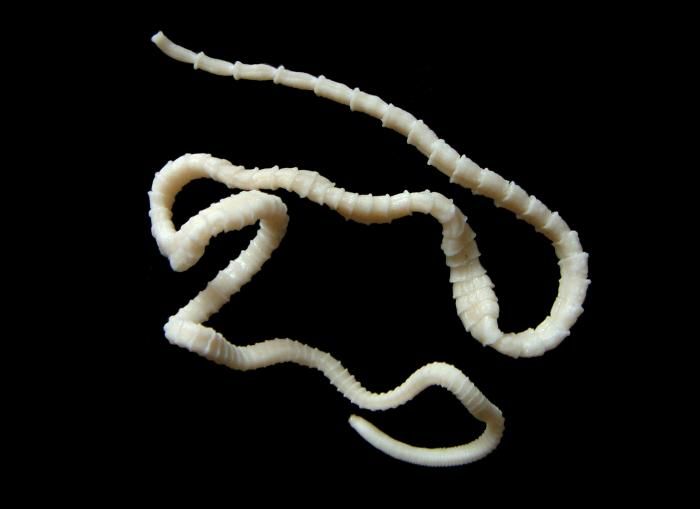
A tapeworm lives in the intestine of a cat absorbing nutrients through its skin. A tapeworm and a cat have this type of relationship.

a)

mutualism

b)

parasitism

c)

commensalism

d)

competition

4.
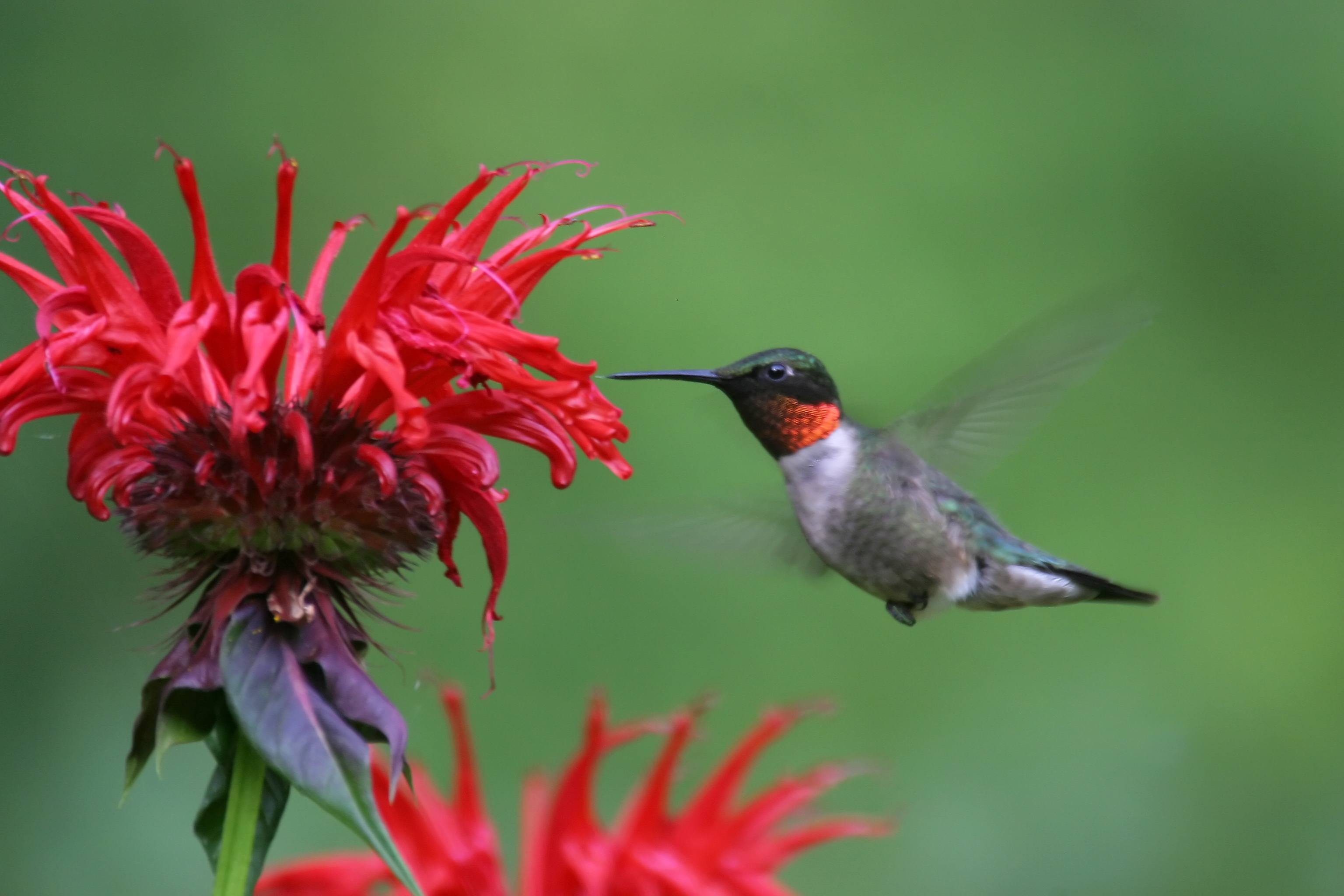
What type of symbiosis?  Hummingbirds feed on nectar from flowers.  The flowers are pollinated by hummingbirds as they move from flower to flower.
a)
commensalism
b)
mutualism
c)
parasitism
d)
predation
5.
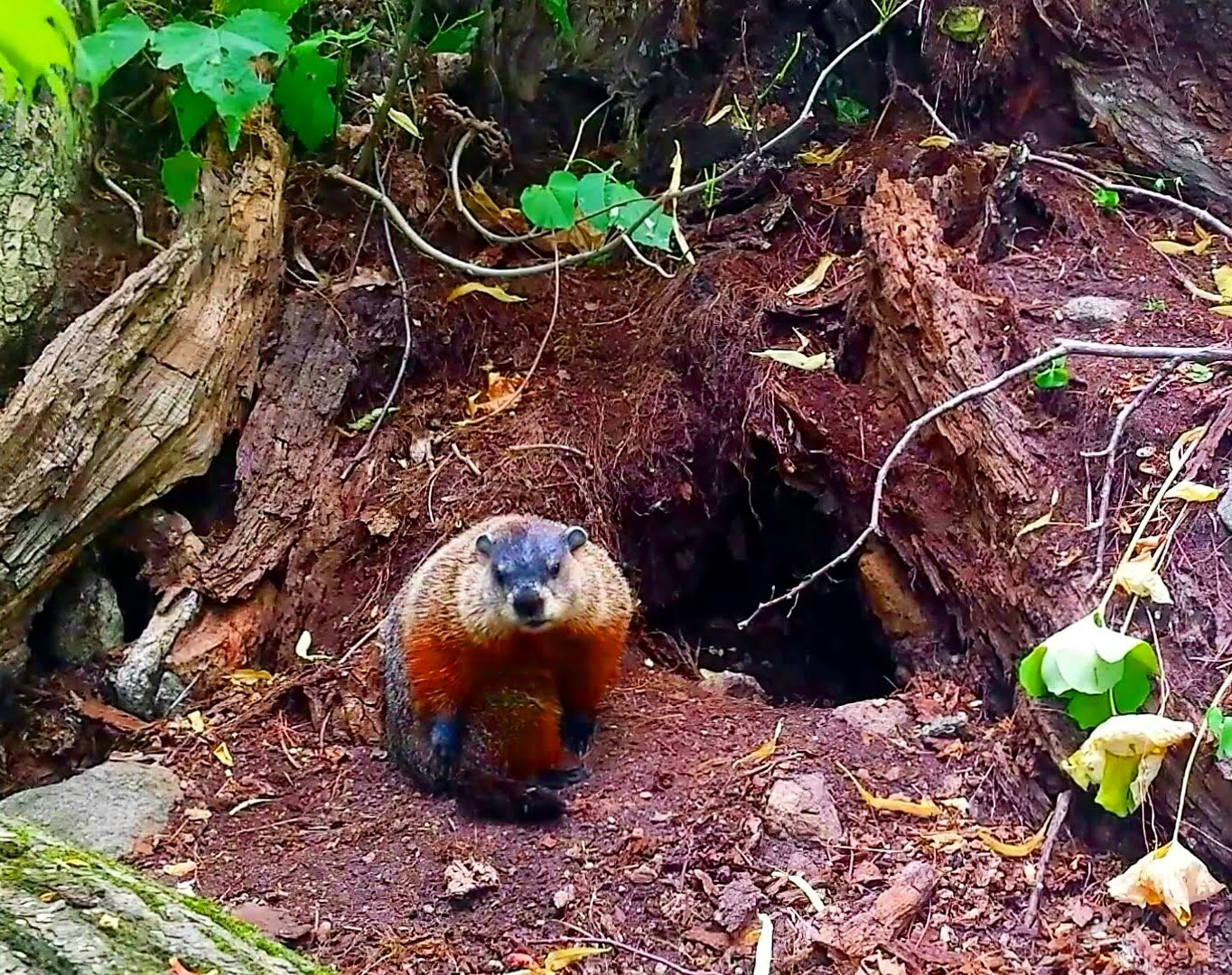
What type of symbiosis?  Skunks often live in burrows that have been dug and abandoned by woodchucks.  
a)
commensalism
b)
mutualism
c)
parasitism
d)
predation
6.
Which symbols best describe parasitism?
a)
+,+
b)
+,-
c)
+,0
d)
-,0
7.
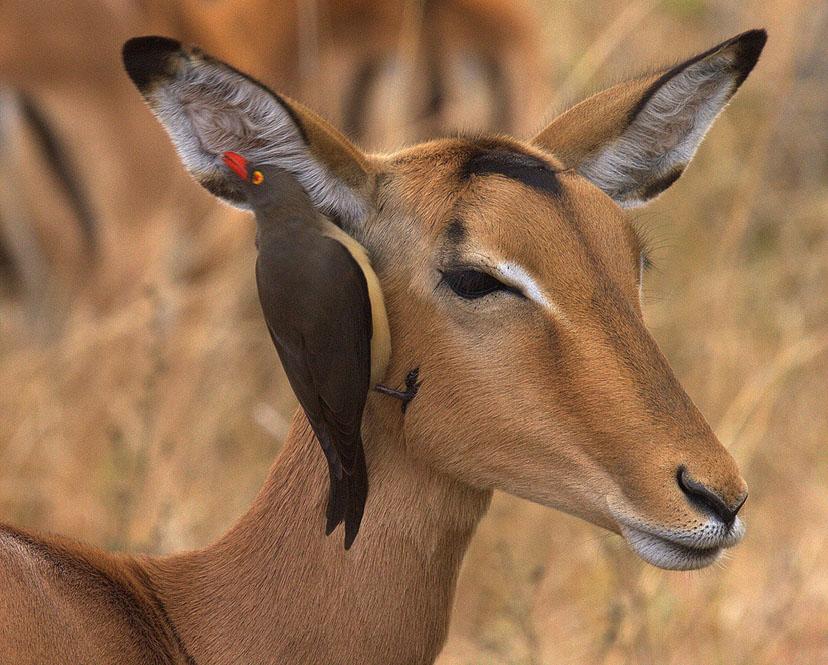
Red-billed oxpeckers are birds that often feed on parasites that infest impala.  This is an example of _______.
a)
commensalism
b)
mutualism
c)
neutralism
d)
competition
8.
A relationship between two organisms in which both organisms benefit. 
a)
Mutualism 
b)
Competition
c)
Parasitsm 
d)
Commensalism 
9.
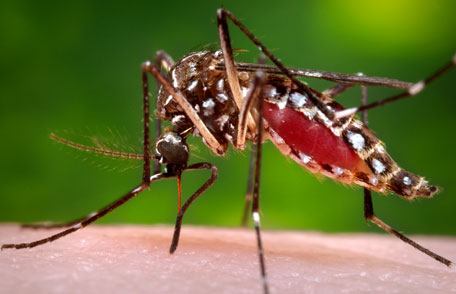
When a mosquito bites you, you are the __________ and the mosquito is the  ____________.
a)
host, hostess
b)
parasite, host
c)
host, parasite
d)
prey, predator
10.

Aphids are tiny insects that live on and eat the leaves of plants, removing vital nutrients from the plants.

a)

Predation

b)

Parasitism

c)

Commensalism

d)

Mutualism

11.

Mockingbirds will push the eggs out of a blue bird's nest and use the nest for it's own babies illustrating...

a)

commensalism

b)

parasitism

c)

mutualism

d)

predation

12.

Clown fish live among anemones, acting as a lure for the sea anemone's prey. The clown fish get protection and shelter from the anemone. This is an example of which type of symbiosis?

a)

Commensalism

b)

Mutualism

c)

Parasitism

13.

A bee and a flower work together to benefit each other. This is an example of a ______. The bee helps the flower by pollinating it and the flower helps the bee by providing it with nectar.

a)

commensalistic relationship

b)

parasitic relationship

c)

mutualistic relationship

14.
Which of he following interactions demonstrates a PARASITIC relationship?
a)
A mosquito sucking blood from a warm blooded animal.
b)
A group of baby otters floating together to help warm each other in the cold waters.
c)
Many fish swimming together to protect each other from predators.
d)
Two hyenas fighting over a female to mate with.
15.

Hookworms enter the human body by burrowing into the skin of the feet. Once in the skin, they enter the bloodstream and travel to the small intestine where they attach to the walls and begin to drink the person's blood and weaken the victim.

a)

mutualism

b)

commensalism

c)

parasitism

16.

Lichens are close associations of fungi and algae. The fungi hold the water supply and the algae perform photosynthesis to manufacture carbohydrates for both organisms.

a)

mutualism

b)

commensalism

c)

parasitism

17.

In the jungles of South America lives a thorn tree call an acacia. A species of ant eats secretions of the acacia, drinks its sap, and raises its young in the hollow thorns. The ants also keep competing vines from growing near the acacia tree and they help repel any insects that would damage the acacia tree.

a)

mutualism

b)

commensalism

c)

parasitism

18.

Lactobacilli are a type of bacteria that live in our lungs and destroy many of the microorganisms that enter our respiratory system. They are highly adapted to living in our lungs and can't survive in many other habitats.

a)

mutualism

b)

commensalism

c)

parasitism

19.
Commensalism is where one organism is benefiting and the other organism is _____________________. 
a)
not effected
b)
helped
c)
harmed
d)
hurt
20.
In a mutual relationship, both organisms are ________________. 
a)
hurt
b)
not effected
c)
harmed
d)
benefiting 
21.
In a parasitic relationship, one organism is ___________ and one organism is benefiting. 
a)
helped
b)
harmed
c)
not effected
d)
happy
22.
A tick is a parasite to a horse. Which statement best describes the relationship between the tick and the horse? 
a)
a.  The tick helps the horse get food. 
b)
a.  The tick harms the horse by feeding on its blood. 
c)
a.  The horse harms the tick by feeding on its blood. 
d)
The tick does not affect the horse. 
23.
Which is an example of commensalism?
a)
Two different kinds of organisms harming each other. 
b)
Two different kinds of organisms are neither helping nor harming each other. 
c)
One kind of organism is being helped, but the other one is not harmed or helped. 
d)
One kind of organism is being helped, but the other is harmed. 
24.
Which interaction benefits both organisms?
a)
A flea living on a dog
b)
A bee pollinating a flower
c)
A tapeworm living inside an animal
d)
A mosquito biting a person
25.
What type of symbiosis?  Skunks often live in burrows that have been dug and abandoned by woodchucks.  
a)
commensalism
b)
mutualism
c)
parasitism
d)
predation
26.
Red-billed oxpeckers are birds that often feed on parasites that infest impala.  This is an example of _______.
a)
commensalism
b)
mutualism
c)
neutralism
d)
competition
27.
What type of symbiosis?
  * Hummingbirds feed on nectar from flowers.
 * 
Flowers are pollinated by hummingbirds as they move from flower to flower.
a)
commensalism
b)
mutualism
c)
parasitism
d)
predation
28.

Which of the following is an example of symbiosis?

a)

A mother bear taking care of her cub

b)

A married couple who agree to split their rent and share housework duties.

c)

A worm living in a cow's intestine.

d)

One chimp cleaning and grooming the hair of another chimp.

29.

How is commensalism different from mutualism?

a)

In commensalism, one species benefits while the other is unharmed; in mutualism, both species benefit

b)

In commensalism, one species is harmed while the other benefits; in mutualism, both species benefit

c)

In commensalism, neither species is harmed; in mutualism, one species is harmed

d)

In commensalism, both species benefit; in mutualism, one species is harmed

30.

Which of the following is an example of a parasite?

a)

A flea

b)

An orchid

c)

An Egyptian plover

d)

The bacteria that live in human intestines

31.

A parasite cannot survive without a host organism.

a)

True

b)

False

32.
A mite lives in the base of the eyelashes of people who use mascara. It feeds on the mascara; it does not seem to harm people. What type of symbiotic relationship is this?
a)
mutualism
b)
commensalism
c)
parasitism
d)
predation