wayground logo

Free Printable Worksheets

NEW

Font size

S
M
L
XL
Worksheets

7 Ecosystems Unit Review

Total questions: 38

Worksheet time: 24mins

Name
Class
Date
1.
The place where an organism lives is its __________.
a)
habitat
b)
ecosystem
c)
organism
d)
population
2.
A group of organisms of the same species living in the same area are called a/an __________.
a)
community
b)
habitat
c)
population
d)
ecosystem
3.
All of the living AND non-living things in an area that interact with each other are called a/an __________.
a)
community
b)
habitat
c)
population
d)
ecosystem
4.
What are the ecological levels of organization from smallest to the largest?
a)
organism, population, community, ecosystem, biome, biosphere
b)
organism, community, population, ecosystem, biome, biosphere
c)
organism, population, community, biome, ecosystem, ecosphere.
d)
organism, community, population, biome, ecosystem, ecosphere
5.
What are biotic factors?
a)
dead things
b)
living things/ organisms
c)
weather
d)
plants
6.
Which is an example of an ABIOTIC factor?
a)
hummingbird
b)
water
c)
dead tree branch
d)
skunk
7.
Which is an example of a BIOTIC factor?
a)
lightning
b)
algae
c)
sand
d)
clouds
8.
The temperate decisuous forest, the tropical rain forest, the desert, and the tundra are all examples of...
a)
the biopshere.
b)
biomes.
c)
ecosystems.
d)
communities.
9.
A relationship where both organisms benefit is called __________.
a)
mutualism
b)
commensalism
c)
parasitism
10.
A relationship where one organism benefits and one organism is harmed is called __________.
a)
mutualism
b)
commensalism
c)
parasitism
11.
A relationship where one organism benefits and one organism is unaffected is called __________.
a)
mutualism
b)
commensalism
c)
parasitism
12.

symbiotic relationship in which both organisms benefit

a)

competition

b)

mutualism

c)

predation

d)

commensalism

13.

In the wild, some alligators gets their teeth cleaned by birds. The birds gets their food from the alligators' teeth.

What type of symbiosis is this?

a)

Mutualism

b)

Commensalism

c)

Parasitism

d)

Neutralism

14.
A bird hitches a free, safe ride on the back of a grey elephant. The elephant doesn't seem to mind and barely notices the bird. Which type of relationship is this?
a)
mutualism
b)
commensalism
c)
parasitism
15.

Barnacles do not affect whales as they grow, but receive the benefit of a food source. This is

a)

parasitism

b)

mutualism

c)

commensalism

d)

neutralism

16.
Carnivores, herbivores, omnivores, and scavengers are all examples of __________.
a)
producers
b)
consumers
c)
decomposers
d)
abiotic factors
17.

Producers are ...

a)

plants

b)

able to do photosynthesis

c)

also called autotrophs

d)

all of these are true

18.

Which of the following is NOT a consumer

a)

grass

b)

dog

c)

shark

d)

fish

19.
__________ is an organism that eats BOTH plants and animals for energy.
a)
Omnivore
b)
Darnivore
c)
Carnivore
d)

Herbivore

20.
Organisms that obtain energy from other organisms..
a)
autotroph
b)
ATP
c)
photosynthesis
d)
heterotroph
21.

These organisms are often not shown in a food chain, but are important for recycling nutrients

a)

producers

b)

decomposers

c)

primary consumers

d)

carnivores

22.
In this food chain, what will happen if the frogs become extinct?
a)
The snakes will increase.
b)
The grasshoppers will decrease.
c)
The eagles will remain the same.
d)
The grasshoppers will increase.
23.

Factors like predation can have a positive benefit to the population of prey organisms because predators tend to keep prey populations below their ___________.

a)

carrying capacity

b)

sustainibility number

c)

exponential growth point

d)

competition level

24.
Food, water, sunlight, shelter, and space are resources that are often __________.
a)
limiting factors
b)
wet
c)
messy
d)
found in rocks
25.

As a population of a species increases within a territory, which of the following most likely also increases?

a)

Immigration

b)

Food supply

c)

Carrying capacity

d)

Competition

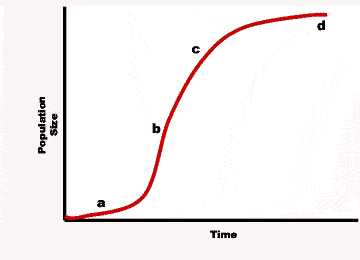
26.

What point on the graph represents carrying capacity?

a)

a

b)

b

c)

c

d)

d

27.

Cellular respiration happens in the

a)

plants only

b)

animals only

c)

chloroplasts

d)

mitochondria & cytoplasm

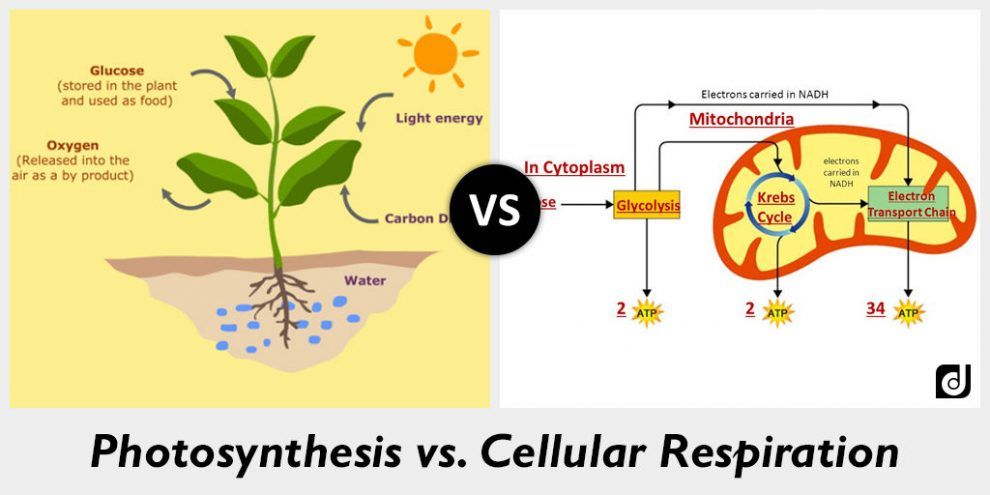
28.
How can photosynthesis be related to cellular respiration?
a)
What's produced by one is needed for the other
b)
They both produce the same products
c)
They both have the same reactants (need the same things)
d)
These 2 processes have nothing in common
29.
Why is photosynthesis important?
a)
creates oxygen for animals to breath
b)
creates energy for heterotrophs to use
c)
creates food for plants to use
d)
all of these are correct
30.
Cellular respiration is...
a)
the process by which cells break down glucose into energy. 
b)
the process by which cells break light down into energy. 
c)
the process by which cells communicate with other cells. 
31.
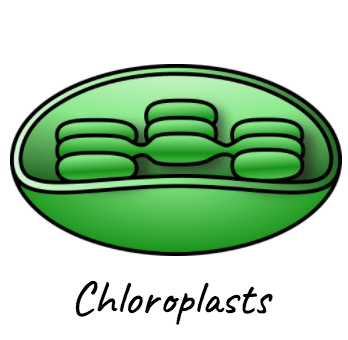
Chloroplasts are...
a)
A type of pigment used for photosynthesis
b)
The location inside a plant cell where photosynthesis happens
c)
The location where cellular respiration happens
d)
Green beans
32.
What is the purpose of photosynthesis?
a)
To use glucose to produce energy in the form of ATP
b)
To use energy from sunlight to produce glucose
c)
To use oxygen to produce glucose
d)
To produce energy for all cells in an animal's body
33.

A connection of food chains with many food energy paths in an ecosystem is a ____________

a)

ecosystem

b)

food web

c)

environment

d)

trophic level

34.
In the energy pyramid here, how much of the energy in each level gets lost as heat or used by the organism for survival?
a)
80%
b)
90%
c)
10%
d)
20%
35.

grass --> grasshopper --> sparrow --> hawk

In the food chain above, which organism would be found on level B of the energy pyramid shown?

a)

grass

b)

grasshopper

c)

sparrow

d)

hawk

36.

What percentage of energy is passed on to the next trophic level?

a)

5%

b)

10%

c)

50%

d)

90%

37.
In the energy pyramid here, how much of the energy in the producers gets passed to the herbivores?
a)
10%
b)
20%
c)
80%
d)
90%
38.
Which of the following illustrates the correct ordering of trophic levels?
a)
decomposers-carnivores-autotrophs-herbivores
b)
herbivores-autotrophs-carnivores-decomposers
c)
producers-herbivores-carnivores-decomposers
d)
carnivores-producers-omnivores