
Font size
 Worksheets
Protecting Environment
Total questions: 35
Worksheet time: 31mins
A large quantity of the world’s plastic ends up in the ocean.
TRUE
FALSE
Sea turtles often mistake plastic bags for jellyfish, so they often die after ingesting them.
TRUE
FALSE
noise pollution is


Eco-friendly sports
don't pollute the environment
are bad for the environment
increase the amount of oxygen in the air
use petrol

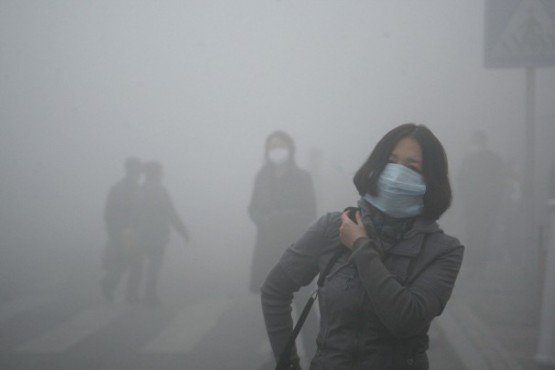
What type of pollution is this?
Visual
Air
Noise
Water

What type of pollution is this?
Visual
Air
Noise
Water

What type of pollution is this?
Visual
Air
Noise
Water

What type of pollution is this?
Visual
Air
Noise
Water
Which of the following is a source of air pollution?
Difficulty in breathing
Factories
Eye irritation
Drinking water
Pollution _________________________.
is harmful materials put into the environment
is found in air, water, and land
effects plants, animals, and people
All of the above
What are the main causes of acid rain?
farms and forests
water power and electricity
Coal burning factories and automobile emissions
solar power, wind turbines

How does planting trees help the environment?
It makes leaves fall everywhere for nutrients.
It helps reduce air pollution.
It provides homes for wildlife like bugs and birds.
It reduces the risk of wildfires.

What are renewable resources?
A renewable resource is a resource which can be used repeatedly and replaced naturally.
A renewable resource is a resource which can not be used repeatedly and replaced naturally.
A renewable resource is the breakdown of organic matter by microorganisms, such as bacteria and fungi
A renewable resource is is the introduction of contaminants into the natural environment that cause adverse change.
which environmental concern is one of the most serious problem in Vietnam that you studied in this lesson
Drought
Pollution
Deforestation
Hurricane

Which of the descriptors below cause soil pollution?
Spreading chemical fertilizers on the ground.
Mining
Flooding
Smoke from factories.
Smoke from a forest fire.
Natural causes of air pollution include all of the following
forest fires
dust
volcanic ash
wind
pollen
How do humans cause air pollution?
plowing of fields
burning fossil fuels (coal, oil)
using solar power
driving electric cars
A mixture of smoke, fog and chemicals in the air is known as ________.
oxygen
radiation
smog
The Clean Air Act- regulates vehicle emissions.
true
false
A type of pollution found both indoors and outdoors, which includes pollen, dander, soot, carbon, and dust.
Water droplets
Allergens
Particulate matter
Combustibles
Which pair below are the two main sources of air pollution in urban (populated) areas?
vehicles, volcanoes
vehicles, industries
Industries, agriculture
All of the above
Which is true of air pollution and human health?
Years of research link air pollution to lung diseases, birth defects, and cancer
Air pollution is commonly listed as a cause of death.
None of the health effects of air pollution are reversible.
Healthy adults are most affected by air pollution.
The following ailments are long-term effects of air pollution EXCEPT
emphysema. (hardening of lungs)
lung cancer.
headaches.
heart disease.
______________ ______________ is produced when fuels containing sulfur are burned in the presence of oxygen.
Carbon dioxide
Sulfur dioxide
Carbon monoxide
Greenhouse gas
A type of pollution found both indoors and outdoors, which includes pollen, dander, soot, carbon, and dust.
Water droplets
Allergens
Particulate matter
Combustibles
This primary pollutant creates a reddish brown gas creating photochemical smog and tropospheric ozone.
sulfuric acid
VOC
nitrogen dioxide
particulate matter

