
 Worksheets
8 HPE - Nutrition Revision Quiz
Total questions: 32
Worksheet time: 17mins
Chemicals in food that help your body work properly.
Minerals
Fats
Nutrients
Protein
The study of nutrients and how the body uses them.
Nutrition
Healthy eating
Nutrients
Metabolism

These foods are rich in which nutrient?
Proteins
Carbohydrates
Fats
Water
Select the foods that are rich in proteins.


Maria eats foods from ALL the food groups in the correct amount that her body needs. She has a __________.
Diet
Balanced Diet
lot of money
nutrients

Mark is on the athletics team and wants to build his muscles. Mark needs to eat foods rich in _________ to build his muscles.
carbohydrates
fats
proteins
minerals
This type of nutrient is needed in larger amounts and includes proteins, fats, and carbohydrates
Carbohydrate
Micronutrient
Mineral
Macronutrient
Nutrients that promote normal growth, give you energy, and keep your skin healthy. There are two types: saturated and unsaturated.
Fat
Protein
Carbohydrates
Nutrients
Compounds that help to regulate body processes.
Fats
Vitamins
Minerals
Carbohydrates
Elements in food that help your body work properly.
Minerals
Fats
Nutrients
Protein
Aside from the five food groups, what else should we consume a lot of every single day?
(a)
Why would it be bad to consume only food from one group?
Because it would cause you to lose different tastes
Because you would lose your strength
Because your body needs a wide variety of nutrients to function
Because you wouldn't get sick
True or False, there are vegetarian and vegan alternatives to meats that can provide the same nutritional value.
True
False
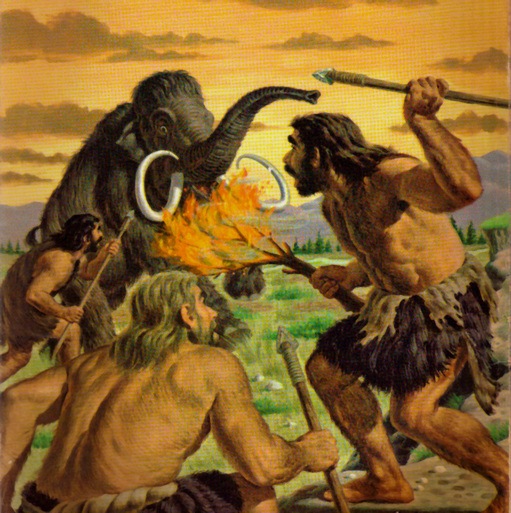
Our ancestors consumed large amounts of fat.
True
False
Which one is a healthy form of fats ?
unsaturated fats
saturated fats
When did the paleo diet start to be idealized?
2000;
1945;
2002;
338 a.C.
What can you eat on the paleo diet?
Meat, fish, milk and potatoes
Grains, legumes, fish and refined sugar
Eggs, fish, meat and fruits
Milk, legumes, grains and refined sugar
Who created the paleo diet?
Dr. Paleo Voegtlin;
Loren Cordainm;
Robb Wolf;
Walter Voegtlin.
Doctors tested a patient to find out what molecules were in her cells. Her cells contained normal levels of amino acids, normal levels of oxygen molecules, and low levels of glucose molecules. Will this patient be able to exercise normally?
A Yes, her cells just need to combine amino acids to release energy.
B No, her cells need to combine glucose into starch molecules to release energy.
C No, her cells need glucose to react with oxygen to release energy.
D Yes, her cells just need oxygen to release energy.
Fad diets are recognizable because
they purport to have a miracle cure
they have an "easy" solution to a complex problem
they are endorsed by celebrities
All of the above
Which is NOT a fad diet?
Vegetarian diet
Keto diet (no grains, more fat)
Weight watchers (calorie restriction)
Raw Food diet (no cooked food)
A hormone is
a chemical substance produced by a gland and carried by the lymph.
an enzyme produced by a gland and carried by the blood.
a chemical substance produced by an organ and carried by the blood.
a chemical substance produced by a gland and carried by the blood.
When your stomach is empty it release a hormone called?
gremlin
Ghrelin
leptin
NPY
When your stomach is full it and yoru fat cells release a hormone called?
gremlin
Ghrelin
leptin
NPY
What is the chemical in your brain that leptin interferes with and is release when you feel hungry?
gremlin
Ghrelin
leptin
NPY
Recall why ancient hunter-gatherers evolved to find fatty and sugary foods so desirable?
They used these foods as gifts when looking for mates
These foods simply looked good to them
Our ancestors were health-conscious and knew these foods were healthy to consume in large amounts
These foods were very scarce and gave our ancestors a potentially life-saving burst of energy
Why are we more inclined to over eat when it comes to foods high in fat or sugar? (select the best response)
Bceuase they taste good
because these foods were full of energy however historically scarse and our ancesters would eat as much of these foods as possible beccause they didn't know when they might eat again
because we are surrounded by them at the shops
because they provide us with the most energy

Why is a pyramid often used to resprsent proportions of nutrition consumption?
becuase it allows the inclusion of more food
because it is a nice shape
because it gives a visual respresenation of the amounts of foods that should be consumed
How does the continual intake of fat and sugar effect our bodies?
Continual intake of fat and sugar overrides the regulatory system of Ghrelin and Leptin inhibiting their control so we are unable to regulate our evolutionary desire leading to high levels of obesity.
the intake of fat and sugar speeds up the regulatory system of Ghrelin and Leptin inhibiting their control so we are able to regulate our evolutionary desire leading to low levels of obesity.
the intake of fat and sugar overides the regulatory system of Ghrelin and Leptin inhibiting their control so we are able to regulate our evolutionary desire leading to high levels of obesity.

