wayground logo

Free Printable Worksheets

NEW

Font size

S
M
L
XL
Worksheets

Classification of Matter

Total questions: 51

Worksheet time: 29mins

Name
Class
Date
1.

Is the following a pure substance or mixture? Baking Soda ( NaHCO3NaHCO_3

a)

pure substance

b)

mixture

2.

Is the following an element or compound? hydrogen peroxide (H2O2)

a)

element

b)

compound

3.

Is the following a homogeneous or heterogeneous mixture? coffee mixed with cream and sugar (think about what happens with the cream & sugar)

a)

homogeneous mixture

b)

heterogeneous mixture

4.

Is the following homogeneous or heterogeneous? Fruit salad

a)

homogeneous mixture

b)

heterogeneous mixture

5.

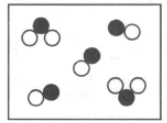
Classify the particle diagram.

a)

element

b)

compound

c)

mixture of elements

d)

mixture of compounds

e)

mixture of elements and compounds

6.

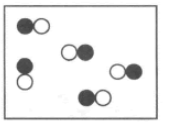
Classify the particle diagram.

a)

element

b)

compound

c)

mixture of elements

d)

mixture of compounds

e)

mixture of elements and compounds

7.

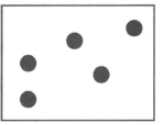
Classify the particle diagram.

a)

element

b)

compound

c)

mixture of elements

d)

mixture of compounds

e)

mixture of elements and compounds

8.

How would you classify this image?

a)

homogeneous mixture

b)

heterogeneous mixture

9.

How would you classify this image?

a)

homogeneous mixture

b)

heterogeneous mixture

10.
All matter is made up of .....
a)
Compounds
b)
Atoms
c)
Molecules
d)
Sunshine
11.
Are made from a combination of 2 or more elements...
a)
Molecules
b)
Pure Substances
c)
Compounds
d)
Elements
12.
A combination that can be separated by physical processes is a .....
a)
Pure Substance
b)
Glucose
c)
Element
d)
Mixture
13.
A mixture that is NOT evenly distributed is called ....
a)
Compounded
b)
Homogenous
c)
Heterogenous
d)
Salty
14.
If you change a substance into a new substance...
a)
Partial Change
b)
Physical Change
c)
Chemical Change
d)
Freezing
15.
Which is NOT a chemical change?
a)
Leaves changing colors in the fall
b)
Iron rusting
c)
Digesting Lunch
d)
Ice Melting
16.
Mixture, such as mixed nuts or dry soup mix, in which different materials are unevenly distributed and are easily identified.
a)
suspension
b)
homogeneous mixture
c)
heterogeneous mixture
d)
colloid
17.
Substance with atoms that are all alike.
a)
element
b)
compound
c)
homogeneous mixture
d)
heterogeneous mixture
18.
Which of the following is not an element?
a)
water
b)
hydrogen
c)
carbon
d)
oxygen
19.
Which of the following IS a mixture?
a)
air
b)
hydrogen
c)
water
d)
sugar
20.
Which of the following would you use to separate sand from iron?
a)
a bar magnet
b)
paper
c)
hot plate
21.
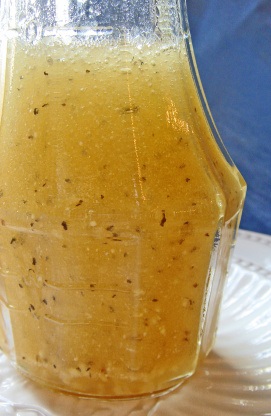
Italian Salad Dressing is a . . .
a)
heterogeneous mixture
b)
homogeneous mixture
c)
Pure Substance
d)
Compound
22.
A homogeneous mixture of particles so small that they can not be seen with a microscope and that will never settle to the bottom of their container
a)
colloid
b)
solution
c)
suspension
d)
tyndall effect
23.
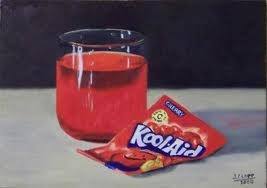
A mixture that is so evenly mixed you can't see the parts.  Such as Kool-Aid
a)
Homogeneous Mixture
b)
Heterogeneous Mixture
c)
Pure Substance
24.
what is the definition of chemical change?
a)
any change that results in the formation of new chemical substances. 
b)
changing clothes
c)
matter cannot be created or destroyed, only change form
d)
changes affecting the form of a chemical substance, but not its chemical composition.
25.
which one is the definition of chemical property?
a)
a property or characteristic of a substance that is observed during a reaction where the chemical composition of a substance is changed
b)
any change that results in the formation of new chemical substances
c)
combustibility
26.
Which is NOT a sign of a chemical change?
a)
Change in color
b)
Gas or heat was produced
c)
New substance is formed
d)
Change of state
27.
Rotting fruit
a)
Chemical
b)
Physical
28.
Knit a blanket
a)
Chemical 
b)
Physical
29.
Change in size
a)
Chemical
b)
Physical
30.
Is melting butter for popcorn a chemical or physical change?
a)
chemical
b)
physical
31.
Which type of change involves breaking the bonds in a substance in order to form new ones?
a)
Chemical Change
b)
Physical Change
32.
Is water melting a physical or chemical change?
a)
Physical
b)
Chemical
33.
Is salt dissolving in water a physical or chemical change?
a)
Physical
b)
Chemical
34.
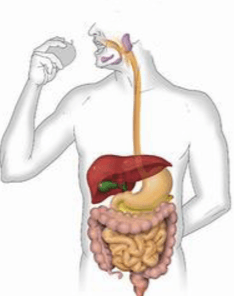
Is digesting your food a physical or chemical change?
a)
Physical
b)
Chemical
35.
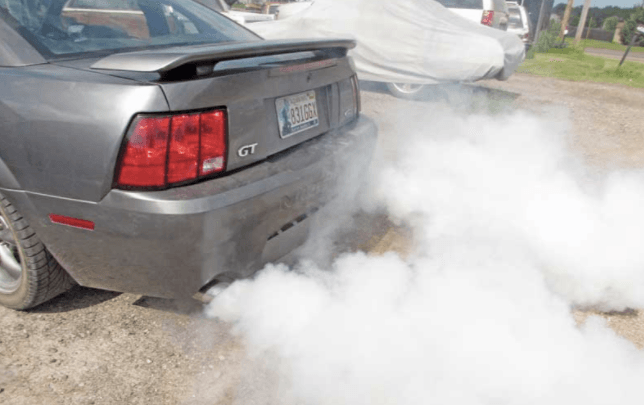
Is a car using fuel a physical or chemical change?
a)
Physical
b)
Chemical
36.
Is sour milk a physical or chemical change?
a)
Physical
b)
Chemical
37.
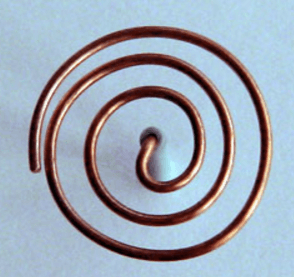
Is bending copper wire a physical or chemical change?
a)
Physical
b)
Chemical
38.
When baking soda and vinegar mix it creates a bubbly mess. Is this a chemical or physical change?
a)
Physical
b)
Chemical
39.

Three examples of physical change are

a)

boiling water, bursting of a balloon, and crumpling a piece of paper

b)

burning of gasoline, rotting of an egg, and exploding fireworks

c)

freezing of water, evaporation of gasoline, and rusting of a nail

d)

sawing of wood, crushing a can, and toasting a marshmallow

40.

Which of the following is not a type of matter?

a)

rain

b)

light

c)

smoke

d)

batteries

41.

The scattering of light by colloids is called

a)

air pollution

b)

conservation

c)

suspension

d)

Tyndall effect

42.

A ______ is NOT a mixture

a)

colloid

b)

compound

c)

suspension

d)

solution

43.

_______ is another name for a homogeneous mixture

a)

liquid

b)

solution

c)

substance

d)

suspension

44.

When a log burns in a fire,  _______

a)

a physical change has occurred

b)

mass is gained

c)

mass is lost

d)

new substances are formed

45.

Fog is an example of a

a)

colloid

b)

compound

c)

solution

d)

substance

46.

A gas-like mixture with no definite volume or shape that is made up of positively and negatively charged particles is a _____.

a)

gas

b)

liquid

c)

plasma

d)

solid

47.

Matter that has a definite volume and definite shape is a _____.

a)

gas

b)

liquid

c)

plasma

d)

solid

48.

Matter with no definite volume and no definite shape is a _____.

a)

gas

b)

liquid

c)

plasma

d)

solid

49.

As a sample of matter is heated, its particles

a)

are unaffected

b)

move more quickly

c)

move more slowly

d)

stop moving

50.

The most common state of matter in the universe is

a)

gas

b)

liquid

c)

plasma

d)

solid

51.

The particles that make up a solid move _____ than do the particles that make up a gas

a)

in the same way

b)

more quickly

c)

more quickly and farther

d)

more slowly