
 Worksheets
6 Bio Comp Review
Total questions: 110
Worksheet time: 1hrs 24mins
Which of the following converts food into energy for the cell?
vacuole
mitochondria
cytoplasm
cell membrane
Cells come from______.
other preexisting cells
cytoplasm
organelles
prokaryotes
___ takes place when blood travels from the heart, through the lungs, and back to the heart.
pulmonary circulation
systemic circulation




Sperm are produced in the
Bladder
Testes
Scrotum
Ovaries

A fertilized egg develops in the
the cervix
the uterus
an ovary
the vagina

What is number 5 pointing to?
Fallopian tube
Cervix
Uterus
Vagina
Ovary

What is 2 pointing to?
Fallopian tube
Cervix
Uterus
Vagina
Ovary

What is #1 pointing to?
Fallopian tube
Cervix
Uterus
Vagina
Ovary

A) Urine passes through the ureters
B) Urea enters the kidneys
C) Urine enters the urethra

What muscle is highlighted in the picture?
Triceps
Biceps
Quads
Deltoids

What muscle is highlighted?
Triceps
Biceps
Quads
Deltoids

What muscle is highlighted?
Lats
Abdominals
Pectoralis
Quads

What muscle is highlighted?
Hamstrings
Quads
Calves
Gluteus

What bone is highlighted?
Skull (Mandible)
Clavicle
Mandible
Scapula

What bone is highlighted?
Radius
Ulna
Humerus
Carpals
From wrist to fingertip, what is the order of bones?
Carpals, metacarpals, phalanges
Phalanges, metacarpals, carpals
Carpals, phalanges, metacarpals
Metacarpals, carpals, phalanges


You hit a growth spurt and find that you've grown three inches over the summer! What gland is involved in this scenario?
Pituitary
Pancreas
Thymus
The "master gland" is known as the __________________.
thyroid gland.
adrenal gland.
pancreas.
pituitary gland.
What is the main function of the endocrine system?
It creates chemicals, or hormones, that are sent around the body to maintain homeostasis.
It creates electrical messages that are sent around the body to maintain homeostasis.
It maintains the correct level of oxygen in the body to maintain homeostasis.
It releases waste from the body to maintain homeostasis.
This gland releases hormones that control your metabolism:
Hypothalamus
Thyroid
Pituitary
pancreas
Which is NOT a type of tissue in your body?
muscle tissue
nervous tissue
connective tissue
specialized tissue
epithelial tissue

What is the function (purpose or job) of connective tissues?
to allow movement
barrier that protects, absorbs or excretes
supports and attaches
processes and transmits information
Covers the body surface and forms the lining for most internal cavities.
epithelial tissue
connective tissue
muscle tissue
nervous tissue
episodic tissue
The neuron has short, branched parts called
Axon
Dendrites
Nucleus
Nerve Cells
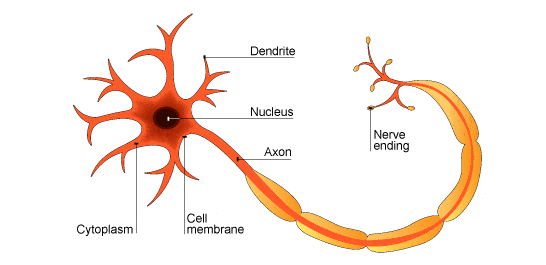
What level of structure is represented by the diagram?
organ
organ system
cell
tissue
Humans feel hungry when their empty stomachs contract and glucose levels in their body drop. Both of the situations stimulate neurons that send messages to the brain which are interpreted as hunger. What body systems are involved in this process as described?
digestive, muscular, integumentary, and respiratory
digestive, excretory, integumentary, and skeletal
circulatory, excretory, nervous, and skeletal
circulatory, digestive, muscular, and nervous
The brain has 3 major sections that send and receive signals to control all the activities that keep a person functioning efficiently. Which major section controls breathing and heart beat?
cerebellum
cerebrum
brain stem
cortex


What is it called when capillaries widen in the infected area?
Lymphocyte
Antigen
Pathogen
Inflammation

What makes and releases antibodies?
Pathogen
B-cells
Lymphocyte
Antigen

Name 3 parts of the body that keep pathogens out ("The First Line of Defense").
White blood cells, tears, T-cells
Saliva, inflammation, Lymphocytes
Skin, tears, saliva
Mucous membranes, fever, B-cells

Which are part of the integumentary system?
Muscles, skeleton, bone marrow
Hair, skin, bones
Hair, skin, nails
Brain, spinal cord, nerves

What's the outer-most layer of your skin called?
Epidermis
Dermis
Subcutaneous fat layer
All of the above

How does hair protect us?
By keeping us cooler
By keeping us warmer
By providing a boundary against germs
Waterproofing

Group of cells that make special chemicals for your body
hormones
cells
glands
nerves
Gland that controls fight or flight response
pituitary
thyroid
thymus
adrenal

#3
pituitary
thyroid
thymus
adrenals
Which pairing is NOT correct?
Ovaries/testes - reproductive hormones
adrenals - epinephrine
pancreas - enzyme
pituitary - growth hormone

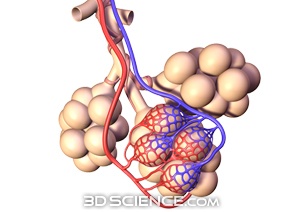

Flap of tissue that covers the opening to the windpipe during swallowing
Pharynx
Trachea
Epiglottis
Blood cell that protect the body against infection
Platelets
Plasma
Hemoglobin
White Blood Cells
Blood
These are between the atria and ventricles that allow blood to flow through the chambers
Pulmonary Circulation
Valves
Atria
Ventricles
Septum
Blood vessels that carry oxygenated blood away from the heart
Arterioles
Arteries
Veins
Venules
Capillaries
A universal donor
Type O
Type AB
Type B
Type A
Can donate red blood cells to only AB but can receive from all others.
Type O
Type AB
Type B
Type A
Can donate red blood cells to only A & AB
Type O
Type AB
Type B
Type A
if the extra fluid (not reabsorbed into the capillaries) is left in the tissues, it would cause ________
blisters
swelling
bruises
The lymphatic system is unlike the circulatory system because it is a
closed system
system that contains white blood cells
simple system
one-way system
lymph nodes
are bean shaped and act as checkpoints where lymph is cleaned
make up the lymphatic system's organs
are not connected to the circulatory system
are where white blood cells destroy pathogens like bacteria/viruses
Which of the following signs is not characteristic of inflammation?
redness
pain
cold
swelling
Mast cells detect injury to nearby cells and release ______, initiating an inflammatory response.
histamine
memory T-cells
antigens
leukocytes
Immunity developed from an individual's own immune system.
active immunity
adaptive immunity
passive immunity
innate response
Maria's blood type is (B-), can she receive blood from Julian who has (B+)? Why?
yes, they both have the B-antigen
no, her antibodies won't recognize his D-antigen
yes, because the Rh factor is not important for blood transfusions
no, because he does not have the D-antigen needed for a transfusion
Which organelle controls what goes in and out of the cell?
nucleus
nucleolus
cell membrane
nuclear membrane
Proteins are produced at this organelle.
golgi body
ribosome
cytoskeleton
cilia
this organelle makes ATP.
chloroplast
mitochondria
ribosome
nucleolus
Ribosomes are produced here
nucleus
nuclear membrane
nucleolus
chromosomes

What is number 1?
Dermis
Epidermis
Hypodermis/subcutaneous
Artery
What is number 3?
Dermis
Epidermis
Hypodermis/subcutaneous
Artery
What is number 4?
Hair Follicle
Hair Shaft
Sebaceous gland
Sudoriferous gland
What is number 5?
Dermis
Epidermis
Sebaceous Gland
Sudoriferous Gland
The three main functions of the nervous system are ...
Decision making, thinking, and gathering information
Seeing, Feeling, and Hearing
Gathering information, maintaining homeostasis, and responding to stimuli
Using the 5 senses, telling my body to move, and being aware of my surroundings
A motor neuron ...
Relays information to other neurons
Gives commands to my nerves
Senses information
Gives commands to my muscles
The major set of large set of nerves running down the spinal column or vertebrae.
axon
spinal cord
dendrite
cell body
The axon is covered with fatty substance called .......
gray matter
synapse
mylein sheath

A cartilage is
A strong flexible tissue that is found at the end of your bones.
A strong rigid tissue that is found at the end of flat bones.
part that stores fats.
tissue that joins 2 bones together
Yellow bone marrow is found :
inside the longest part of long bones.
at the end part of long bones.
In all parts of long bones.
only in spongy bone

