
 Worksheets
MED231- Get to know your needle
Total questions: 80
Worksheet time: 45mins
Angle for ID injections
5-15 degrees
45-90 degrees
90 degrees
Angle for IM injections
5-15 degrees
45-90 degrees
90 degrees
Angle for Sub-Q injections
5-15 degrees
45-90 degrees
90 degrees
Amount of medication for ID injections
no more than 0.5mL
0.5-2.0mL
1-5mL
Amount of medication for Sub-Q injections
no more than 0.5mL
0.5-2.0mL
1-5mL
Gauge of needle for ID injections
25-27g
24-26g
20-25g
Needle length for Sub-Q injections
3/8-5/8 inches
1/2- 5/8 inches
1-2 inches
Sites for ID injections
forearm
deltoid
upper outer arm
front of thigh
rectus femoris
Sites for Sub- Q injections
forearm
deltoid
upper outer arm
front of thigh
rectus femoris
Sites for IM injections
forearm
deltoid
upper outer arm
front of thigh
rectus femoris
Sites for IM injections
midback
abdomen
ventrogluteal
upper back
dorsogluteal
Sites for Sub- Q injections
midback
abdomen
ventrogluteal
upper back
dorsogluteal
Sites for ID injections
midback
abdomen
ventrogluteal
upper back
dorsogluteal
What does the O in OSHA stand for?
Orientation
Occupational
Optional
Who must comply with OSHA?
Only teachers and doctors.
Everyone who works at a job that requires health and safety.
What does the S in OSHA stand for?
Sounds
Simple
Safety
Why is workplace safety important?
It's not important.
It keeps workers and customers safe.
Only managers need to worry about workplace safety.
Only companies with over 100 employees need OSHA training.
True
False
Which is an example of being healthy at work?
Never making a mistake at work.
Working everyday of the week.
Washing your hands after using the bathroom.

At what degree angle is an intramuscular injection given?
(a)

At what degree angle is a subcutaneous injection given?
(a)

At what degree angle is an IV (intravenous) inserted?
(a)

At what degree angle is an intradermal injection given? (give the range)
(a)

Sometimes a physician will order that the head of the bed at a certain angle. What is the name for this bed position?
(a)

What is the name for this bed position?
(a)
What position would the bed be in if the head of the bed were at 25° ?
Semi-Fowler's
Low Fowler's
High Fowler's

In this image, the angle of the arm has been raised (a) degrees.

According to the image, which injection is going deepest into body tissue?
intramuscular
subcutaneous
intravenous
intradermal
Which of these "injections" is used for injecting medications, etc., directly into the bloodstream?
intramuscular
subcutaneous
intravenous
intradermal
Which of the following is an example of an intradermal injection?
Tuberculosis
Insulin
Shingles Vaccination
Chicken Pox Vaccination
Intramuscular injections are injected into the:
abdominal cavity
muscle tissue
dermis
vein
Lidocaine is sometimes used with IM injections because it is a:
collodion
liniment
numbing agent
freezing agent
Allergy shots would be given with which of the following types of needle?
Large-bore needle
A fine, long needle
A fine, short needle
A flexible needle
Germs are called what in the chain of infection?
(a)
What is an example of an agent?
bacteria
person
dog
hand
Give an example of a portal of entry?
(a)
Which of the following is NOT a reservoir?
food
people
blanket
animals
What comes next in the chain of infection? Agent, reservoir, portal of exit,_________.
portal of entry
mode of transmission
susceptible host
bacteria
Which of the following is an example of contact transmission?
shaking hands with someone
winking
jumping jacks
coughing
Select examples of a mode of transmission.
Contact
Bacteria
Droplet
Mouth
What is the term used for the next person to get sick in the chain of infection?
(a)
How long do people need to wash their hands?
10 seconds
5 seconds
20 seconds
50 seconds
What are ways to keep your hands clean?
Hand sanitizer
Using a napkin
Washing hands
keeping your hands in your pockets


What is anatomical position?
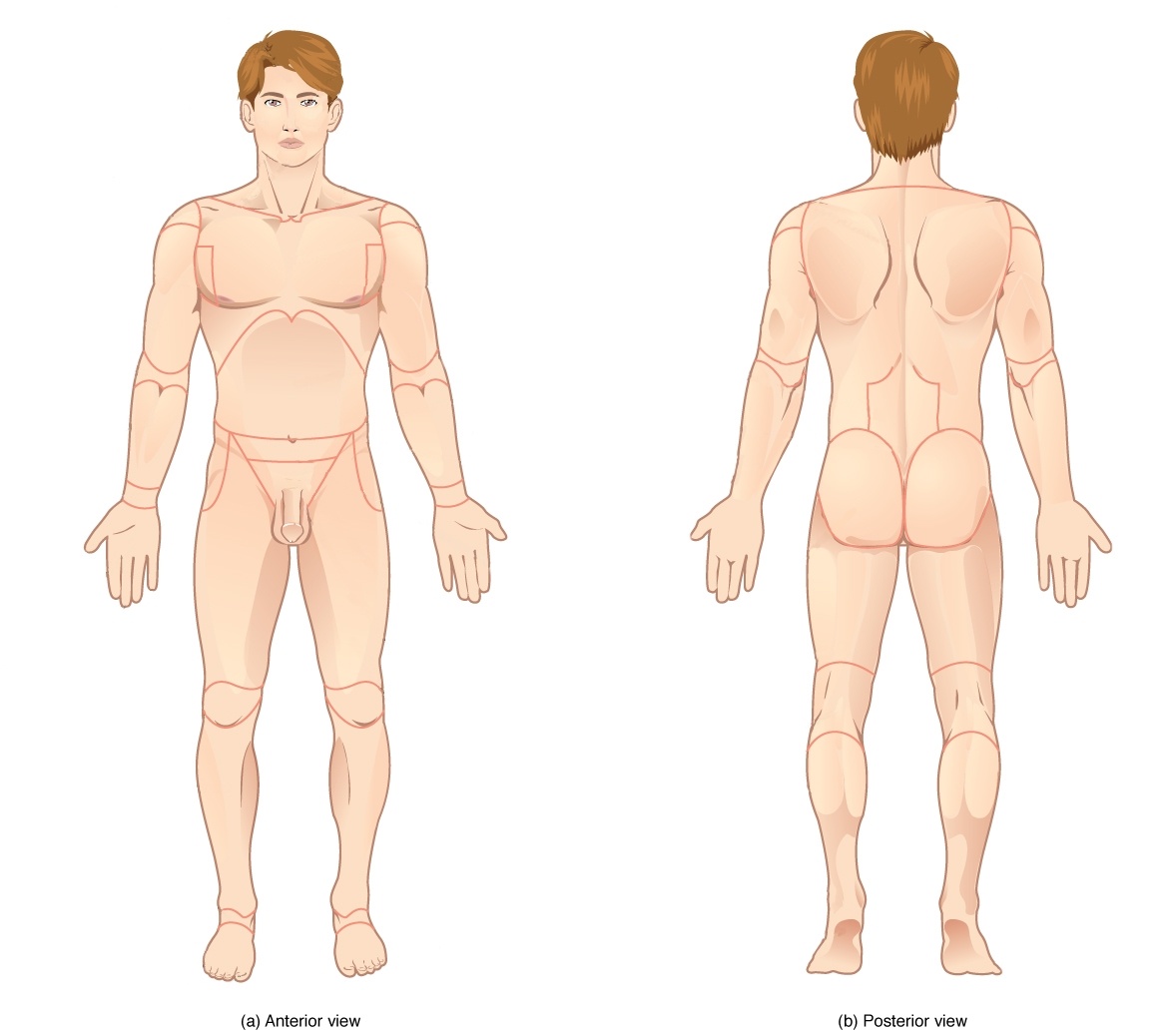
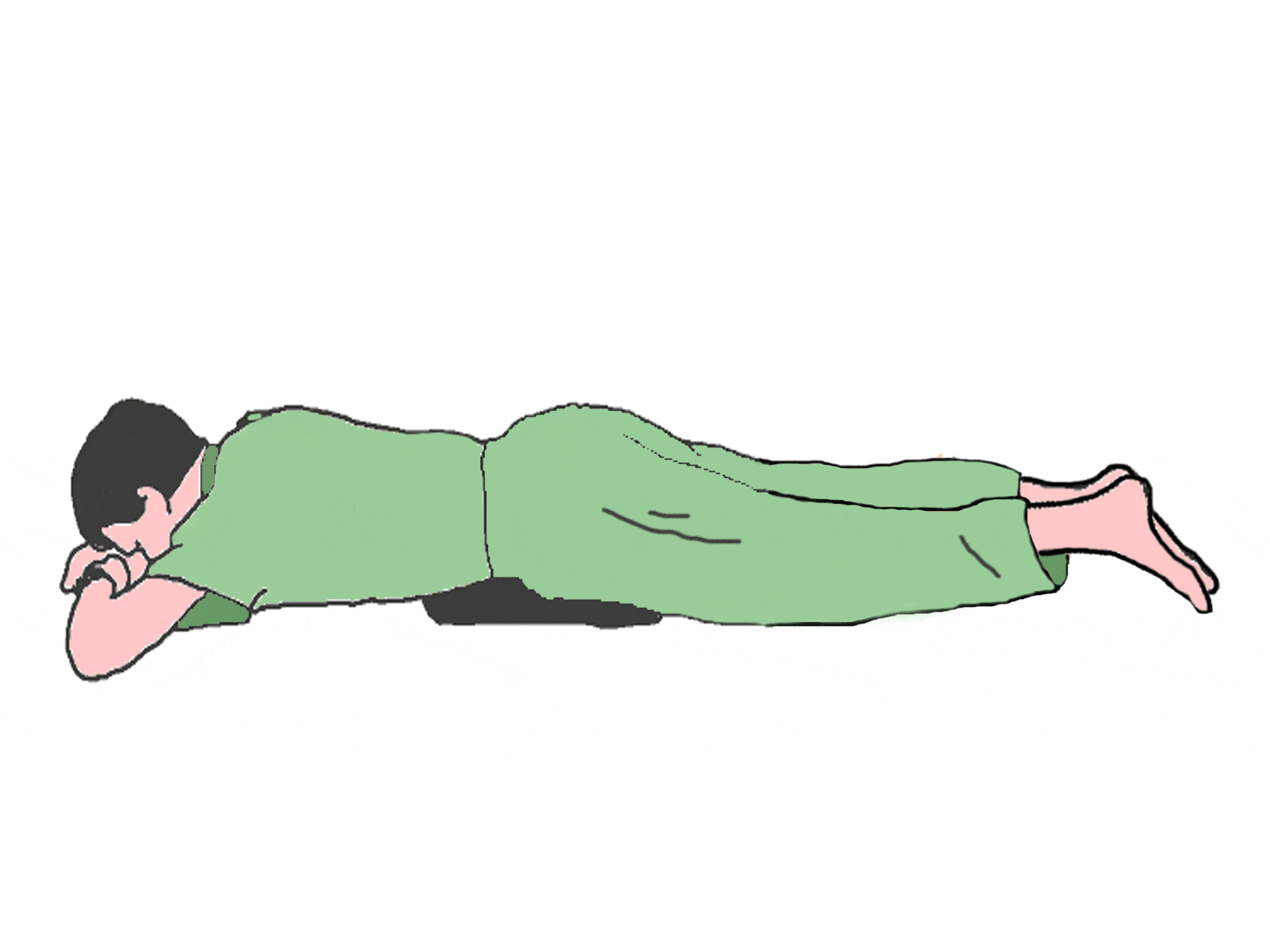
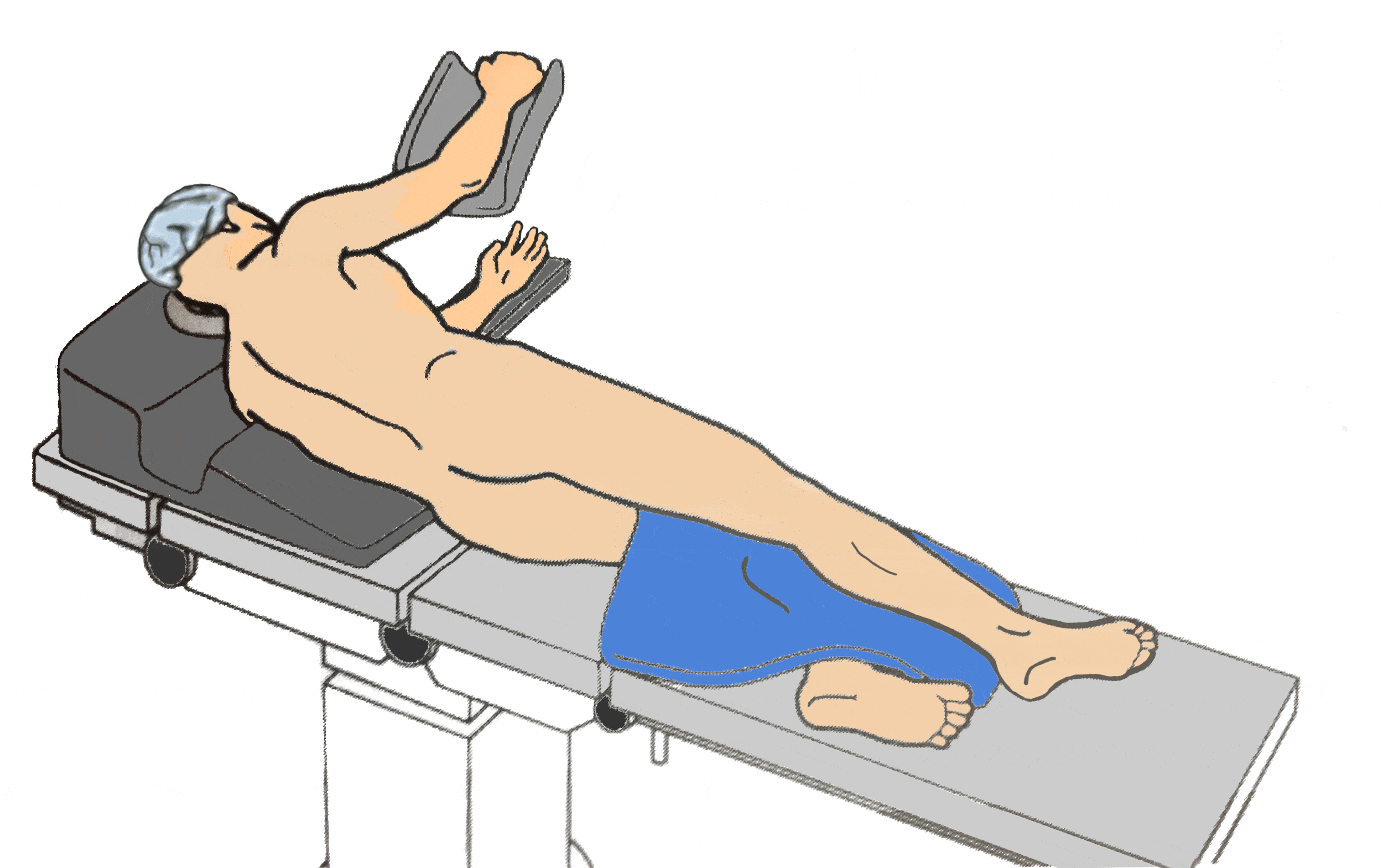
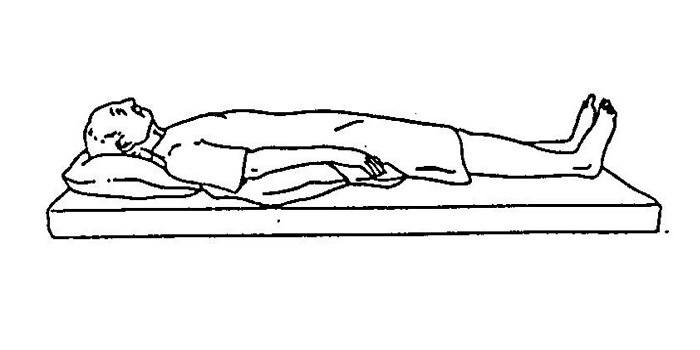
You find a patient laying face down, which position is this?
Supine
Anterior
Prone
Superior
A 47 year has fallen and is laying on her back, what position is this?
Lateral
Prone
Superior
Supine
In the Correct Anatomical Position, how is the person standing?
Laying flat on their belly
Standing tall and erect facing back
Standing tall and erect facing forward
Slouched
Laying flat on their back
In the correct anatomical postion, the eyes are
Turned to one side or the other
Facing upward, neck tilted back
Facing forward
Facing downward, neck tilted down
In the correct anatomical postion the arms are
In a T formation
In an upward V formation
Slightly away from the body
Directly at the sides
In the correct anatomical postion, the palms of the hand are
Facing forward
Facing the side of the body
Facing backwards
Facing Outwards
In the correct anatomical postion, how are the thumbs and fingers positioned
Cliched in a fist
Tight like blades
Opened up like Jazz Hands
Positioned like someone is hitch-hiking
In the correct anatomical postion, how are the legs positioned
Spread out like an "X"
Tight together
One leg forward the other
Slightly apart
In the correct anatomical postion, how are the feet and toes positioned


The first pediatric visit is scheduled at...
1 week after birth
3-5 days after birth
2 weeks after birth
2 months after birth
Assessment of blood pressure should start at what age?
3 years
4 years
5 years
6 years
Measuring BP helps identify children at risk for developing...
diabetes
malnutrition
juvenile arthritis
hypertension
In which position is length measured?
Fowlers
supine
standing
sitting
Which is NOT a factor used to determine if a child is hypertensive?
Gender
Age
Weight
Height
The resistance the body has to pathogenic organism or their toxins is known as...
inflammation
contagious
immunization
immunity
The length of the needle used in the pediatric injection depends on...
the child's age
amount of medication
the child's height
the size of the child's thigh
Which is the preferred site to obtain a blood sample from a newborn?
plantar surface of the foot
lateral surface of the finger
big toe
deltoid muscle
Which of the following is NOT included in a VIS
Publication date Is VIS
Lot number of the vaccine
Reporting an adverse reaction
Risks & benefits of the vaccine
The deltoid muscle should not be used as an IM siteuntil the child
is 10 years old
has been walking for a year
is at least 18 months old
won't cry
A common integumentary disease in children is:
otitis media.
vomiting and diarrhea.
impetigo
chicken pox.
A regularly scheduled office visit based on the child's age is usually called:
an optimum health visit.
a well-child visit.
a sick-child visit.
an immunization recall visit.
The most frequently obtained measurement in the pediatric office is:
height
weight
temperature
pulse
respiration rate.

