Worksheets
Category 5 Review
Total questions: 32
Worksheet time: 28mins
Primary succession occurs in areas with:
very little soil
lots of soil
no soil
soil that has been disturbed
Which would result in primary succession?
volcano destroying habitat leaving only soil and ash
Tornado destroying a crop leaving very little soil
Glacier retreating exposing bare rock
limiting factors
Which would most likely result in primary succession?
old forest growing
undisturbed prairie
pollution kills mountain lake species
a Newly formed volcanic island
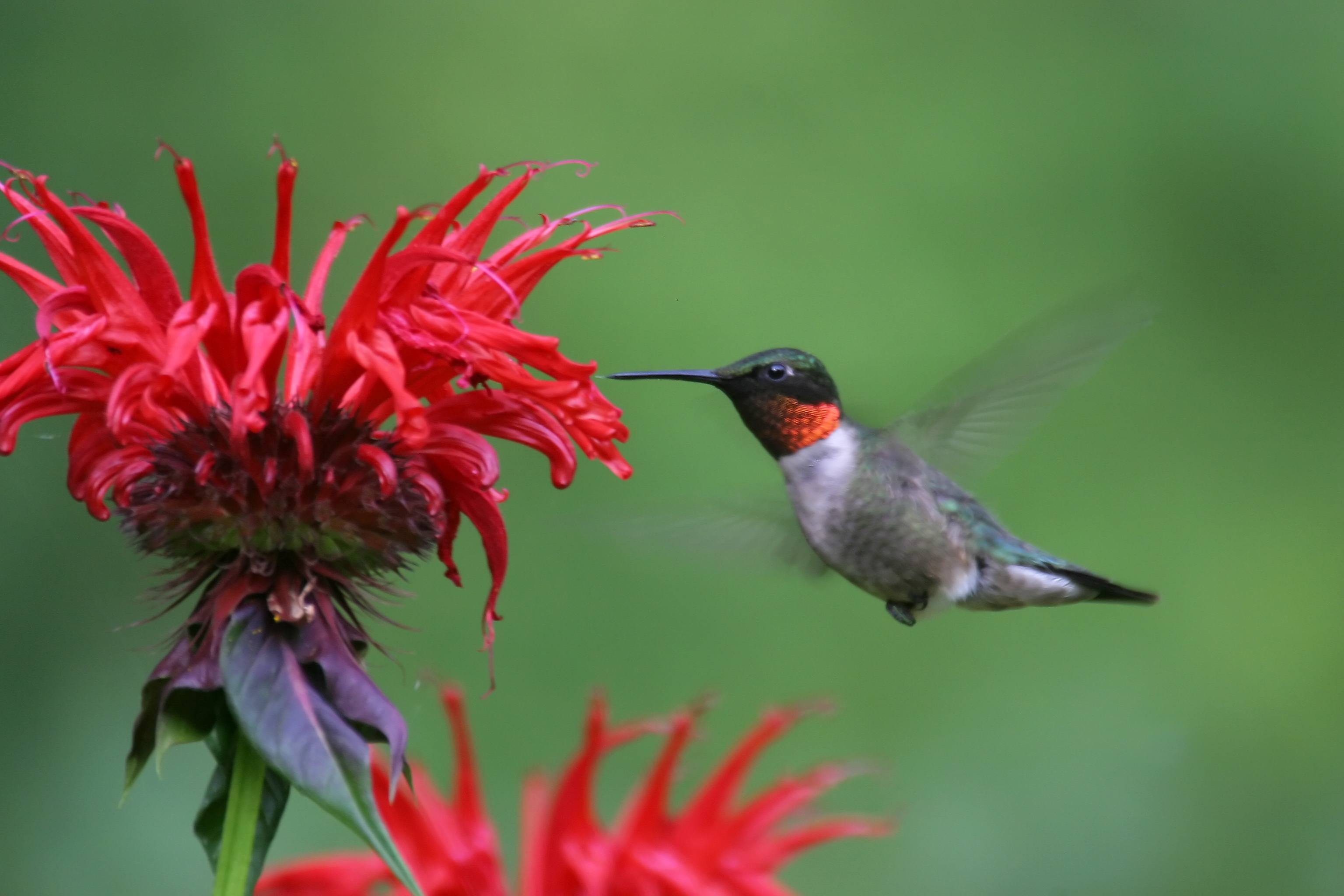
When a honeybee pollinates flowers, the bee gets access to nectar, while the flowers gain the chance to reproduce. This is an example of:
Amensalism
Commensalism
Parasitism
Mutualism
Remoras are fish that swim alongside sharks, eating scraps that the sharks leave behind. This is an example of:
Amensalism
Commensalism
Parasitism
Mutualism
Clownfish live inside sea anemones. They eat creatures that harm anemones, while anemones protect clownfish from predators. This is an example of:
Mutualism
Commensalism
Parasitism
Amensalism
Mistletoe is a plant that grows in the branches of other plants. It grows by taking nutrients and water from these plants. This is an example of:
Mutualism
Commensalism
Parasitism
Amensalism
Ticks feed on deer blood with harms the deer.
Mutualism
Commensalism
Parasitism
What is a food chain?
The flow of energy from one thing to another
The way animals eat each other
The way the sun makes everything
How the plants grow

An example of a predator:
shark
mouse
rabbit
An example of prey:
lion
mouse
shark


What is most likely the first thing to result from having fewer field mice in the food chain pictured here?
The snakes would have to find another food source.
The plants that make seeds would decrease in number.
The eagles would have to fly away to a location.
The mice would eat many more kinds of seeds.

A new fish that also eats plants is introduced into a pond. What changes would occur to this pond ecosystem?
The large fish population will decrease.
The plant population will decrease.
The small fish population will increase.
The new fish population will decrease.

Based on the food chain, what effect would be the most likely direct result of increasing the number of fish?
Beetles would have trouble finding food.
There would be more kinds of plants.
The population of beetles decreased.
Plants would no longer survive in this habitat.
___ are the first organisms to colonize an area and begin the process of ecological succession.
foundational organisms
introductory organisms
primary organisms
pioneer species
Primary succession occurs in an area that has:
Has Soil
Has No Soil
Has Some Soil
none of these

After a volcanic eruption, volcanic rock is present (but no soil). Which of the following states the most likely order of succession that would be seen?
Lichens → Shrubs → Grasses → Trees
Lichens → tree → shrubs→Grasses
Grasses → Lichens → Shrubs → Trees
Lichens → Grasses → Shrubs → Trees

Primary or secondary ecological succession?


A lion stalks a herd of antelope wading in a pond. A flock of water birds on the shore become startled by the sound of the lion’s approach and fly away with a great deal of noise. The birds’ sudden departure gives warning to the antelope, and they are also able to escape safely. What type of relationship exists between the birds and the antelope?
competition
mutualism
commensalism
parasitism

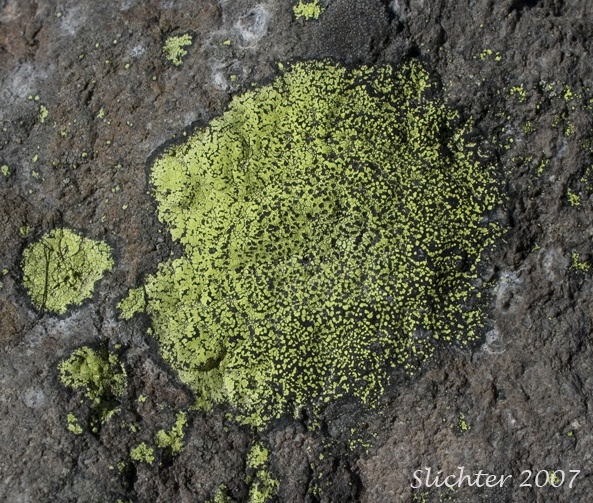
A lichen is a combination of two organisms, an alga and a fungus. The fungus gets its food from the alga while the alga gets water from the fungus. This is an example of which relationship?
competition
mutualism
commensalism
parasitism