
Font size
 Worksheets
6.41 Body Systems Review 2023
Total questions: 236
Worksheet time: 2hrs 8mins
The spinal cord causes the knee to jerk upward (2)
Muscular
Skeletal
Nervous
Circulatory
Integumentary
Nutrients are delivered from the intestines directly to your blood (2)
Muscular
Endocrine
Digestive
Circulatory
Excretory
Hormones trigger facial hair growth in a maturing male (2)
Endocrine
Integumentary
Reproductive
Excretory
Muscular
The stomach moves and churns to help process food that has been eaten (2)
Muscular
Circulatory
Excretory
Digestive
Integumentary
Fluid around cells is removed from tissues and returned to the blood. (2)
Circulatory
Excretory
Reproductive
Lymphatic
Endocrine
Unused nutrients pass through the intestines and are removed from the body (2)
Excretory
Digestive
Integumentary
Circulatory
Endocrine
Red blood cells are produced from stem cells found in the marrow (2)
Circulatory
Muscular
Endocrine
Skeletal
Lymphatic
Extra water is filtered from the blood stream by the kidneys and sent to the bladder (2)
Endocrine
Excretory
Integumentary
Circulatory
Reproductive
Helper T cells travel through the blood stream (2)
Circulatory
Integumentary
Endocrine
Immune
Lymphatic
Tendons attach the tissue to bones that allow the bones to be moved (2)
Muscular
Immune
Integumentary
Skeletal
Nervous
Hemoglobin molecules collect oxygen that has been absorbed by the lungs (2)
Integumentary
Endocrine
Circulatory
Respiratory
Reproductive
Testosterone increases the muscle mass of an adult male (2)
Endocrine
Muscular
Skeletal
Integumentary
Nervous
The bladder is squeezed and it contracts to expel urine from the body. (2)
Muscular
Excretory
Endocrine
Digestive
Lymphatic
An asthma attack is triggered when certain hormones are released (2)
Endocrine
Circulatory
Nervous
Respiratory
Lymphatic
The diaphragm pulls on the lungs to open them up and draw in the air (2)
Immune
Circulatory
Respiratory
Muscular
Skeletal
Hormones are produced by the gonads during puberty (2)
Reproductive
Lymphatic
Immune
Endocrine
Circulatory
Light is focused onto the retina of the eye as the lens on the front of the eye is moved (2)
Nervous
Immune
Muscular
Skeletal
Integumentary
Langerhans cells in the skin fight off a bacterial infection (2)
Immune
Integumentary
Lymphatic
Endocrine
Excretory
Hormones reduce the amount of pain felt by a person during an animal attack (2)
Endocrine
Nervous
Integumentary
Immune
Lymphatic
Which body system removes fluid from between cells? (1)
Integumentary
Lymphatic
Endocrine
Immune
The diaphragm links the respiratory to the muscular system because...
it is made of skeletal muscle tissue that helps you breath.
it is made of smooth muscle tissue that helps you breath.
it is made of cardiac muscle tissue that helps you breath.
The digestive and respiratory systems pair together to ...
bring carbon dioxide and wastes to cells for diffusion.
bring oxygen and wastes to cells for diffusion.
bring oxygen and nutrients to cells for cellular respiration.
bring carbon dioxide and nutrients to cells for cellular respiration.
The digestive and respiratory rely on the ___ systems to transport needed materials to the cells.
circlatory and excretory
circulatory and muscular
nervous and digestive
nervous and skeletal
The immune system fights diseases. The circulatory system pairs with the immune system because ___.
blood is made in the bones.
plasma carries nutrients.
red blood cells carry oxygen.
white blood cells fight infection.
Why are the lungs, the major organ of the respiratory system, also considered an excretory organ?
They get rid of carbon dioxide, a cellular waste
They get rid of oxygen, a cellular waste
They get rid of urea, a cellular waste
They get rid of salt, a cellular waste
What systems do neurons depend on to be able to conduct cellular respiration (a process that has the key ingredients of oxygen and glucose)?
excretory, digestive, circulatory
musculoskeletal, nervous, respiratory
nervous, excretory, digestive
respiratory, digestive, circulatory
What 2 systems: Allows for movement
Muscular and Skeletal
Endocrine and Skeletal
Nervous and Circulatory
Integumentary and Reproductive
What 2 systems: Absorb and deliver the digested nutrients to the cells
Digestive and muscular
Muscular and lymphatic
Digestive and circulatory
Nervous and skeletal
What 2 systems: Allow organs to contract and push food through
Muscular and Skeletal
Excretory and Muscular
Endocrine and Muscular
Muscular and Digestive
What 2 systems: Diaphragm controls breathing
Circulatory and Endocrine
Respiratory and Muscular
Muscular and Skeletal
Circulatory and Respiratory
Which two systems interact so the kidneys filter cellular waste out of blood for removal?
circulatory and endocrine
respiratory and circulatory
digestive and respiratory
circulatory and urinary
Which two body systems interact to send oxygen throughout the body?
Nervous and Digestive
Respiratory and Circulatory
Excretory and Endocrine
Circulatory and Skeletal
When your body comes in contact with a sharp object, an impulse sent you your brain triggers a reflex that causes you to move away from the object. What body systems are interacting to cause this response?
Nervous, Respiratory,
Nervous, Muscular
Nervous, Skeletal
Nervous, Digestive
Olympic sprinters undergo increased heart and breathing rates while competing. Which of the following best describes the interactions among systems of a sprinter?
Respiratory system is working to obtain more oxygen, while the circulatory system works to transport the oxygen to the muscles.
The digestive system takes in more glucose, while the excretory system removes waste.
The endocrine system transports ATP to the nervous system
Excretory system removes waste from the digestive system to reduce weight so the sprinter can run faster
Kidneys are part of the urinary system in a human body. They purify the impure blood and send it back to the rest of the body. Which system is mainly responsible for the transport of blood to the kidneys?
Respiratory system
Circulatory system
Muscular system
Nervous system
The esophagus and intestines are made up of smooth muscles that move food through these organs using muscular contractions. Which two systems are working together here?
Muscular and Digestive
Reproductive and Endocrine
Muscular and Excretory
Digestive and Immune
A man was walking through the desert and he became lost. The temperature outside rose to 110 degrees Fahrenheit and the man’s body temperature increased with it. His skin began to excrete sweat in an effort to cool his body back down. Which two body systems are working to help him maintain homeostasis?
Endocrine and Excretory
Excretory and Integumentary
Integumentary and Skeletal
Skeletal and Respiratory

Which systems are interacting when the blood carries nutrients to other parts of the body?
Nervous System
Digestive System
Skeletal System
Endocrine System
Circulatory System
Which systems are interacting when you have small hairs in your nose that prevent foreign particles from entering the nasal passage?
Respiratory System
Immune System
Integumentary System
Endocrine System
Circulatory System
Which systems are interacting when the hormone insulin is released by the pancreas and is carried throughout the body by the blood?
Nervous System
Immune System
Excretory System
Endocrine System
Circulatory System
Which systems are interacting when it's hot outside and your skin releases sweat to prevent you from overheating?
Integumentary System
Muscular System
Excretory System
Endocrine System
Circulatory System
Which systems are interacting when the brain stimulates a fever in response to an infection.
Excretory System
Nervous System
Immune System
Endocrine System
Circulatory System
Which systems are interacting when the muscles in the esophagus contract to move food to the stomach?
Digestive System
Nervous System
Muscular System
Endocrine System
Circulatory System
Which systems are interacting when wastes are filtered from the blood and are excreted from the body as urine?
Digestive System
Integumentary System
Muscular System
Excretory System
Circulatory System
Which systems are interacting when the bone marrow produces white blood cells, which fight infection?
Immune System
Integumentary System
Muscular System
Skeletal System
Circulatory System
Which systems are interacting when calcium is absorbed through our diet and used to strengthen bones.
Immune System
Digestive System
Muscular System
Skeletal System
Circulatory System
Which systems are interacting when hormones such as testosterone and estrogen are released during puberty.
Reproductive System
Digestive System
Endocrine System
Nervous System
Circulatory System
Which systems are interacting when the brain regulates the position of bones by controlling the muscles.
Reproductive System
Endocrine System
Muscular System
Nervous System
Skeletal System
Which systems are interacting when you touch a hot stove and your spinal cord stimulates a reflex that moves your hand away from the heat source.
Integumentary System
Reproductive System
Muscular System
Nervous System
Skeletal System
Blood vessels in the umbilical cord carry nutrients to a growing embryo (2)
Circulatory System
Integumentary System
Nervous System
Reproductive System
Endocrine system
Waste products are filtered from the blood by the action of the kidneys (2)
Endocrine System
Integumentary System
Excretory System
Lymphatic System
Circulatory System
The brain stem sends a signal which slows the rate of a person’s breathing (2)
Nervous System
Integumentary System
Respiratory System
Lymphatic System
Circulatory System
Adrenal glands are damaged by the body’s own white blood cells (2)
Endocrine System
Integumentary System
Respiratory System
Lymphatic System
Immune System
Urine is expelled from the bladder as the tissue surrounding the bladder contracts (2)
Endocrine System
Muscular System
Respiratory System
Lymphatic System
Excretory System
Stem cells in the marrow multiply and differentiate to produce blood cells (2)
Endocrine System
Circulatory System
Respiratory System
Skeletal System
Excretory System
Hormones are distributed around the body through the blood stream (2)
Endocrine System
Circulatory System
Respiratory System
Skeletal System
Excretory System
A baby is born as contractions push it out of the uterus (2)
Endocrine System
Reproductive System
Respiratory System
Skeletal System
Muscular System
The breathing rate is increased during a woman’s labor (2)
Endocrine System
Reproductive System
Respiratory System
Skeletal System
Muscular System
Excess salt is removed from the body as the skin perspires (2)
Endocrine System
Excretory System
Respiratory System
Skeletal System
Integumentary System
The pituitary gland secretes hormones which stimulate sperm production in males (2)
Endocrine System
Excretory System
Respiratory System
Skeletal System
Reproductive System
The brain sends, receives, and stores information along with making hormones that are sent throughout the body. The brain belongs to which two systems?
Nervous System
Endocrine System
Integumentary System
Reproductive System
Excretory System
The heart moves blood throughout the entire body to distribute nutrients and oxygen. What two systems does the heart belong to?
Muscular System
Endocrine System
Integumentary System
Circulatory System
Excretory System
Skin prevents your body from losing water and helps it maintain its proper temperature. It also secretes the hormone calcidiol. What two systems does the skin belong to?
Muscular System
Endocrine System
Integumentary System
Circulatory System
Excretory System
The kidneys remove wastes and extra water from the body and secrete hormones to regulate the body and maintain homeostasis. What two systems do the kidneys belong to?
Muscular System
Endocrine System
Integumentary System
Circulatory System
Excretory System
In males, the testes produce the male gamete cells known as sperm as well as hormones such as testosterone. What two body systems do the testes belong to?
Muscular System
Endocrine System
Integumentary System
Circulatory System
Reproductive System
The diaphragm is a sheet of muscle that is responsible for expanding the lungs while a person breathes in.
Muscular System
Endocrine System
Integumentary System
Circulatory System
Respiratory System
The colon absorbs water, an essential nutrient, and stores solid fecal matter until it is expelled from the body. What two body systems does the colon belong to?
Digestive System
Endocrine System
Integumentary System
Circulatory System
Excretory System
The stomach breaks down food so that the nutrients can be absorbed and releases vital hormones. What two body systems does the stomach belong to?
Digestive System
Endocrine System
Integumentary System
Circulatory System
Excretory System
The tongue moves food around in the mouth and detects 4 different distinct tastes. What two body systems does the tongue belong to?
Digestive System
Nervous System
Integumentary System
Circulatory System
Excretory System
Blood vessels in the umbilical cord carry nutrients to a growing embryo (2)
Circulatory System
Integumentary System
Nervous System
Reproductive System
Endocrine system
Waste products are filtered from the blood by the action of the kidneys (2)
Endocrine System
Integumentary System
Excretory System
Lymphatic System
Circulatory System
The brain stem sends a signal which slows the rate of a person’s breathing (2)
Nervous System
Integumentary System
Respiratory System
Lymphatic System
Circulatory System
Adrenal glands are damaged by the body’s own white blood cells (2)
Endocrine System
Integumentary System
Respiratory System
Lymphatic System
Immune System
Urine is expelled from the bladder as the tissue surrounding the bladder contracts (2)
Endocrine System
Muscular System
Respiratory System
Lymphatic System
Excretory System
Stem cells in the marrow multiply and differentiate to produce blood cells (2)
Endocrine System
Circulatory System
Respiratory System
Skeletal System
Excretory System
Hormones are distributed around the body through the blood stream (2)
Endocrine System
Circulatory System
Respiratory System
Skeletal System
Excretory System
A baby is born as contractions push it out of the uterus (2)
Endocrine System
Reproductive System
Respiratory System
Skeletal System
Muscular System
The breathing rate is increased during a woman’s labor (2)
Endocrine System
Reproductive System
Respiratory System
Skeletal System
Muscular System
Excess salt is removed from the body as the skin perspires (2)
Endocrine System
Excretory System
Respiratory System
Skeletal System
Integumentary System
The pituitary gland secretes hormones which stimulate sperm production in males (2)
Endocrine System
Excretory System
Respiratory System
Skeletal System
Reproductive System
The brain sends, receives, and stores information along with making hormones that are sent throughout the body. The brain belongs to which two systems?
Nervous System
Endocrine System
Integumentary System
Reproductive System
Excretory System
The heart moves blood throughout the entire body to distribute nutrients and oxygen. What two systems does the heart belong to?
Muscular System
Endocrine System
Integumentary System
Circulatory System
Excretory System
Skin prevents your body from losing water and helps it maintain its proper temperature. It also secretes the hormone calcidiol. What two systems does the skin belong to?
Muscular System
Endocrine System
Integumentary System
Circulatory System
Excretory System
The kidneys remove wastes and extra water from the body and secrete hormones to regulate the body and maintain homeostasis. What two systems do the kidneys belong to?
Muscular System
Endocrine System
Integumentary System
Circulatory System
Excretory System
In males, the testes produce the male gamete cells known as sperm as well as hormones such as testosterone. What two body systems do the testes belong to?
Muscular System
Endocrine System
Integumentary System
Circulatory System
Reproductive System
The diaphragm is a sheet of muscle that is responsible for expanding the lungs while a person breathes in.
Muscular System
Endocrine System
Integumentary System
Circulatory System
Respiratory System
The colon absorbs water, an essential nutrient, and stores solid fecal matter until it is expelled from the body. What two body systems does the colon belong to?
Digestive System
Endocrine System
Integumentary System
Circulatory System
Excretory System
The stomach breaks down food so that the nutrients can be absorbed and releases vital hormones. What two body systems does the stomach belong to?
Digestive System
Endocrine System
Integumentary System
Circulatory System
Excretory System
The tongue moves food around in the mouth and detects 4 different distinct tastes. What two body systems does the tongue belong to?
Digestive System
Nervous System
Integumentary System
Circulatory System
Excretory System
The pancreas produces the hormone insulin and secretes enzymes into the small intestine. What two body systems does the pancreas belong to?
Digestive System
Nervous System
Integumentary System
Circulatory System
Endocrine System
Frogs can absorb oxygen directly through their moist skin. In frogs, what two body systems does the skin belong to?
Digestive System
Nervous System
Integumentary System
Respiratory System
Endocrine System
The lymph nodes filter out fluid from around the cells as well as remove bacteria and viruses that could cause illness. What two body systems do lymph nodes belong to?
Digestive System
Nervous System
Lymphatic System
Immune System
Endocrine System
The hormone adrenaline is produced by the _______________________ system.
integumentary
lymphatic
nervous
endocrine
Blood cells are produced by marrow from the ________________________ system.
circulatory
respiratory
muscular
skeletal
H.I.V. attacks Helper T cells which are a part of the ______________________ system.
lymphatic
integumentary
immune
digestive
Skin is the body’s largest organ and a part of the _______________________ system.
integumentary
endocrine
muscular
skeletal
Your spinal cord is an organ in the central _____________________ system.
digestive
nervous
excretory
circulatory
Hemoglobin is the molecule that carries oxygen through the____________________ system.
reproductive
circulatory
excretory
respiratory
The rib cage protects the lungs and heart and is a part of the ___________________ system.
skeletal
lymphatic
respiratory
circulatory
Extra water is stored in the bladder which is a part of the _____________________ system.
endocrine
excretory
digestive
endocrine
The digestive system is to absorbing nutrients as the circulatory system is to
removing nutrients
attracting nutrients
distributing nutrients
fighting infections
The immune system is to antibodies as the endocrine system is to
white blood cells
nerve cells
marrow
hormones
The muscular system is to movement as the respiratory system is to
breathing
consumption
circulation
infections
Which two systems below are most responsible for protecting tender internal organs?
skeletal and circulatory systems
respiratory and excretory systems
integumentary and skeletal systems
muscular and nervous systems
Which two systems below work together to rid the body of harmful parasites?
skeletal and circulatory systems
immune and lymphatic systems
muscular and nervous systems
respiratory and immune systems
Which two systems below are most important when an animal jumps over a fence?
skeletal and circulatory systems
respiratory and excretory systems
integumentary and skeletal systems
muscular and nervous systems
Which two systems below are most important for smelling a rose?
skeletal and respiratory systems
respiratory and nervous systems
muscular and reproductive systems
nervous and immune systems
Which two systems are interacting when hormones increase the heart rate of an animal in danger? (2)
Respiratory
Circulatory
Muscular
Endocrine
Which two systems are interacting when oxygen is delivered from the lungs directly to your blood stream
respiratory
circulatory
digestive
integumentary
Which two systems are interacting when extra salt is removed from the body through sweat glands in the skin?
integumentary
digestive
endocrine
excretory
Which two systems are interacting when bone marrow produces red blood cells?
Skeletal
Muscular
Circulatory
Immune
Which two systems are interacting when antibodies travel through the blood stream to attack an invading virus? (2)
lymphatic
immune
circulatory
integumentary
Which two systems are interacting when proteins and sugars travel from the intestines directly to blood? (2)
digestive
reproductive
excretory
circulatory
Which two systems are interacting when the pulmonary vein brings blood from the lungs back to the heart? (2)
respiratory
circulatory
immune
nervous
Which two systems are interacting when the hormone testosterone increases the bone density of a growing male? (2)
muscular
skeletal
endocrine
integumentary
Which two systems are interacting when muscles in the leg cause the tibia and fibula bones to move upward? (2)
lymphatic
muscular
skeletal
endocrine
Which two systems are interacting when contractions force a baby to move down through the birth canal? (2)
reproductive
integumentary
nervous
muscular
Which vitamin is produced by your skin when it is exposed to ultraviolet (UV) light?
Vitamin C
Vitamin K
Vitamin D
Vitamin A
Cell
The smallest unit of life
A group of similar cells that perform the same function.
A group of similar cells that perform the same function.
collection of organ systems
Tissue
A group of similar cells that perform the same function.
The smallest unit of life
A collection of tissues that carry out a specialized function of the body
collection of organ systems
Organ
The smallest unit of life
A group of similar cells that perform the same function.
A collection of tissues that carry out a specialized function of the body
collection of organ systems
Organ System
The smallest unit of life
A group of similar cells that perform the same function.
A group of organs that work together in performing vital body functions.
collection of organ systems
Organism
The smallest unit of life
A collection of tissues that carry out a specialized function of the body
collection of organ systems
A collection of tissues that carry out a specialized function of the body
Circulatory System
Transports oxygen, waste, nutrients, carbon dioxide through out the body
Brings oxygen into the body. Gets rid of carbon dioxide.
gives our bodies structure and protects major organs like the heart, lungs, and brain
the network of cells and fibers that transmits impulses between parts of the body in response to stimuli.
Respiratory System
Brings oxygen into the body. Gets rid of carbon dioxide.
Transports oxygen, waste, nutrients, carbon dioxide through out the body
enables movement of the body and helps transport blood from the veins back to the heart
Breaks down food into small units that enter the blood for distribution to body cells.
Skeletal System
Transports oxygen, waste, nutrients, carbon dioxide through out the body
Brings oxygen into the body. Gets rid of carbon dioxide.
enables movement of the body and helps transport blood from the veins back to the heart
gives our bodies structure and protects major organs like the heart, lungs, and brain
Bones
main organ of the circulatory system
Main organs of the respiratory system
A muscle that is not under our control.
Produces red and white blood cells
Muscular System
enables movement of the body and helps transport blood from the veins back to the heart
the network of cells and fibers that transmits impulses between parts of the body in response to stimuli.
Breaks down food into small units that enter the blood for distribution to body cells.
Brings oxygen into the body. Gets rid of carbon dioxide.
Nervous System
the network of cells and fibers that transmits impulses between parts of the body in response to stimuli.
enables movement of the body and helps transport blood from the veins back to the heart
Brings oxygen into the body. Gets rid of carbon dioxide.
Transports oxygen, waste, nutrients, carbon dioxide through out the body
Digestive System
Breaks down food into small units that enter the blood for distribution to body cells.
Transports oxygen, waste, nutrients, carbon dioxide through out the body
Brings oxygen into the body. Gets rid of carbon dioxide.
the network of cells and fibers that transmits impulses between parts of the body in response to stimuli.

How does the immune system depend on the circulatory system in order to function?
The circulatory system produces antibodies used by the immune system.
The circulatory system sends bacteria and viruses to the immune system.
The circulatory system transports immune system cells throughout the body.
The circulatory system protects the immune system from diseases.
How do the skeletal and circulatory systems work together?
The skeletal system produces red blood cells for the circulatory system.
The skeletal system works with the circulatory system to help break down and digest food.
The skeletal system provides structure for the muscles.
The skeletal system protects the lungs and brain.
What is the biggest function of the muscular system?
to help digest food
to help us move
to help us breathe
to help us remove waste
What is the biggest function of the respiratory system?
to pump blood
to help us digest food
to take in oxygen and release carbon dioxide
to help us fight disease and infection
Which of the following statements describes the function of the heart?
The heart produces white and red blood cells.
The heart controls the nervous system.
The heart makes oxygen and carbon dioxide.
The heart pumps blood throughout the body.
Which system in the human body functions primarily to supply the blood with oxygen and remove carbon dioxide?
excretory
immune
respiratory
cardiovascular

The protective covering of the body.
respiratory system
cardiovascular system
integumentary system
endocrine system

Gathers oxygen from the environment and gets rid of carbon dioxide from the body.
cardiovascular system
respiratory system
endocrine system
lymphatic system

Supports the body and protects important organs.
skeletal system
muscular system
nervous system
digestive system

Allows movement of body parts.
skeletal system
digestive system
excretory system
muscular system

Breaks down food into nutrients that can be used by the body.
excretory system
cardiovascular system
digestive system
nervous sytem

Moves blood through the body.
cardiovascular system
skeletal system
muscular system
nervous system

Removes wastes from blood.
excretory system
lymphatic system
endocrine system
digestive system

Makes chemical messages that regulate conditions inside the body.
circulatory system
respiratory system
endocrine system
muscular system
Which system functions primarily to coordinate the body’s response to changes in its internal and external environment?
digestive system
excretory system
nervous system
skeletal system
Which of the following is a component of the circulatory system?
heart
blood vessels
blood
all answers
The system that is responsible for the production of gametes is the
excretory system
reproductive system
nervous system
integumentary system
includes skin and sweat glands
integumentary
digestive
circulatory
endocrine
includes brain and spinal cord
nervous
endocrine
integumentary
digestive
includes ovaries and testes
reproductive
endocrine
nervous
skeletal
functions in support and movement
skeletal
urinary
muscular
digestive
functions to regulate temperature
integumentary
skeletal
muscluar
digestive
includes stomach and esophagus
digestive
circulatory
urinary
muscular

What is the name of the fluid inside the lymphatic vessels?
Plasma
Lymph
Blood
Tissue fluid
Which body system gets oxygen from the environment and removes carbon dioxide and other wastes from the body?
(a)
Which system transports materials from the digestive system and respiratory system to the cells?
(a)
What 2 systems: Absorb and deliver the digested nutrients to the cells
Digestive
lymphatic
circulatory
skeletal
What 2 systems: Allows for movement
Muscular
Skeletal
Circulatory
Integumentary
The protective covering of the body.
(a)
Supports the body and protects important organs.
(a)
Allows movement of body parts.
(a)
Breaks down food into nutrients that can be used by the body.
(a)
Moves blood through the body.
(a)
Removes wastes from blood.
(a)
Makes chemical messages that regulate conditions inside the body.
(a)
Which is the main organ of the nervous system?
(a)
Nervous
Digestive
Circulatory
Excretory
The system that is responsible for the production of gametes is the
excretory system
reproductive system
nervous system
integumentary system
The system that involves the thyroid, pancreas and hypothalamus is called the (a) .
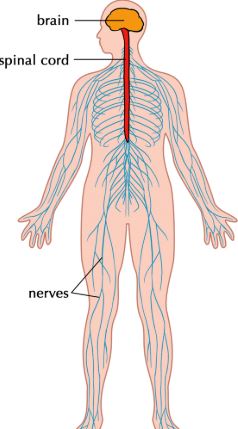
What system is pictured?
(a)

What is the function of the system pictured?
Helps pumps your blood through out your body.
Helps move and protect your body.
Helps take in oxygen and remove carbon dioxide.
Helps maintain body your temperature.
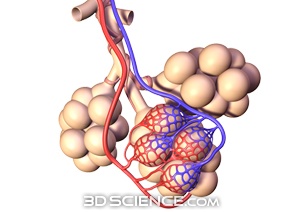
Which human body system controls hormones for growth and development?
endocrine
nervous
integumentary
muscular
Which human body system is responsible for coordination?
endocrine
nervous
integumentary
muscular
Which human body systems interact to maintain body temperature?
nervous and integumentary
endocrine and skeletal
integumentary and muscular
muscular and nervous
Which human body systems interact to provide defense from injury or illness within the human body?
immune and endocrine
digestive and immune
immune and muscular
integumentary and immune
Which human body systems interact to provide movement with the human body in response to a stimulus?
nervous and skeletal
muscular and skeletal
nervous and muscular
muscular and digestive
Which two body systems must interact for organisms to exchange oxygen and carbon dioxide?
skeletal system and muscular system
excretory system and reproductive system
circulatory system an respiratory system
digestive system and immune system
Which systems must interact for birth to occur? (remember that hormones are involved to start the "pushing" action)
endocrine and muscular only
endocrine an reproductive only
endocrine, muscular, and reproductive
endocrine, reproductive, and excretory
In what order are the levels going from smallest to largest?
cell --> tissue --> organ --> organ system
organ system --> organ --> tissue --> cell

You are sitting around a camp fire roasting marshmallows. You get too close to the fire and your jacket catches fire. What body systems work together to produce a response to your jacket catching fire?
Muscular and Skeletal
Circulatory and Respiratory
Immune and Endocrine
Nervous and Muscular

In order for a female to reproduce, she must release an egg for fertilization. Which two systems are involved in this process?
Nervous and Endocrine
Reproductive and Endocrine
Muscular and Circulatory
Skeletal and Digestive

What systems would be involved in kicking a soccer ball?
Muscular, Endocrine, Respiratory
Digestive, Circulatory, Integumentary
Immune, Circulatory, Endocrine
Muscular, Skeletal, and Nervous
What are the levels of organization starting from simple to complex?
cells- tissues- organs- organ systems- organisms- populations- communities- ecosystem
ecosystem- communitites- populations- organisms- organ systems- organs- tissues- cells
cells- organs- tissues- organ systems- populations- ecosystem
tissue- cells- organs- organ systems- organisms- populations- communities- ecosystem

In humans, the gases oxygen and carbon dioxide must be exchanged between the environment and cells. During this exchange, oxygen is delivered to the red blood cells so that they can function properly in the blood stream. Which two body systems are working together to achieve this goal?
Endocrine and Reproductive
Skeletal and Muscular
Respiratory and Circulatory
Digestive and Excretory

When your body comes in contact with a sharp object, an impulse sent you your brain triggers a reflex that causes you to move away from the object. What body systems are interacting to cause this response?
Nervous, Respiratory,
Nervous, Muscular
Nervous, Skeletal
Nervous, Digestive
The diaphragm contracts and relaxes to control breathing. Which 2 organ systems are working together? (Select 2 answers)
Circulatory
Respiratory
Muscular
Immune
Organs from one system to contract and push food through this other system. Which 2 organ systems are working together? (Select 2 answers)
Muscular
Excretory
Circulatory
Digestive
Which two body systems interact to send glucose and other nutrients throughout the body?
Nervous and Digestive
Respiratory and Circulatory
Digestive and Circulatory
Respiratory and Digestive
Which two body systems interact to send oxygen throughout the body?
Nervous and Digestive
Respiratory and Circulatory
Digestive and Circulatory
Respiratory and Digestive
Sickle Cell Anemia is a disorder in which red blood cells are shaped like crescent moons instead of the normal round shape. This crescent moon shape can cause the cells to bunch up and stick together in smaller blood vessels. This causes pain and prevents oxygen and nutrients from being delivered. Which body system is most directly affected by Sickle Cell Anemia?
Immune
Circulatory
Respiratory
Digestive
An allergy is caused when this body system identifies something in the environment as harmful, even though it's not. This body system will start an inflammatory response when it comes into contact this non-harmful substance in order to protect the body. The inflammatory response can include runny noses, rashes on skin, sneezing, and coughing. Which body system is overactive when someone has an allergy?
Immune
Nervous
Muscular
Digestive
Cerebral Palsy is a disorder in which the brain did not develop correctly or was damaged. This affects a person's ability to control their movements. People affected by this disorder often have poor balance and coordination. Which 2 body systems are most directly affected by Cerebral Palsy?
Nervous and Digestive
Nervous and Muscular
Immune and Respiratory
Immune and Excretory
Digestive system
Immune system

Which of the diseases listed in this table affect the muscular system?
Botulism
Pneumonia
Typhoid Fever
Tetanus
Which of the diseases listed in this table affect the respiratory system?
Botulism
Pneumonia
Typhoid Fever
Tetanus
Which of the two diseases listed in this table affect the Digestive System?
Botulism and Typhoid Fever
Botulism and Pneumonia
Tetanus and Pneumonia
Tetanus and Typhoid Fever
The intestines are home to millions of bacteria and are thought to be the foundation of this system that protects us from disease. Which 2 systems are working together?
Nervous and Respiratory
Digestive and Circulatory
Circulatory and Nervous
Digestive and Immune
The brain send electrical signals that controls heart rate. Which 2 body systems are working together? (Select 2 answers)
Nervous
Immune
Circulatory
Respiratory
Which systems are interacting when the brain stimulates a fever in response to an infection? (Select 2 answers)
Excretory System
Nervous System
Immune System
Circulatory System
Coughing and sneezing are actions that help prevent potential pathogens from entering the body. Which 2 body systems are working together to protect your body? (Select 2 answers)
Respiratory System
Immune System
Digestive System
Circulatory System

