
 Worksheets
SUMMER TERM SCIENCE REVISION (YR 4)
Total questions: 110
Worksheet time: 2hrs 34mins
In a flower, the stamen is the ____________?
Stem
Female Part
Fruit
Male Part
I have o definite shape, but take the shape of the container I am put into. What am I ?
Solid
Gas
Plasma
Liquid
Select the THREE bones found in the middle ear. You may select multiple answers.
eardrum
hammer
anvil
cochlea
stirrup
Name the section of the ear where the eardrum is located.
outer
middle
inner
Which structure contains 15,000 tiny little hairs?
Anvil
Hammer
Stirrup
Cochlea
Ear drum
Which section of the ear helps control the body's balance?
Outer Ear
Inner Ear
Middle Ear
Cochlea

1) What is the part of the tooth you can see above the gum?
(a)Crown
(b) Pulp
(c) Cavity
An adult has ___ teeth.
42
32
22
What is the correct order of arrangement of teeth from front to back of the mouth?
Incisors, Canines, Premolars, Molars.
Canines, Premolars, Molars, Incisors.
Incisors, Premolars, Canines, Molars.
The shape of the teeth of animals is an adaptation for
the kind of food they eat.
the place they live in.
the size of their body.
This type of tooth is very broad and good for grinding to paste
Canines
Molars
Incisors
The mechanical and chemical breakdown of food into small particles and molecules that your body can absorb and use....
ingestion
elimination
digestion
absorption
the removal of undigested food and other wastes from the body
absorption
elimination
digestion
ingestion
A muscular tube that connects the mouth and the stomach.
esophagus
liver
small intestine
Gall bladder
What are the 4 steps of digestion? (in order)
ingestion, digestion, absorption, elimination
digestion, absorption, elimination, ingestion
ingestion, congestion, pregestion, elimination
pre-gestion, congestion, digestion, elimination
hard question, Sugestion, analyzation, pretention
Food moves through the esophagus and the rest of the digestive tract by waves of muscle contractions called
peristalsis
homeostasis
sonar waves
tsunami waves
Bread, potatoes and tapioca are __________.
Food for protection
Body-building food
Energy-giving food
What is pitch?
How loud or soft a sound is.
When you throw a baseball.
How high or low sound is.
The sound that you hear.
A sound with a higher frequency has a higher ______.
volume
pitch
note
amplitude
Frequency is ________
how high the volume of a sound is.
the number of waves that passes a given point per second.
how big the wave is.
_________ is a very quick back and forth movement.
Echo
Vibration
Rattling
Shaking
Sound waves travel fastest through
gasses
liquids
solids
When a sound has fast vibrations it has a
high pitch
high volume
What unit is volume measured in?
Becidels
Decibels
Decibeels
Volumes


A giraffe has a long neck in order to better reach leaves to eat. This is an example of _____.
an adaptation
environment
response
stimulus

How do adaptations help animals?
To escape animals
to hunt for food
to survive in their habitats
All of these are correct

Plants with spines and waxy leaves are well suited for life in which environment?
Desert
Temperate forest
Grassland
Tropical Rainfroest

An organism that hunts and feeds on another organism is a ______________________.
prey
producer
predator
decomposer

An animal that is hunted as food
prey
predator
decomposer
producer

The blade of a leaf is called (a) ?
The 4 outermost planets farthest from the sun are called (a) ?
The dwarf planets are found in the
oceans
asteroid belt
kuiper belt
around earth
________ is the dwarf planet which is closest to the sun?
Ceres
Venus
Makemake
Jupiter
Where is insulin produced
Liver
Heart
Pancreas
Pineal gland
Where is the thyroid gland?
Below Adam's apple in neck
Scrotum
Brain
Chest

Where are the adrenal glands? (pick the correct number in diagram)
2
4
6
5
________ is the saltiest ocean in the world.
Atlantic
Indian
Southern
Pacific
Which hormone is involved in regulating blood glucose levels?
Thyroxine
Oestrogen
Testosterone
Insulin
Diabetes occurs when your _____ doesn't work correctly.
thyroid
pancreas
pituitary
adrenals

Where does the urinary tract start?
In the kidneys
In the urethra
In the ureters
In the esophagus
The second largest continent in the world is _______?
Europe
Australia
North America
Africa
Fertilization in flowering plants happens in the ________?
Stamen
Root
Stem
Ovary
Deposition is a change of state from_______ to ________?
liquid to gas
gas to solid
solid to liquid
gas to liquid
A mixture of metals is called ________?
a magnet
iron
a solution
an alloy
Day and night are caused by the (a) of the earth.
The hottest part of the earth's crust is the _______?
Mantle
Crust
Inner Core
Outer Core
Hibernation is an example of (a) adaptation.


There are (a) planets in the solar system.
The largest planet in the solar system is (a) ?
The hottest planet in the solar system is (a) ?
Which of the following are made of a gaseous surface?
Saturn
Venus
Earth
Neptune
Sound can travel in a vacuum. True / False?
(a)

What do you call to the process where plants make their own food?
Germinate
Nutrients
Photosynthesis
Plant Life
The imaginary line around which the earth spins is called its (a) ?
After fertilisation, the ovary develpos into a
seed
fruit
embyro
zygote
Chickens that are raised main for meat are called ______?
Free Rangers
Layers
Broilers
Non of the above
List three external conditions required for seed germination
soil, water, air
suitable temperature, water, sunlight
oxygen, water, suitable temperature

The force between the two people through the rope is
Contact Pull
Non-contact Pull
Contact Push
Non-contact Push
Friction is a
Contact Force
Myth
Non-contact Force
Which is an example of a non-contact force?
elastic force
normal force
applied force
electric force
You are pulled to the surface of the earth due to the force of _________________
gravity
friction
normal force
contact force
Air Resistance Force
Contact Force
Non-Contact Force
Teeth not only help you eat, but they also help you:
taste
talk
hear
think
What innermost part of the tooth does the dentin protect?
gum
root
crown
pulp
The pulp contains ______, which send messages to the brain if your ice pop is too cold.
nerves
brain waves
receptors
What makes up the roots of your teeth and attaches to your jawbone?
cement
paste
mucus
cementum
This type of tooth is pointy, sharp, and made to help tear food:
incisor
canine
molar
premolar
What are the last four teeth a person will get?
wisdom
molar
premolar
canine
These teeth are big and strong to help you grind food so it can be swallowed:
molar
pre-molar
wisdom
canine
What should you do to take care of your teeth
Eat sugary foods
Avoid Water
Drink lots of water
Brush your teeth once a day
How many teeth are there in the human body
33
34
32
43
There are __________ incisors in each jaw.
3
4
2
8
Meat, chicken, fish and bean curd are __________.
Food for protection
Body-building food
Energy-giving food
Bread, potatoes and tapioca are __________.
Food for protection
Body-building food
Energy-giving food
Fruits and vegetables are __________.
Food for protection
Body-building food
Energy-giving food
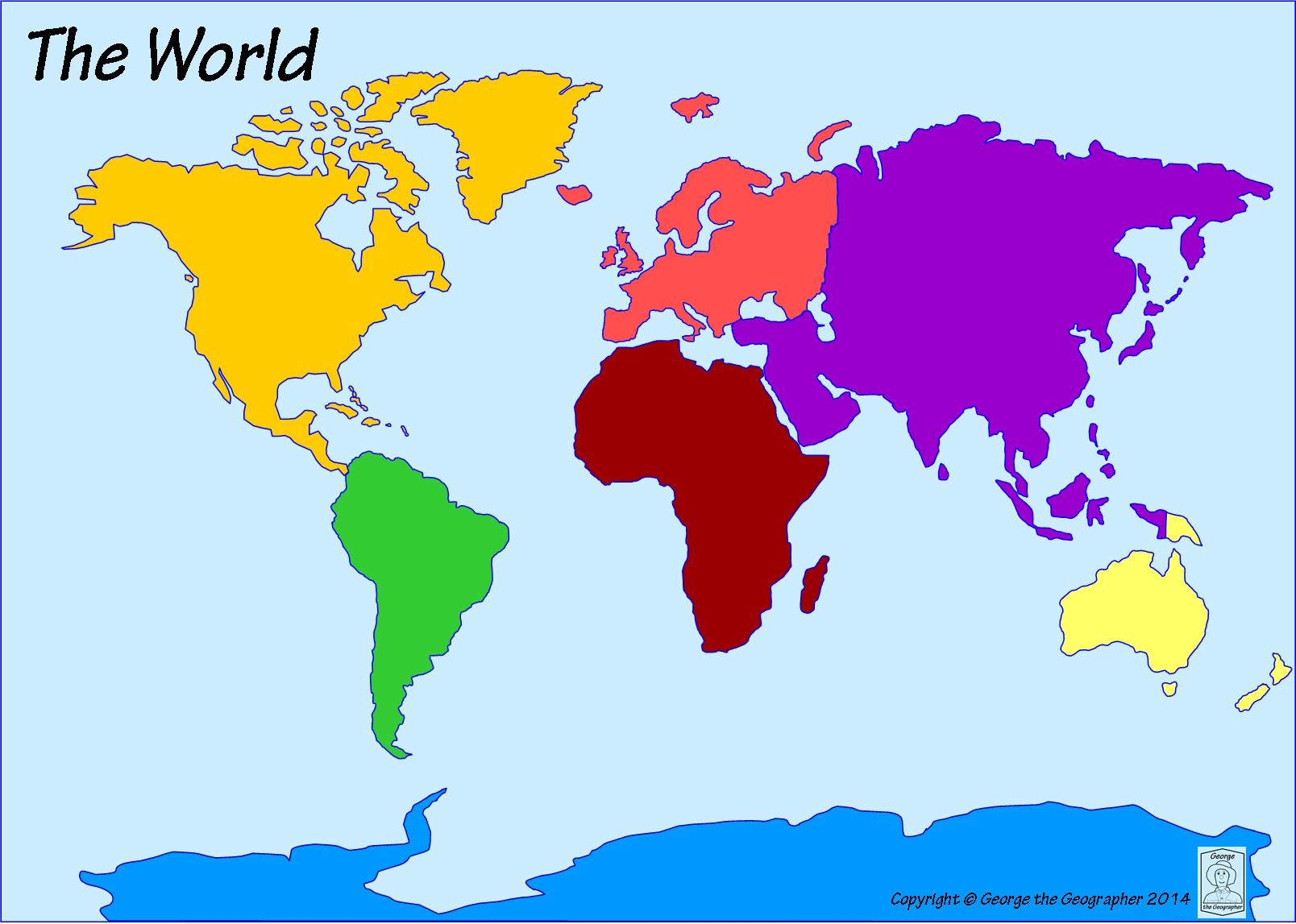
What is the name of the largest continent?
North America
Europe
Asia
Africa
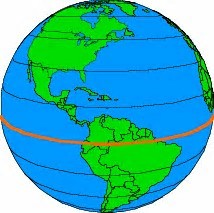
The imaginary line that divides the Earth into two parts is called the ________.
Equator
Hemisphere
Prime Meridian
North Pole

