
 Worksheets
Living environment regents 1
Total questions: 110
Worksheet time: 1hrs 16mins
Humans have an effect on ecosystems when they use native grasslands or forested areas for farming or urban use. One negative effect of these changes on the ecosystem is that there will be
Less biodiversity
More homes
Successful economic growth
Increased food production

The organisms represented by X are
Decomposes
Producers
Carnivores
Scavengers
A certain species of plant serves as the only food for the young larvae of a particular species of butterfly. In a large field, a disease kills all the members of this plant species. As a result of the plant disease, the butterfly population will most likely
quickly adapt to eat other plants
disappear from the area
evolve to form a new species
enter the adult stage more quickly
When handling cat litter, humans can potentially be exposed to a harmful single-celled protozoan. Its primary host is the common domestic cat, but it can also live in humans. This protozoan is an example of a
predator
producer
parasite
scavenger
Certain seaweeds contain a greater concentration of iodine inside their cells than there is in the seawater surrounding them. The energy required to maintain this concentration difference is most closely associated with the action of
ribosomes
mitochondria
vacuoles
nuclei
Doctors sometimes use a vaccine to prepare the body to defend itself against future infections. These vaccines most often contain
antibodies
antibiotics
white blood cells
weakened pathogens
An ameba is a single-celled organism. It uses its cell membrane to obtain food from its environment, digests the food with the help of organelles called lysosomes, and uses other organelles to process the digested food. From this, we can best infer that
all single-celled organisms have lysosomes to digest food
amebas are capable of digesting any type of food molecule
single-celled organisms are as complex as multicellular organisms
structures in amebas have functions similar to organs in multicellular organisms
White blood cells are most closely associated with which two body systems?
circulatory and digestive
immune and circulatory
digestive and excretory
excretory and immune
Carnivorous plants, such as pitcher plants and sundews, live in bogs where many other organisms cannot. Due to the high rate of decomposition occurring in bogs, the environment is acidic and contains very little oxygen and nutrients. The bogs only support certain types of organisms because
organisms in an environment are not limited by available energy and resources
the growth and survival of organisms depends upon specific physical conditions
favorable gene mutations only occur when organisms live in harsh environments
photosynthetic organisms can only inhabit environments that have a low acidity
Anhidrosis is the inability to sweat normally. If the human body cannot sweat properly, it cannot cool itself, which is potentially harmful.
Anhidrosis most directly interferes with:
a feedback mechanism that maintains homeostasis
an immune system response to harmless antigens
the synthesis of hormones in the circulatory system
the enzymatic breakdown of water in cells
The hair colors of the members of a family are listed below.
mother – brown hair
father – blond hair
older son – brown hair
younger son – blond hair
The hair colors of the sons are most likely a direct result of
natural selection in males
heredity
evolution
environmental influences

Carmine, a compound that comes from the cochineal beetle, shown above, is used as a food coloring.The food coloring is not harmful to most people, but in a small number of individuals, it causes a reaction and affects their ability to breathe. This response to carmine is known as
a stimulus
an allergy
natural selection
an adaptation
As a way to reduce the number of cases of malaria, a human tropical disease, a specific DNA sequence is inserted into the reproductive cells of Anopheles mosquitoes. Which process was most likely used to alter these mosquitoes? cloning studies
cloning studies
genetic engineering
natural selection
random mutations
Some salmon have been genetically modified to grow bigger and mature faster than wild salmon. They are kept in fish-farming facilities. Which statement regarding genetically modified salmon is correct?
Genetically modified salmon produce more of some proteins than wild salmon.
Genetically modified salmon and wild salmon would have identical DNA.
Wild salmon reproduce asexually while genetically modified salmon reproduce sexually.
Wild salmon have an altered protein sequence, but genetically modified salmon do not.
Which group of organisms in an ecosystem fills the niche of recycling organic matter back to the environment?
carnivores
decomposers
producers
predators
The use of solar panels has increased in the last ten years. A benefit of using solar energy would include
adding more carbon dioxide to the atmosphere
using less fossil fuel to meet energy needs
using a nonrenewable source of energy
releasing more gases for photosynthesis
In a sewage treatment facility, an optimal environment is maintained for the survival of naturally occurring species of microorganisms. These organisms can then break the sewage down into relatively harmless wastewater. For these microorganisms, the wastewater facility serves as
its carrying capacity
a food chain
an ecosystem
an energy pyramid
The governments of many countries have regulations that are designed to prevent the accidental introduction of nonnative insects into their countries. This is because, in these new habitats, the nonnative insects might
become food for birds
not survive a cold winter
not have natural predators
add to the biodiversity
The process of transferring energy during respiration occurs in a series of steps. This prevents too much heat from being released at one time. Maintaining an appropriate temperature is beneficial to an organism because
enzymes need a proper range of temperatures to catalyze vital reactions
cellular waste products can only be excreted in cooler temperatures
hormones can only produce antibodies if temperatures are not excessive
nutrients diffuse faster into cells when temperatures are lower
Fruits and vegetables exposed to air begin to brown because of a chemical reaction in their cells. This may result in these foods being thrown out. Some people have found that adding lemon juice (citric acid) to apple slices keeps them from turning brown. The prevention of browning is likely the result of
increasing the concentration of enzymes
increasing the temperature
slowing the rate of enzyme action
maintaining the pH
Which statement concerning an ecosystem is correct?
It can exist with or without a constant source of energy input.
It must contain consumers but can exist without producers.
It involves interactions between biotic and abiotic factors
It can exist on land, but it cannot exist in lakes, rivers, or oceans.

Energy for this ecosystem originally comes from
water
consumers
sunlight
plants
An environment can support only as many organisms as the available energy, minerals, and oxygen will allow. Which term is best described by this statement?
biological feedback
carrying capacity
homeostatic control
biological diversity
The reason that organisms can not produce populations of unlimited size is that
the resources of Earth are finite
there is no carrying capacity on Earth
species rarely compete with one another
interactions between organisms are unchanging
What impact do the amounts of available energy, water, and oxygen have on an ecosystem?
They act as limiting factors.
]They are used as nutrients.
They recycle the residue of dead organisms.
They control environmental temperature.
Knowing the type of food consumed by an organism helps to identify the role of the organism in the community. This role is known as its
nesting site
territorial range
biomass
niche

Which statement best explains why the population stabilized?
Interbreeding between members of the population increased the mutation rate.
The population size became limited due to factors such as availability of food.
An increase in the chipmunk population caused an increase in the producer population.
A predator species came to the area and occupied the same niche as the chipmunks
Which sequence shows increasing complexity of levels of ecological organization?
biosphere, ecosystem, community
biosphere, community, ecosystem
community, ecosystem, biosphere
ecosystem, biosphere, community
Great horned owls and red-tailed hawks have similar requirements for food, space, and nesting materials. What would most likely be the result of great horned owls and red-tailed hawks living in the same community?
ecological succession
competition
habitat destruction
parasitism
An ecosystem will most likely remain stable if
it has more predators than prey
it has a high level of biodiversity
biotic factors decrease
finite resources decrease
Cutting down a rain forest and planting agricultural crops, such as coffee plants, would most likely result in
a decrease in biodiversity
an increase in the amount of energy recycled
a decrease in erosion
an increase in the amount of photosynthesis

Which statement best explains section X of the graph?
Interbreeding between members of this population increased the mutation rate.
An increase in the bird population caused an increase in the producer population.
The population reached a state of dynamic equilibrium due to limiting factors.
Another species came to the area and provided food for the birds.
Many years ago, a volcanic eruption killed many plants and animals on an island. Today the island looks much as it did before the eruption. Which statement is the best possible explanation for this?
Altered ecosystems regain stability through the evolution of new plant species.
Destroyed environments can recover as a result of the process of ecological succession.
Geographic barriers prevent the migration of animals to island habitats.
Destroyed ecosystems always return to their original state
Species of animals that obtain food by consuming only autotrophic organisms are usually classified as
herbivores
decomposers
scavengers
omnivores
In a certain ecosystem, rattlesnakes are predators of prairie dogs. If the prairie dog population started to increase, how would the ecosystem most likely regain stability?
The rattlesnake population would start to decrease.
The rattlesnake population would start to increase.
The prairie dog population would increase rapidly.
The prairie dog population would begin to prey on the rattlesnakes.
Imported animal species often disrupt an ecosystem because in their new environment, they will most likely
eliminate the genetic variation of the autotrophs
increase the number of mutations in the herbivores
have no natural enemies
be unable to produce offspring

In an ecosystem, material is cycled among the organisms and their environment.
As a result of competition between two species, one species will be excluded from the niche.
Competition within a species results in natural selection.
An ecosystem requires a constant source of energy
Vultures, which are classified as scavengers, are an important part of an ecosystem because they
hunt herbivores, limiting their populations in an ecosystem
feed on dead animals, which aids in the recycling of environmental materials
cause the decay of dead organisms, which releases usable energy to herbivores and carnivores
are the first level in food webs and make energy available to all the other organisms in the web

The sequence of stages leading from bare field to stage D best illustrates the process known as
replication
recycling
feedback
succession

How much energy would be available to the organisms in level C?
all of the energy in level A, plus the energy in level B
all of the energy in level A, minus the energy in level B
a percentage of the energy contained in level B
a percentage of the energy synthesized in level B and level D

The greatest amount of available energy is transferred from level
A to level B
A to level C
B to level A
D to level A

If the population of mice is reduced by disease, which change will most likely occur in the food web?
The cricket population will increase.
The snake population will increase.
The grasses will decrease.
The deer population will decrease.

What is the original source of energy for this food web?
chemical bonds in sugar molecules
enzymatic reactions
the Sun
chemical reactions of bacteria

Which organisms are not shown in this diagram but are essential to a balanced ecosystem?
heterotrophs
autotrophs
producers
decomposers


Which term would best represent X?

What type of cell is a plant cell?
Prokaryotic
Eukaryotic
What type of cell is a bacterial cell?
Prokaryotic
Eukaryotic
How do eukaryotes reproduce?
Sexually
Asexually
Both
What is the smallest unit of an organism that can perform life functions?
Organ system
Organ
Tissue
Cell
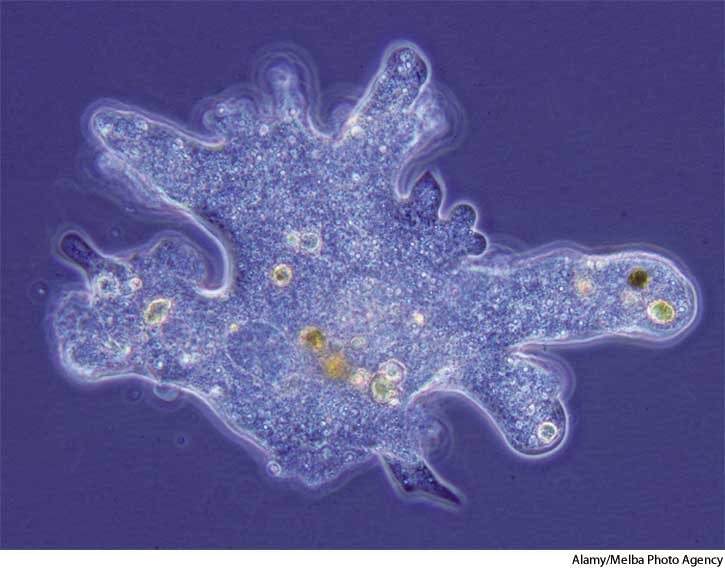
There are three tenets of the Cell Theory. Which of the following is NOT a tenet?
Cells are the basic structure and function of life.
All living things are made of one or more cells.
The cell is the basic unit of matter.
All cells come from preexisting cells.
Which of the following statements is true?
Plants and animal cells have cell walls for protection.
Animal cells have one large vacuole; the plant cell has tiny ones.
Plant cells contain chlorophyll; animal cells have lysosomes.
Animal cells are box shaped; plant cells are circular
Energy for this ecosystem originally comes from
water
consumers
sunlight
plants
An environment can support only as many organisms as the available energy, minerals, and oxygen will allow. Which term is best described by this statement?
biological feedback
carrying capacity
homeostatic control
biological diversity
What impact do the amounts of available energy, water, and oxygen have on an ecosystem?
They act as limiting factors.
]They are used as nutrients.
They recycle the residue of dead organisms.
They control environmental temperature.
Which sequence shows increasing complexity of levels of ecological organization?
biosphere, ecosystem, population, community,
population, biosphere, community, ecosystem
population, community, ecosystem, biosphere
ecosystem, population, biosphere, community
Great horned owls and red-tailed hawks have similar requirements for food, space, and nesting materials. What would most likely be the result of great horned owls and red-tailed hawks living in the same community?
ecological succession
competition
habitat destruction
parasitism
Which organisms are not shown in this diagram but are essential to a balanced ecosystem?
heterotrophs
autotrophs
producers
decomposers
Organisms that can make their own food are called
consumers
heterotrophs
detrivores
autotrophs
An organism that eats both plants and animals is a
carnivore
herbivore
omnivore
detrivore
Which of these is an abiotic factor?
Bacteria
Sunlight
Worms
Algae




What happens if a population grows past its carrying capacity?
The population keeps growing
The population starts to die off
The entire species will go extinct
The carrying capacity just increases

Base your answer to the question on the information in the chart below and on your knowledge of biology.
How does the ability to produce 3000 to 6500 eggs benefit the species?
It decreases the opportunity for more frogs to compete for limited resources.
More offspring are likely to survive and reproduce.
The offspring will be more widely distributed by fast-moving water.
The chances for asexual reproduction in the frogs will increase.
Scientists who have examined the fossil record have noted that some species have changed very little over long periods of geologic time. The lack of change in such organisms is most likely because
all members of their population were genetically identical, and they lived in a rapidly changing environment
there was a large amount of variation in their population, and the environment changed frequently
they could move between different environments when food supplies became scarce
the environment that they lived in remained the same, and they were well-adapted to it.
A variety of species of Galapagos finches evolved from one original species long ago through the process of
asexual reproduction
ecological succession
natural selection
selective breeding

Base your answer to this question on the information below and on your knowledge of biology.
Fossil Footprints
Scientists examined a trail of fossil footprints left by early humans in soft, volcanic ash in Eastern Africa. A drawing of the trail of footprints is shown below. Each footprint is represented as a series of lines indicating the depth that different parts of the foot sank into the volcanic ash.
The individuals were running from a predator.
The volcano was about to erupt again.
One individual was much taller than the other.
One individual had larger feet than the other.

A researcher conducts an investigation on fiddler crabs to understand the importance of claw size in mating. The male fiddler crabs have one normal-sized claw and one giant claw that they wave to attract female fiddler crabs. The female fiddler crabs have two small, same-sized claws. The researcher places 15 male crabs with different sized claws into an enclosure with conditions similar to those in their natural habitat. The researcher then releases 15 female crabs into the enclosure. The graph shows the percentage of male crabs of different claw size that successfully mated for three successive trials. Select the statement(s) that correctly describe what the data in the graph shows.
The percentage of males with larger claws will increases in the population.
The percentage of males with smaller claws will continue to decreases in the population.
The percentage of males with smaller claws will evolve to have claws that attract more female crabs.
The percentage of males with varying claw sizes will remain constant, as both traits are selected for by female crabs.
The percentage of male and female crabs with smaller claws will decrease, as smaller claws are selected against in mating.

The back of the Namib Desert darkling beetle, shown in the photograph below, is covered in little bumps that collect water from the air. When it tilts forward, the water runs off its back into its mouth.
These specialized structures on the beetle’s back allow it to
locate food within the harsh desert environment
obtain a substance that is required for survival
reproduce asexually if mates are not available in the area
increase the chances of survival by producing organic raw materials
How does natural selection affect populations?
by creating variation in individuals that allows them to better adapt to changing environmental conditions.
by increasing the rate of beneficial mutations which allow individuals to increase the rate of reproduction.
by reducing variation between individuals in a population thereby making the population more homogeneous and likely to survive.
by acting on variations between individuals that make some better adapted to their environment and more likely to survive and reproduce.
A biologist conducting a long-term field study noticed there were two types of mice in a valley. One type of mouse had webbed toes, and one type of mouse lacked webbed toes. A dam was built in the valley turning the land to wetland. As the years passed, all mice living in the valley were found to have webbed toes. No mice were found with non-webbed toes.
Which statement best explains the observed change in the mouse population?
Webbed toes in mice are controlled by the environment.
The mice grew webbing to move more efficiently in the new environment.
Webbed-toed mice survived better and reproduced more than mice without webbed toes.
The increased water levels in the valley increased the mutation rate in the mouse population.

Scientists have found an allele of a plant gene that may protect plants from some types of insects. To determine whether this allele is present in other plants of the species or is a recent mutation, they conducted the following experiment:
1. Isolate a sample of deoxyribonucleic acid (DNA) known to contain the allele from one plant that is unaffected by insects.
2. Isolate a sample of DNA that may contain the allele from three plants of the same species growing in the same location.
3. Treat the resistant DNA sample and the three DNA samples from the other plants with the same restriction enzymes to generate smaller segments of DNA.
4. Load and run a gel electrophoresis to separate the DNA segments.
5. Analyze the results of the gel electrophoresis.
Which DNA sample has the same allele as the resistant plant?
Sample 1
Sample 2
Sample 3
None of the above
An example of a population in which evolution could take place in a relatively short period of time could be
pathogenic bacteria exposed to antibiotics
oak trees in a stable ecosystem
elephants living in a wildlife preserve
algae grown under constant conditions


A section of the mammalian evolutionary tree is shown.
Which number would indicate the most recent common ancestor of the hyrax, elephant, and manatee on the section of this mammalian evolutionary tree?
1
2
3
4
Gene mutations can be caused by many things. These mutations are biologically important because they
occur at a regular rate and therefore can be controlled
can be passed to the offspring if they occur in any cell of the body
are always harmful and therefore help to eliminate weak traits
can result in a new variety of gene combinations in the species

Which diagram below indicates that species D is more closely related to C than it is to either A or B?
1
2
3
4

Some orders of land and marine animals are closely related. Molecular data recently collected from dolphins, camels, deer, and hippopotamuses have shown that hippopotamuses are the closest living relatives of dolphins.
Which phylogenetic tree models this evolutionary relationship?
1
2
3
4

In the photograph , two fish are displaying a behavior commonly observed among pairs of rabbitfish. While one has its head down feeding on coral, the other remains upright, alert for predators.
This behavior continues to be present in the rabbitfish population because
this behavior was learned by observing other fish species
both fish could not fit into the small spaces in the coral
this behavior increases their chance of survival
the fish species needed to become alert to survive

Base your answer to the question on the information and diagram below and on your knowledge of biology. The diagram represents the evolutionary relationships among many organisms.
Three species with the most similar traits are most likely
F, I , G
D, H, J
B, D, G
F, A, J

Base your answer to the question on the information below and on your knowledge of biology.
Unique populations of giant tortoises live in the Galapagos Islands. This is the same group of islands where Darwin studied his famous finches. It is thought that the original ancestors of today’s giant tortoises came from the mainland of South America. These animals left and drifted in the ocean to the islands where they began to live, reproduce, and evolve. Each of the islands has a different habitat. Each species varies in shell shape and body structure. Information about two of these species of giant tortoises and their habitats is found in the table below.
When the saddle-backed tortoises extend their long necks out of the shell, they are unprotected from attack. Scientists hypothesize that during the evolution of this tortoise, they had few predators. Which statement best supports this hypothesis?
Competition between the predators and the tortoises would have resulted in a greater number of long necked tortoises.
The number of predators was greater than the number of tortoises.
Saddle-backed tortoises were not a part of the food chain.
Predators would have killed the tortoises with long necks, leaving more tortoises with shorter necks.

