
Font size
 Worksheets
Energy conservation
Total questions: 54
Worksheet time: 1hrs 12mins
To save energy you should: (check 2)
Take a cooler shower
Take a warmer shower
Take a shorter shower
Take a longer shower
To save energy we should:
use energy-saving bulbs
Use larger tv's
Avoid turning lights on and off
Keep the TV on
Which of these is an effective way to improve energy efficiency for heating/cooling?
Using portable heaters as well as air conditioning
Opening doors and windows when heating is on
Dressing for the seasons: heavier in winter and lighter in summer
Keeping the thermostat at the same temperature all year
It is very cool outside an you feel very hot inside, what should you do?
Turn on the air- conditioner
Open the windows
Turn on the air conditioner and open the windows
Go out for a walk
When you leave a room, what should you do? (to save energy)
Do nothing
Clean the room
Turn off the lights only
Turn off the electrical appliances inside
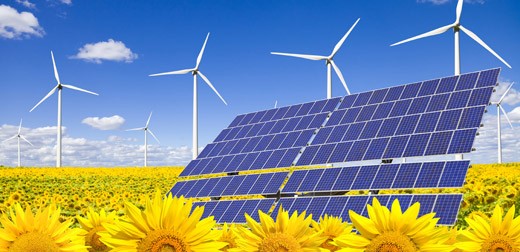
__________ is an energy resource that WILL NOT run out in the next several hundred years.
Renewable Energy Resource
Nonrenewable Energy Resource

Coal is a __________ energy resource.
Renewable
Nonrenewable
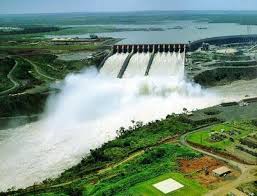
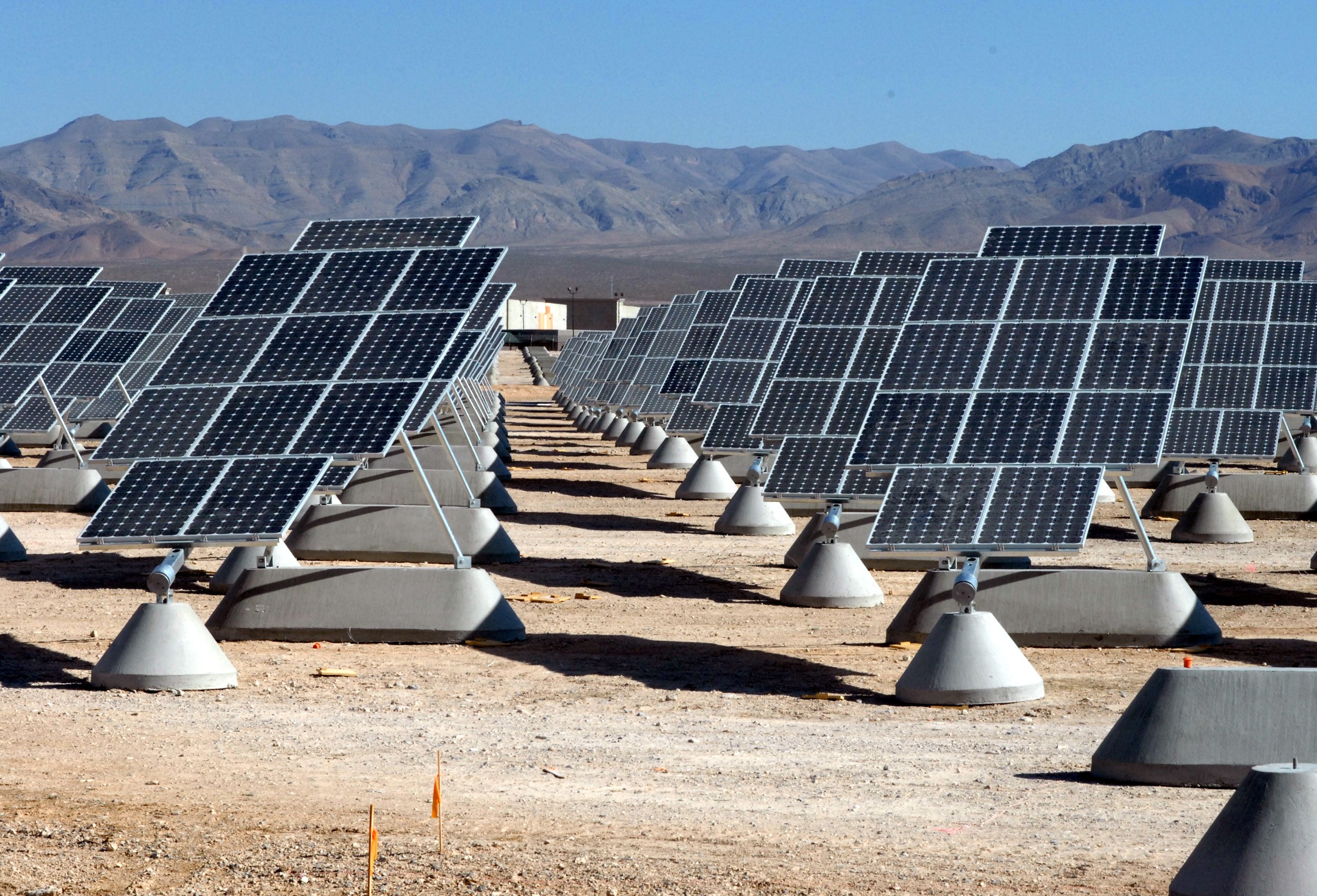
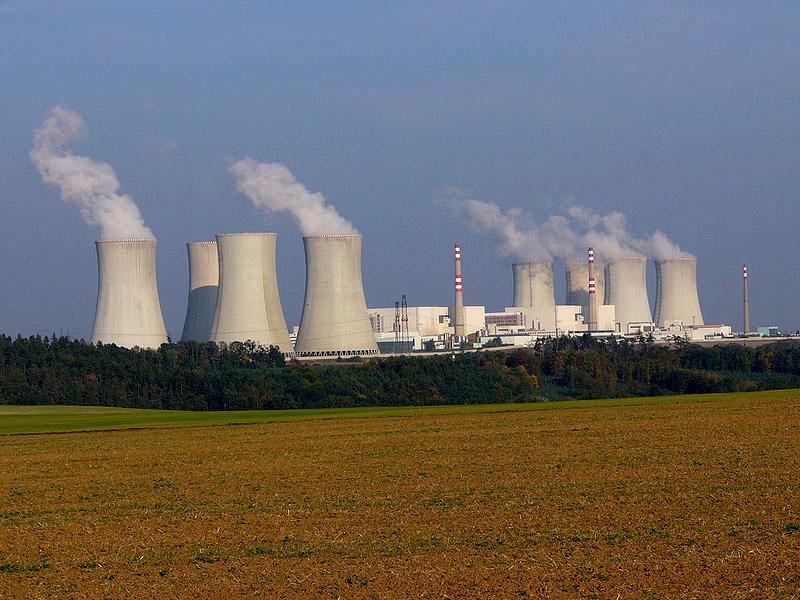
Nuclear Power is a __________ energy resource.
Renewable
Nonrenewable

What is the problem with using fossil fuels?
They create greenhouse gases
They don't create a lot of electricity
They are non-renewable
They are renewable

True or false: Octopus have nine brains, three hearts and blue blood.
True
False
Fossil fuels were formed from ____.
the remains of once living organisms.
the earth.
solids, liquids, and gases, made millions of years ago.
sun and water.
What are some things you can do to conserve energy and help protect our environment?
leave water on, leave TV on, run dishwasher with 1 plate
run the washing machine with 1 shirt
leave the refrigerator door open
turn off water, turn off lights, turn off TV
An animal is considered an endangered species if:
the numbers of the animals are so small that it is at risk of all of the animals dying.
One whose not been spotted after many years.
One whose numbers are abundant.
there are so many, they are a pest.
Which of these describes a species that has become extinct?
Fewer members of the species are dying than being born.
More members of the species are dying than being born.
Very few members of a species are alive.
ALL members of a species have died!
Which one is an example of recycling? 🌟
Reusing a paper bag for lunch.
Using less water to take a bath.
Making new glass bottles from old ones.
Using plastic cups instead of paper cups.
What is a renewable resource?
one that can be replaced quickly or reused over!
one that is man-made
one that comes from the birds.
one that will never run out
The oldest machines used for capturing this type of renewable energy were water wheels. What energy sources am I talking about?
hydro power
solar power
wind power
biomass
Many of Canada's freshwater (rivers and lakes) have been used to produce this type of energy.
wind power
biomass
hydro power
solar power
This energy is one of the most economical source of renewable energy because it can be set up quickly and cheaply. What type of energy am I talking about?
solar power
biomass
geothermal
wind power
Which energy source captures the energy from the air?
wind power
hydro power
solar power
biomass
One of the oldest uses of this type of renewable energy is for transportation over the ocean. Which am I?
wind power
solar energy
biomass
geothermal
This type of energy makes wind blow and the ocean currents flow. It also provides light through our windows. Which energy am I?
wind power
hydro power
solar power
geothermal
Which type of renewable energy uses any form of plant or animal tissue?
hydro power
wind power
solar power
biomass
One of the oldest energy sources that humans have used is wood burning - which renewable energy is this?
hydro power
biomass
solar power
geothermal power

What is the GPE at point A
14 J
12 J
6 J
8 J

What is the KE at point B?
14 J
12 J
6 J
8 J

What is the Total Energy of the system?
14 J
12 J
6 J
8 J

What is the KE at point D?
14 J
12 J
6 J
8 J

What is the GPE at point E?
14 J
12 J
6 J
8 J

What is the Total Mechanical Energy at point A?
500,000 J
400,000 J
200,000 J
50,000 J
What is the Kinetic Energy at point B?
500,000 J
400,000 J
300,000 J
50,000 J
What is the Kinetic Energy at point C?
500,000 J
400,000 J
300,000 J
50,000 J
What is the Kinetic Energy at point D?
500,000 J
250,000 J
300,000 J
50,000 J
What is the GPE at point E?
500,000 J
250,000 J
300,000 J
100,000 J
What is the GPE at point F?
500,000 J
250,000 J
300,000 J
0 J
What is the KE at point F?
500,000 J
250,000 J
300,000 J
0 J

What is the Total Energy at the top?
15,000 J
3,750 J
7,500 J
11,250 J
What is the KE 1/4th of the way down?
15,000 J
3,750 J
7,500 J
11,250 J
What is the KE 1/2 of the way down?
15,000 J
3,750 J
7,500 J
11,250 J
What is the KE 3/4th of the way down?
15,000 J
3,750 J
7,500 J
11,250 J
What is the KE at the bottom?
15,000 J
3,750 J
7,500 J
11,250 J

What is the GPE at the top?
50 J
25 J
0 J
100 J
What is the KE half way down?
50 J
25 J
0 J
100 J
What is the Total Energy at the bottom?
50 J
25 J
0 J
100 J

