
 Worksheets
6th Grade #6: Weather
Total questions: 42
Worksheet time: 35mins
As a part of the water cycle, water from Earth's surface enters the clouds and finally falls back to the ground in the form of rain. What is the correct sequence of processes water undergoes?
Evaporation, Condensation, Precipitation
Precipitation, Condensation, Evaporation
Condensation, Evaporation, Precipitation
Evaporation, Precipitation, Condensation

A student draws a model to represent the precesses involved in the water cycle, as shown. To which process is the formation of clouds related?
Condensation
Evaporation
Freezing
Melting

The image shows various stages in the water cycle. During which stage does water flow back towards the sea as runoff?
W
X
Y
Z

Where do MARITIME air masses form?
Over water
Over land
Where do CONTINENTAL air masses form?
Over water
Over land
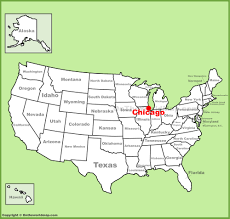
What type of air mass is found over CHICAGO?
Maritime Polar
Maritime Tropical
Continental Polar
Continental Tropical

What type of air mass is found over the UNITED KINGDOM?
Maritime Polar
Maritime Tropical
Continental Polar
Continental Tropical
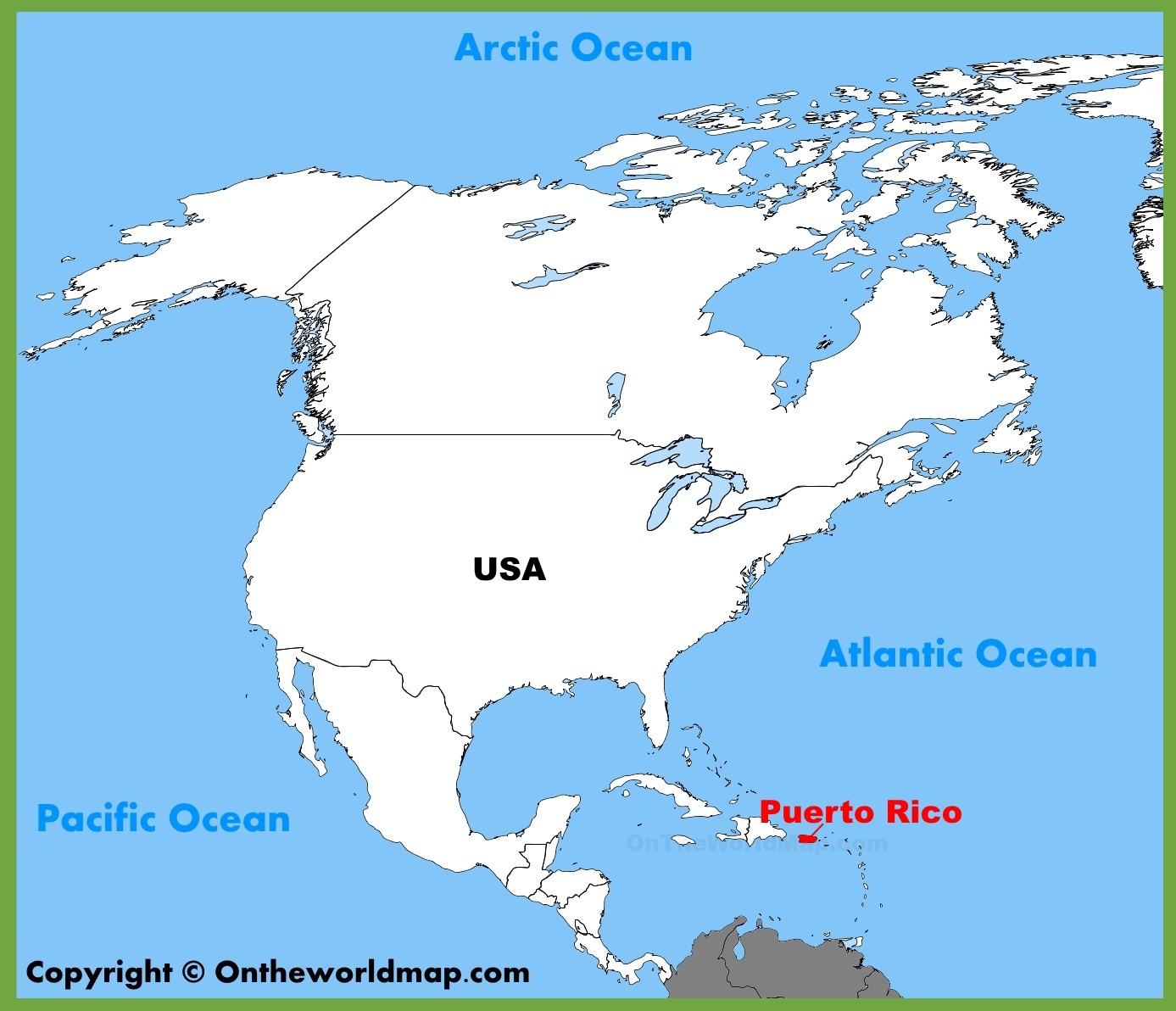
What type of air mass is found over PUERTO RICO?
Maritime Polar
Maritime Tropical
Continental Polar
Continental Tropical

What type of air mass is found over EGYPT?
Maritime Polar
Maritime Tropical
Continental Polar
Continental Tropical
Which type of air mass is HOT and DRY?
Maritime Polar
Maritime Tropical
Continental Polar
Continental Tropical
Which type of air mass is HOT and HUMID?
Maritime Polar
Maritime Tropical
Continental Polar
Continental Tropical
Which type of air mass is COLD and DRY?
Maritime Polar
Maritime Tropical
Continental Polar
Continental Tropical
Which type of air mass is COLD and HUMID?
Maritime Polar
Maritime Tropical
Continental Polar
Continental Tropical
How has technology changed weather forecasting?
Forecasts have not changed at all.
Forecasts have improved because technology changes the weather.
Forecasts have improved because technology gives us more info.
Forecasts have gotten worse because technology prevents meteorologists from making observation
Why is it important for forecasts to be accurate?
Helps farmers know when to start planting
Help people prepare for severe weather
Help people understand what weather maps are for.
Help fisherman learn about the seasons
Help people who are interested in being meteorologists.

What kind of of weather can be expected?
Stormy because the pressure is dropping.
Stormy because the pressure is rising.
Hot and clear because the pressure is dropping
Hot and clear because the pressure is rising.
Choose the things that help determine an area's climate (particularly in a place near an ocean)
ocean currents
latitude
altitude
prevailing winds
distance from water
How is living at the ocean different from living high in the mountains?
Air pressure is greater in the mountains.
Air density is lower in the mountains.
There is more gravity at higher altitudes, in the mountains.
Air molecules are more spread out in the mountains, making it harder to breathe.
Air molecules are closer together at sea level, making it easier to breathe.
Global winds are caused by
uneven heating of the Earth
even heating of the Earth
solar currents
sea breezes

The uneven heating of the earth causes global winds, which causes_____ to happen
convection currents
solar currents
wind currents
ocean currents
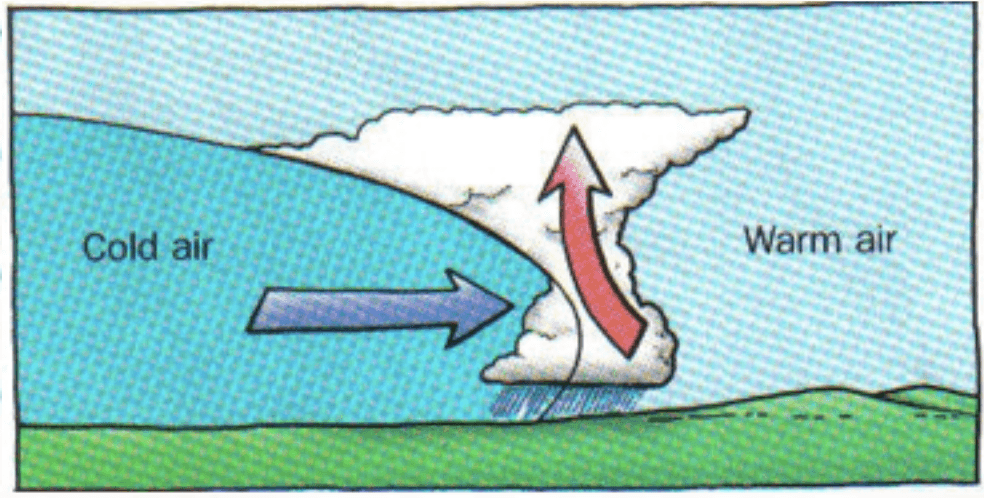
Name that front.
Cold Front
Warm Front
Stationary Front
Occluded Front
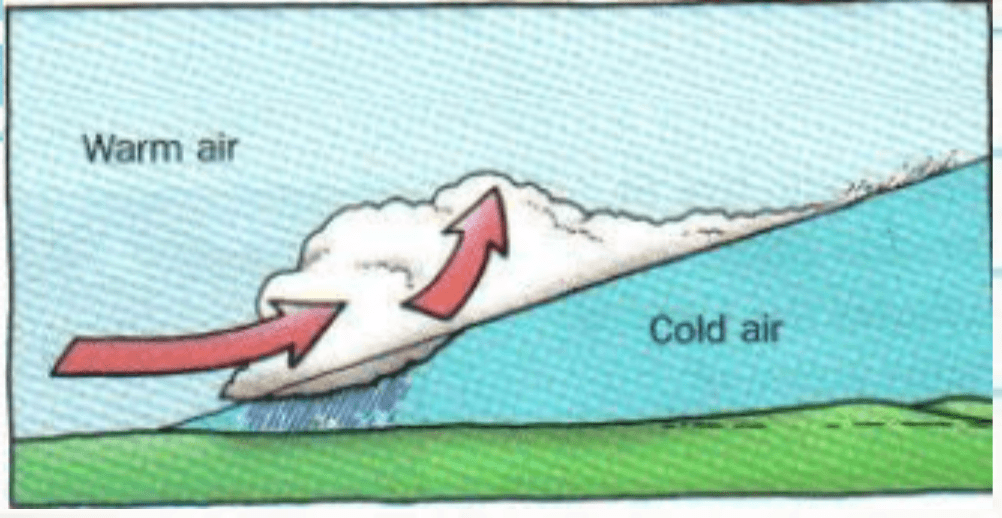
Name that front.
Cold Front
Warm Front
Stationary Front
Occluded Front

Brings some clouds and gentle rains.
Cold Front
Warm Front
Stationary Front
Occluded Front

Cold dense air slides underneath warm air. The warm air is forced up, cools, and condenses.
Cold Front
Warm Front
Stationary Front
Occluded Front
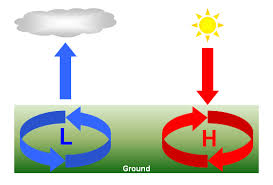
What type of weather will you see along a cold front?
Thunderstorms
Sunny skies
Gentle rain
No weather
Low pressure systems bring (a) weather.
High pressure systems bring (a) weather.
The Earth is not heated equally, creating winds. Earth's (a) causes this unequal heating.
How does the jet stream affect weather patterns?
It stabilizes the temperature
It moves weather systems
It is the main cause of earthquakes
It has no impact
Which layer of the atmosphere contains the ozone layer?
Troposphere
Stratosphere
Mesosphere
Thermosphere
What is the jet stream?
Slow moving ovean currents that affect climate
fast moving air currents found in the upper atmosphere
sudden bursts of wind near Earth's surface
warm air pockets trapped in valleys
(a) is the study of weather.

