
 Worksheets
SCIENCE-5
Total questions: 70
Worksheet time: 38mins
Among the following, which object can be recycled?
Concrete
Compost
Glass
Soil
These are wastes that can easily decompose in the soil?
biodegradable
e - waste
nonbiodegradable
metal waste
Which one is not a benefit of recycling ?
It reduces pollution .
It conserves natural resources.
It saves energy.
It may cause diseases.
What are the 3 Rs of waste management?
Recycle, React, & Respond
Reduce, Reuse, & Recycle
Reuse, Rinse, & Repeat
Reduce, Reapply, & Rethink
Refers to the practice of proper waste disposal.
Waste management
Marketing management
Strategic management
Human management

What type of waste is it?
organic
recyclable
dumpster

What type of waste is it?
organic
recyclable
dumpster

What type of waste is it?
organic
recyclable
dumpster

What type of waste is it?
organic
recyclable
dumpster

What type of waste is it?
organic
recyclable
dumpster

What type of waste is it?
organic
recyclable
dumpster

What type of waste is it?
organic
recyclable
dumpster

What type of waste is it?
organic
recyclable
dumpster

What type of waste is it?
organic
recyclable
dumpster

What type of waste is it?
organic
recyclable
dumpster
Waste is ...
everything dirty
everything smelly
Everything that no longer has a use and needs to be disposed of.
everything clean
Organic waste is ...
food and drink
Waste that comes from plants and animals.
plants
animals
Recyclable waste is ...
Wastes that comes from plants and trees.
Wastes that needs to be thrown away.
Wastes that smelly.
Wastes that can be processed and used again.
Dumpster is ...
Wastes that can not be recycled nor composted.
leftover food
leftover drink
Wastes that can be recycled.
Solid wastes generated by households and commercial establishments end up in___________
Dustbin
Landfills
Drainage
Landfills are also known as?
Dustbin
House area
Garbage dump or dumping ground.
Restricted area
Problems caused by improper waste management?
Air pollution by burning wastes
Water pollution by leachate
All the above
A liquid that has passed through solid waste in a landfill
A gas that has passed through solid waste in a landfill
A solid that has passed through solid waste in a landfill
A chemical that has passed through solid waste in a landfill
A ____________ is a waste disposal facility where wastes are put in the ground and covered each day with a layer of dirt, plastic, or both.
landfill
incinerator
compost heap
aquifer
Mrs. Flores is leading a group of women who make flowers out of candy wrappers and used plastics.
Reduce
Reuse
Recycle
Repair
Recover
Laarni decides to give her small dresses to her cousins
Reduce
Reuse
Recycle
Repair
Recover
Eliza refuses to buy a new bag because she has three unused new bags
Reduce
Reuse
Recycle
Repair
Recover
Mang Paul digs a pit in their backyard to bury all the leftover food to enrich the soil
Reduce
Reuse
Recycle
Repair
Recover
Mrs. Garcia cut the old towel into small rags
Reduce
Reuse
Recycle
Repair
Recover
TRUE or FALSE
Click true if the statement that tells about the 5R's of waste management, and click false if the statement that does not tell about the 5R's.
1. Use a cloth bag when you go shopping for groceries
TRUE
FALSE
TRUE or FALSE
Click true if the statement that tells about the 5R's of waste management, and click false if the statement that does not tell about the 5R's.
2. Buy products with little or no packaging.
TRUE
FALSE
TRUE or FALSE
Click true if the statement that tells about the 5R's of waste management, and click false if the statement that does not tell about the 5R's.
3. Donate old furniture to be used again.
TRUE
FALSE
TRUE or FALSE
Click true if the statement that tells about the 5R's of waste management, and click false if the statement that does not tell about the 5R's.
4. Have appliances repaired instead of buying new ones
TRUE
FALSE
TRUE or FALSE
Click true if the statement that tells about the 5R's of waste management, and click false if the statement that does not tell about the 5R's.
5. Have a garbage sale for unwanted household items
TRUE
FALSE
Is waste separation important?
yes,it reduces pollution
No, it creates mess at home
I don't know
Which of these is organic waste?
batteries
clothes
food
bottles
Which of these goes into the general waste bin?
newspapers
plastic plates
tins
face masks
Clothes, bags and and books
go into the general waste bin
are organic waste
are reusable
go into the dangerous waste bin
glass include
bottles and jars
cereal packets
batteries
paint and glue
An apple decomposes in
3 days
3 months
3 years
13 years
A glass bottle decomposes in
30 days
40 years
500 years
4000 years
Compost is made of
plastic
glass
food
paper
when you recycle and reuse
you reduce waste
you pollute
you produce energy
you look poor
Choose the type of 4R which has a wrong definition.
refuse-don't use it
reduce-use less
reuse-use it over and over
recycle- using bacteria to treat biodegradable waste
Identify all the strategies to reduce resource use of Waste/Pollution
Develop products that are easy to repair, reuse, remanufacture, compost or recycle
Use fee-per-bag waste collection systems
Change industrial processes to eliminate/reduce use of harmful chemicals
Redesign manufacturing processes and products to use less material and energy
Use disposable cups
This is an approach in which we produce less solid waste and the waste we do produced are considered to be potential resources that we can reuse, recycle, or compost.
waste management
waste reduction
integrated waste management
These are any discarded material or substance that threatens human health or the environment because it is poisonous, dangerously chemically reactive, corrosive, or flammable.
solid waste
hazardous waste
industrialized waste
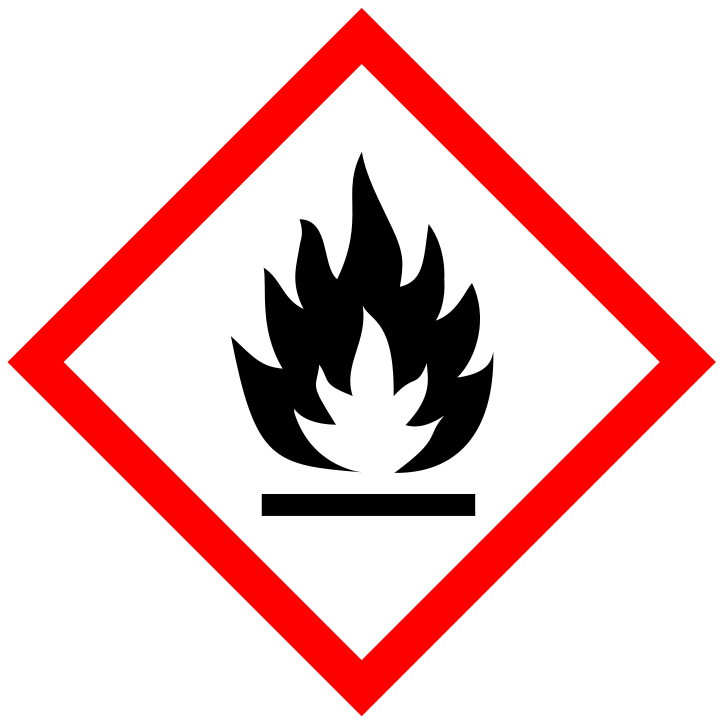
What does this symbol mean?
Flammable
Explosives
Oxidising Agent
Corrosive
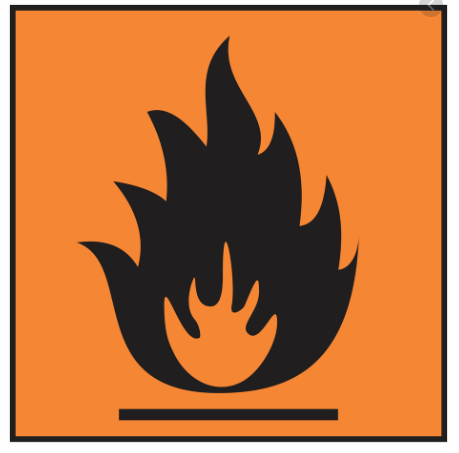
diagram above shows a hazard symbol. what is the meaning of this symbol?
flammable
irritant
explosive
poisonous
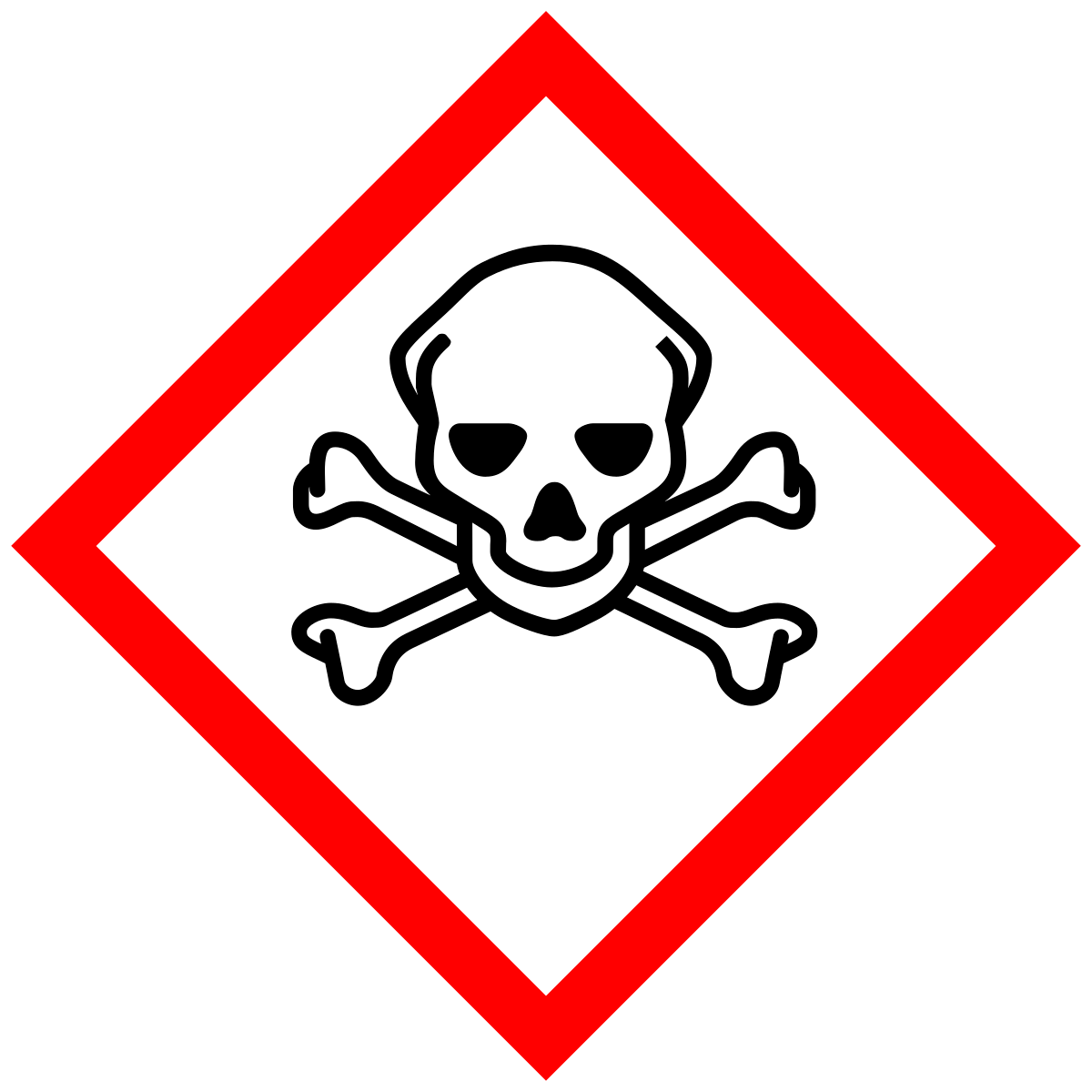
The above hazard symbol means ......
explosive
flammable
toxic or poisonous
corrosive
In waste management hierarchy, which management is at the bottom of the hierarchy?
Waste exchange
Waste recycling
Waste reduction
Waste disposal
What should we do with expired medicines?
throw them in the bin with mixed waste
put in the containers for plastics or glass
take them to a pharmacy
How many plastic bottles are produced per minute?
several thousand
several tens of thousands
a million
Meat and bones go to...


bio
mixed


wet and greasy cardboard go to...


Which of the following waste are produced from homes?
Paper and smoke
Mirror and chemical
Smoke and glasses
Leftover food and plastic bag
which of the following is biodegradable object?


Which of the following is NOT a recyclable material?


Which of the following is NOT the bad effect of improper waste management?
Flood
Health problem
Volcano eruption
Air and water pollution

If you use a plastic bag for groceries one day and then make a kite out of it the next, the bag has been ___________.
reduced
reused
recycled
reversed

